
Close Menu
    Facebook X (Twitter) Instagram
    SciTechDaily
    • Biology
    • Chemistry
    • Earth
    • Health
    • Physics
    • Science
    • Space
    • Technology
    Facebook X (Twitter) Pinterest YouTube RSS
    SciTechDaily
    Home»Health»Despite Proven Success at Preventing Cancer, Physicians Report High Refusal Rates for HPV Vaccine
    Health

    Despite Proven Success at Preventing Cancer, Physicians Report High Refusal Rates for HPV Vaccine

    By University of Colorado Anschutz Medical CampusSeptember 15, 2019No Comments3 Mins Read
    Facebook Twitter Pinterest Telegram LinkedIn WhatsApp Email Reddit
    Share
    Facebook Twitter LinkedIn Pinterest Telegram Email Reddit

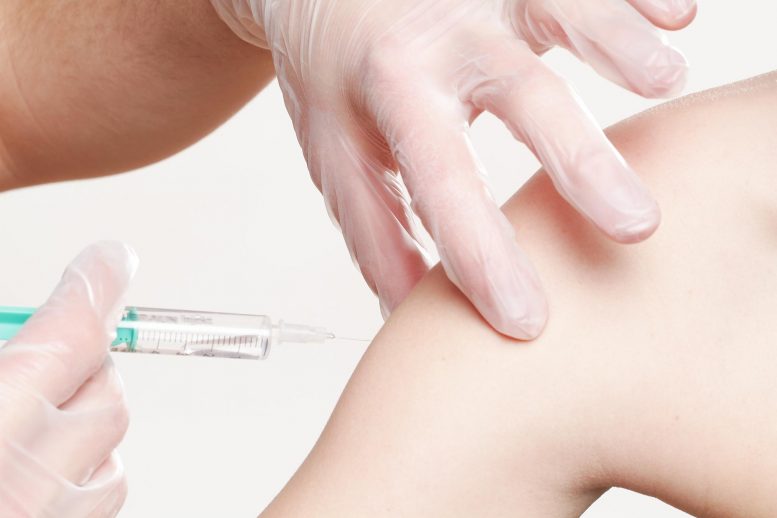
    Vaccination Injection

    The HPV vaccine is one of only two vaccines that prevent cancer but is underutilized in the United States.

    Despite its proven success in preventing cancer, many adolescents are still not getting the HPV vaccine. A new study from the University of Colorado School of Medicine at the Anschutz Medical Campus shows that physicians’ delivery and communication practices must improve to boost vaccination completion rates.

    Healthcare providers must also learn to deal with parents hesitant to get their children vaccinated with the HPV vaccine.

    The study, to be published tomorrow (September 16, 2019) in Pediatrics, is the first to examine pediatricians’ and family physicians’ delivery practices for the vaccine since the new 2-dose schedule came out for adolescents 11 or 12 years old.

    “A physician recommendation is one of the most important factors in vaccine acceptance by parents,” said Allison Kempe, MD, MPH, lead author and professor of pediatrics at the University of Colorado School of Medicine. “However, we’re seeing a lack of understanding from healthcare providers about the need for vaccination early in adolescence and high rates of refusal on the part of parents. The vaccine is underutilized, with less than half of American adolescents completing the vaccination. We need to maximize methods of introducing the vaccine that we know to be more effective, as well as the use of reminder and delivery methods at the practice in order to improve this rate.”

    Every year, HPV causes over 33,500 cases of cancer in women and men in the United States, according to the Centers for Disease Control and Prevention.

    “The earlier someone is vaccinated, the better the immune system responds. It also increases the chances of being vaccinated before having exposure to HPV strains,” Kempe said. “If we can increase the rate of vaccination in early adolescence, then we can prevent cancers that develop in later years.”

    The study surveyed 588 pediatricians and family physicians and found that refusal rates from parents remain high, especially for 11 to 12-year-olds, the target population for vaccination.

    But physicians who use a `presumptive style’ approach have higher acceptance rates. Presumptive style means physicians introduce the HPV vaccine and recommend it in the same manner and as strongly as the other recommended adolescent vaccines for meningitis and Tdap.

    For example, a doctor could say, “We’ve got three vaccines today: Tdap, HPV, and Meningitis,” rather than isolating HPV as an option that is not as important.

    Still, the survey found some encouraging signs:

    • Despite a high refusal rate, pediatricians who strongly recommend the vaccine increased from 60% in 2013 to 85% in 2018 for 11 or 12-year-old females and from 52% to 83% for 11 to 12-year-old males.
    • Some 89% of pediatricians and 79% of family pediatricians reported more adolescents under age 15 are completing the HPV series now that only 2 doses are recommended.

    Along with improving physician communication styles, HPV delivery could also be optimized by increased use of standing orders and alert systems in the medical record to remind providers of the need for vaccination at the point of care.

    Reference: “HPV Vaccine Delivery Practices by Primary Care Physicians” by Allison Kempe, Sean T O’Leary, Lauri E Markowitz, Lori A Crane, Laura P Hurley, Michaela Brtnikova, Brenda L Beaty, Elissa Meites, Shannon Stokley, Megan C Lindley, 16 September 2019, Pediatrics.
    DOI: 10.1542/peds.2019-1475

    Never miss a breakthrough: Join the SciTechDaily newsletter.
    Follow us on Google and Google News.

    Pediatrics STD University of Colorado University of Colorado Anschutz Medical Campus Vaccine
    Share. Facebook Twitter Pinterest LinkedIn Email Reddit

    Related Articles

    Nationwide Study on Pfizer COVID-19 Vaccine Effectiveness for Ages 12 to 18 – “The Vaccine Works for Children!”

    What Parents Should Know About the COVID-19 Vaccine and Kids – Timing, Side Effects, and Testing

    No Sign of Pfizer or Moderna COVID-19 Vaccines in Breast Milk

    Childhood Vaccination Rates Declined During COVID-19 Pandemic

    Pediatric Infectious Disease Expert Guidance: Should My Child Get the COVID-19 Vaccine?

    Alzheimer’s Patients Saw Improved Cognition and Memory With Sargramostim, a Medication Commonly Used After Chemotherapy

    ADHD, Bipolar, and Aggressive Behavior May Be Driven by High Fructose Intake

    National Poll: 1 in 3 Parents Plan to Skip Flu Shots for Their Kids During COVID-19 Pandemic

    Vaccine Shown to be Effective Against all Known Strains of Hepatitis C

    Leave A Reply Cancel Reply

    • Facebook
    • Twitter
    • Pinterest
    • YouTube

    Don't Miss a Discovery

    Subscribe for the Latest in Science & Tech!

    Trending News

    Largest-Ever Study Finds Medicinal Cannabis Ineffective for Anxiety, Depression, PTSD

    250-Million-Year-Old Egg Solves One of Evolution’s Biggest Mysteries

    Living With Roommates Might Be Changing Your Gut Microbiome Without You Knowing

    Century-Old Cleaning Chemical Linked to 500% Increased Risk of Parkinson’s Disease

    What if Your Memories Never Happened? Physicists Take a New Look at the Boltzmann Brain Paradox

    One of the Universe’s Largest Stars May Be Getting Ready To Explode

    Scientists Discover Enzyme That Could Supercharge Ozempic-Like Weight Loss Drugs

    Popular Sweetener Linked to DNA Damage – “It’s Something You Should Not Be Eating”

    Follow SciTechDaily
    • Facebook
    • Twitter
    • YouTube
    • Pinterest
    • Newsletter
    • RSS
    SciTech News
    • Biology News
    • Chemistry News
    • Earth News
    • Health News
    • Physics News
    • Science News
    • Space News
    • Technology News
    Recent Posts
    • Scientists Say This Overlooked Organ Could Hold the Key to Longer Life
    • Want Less Stress? Landmark Study Points to a Simple Habit
    • Scientists Reveal Eating Fruits and Vegetables May Increase Your Risk of Lung Cancer
    • AI Reveals Explosive Growth of Floating Algae Across the World’s Oceans
    • 5.5 Million Bees Discovered Living Beneath a New York Cemetery
    Copyright © 1998 - 2026 SciTechDaily. All Rights Reserved.
    • Science News
    • About
    • Contact
    • Editorial Board
    • Privacy Policy
    • Terms of Use

    Type above and press Enter to search. Press Esc to cancel.