
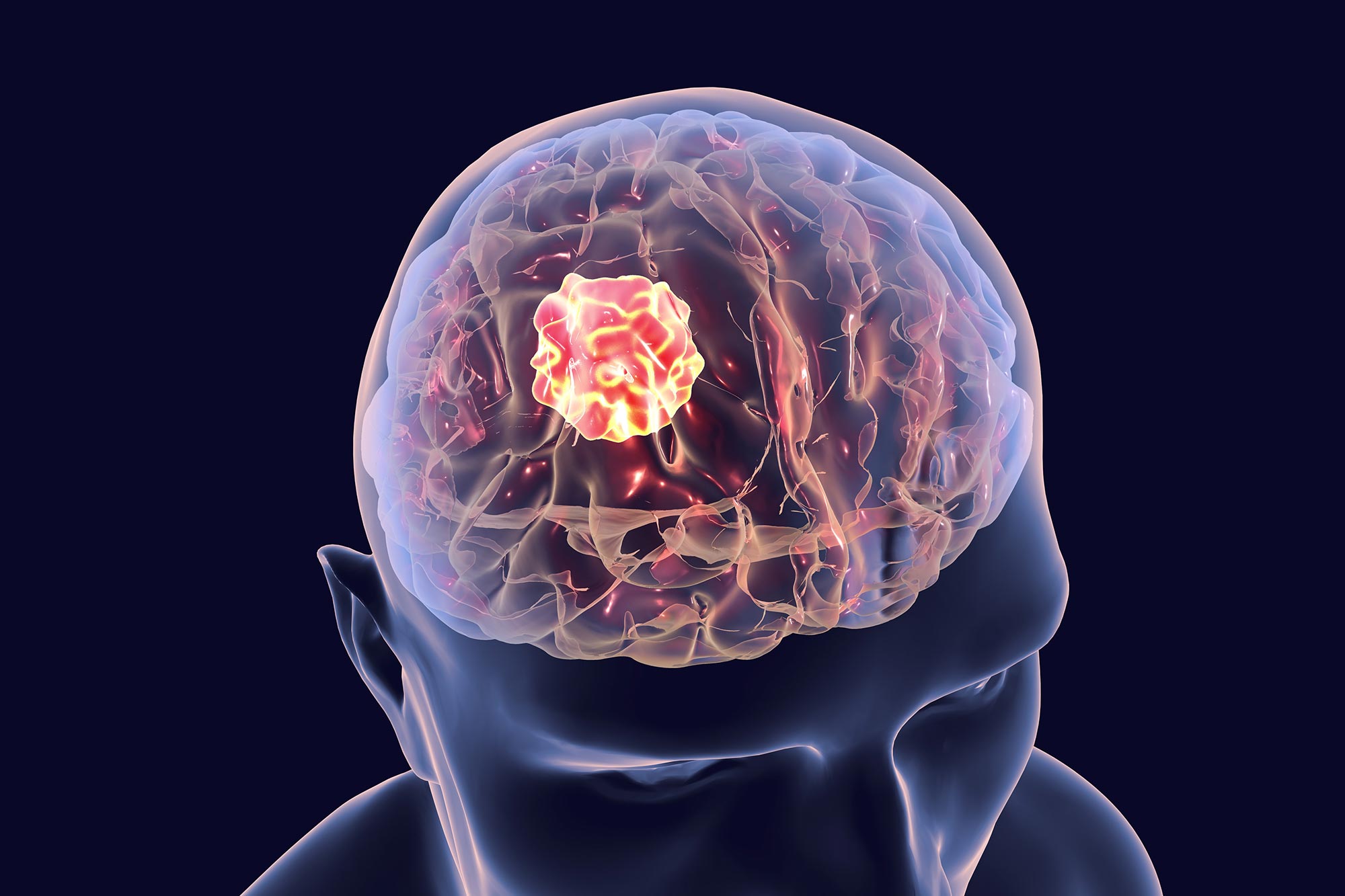
Air pollution, especially from traffic, may raise the risk of noncancerous brain tumors. Ultrafine particles appear particularly linked to meningioma.
Individuals who are exposed to elevated levels of air pollution could face a greater likelihood of developing meningioma, a usually benign brain tumor, according to a large-scale study published in Neurology Clinical Practice, a journal of the American Academy of Neurology.
Meningiomas commonly arise in the protective layers surrounding the brain and spinal cord. While the study identifies a connection between air pollution and meningioma, it does not establish a causal relationship.
Traffic-related pollutants under scrutiny
The research examined a range of air pollutants, particularly those associated with traffic, such as nitrogen dioxide and ultrafine particles, which tend to be most concentrated in urban areas.
“Many forms of air pollution have been linked to negative health outcomes, and ultrafine particles are small enough to penetrate the blood-brain barrier, potentially affecting brain tissue directly,” explained study author Ulla Hvidtfeldt, PhD, of the Danish Cancer Institute in Copenhagen. “Our findings indicate that prolonged exposure to traffic-related and other sources of air pollution may contribute to the development of meningioma, reinforcing existing evidence that air pollution can impact the brain as well as the heart and lungs.”
The study tracked nearly 4 million Danish adults, averaging 35 years of age, over a 21-year span. During this period, 16,596 individuals were diagnosed with central nervous system tumors, including 4,645 cases of meningioma.
Researchers used address histories and advanced modeling to estimate long-term exposure to air pollution.
Comparing exposure to tumor risk
The researchers estimated each participant’s average exposure over a 10-year period to several pollutants: ultrafine particles (less than 0.1 micrometers in diameter), fine particulate matter known as PM2.5 (2.5 micrometers or smaller), nitrogen dioxide (a gas primarily produced by traffic), and elemental carbon (an indicator of diesel emissions).
They then categorized participants into three groups for each pollutant, ranging from the lowest to the highest levels of exposure, to compare health outcomes across these exposure levels.
Elevated pollutant levels linked to higher risk
For example, for ultrafine particles, people in the lowest group had an average 10-year exposure of 11,041 particles per centimeter cubed (cm3) compared to people with the highest exposure of 21,715 particles/cm3. In these groups, 0.06% of people in the group with the lowest exposure developed meningiomas compared to 0.20% of people with the highest exposure.
After adjusting for factors like age, sex, education level, and neighborhood socioeconomic status, researchers found that people with higher exposure to air pollutants had a greater risk of developing meningioma:
- A 10% increase in risk for meningioma was observed for every additional 5,747 ultrafine particles per cubic centimeter (cm³).
- For fine particulate matter, risk rose by 21% for each 4.0 microgram per cubic meter (µg/m³) increase.
- Nitrogen dioxide exposure was linked to a 12% higher risk for every 8.3 µg/m³ increase.
- Elemental carbon exposure was associated with a 3% greater risk for each 0.4 µg/m³ increase.
The study did not find strong links between these pollutants and more aggressive brain tumors, such as gliomas.
“While research on the health effects of ultrafine particles is still in its early stages, these findings point to a possible link between traffic-related ultrafine particle exposure and the development of meningioma,” Hvidtfeldt said. “More research is needed to confirm these results, but if cleaning up our air can help lower the risk of brain tumors, that could make a real difference for public health.”
A limitation of the study is that pollution exposure was based on outdoor air quality near people’s homes, so it doesn’t capture all sources of personal exposure—like workplace air or time spent indoors.
Reference: “Ambient Outdoor Air Pollution and Risk of Tumors of the Central Nervous System” by Ulla A. Hvidtfeldt, Mette Sørensen, Aslak H. Poulsen, Matthias Ketzel, Jørgen Brandt, Lau C. Thygesen, Jan Wohlfahrt and Ole Raaschou-Nielsen, 9 July 2025, Neurology.
DOI: 10.1212/WNL.0000000000213920
The study was funded by the Danish Cancer Society.
Never miss a breakthrough: Join the SciTechDaily newsletter.
Follow us on Google and Google News.