
Close Menu
    Facebook X (Twitter) Instagram
    SciTechDaily
    • Biology
    • Chemistry
    • Earth
    • Health
    • Physics
    • Science
    • Space
    • Technology
    Facebook X (Twitter) Pinterest YouTube RSS
    SciTechDaily
    Home»Technology»Disabling MicroRNAs Allows Mice to Regenerate White Cells and Platelets Depleted by Chemotherapy
    Technology

    Disabling MicroRNAs Allows Mice to Regenerate White Cells and Platelets Depleted by Chemotherapy

    By Helen Dodson, Yale UniversityOctober 22, 2012No Comments3 Mins Read
    Facebook Twitter Pinterest Telegram LinkedIn WhatsApp Email Reddit
    Share
    Facebook Twitter LinkedIn Pinterest Telegram Email Reddit
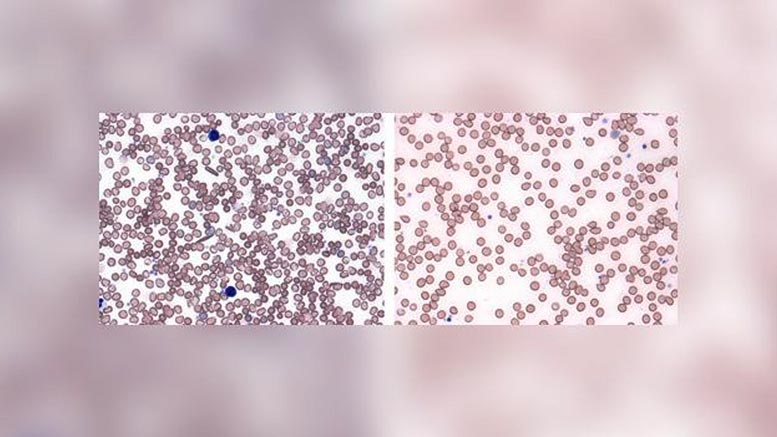
    Blood Cells Normal Chemotherapy
    The image on the left is from a mouse that is normal. The image on the right is from a mouse treated with chemotherapy. The two blue cells are white blood cells; the red cells are red blood cells. Credit: Yale University

    Using a novel technique to analyze simultaneously large numbers of microRNAs in living mice, scientists at Yale University identified and disabled miR-150, allowing mice to more efficiently regenerate white cells and platelets depleted by chemotherapy.

    Chemotherapy kills blood cells as well as cancer cells, often with fatal results. Now Yale stem cell researchers have identified a method they hope one day will help cancer patients undergoing chemotherapy maintain a healthy blood supply, they report in the October 18 issue of the journal Cell Reports.

    The team, under the direction of Jun Lu, assistant professor of genetics at the Yale Stem Cell Center and Yale Cancer Center, studies how blood cells regenerate. Lu is particularly interested in roles played by tiny bits of genetic material called microRNAs in the production of blood and the function of blood stem and progenitor cells, which help determine the type of blood cell created. Chemotherapy kills these types of progenitor cells, making it difficult for blood to regenerate. While red blood cells can be replaced by transfusions, white blood cells and platelets often do not recover well, leaving cancer patients prone to infections and bleeding.

    Using a novel technique to analyze simultaneously large numbers of microRNAs in living mice, the researchers identified several that are involved in blood formation. When they disabled one of these microRNAs, miR-150, they found that mice were able to more efficiently regenerate white cells and platelets depleted by chemotherapy. Mice without this microRNA showed no ill health effects. Conversely, mice with active miR-150 had difficulty generating new blood cells.

    “We hope that finding specific microRNAs involved in blood formation will provide us ways not only to help cancer patients survive chemotherapy, but to make chemotherapy more efficient,” Lu said.

    Reference: “An In Vivo Functional Screen Uncovers miR-150-Mediated Regulation of Hematopoietic Injury Response” by Brian D. Adams, Shangqin Guo, Haitao Bai, Yanwen Guo, Cynthia M. Megyola, Jijun Cheng, Kartoosh Heydari, Changchun Xiao, E. Premkumar Reddy and Jun Lu, 18 October 2012, Cell Reports.
    DOI:10.1016/j.celrep.2012.09.014

    Other Yale authors of the study include Brian D. Adams, Shangqin Guo, Haitao Bai, Yanwen Guo, Cynthia Megyola1, Jijun Cheng, and Kartoosh Heydari. Researchers from The Scripps Research Institute, Mount Sinai School of Medicine, and Shanghai First People’s Hospital also contributed to the study.

    Never miss a breakthrough: Join the SciTechDaily newsletter.
    Follow us on Google and Google News.

    Cancer Cells Disease Genetics Stem Cells Yale University
    Share. Facebook Twitter Pinterest LinkedIn Email Reddit

    Related Articles

    Scientists Reveal Four Genes Linked to Cystic Diseases of the Kidney and Liver

    DNA2 Molecule Helps Repair Chromosome Rearrangements Linked to Cancer

    Researchers Identify Mutations Responsible for USC Tumors

    Stem Cells Regenerate Tissue in an Uninjured Mammal

    Cdt1 Protein Has a Role in DNA Replication and Mitosis

    Evolutionary Changes Surrounding the NOS1 Gene

    New Drug Fights Cancer by ‘Hijacking’ Existing T Cells

    Obese Children with Genetic Variants Susceptible to Fatty Liver Disease

    Microfluidic Device Can Isolate Target Cells Faster than Existing Devices

    Leave A Reply Cancel Reply

    • Facebook
    • Twitter
    • Pinterest
    • YouTube

    Don't Miss a Discovery

    Subscribe for the Latest in Science & Tech!

    Trending News

    Largest-Ever Study Finds Medicinal Cannabis Ineffective for Anxiety, Depression, PTSD

    250-Million-Year-Old Egg Solves One of Evolution’s Biggest Mysteries

    Living With Roommates Might Be Changing Your Gut Microbiome Without You Knowing

    Century-Old Cleaning Chemical Linked to 500% Increased Risk of Parkinson’s Disease

    What if Your Memories Never Happened? Physicists Take a New Look at the Boltzmann Brain Paradox

    One of the Universe’s Largest Stars May Be Getting Ready To Explode

    Scientists Discover Enzyme That Could Supercharge Ozempic-Like Weight Loss Drugs

    Popular Sweetener Linked to DNA Damage – “It’s Something You Should Not Be Eating”

    Follow SciTechDaily
    • Facebook
    • Twitter
    • YouTube
    • Pinterest
    • Newsletter
    • RSS
    SciTech News
    • Biology News
    • Chemistry News
    • Earth News
    • Health News
    • Physics News
    • Science News
    • Space News
    • Technology News
    Recent Posts
    • Mystery Illness Kills 5 in Burundi As Doctors Scramble for Answers
    • Bone-Strengthening Discovery Could Reverse Osteoporosis
    • The Most Elusive Number in Physics Just Got Even More Mysterious
    • Scientists Uncover Hidden Trigger Behind Stem Cell Aging
    • Scientists Discover Coral Reefs Are Teeming With Previously Unknown Life
    Copyright © 1998 - 2026 SciTechDaily. All Rights Reserved.
    • Science News
    • About
    • Contact
    • Editorial Board
    • Privacy Policy
    • Terms of Use

    Type above and press Enter to search. Press Esc to cancel.