
Groundbreaking research identifies key molecular differences in PTSD and depression, paving the way for novel treatments.
Stress-related disorders such as post-traumatic stress disorder (PTSD) and clinical depression are complex conditions influenced by both genetics and our environment. Despite significant research, the molecular mechanisms behind these disorders have remained elusive.
However, researchers have broken new ground with a study that sheds light on the intricate differences occurring in the brains of people with PTSD and depression compared to neurotypical controls. The study, by researchers at Dell Medical School at The University of Texas at Austin, could provide potential avenues for novel therapeutics and biomarkers. The results were published recently in the journal Science.
Investigative Approach and Techniques
“Understanding why some people develop PTSD and depression and others don’t is a major challenge,” said investigator Charles B. Nemeroff, M.D., Ph.D., chair of the Department of Psychiatry and Behavioral Sciences at Dell Med. Kerry Ressler, M.D., Ph.D., chief scientific officer at McLean Hospital and professor of psychiatry at Harvard Medical School, and Joel Kleinman, M.D., associate director of clinical sciences at the Lieber Institute for Brain Development, are co-investigators in the study.
“We found that the brains of people with these disorders have distinct molecular differences, especially in the prefrontal cortex. These changes seem to affect things like our immune system, how our nerves work, and even how our stress hormones behave,” Nemeroff said.
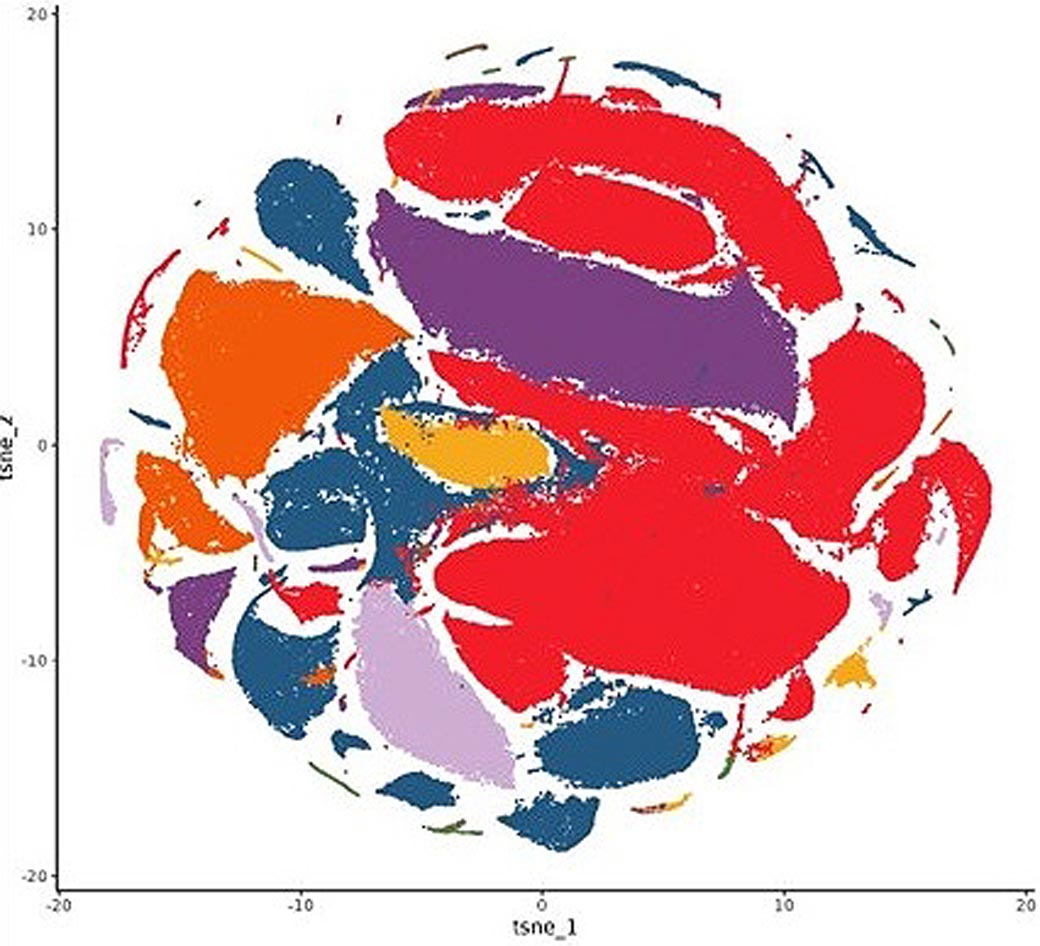
The study, which included 231 people, examined molecular changes across multiple brain regions using a cutting-edge technique called multiomic analysis. This technique integrates various layers of data, including gene structure and protein expression, providing a holistic view of molecular changes associated with PTSD and depression.
Key Discoveries and Implications
Key findings from the study include:
- Identification of specific genes and pathways associated with PTSD and depression, highlighting the role of immune mechanisms, neuronal regulation, and stress hormone signaling
- Discovery of sex-specific differences in molecular signatures, particularly pronounced in clinical depression
- Correlation between childhood trauma, suicide, and molecular variations in both disorders
- Identification of those shared and unique molecular patterns in PTSD and depression, which could help create new therapeutic avenues and develop blood-based biomarkers
Moreover, the study explored the intersection of brain multiomics with blood proteins, opening up the possibility of using blood-based biomarkers to distinguish risk from disease processes. This provides insight into the neurobiological alterations that underlie the development of PTSD and major depression, which will enable researchers to tailor specific novel and effective treatments for those disorders, Nemeroff said.
Future Directions in PTSD and Depression Research
The research team’s primary goals for the study were to understand how different genes and proteins affected the patients, and how epigenetic changes and different brain pathways related to the participants’ PTSD and depression.
“We essentially combined circuit biology with powerful multiomics tools to delve into the molecular pathology behind these disorders,” said Ressler, who is also director of the Division of Depression and Anxiety Disorders and the Neurobiology of Fear Laboratory at McLean Hospital.
Their findings offer hope for improved understanding and treatment of PTSD and depression, underscoring the importance of multiomic analysis in unraveling the complexities of psychiatric disorders.
“Learning more about the molecular basis of these conditions — PTSD and clinical depression — in the brain paves the way for discoveries that will lead to more effective therapeutic and diagnostic tools,” Kleinman said. “This work was possible because of brain tissue donations to the Lieber Institute Brain Repository from families whose loved ones died of these conditions. We hope our research will one day bring relief to individuals who struggle with these disorders and their loved ones.”
Reference: “Systems biology dissection of PTSD and MDD across brain regions, cell types, and blood” by Nikolaos P. Daskalakis, Artemis Iatrou, Chris Chatzinakos, Aarti Jajoo, Clara Snijders, Dennis Wylie, Christopher P. DiPietro, Ioulia Tsatsani, Chia-Yen Chen, Cameron D. Pernia, Marina Soliva-Estruch, Dhivya Arasappan, Rahul A. Bharadwaj, Leonardo Collado-Torres, Stefan Wuchty, Victor E. Alvarez, Eric B. Dammer, Amy Deep-Soboslay, Duc M. Duong, Nick Eagles, Bertrand R. Huber, Louise Huuki, Vincent L. Holstein, Mark W. Logue, Justina F. Lugenbühl, Adam X. Maihofer, Mark W. Miller, Caroline M. Nievergelt, Geo Pertea, Deanna Ross, Mohammad S. E. Sendi, Benjamin B. Sun, Ran Tao, James Tooke, Erika J. Wolf, Zane Zeier, PTSD Working Group of Psychiatric Genomics Consortium, Sabina Berretta, Frances A. Champagne, Thomas Hyde, Nicholas T. Seyfried, Joo Heon Shin, Daniel R. Weinberger, Charles B. Nemeroff, Joel E. Kleinman and Kerry J. Ressler, 24 May 2024, Science.
DOI: 10.1126/science.adh3707
The study was funded by a five-year National Institute of Mental Health grant.
Never miss a breakthrough: Join the SciTechDaily newsletter.
Follow us on Google and Google News.