
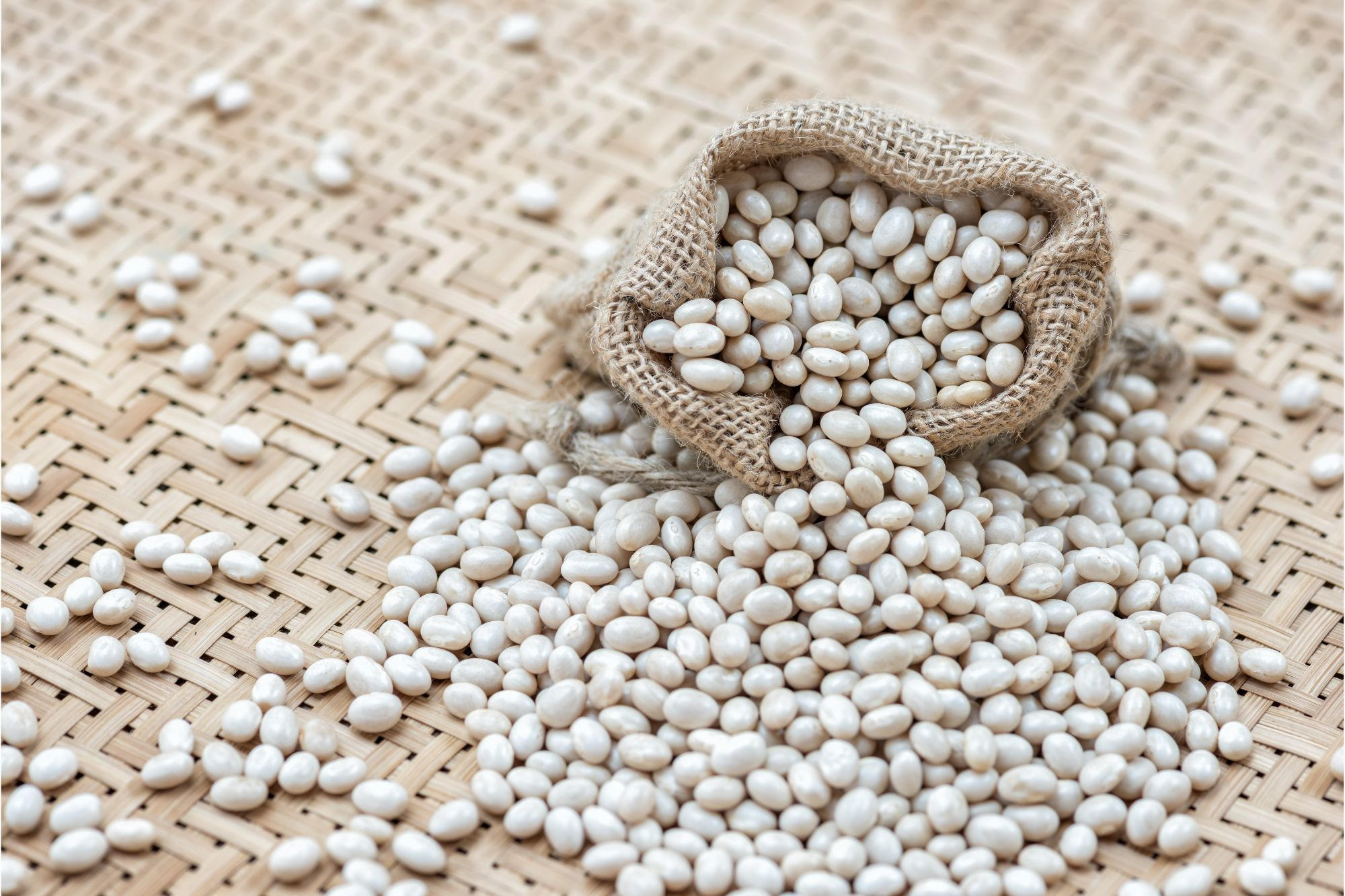
Integrating navy beans into the diet enhances the diversity of the gut microbiome, which could aid in cancer prevention and treatment.
Eating navy beans may benefit colorectal cancer survivors by improving gut health and influencing factors related to obesity and disease, according to new research from The University of Texas MD Anderson Cancer Center.
The findings published in eBIOMedicine, part of The Lancet family of journals, revealed BE GONE trial participants who added a cup of navy beans daily to their regular meals saw positive changes in their gut microbiome, which is associated with cancer prevention and improved treatment outcomes. Changes included an increase of alpha diversity, or beneficial bacteria (Faecalibacterium, Eubacterium, and Bifidobacterium) and a decrease in pathogenic, or opportunistic, bacteria.
Microbiome Diversity and Diet Intervention
“Observing a shift in microbiome diversity with diet intervention alone is rare, and this study underscores the ability of a readily available prebiotic food to bring about such changes,” said corresponding author Carrie Daniel-MacDougall, Ph.D., associate professor of Epidemiology. “Over the course of eight weeks, there was an improvement in participants’ gut health, marked by an increase in beneficial bacteria, which wards off the harmful bacteria.”

Obesity, poor diet, or gastrointestinal issues can cause disturbances in a person’s normal microbial balance. For people who have had or have CRC, these changes cause inflammation and can affect survival. Even after cancer treatment or precancerous polyp removal, a poor diet and an unbalanced gut microbiome can have negative effects on prevention efforts for both cardiovascular disease and cancer.
Nutritional Benefits of Navy Beans
Beans, particularly small white navy beans, are full of gut-supporting fibers, amino acids, and other nutrients, which can help the beneficial bacteria in your colon flourish, supporting immune health and regulating inflammation, Daniel-MacDougall explains. Despite being accessible and cost-effective, the legumes are frequently avoided by Americans due to mild or acute gastrointestinal side effects, which can be mitigated by proper preparation and consistent consumption.
Daniel-MacDougall cautions that individuals should not attempt this diet without speaking to a physician, as it could have negative impacts without proper guidance. Further study is needed in order to determine how dietary changes can be used to lower cancer risk or improve treatment outcomes.
The BE GONE Trial Methodology
The randomized BE GONE trial followed 48 men and women over age 30 who met the criteria for obesity via body mass index (BMI) or waist size and who had a history of bowel lesions. This included patients with a history of CRC (75%) and/or high-risk, precancerous polyps of the colon or rectum detected at colonoscopy. For eight weeks, participants either followed their regular diet or included a daily cup of organic, canned pressure-cooked white navy beans.
Patients were able to choose and prepare their own meals, with close follow-up and counseling from the study dietitian. Every four weeks, participants provided stool and fasting blood samples to assess shifts in the gut microbiome as well as host metabolites and markers. Participants were considered adherent if they consumed at least 80% of the beans over the intervention period and followed the prescribed regimen at least five days a week. Limitations of this study include participant aversion to continually consuming navy beans. No serious side effects were reported.
Findings and Future Research Directions
“The beans did not appear to induce gut inflammation or seriously impact bowel habits, which is crucial for CRC survivors and patients,” Daniel-MacDougall said. “However, once participants stopped eating the beans, the positive effects faded quickly, highlighting the need to educate patients on how to maintain healthy habits.”
The study highlights the therapeutic role of naturally prebiotic-rich foods, while further emphasizing the need for consistent and sustainable dietary adjustments for high-risk cancer patients. In the next steps, researchers will focus on a wider variety of prebiotic foods and how changes to the microbiome affect patients undergoing immunotherapy.
Reference: “Modulating a prebiotic food source influences inflammation and immune-regulating gut microbes and metabolites: insights from the BE GONE trial” by Xiaotao Zhang, Ehsan Irajizad, Kristi L. Hoffman, Johannes F. Fahrmann, Fangyu Li, Yongwoo David Seo, Gladys J. Browman, Jennifer B. Dennison, Jody Vykoukal, Pamela N. Luna, Wesley Siu, Ranran Wu, Eunice Murage, Nadim J. Ajami, Jennifer L. McQuade, Jennifer A. Wargo, James P. Long, Kim-Anh Do, Johanna W. Lampe, Karen M. Basen-Engquist, Pablo C. Okhuysen, Scott Kopetz, Samir M. Hanash, Joseph F. Petrosino, Paul Scheet and Carrie R. Daniel, 30 November 2023, eBioMedicine.
DOI: 10.1016/j.ebiom.2023.104873
The trial was funded by the American Cancer Society, with initial support from an MD Anderson Institutional Research Grant. Additional funding support was provided by the National Cancer Institute (NCI) (P30 CA016672), the Andrew Sabin Family Fellowship Program, the Cancer Prevention and Research Institute of Texas (CPRIT) (RP160097), and MD Anderson’s Moon Shots Program®. Study beans were independently purchased with funds from the Dry Bean Health Research Program, a peer-reviewed incentive award created by the Northarvest Bean Growers Association, Communique Inc. to identify and encourage researchers that apply for NIH-funding to support studies on beans and human health. A full list of co-authors and disclosures can be found here.
Never miss a breakthrough: Join the SciTechDaily newsletter.
Follow us on Google and Google News.