
Close Menu
    Facebook X (Twitter) Instagram
    SciTechDaily
    • Biology
    • Chemistry
    • Earth
    • Health
    • Physics
    • Science
    • Space
    • Technology
    Facebook X (Twitter) Pinterest YouTube RSS
    SciTechDaily
    Home»Health»Special Vegan Diet Found To Decrease Hot Flashes by 95%
    Health

    Special Vegan Diet Found To Decrease Hot Flashes by 95%

    By Physicians Committee for Responsible MedicineNovember 17, 2023No Comments3 Mins Read
    Facebook Twitter Pinterest Telegram LinkedIn WhatsApp Email Reddit
    Share
    Facebook Twitter LinkedIn Pinterest Telegram Email Reddit
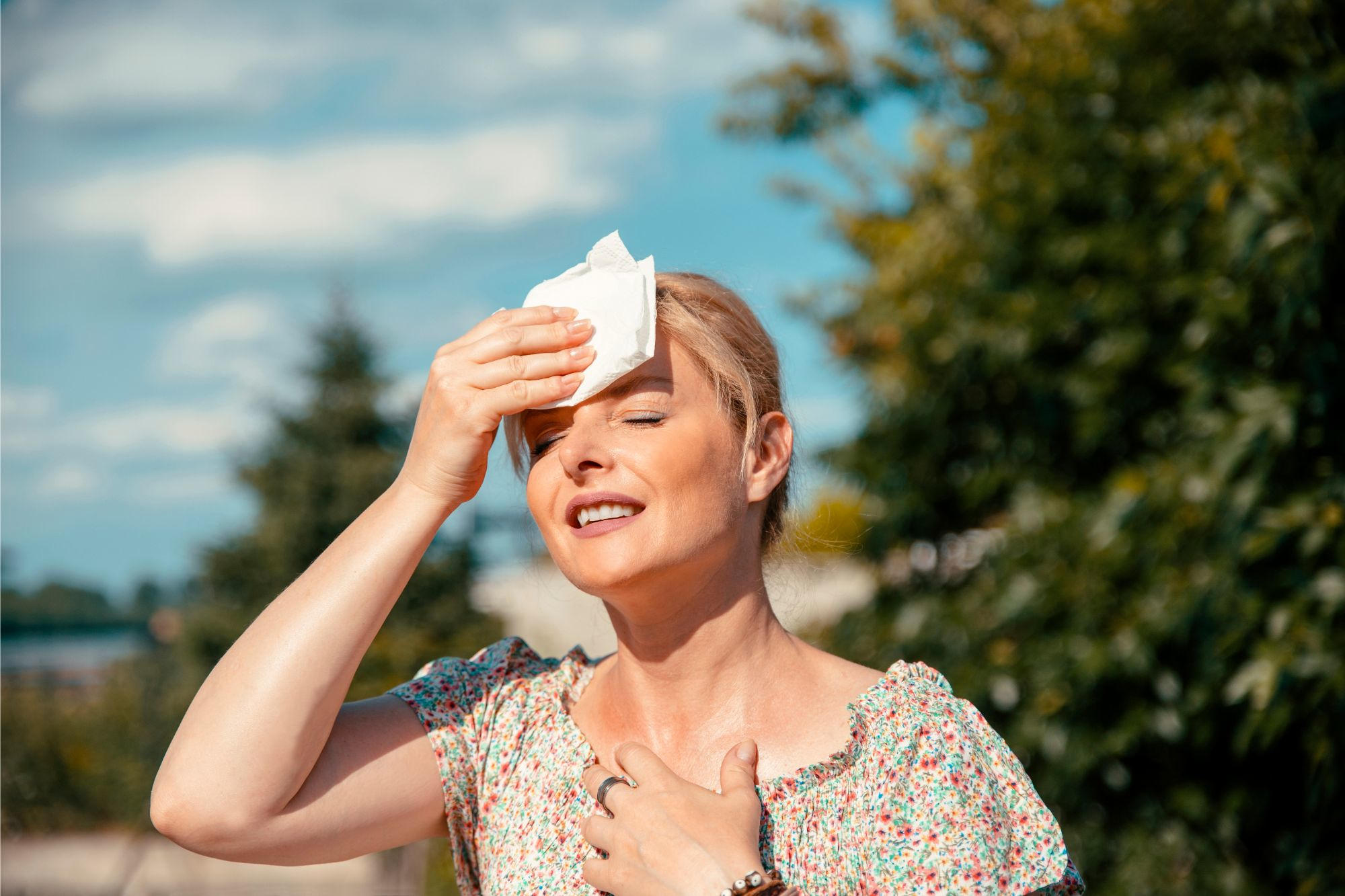
    Middle Aged Woman Hot Flashes
    A new study shows that a low-fat vegan diet significantly reduces postmenopausal hot flashes by 95% and aids in weight loss. This diet’s impact on the gut microbiome, specifically the reduction of certain bacteria, is linked to the decrease in hot flashes, indicating a potential connection between diet, gut health, and menopausal symptoms. Further research is required to fully understand these findings.

    A vegan diet with soy significantly reduced hot flashes in postmenopausal women, likely due to gut microbiome changes that lower inflammation and support estrogen balance.

    A new study by the Physicians Committee for Responsible Medicine has revealed that a low-fat vegan diet that includes soy fosters changes in the gut microbiome that decrease postmenopausal vasomotor symptoms, or hot flashes, overall by 95%.

    This diet not only completely eradicated severe hot flashes but also resulted in a 96% decrease in moderate-to-severe episodes. Furthermore, it effectively reduced both daytime and nighttime hot flashes by 96% and 94%, respectively. Additionally, participants following this diet experienced an average weight loss of 6.4 pounds (2.9 kilograms).

    “Women who want to fight hot flashes should feed the bacteria in their gut a vegan diet rich in fruits, vegetables, grains, and beans, which also leads to weight loss and protects against heart disease and type 2 diabetes,” says study co-author Hana Kahleova, MD, PhD, director of clinical research at the Physicians Committee for Responsible Medicine.

    Insights from the WAVS Trial

    The new research is a secondary analysis of the WAVS trial—the Women’s Study for the Alleviation of Vasomotor Symptoms—that the Physicians Committee previously published in the journal Menopause.

    In the study, 84 postmenopausal women reporting two or more moderate-to-severe hot flashes daily were randomly assigned to either the intervention group that was asked to follow a low-fat vegan diet, including a half cup cooked soybeans a day, or to the control group that continued their usual diets for 12 weeks.

    For the secondary analysis, stool samples from a subset of 11 participants were used to perform a gut microbiome analysis at baseline and after 12 weeks on a vegan diet. Changes in the amount of several families, genera, and species of bacteria were found.

    Link Between Gut Microbiome and Hot Flashes

    The study is the first to find that reductions in the abundance of Porphyromonas and Prevotella corporis are associated with a reduction in severe day hot flashes. Prevotella corporis has also been found in the gut of people with rheumatoid arthritis and seems to have pro-inflammatory properties.

    The decrease in the abundance of Clostridium asparagiforme was associated with a reduction in total severe and severe night hot flashes. Clostridium asparagiforme has also been found to produce trimethylamine-N-oxide, a compound associated with an increased risk of cardiovascular disease and type 2 diabetes. A decreased abundance of Clostridium asparagiforme may partially explain the beneficial effects of a plant-based diet on cardiovascular health and provide a possible link between hot flashes and incident cardiovascular disease.

    Changes in the abundance of other bacteria looked at in the study may play a role in alleviating hot flashes by stabilizing estrogen levels, reducing inflammation, and increasing satiety, among other benefits.

    The authors say that larger randomized clinical trials are needed to further investigate these findings.

    Reference: “A dietary intervention for postmenopausal hot flashes: A potential role of gut microbiome. An exploratory analysis” by Hana Kahleova, Danielle N. Holtz, Noah Strom, Alex La Reau, Sinjana Kolipaka, Natalie Schmidt, Ellen Hata, Tatiana Znayenko-Miller, Richard Holubkov and Neal D. Barnard, 8 November 2023, Complementary Therapies in Medicine.
    DOI: 10.1016/j.ctim.2023.103002

    Never miss a breakthrough: Join the SciTechDaily newsletter.
    Follow us on Google and Google News.

    Diet Gut Microbiome
    Share. Facebook Twitter Pinterest LinkedIn Email Reddit

    Related Articles

    This Simple Dietary Change Could Reverse a Common Liver Condition

    According to Scientists, This Is the Most Important Thing To Restore Your Gut Health

    New Study Links Controversial Gut Organism to Reduced Body Fat

    Eating Beans Could Aid in Cancer Prevention and Treatment

    New Study: Supplement Reduces Liver Triglycerides in People With Fatty Liver Disease

    Scientists Warn: Food Coloring Nanoparticles May Damage Human Gut

    Just a Teaspoon: Adding Herbs and Spices to Your Diet Could Improve Gut Health

    Poor Gut Health May Drive Multiple Sclerosis — But a Better Diet May Ease It

    Could Eating Tomatoes Improve Your Gut Health?

    Leave A Reply Cancel Reply

    • Facebook
    • Twitter
    • Pinterest
    • YouTube

    Don't Miss a Discovery

    Subscribe for the Latest in Science & Tech!

    Trending News

    Just 10 Minutes a Day: Scientists Say This Ancient Chinese Practice Shows Powerful Blood Pressure Benefits

    Scientists Say This Popular Food Could Help Your Body Get Rid of Microplastics

    For the First Time, ChatGPT Has Solved an Unproven Math Problem in Geometry

    This Popular Supplement May Actually Slow Biological Aging, Scientists Reveal

    Can a Common Vitamin Fight the Most Aggressive Brain Cancer?

    Scientists Discover How to Stop Vision Loss Before It Starts

    The Mediterranean Isn’t Safe: Scientists Warn of Inevitable Tsunami

    Scientists Say Washing Dishes With a Sponge Has a Concerning Side Effect

    Follow SciTechDaily
    • Facebook
    • Twitter
    • YouTube
    • Pinterest
    • Newsletter
    • RSS
    SciTech News
    • Biology News
    • Chemistry News
    • Earth News
    • Health News
    • Physics News
    • Science News
    • Space News
    • Technology News
    Recent Posts
    • Widely Available Drug Found To Ease One of Long COVID’s Most Stubborn Symptoms
    • New Study Finds Internalized Stress May Accelerate Cognitive Decline
    • Stopping Weight-Loss Drugs Like Ozempic Can Quickly Erase Heart Benefits
    • A 500-Million-Year-Old Surprise Is Forcing Scientists to Rethink Spider Evolution
    • Ancient Carbon Is Flooding Arctic Rivers As Permafrost Melts Faster
    Copyright © 1998 - 2026 SciTechDaily. All Rights Reserved.
    • Science News
    • About
    • Contact
    • Editorial Board
    • Privacy Policy
    • Terms of Use

    Type above and press Enter to search. Press Esc to cancel.