
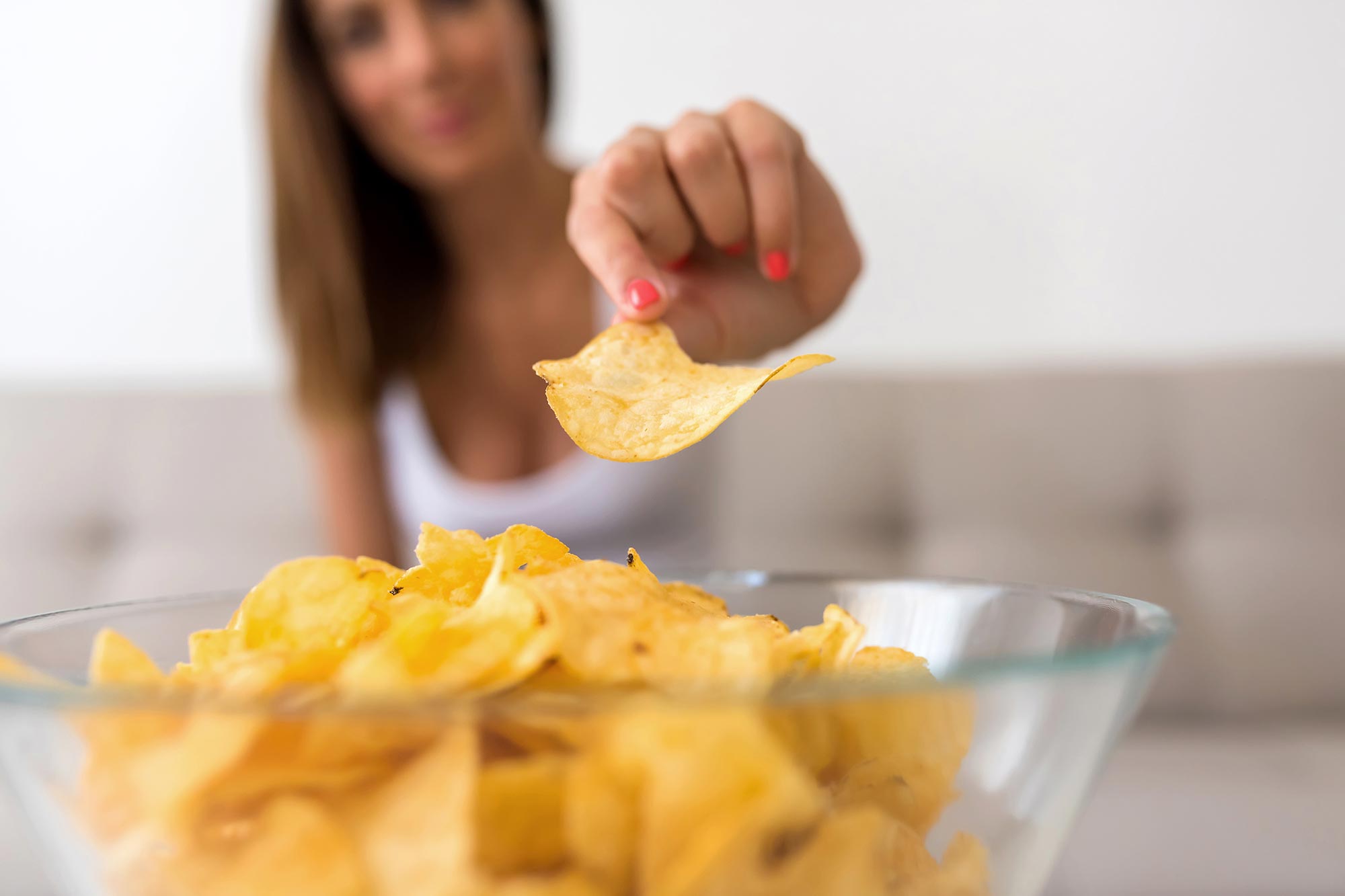
Eating more ultra-processed foods sharply raises the risk of heart attacks, strokes, and death, with each serving adding to the danger.
People who regularly ate large amounts of ultra-processed foods faced a much greater risk of serious heart problems, according to research presented at the American College of Cardiology’s Annual Scientific Session (ACC.26). Those consuming more than nine servings per day were 67% more likely to experience major cardiac events than those eating about one serving daily. Ultra-processed foods include many common packaged and convenience items such as chips, crackers, frozen meals, processed meats, sugary drinks, breakfast cereals, and breads.
The study also found that risk increased steadily with each additional serving. Every extra daily serving of ultra-processed food was linked to more than a 5% rise in the likelihood of heart attacks, strokes, or death from coronary heart disease or stroke. This connection appeared stronger among Black Americans compared with other racial groups.
“Ultra-processed foods are associated with an increased risk for heart disease, and while many of these products may seem like convenient on-the-go meal or snack options, our findings suggest they should be consumed in moderation,” said Amier Haidar, MD, a cardiology fellow at the University of Texas Health Science Center at Houston and the study’s lead author.
Large U.S. Study Confirms Growing Concerns
This research is one of the first large-scale studies to explore how ultra-processed food consumption relates to heart disease in a diverse group of U.S. adults. The results are consistent with earlier studies, most of which were conducted in Europe, and provide additional insight into risks across a broader population.
The analysis included 6,814 adults ages 45-84 years who had no history of heart disease and were part of the Multi-Ethnic Study of Atherosclerosis (MESA). Researchers used food questionnaires to estimate how much ultra-processed food each participant consumed daily. They applied the NOVA classification system, which organizes foods into four categories ranging from unprocessed or minimally processed (e.g., corn on the cob) to ultra-processed (e.g., corn chips), with moderately processed foods in between (e.g., corn starch and canned corn).
Participants with the highest intake averaged 9.3 servings of ultra-processed foods per day, while those with the lowest intake averaged 1.1 servings. Compared with the lowest group, those in the highest group had a 67% greater risk of dying from coronary heart disease or stroke, or experiencing events such as non-fatal heart attack, stroke or resuscitated cardiac arrest.
Risk Remains Even After Adjusting for Other Factors
“We controlled for a lot of factors in this study,” Haidar said. “Regardless of the amount of calories you consumed per day, regardless of the overall quality of your diet, and after controlling for common risk factors like diabetes, high blood pressure, high cholesterol and obesity, the risk associated with higher ultra-processed food intake was still about the same.”
These findings suggest that the dangers linked to ultra-processed foods may go beyond excess calories or poor nutrition alone. How foods are processed could play an important role in heart health, alongside their basic nutrient content.
Overall, each additional serving was associated with a 5.1% increase in the risk of adverse cardiac events. The increase was greater among Black Americans, with a 6.1% rise per serving compared with 3.2% among non-Black individuals. Researchers noted that targeted marketing and limited access to less-processed foods in some communities may contribute to these differences in consumption and health outcomes.
Study Limitations and Possible Biological Effects
The researchers acknowledged several limitations. The MESA study was not originally designed to specifically measure ultra-processed food intake, and the dietary data relied on participants’ self-reported questionnaires. Intake was measured by servings rather than tracking individual food items.
Although the study did not directly investigate biological mechanisms, earlier research suggests several possible explanations. Ultra-processed foods tend to be high in calories, added sugars and fats, and may affect feelings of fullness and metabolism. These factors can promote weight gain, inflammation, and the buildup of visceral fat, all of which increase the risk of heart disease.
How to Reduce Risk Through Food Choices
Haidar emphasized the importance of paying attention to both food choices and nutrition labels. Labels provide key details about added sugar, salt, fat, and carbohydrates, which are often present in higher amounts in ultra-processed foods compared with options like plain oatmeal, nuts, beans, and fresh or frozen produce.
The ACC published a 2025 Concise Clinical Guidance report in JACC endorsing a standardized front-of-package labeling system to help make sure that healthier choices are more visible, accessible, and achievable for all consumers.
This study was published simultaneously in JACC Advances.
Reference: “Association Between Ultraprocessed Food Consumption and Cardiovascular Disease Risk: MESA (Multiethnic Study of Atherosclerosis)” by Amier Haidar, Rishi Rikhi, MS, Karol E. Watson, Alexis C. Wood and Michael D. Shapiro, DO, MCR, , JACC: Advances.
DOI: 10.1016/j.jacadv.2025.102516
Never miss a breakthrough: Join the SciTechDaily newsletter.
Follow us on Google and Google News.
2 Comments
Just another well intended fatally flawed exercise in futility and a waste of time and money. None of mainstream medicine ignored sub-acute (nearly subclinical) non-IgE-mediated practically harmless individual food (minimally) allergy reactions (Dr. Arthur F. Coca (by 1935; “The Pulse Test,” 1956), officially (FDA in the US) approved allergy aggravating (e.g., extend/intensify chronic low-grade inflammation) food poisoning (soy, TBHQ and MSG, minimally) and/or excessive related/resultant medical errors were factored-in. Don’t blame the calories, carbohydrates, fats, salt and/or natural sugars for what mainstream medicine ignorance and incompetence and officially approved food poisoning can cause, even in moderation.
Ultra processed food is about profit not nutrition. Try to avoid it whenever you can.