
The research has prompted scientists to recommend thorough testing of materials proposed as plastic alternatives before their widespread use in various products.
A new study suggests that bio-based materials, intended to replace conventional plastics, could pose a higher health risk to some of the planet’s most vital species.
Such materials are increasingly being advocated as environmentally friendly alternatives to plastics, and used in textiles and products including clothing, wet wipes, and period products.
However, microfibres of the materials are emitted into the environment through the laundry cycle, the application of sewage sludge as fertilizers, or the simple wear and tear of textile products.
Despite increasing quantities of bio-based products being produced and sold all over the world, there has been little research to assess their potential impact on species and ecosystems.
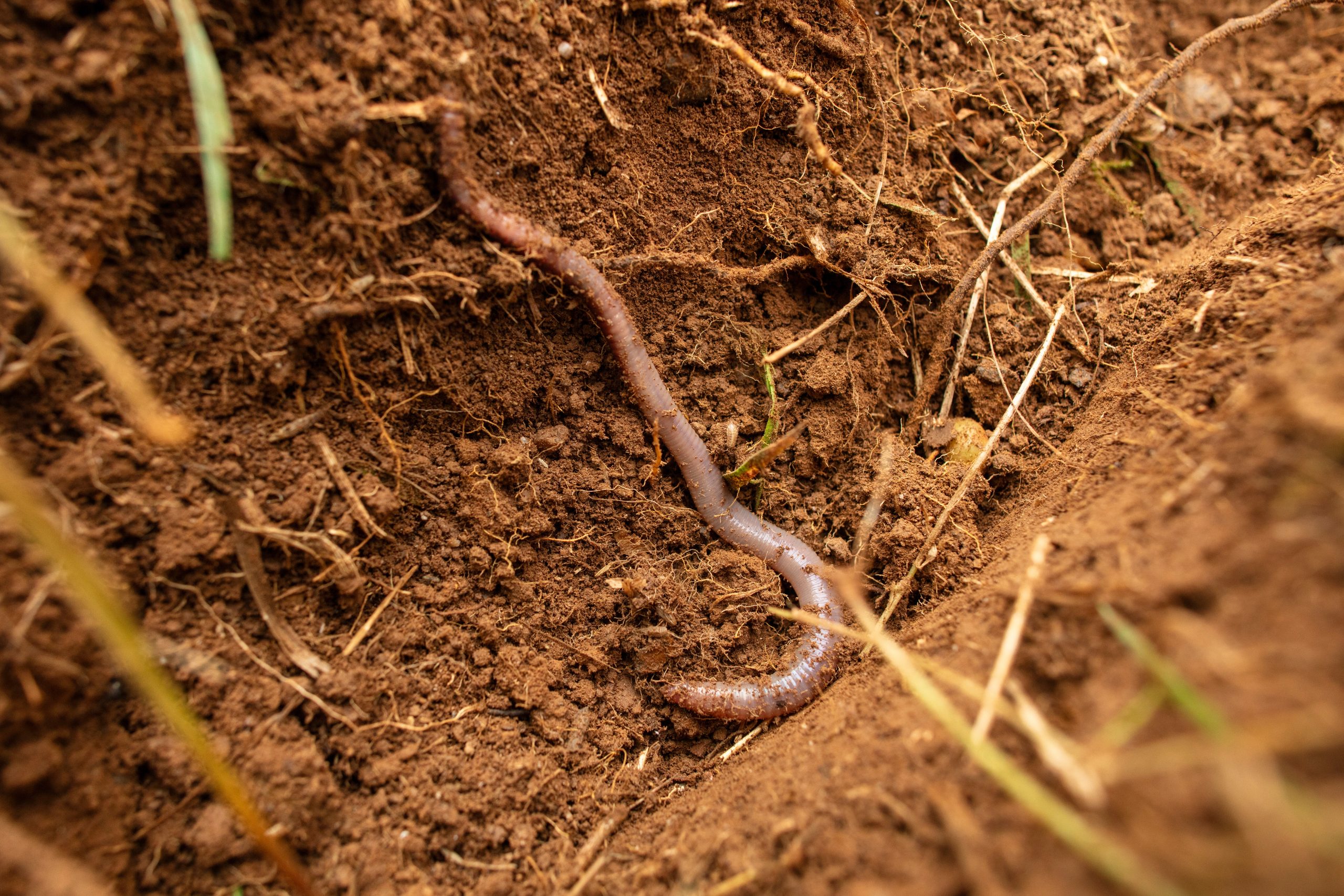
To address that, a new study in the journal Environmental Science and Technology tested the effects of conventional polyester fibers and two bio-based fibers –viscose and lyocell – on earthworms, a species critical to the health of soils globally.
The study found that in high concentrations of fibers, 30% of earthworms died after 72 hours when exposed to polyester, while those exposed to the bio-based fibers experienced much higher mortality of up to 60% in the case of lyocell and 80% for viscose.
Long-Term Effects on Earthworm Reproduction and Growth
A second experiment, using environmentally relevant concentrations of the fibers, indicated that earthworms housed in soils containing viscose fibers exhibited reduced reproduction compared to those exposed to polyester fibers. Earthworms in the soils containing lyocell fibers showed reduced growth and also higher rates of burrowing within the soil compared to exposure to the other types of fiber.
The researchers say the study highlights the complex nature of global efforts to reduce the threat of microplastic pollution, and the importance of testing new materials being advocated as alternatives to plastics before they are released on the open market.
The study was carried out as part of the BIO-PLASTIC-RISK project, led by researchers at the University of Plymouth and the University of Bath, and supported with £ 2.6 million funding by the Natural Environmental Research Council.
Calls for Further Research and Regulatory Oversight
Dr Winnie Courtene-Jones, lead author on the new study and now a Lecturer in Marine Pollution at Bangor University, said: “Over 320,000 tonnes of bio-based and biodegradable fibers were produced globally in 2022 and research shows that substantial quantities of that will end up in the environment. However, evidence of their ecological impacts has been lacking. Our study has shown that bio-based fibers have a range of adverse effects on earthworms – animals which are critical to the functioning of the environment. It highlights the importance of gathering further evidence before alternatives to conventional plastics are made available even more widely.”
The new study follows research published earlier in 2024 which highlighted that being exposed to the materials used in biodegradable teabags can result in earthworm populations experiencing up to 15% greater mortality, and have a detrimental effect on earthworm reproduction.
It has been published just a few weeks before the United Nations gathers world leaders meet in Busan, South Korea, for the final round of negotiations regarding a possible Global Plastics Treaty.
Professor Richard Thompson OBE FRS, senior author on the new study and Head of the University of Plymouth’s International Marine Litter Research Unit, will be at those discussions along with policymakers, scientists, and other delegates from across the world.
He added: “It is clear that along with recycling and re-use, tackling plastic pollution will require a reduction in the quantities of plastics used and produced. There is increasing interest in alternative materials that could be used as substitutes for plastic, but this publication further emphasizes the importance of testing new innovations in relevant environmental settings prior to widescale adoption. I firmly believe it is possible to tackle the plastic pollution crisis, but independent scientific evidence will be critical in helping us avoid unintended consequences as we look for solutions.”
Reference: “Are Biobased Microfibers Less Harmful than Conventional Plastic Microfibers: Evidence from Earthworms” by W. Courtene-Jones, F. De Falco, F. Burgevin, R. D. Handy and R. C. Thompson, 5 November 2024, Environmental Science & Technology.
DOI: 10.1021/acs.est.4c05856
Funding: UK Research and Innovation
Never miss a breakthrough: Join the SciTechDaily newsletter.
Follow us on Google and Google News.
7 Comments
“Environmentaly friendly” has nothing to do with being friendly to the environment. It’s a sales ploy and little else. You just say the magic words and people, usually governments, start throwing money at you…
maybe we should compare about this material vs plastic, which one has more negative impact for our environment? and also we can testing it to the other animals.
Cool, then just use cotton and linen
This is very frustrating because many of us are trying to improve the environment and then you toss out a single article probably without substantial scientific backing and it allows those who want to continue consuming plastic crap to feel justified. I think you need to take responsibility for derailing or attempting to derail Environmentally friendly policies. I do know that you said we need more research and I think that’s true, but this is just an opportunity for those idiots out there to justify their disgusting habits more.
To me it is obvious that plastic is bad, I do not need studies to tell me that chemical mixture is terrible and carcinogenic. Many other items created by man is terrible and dangerous to our health. However, the corrupt and wealthy do not care. They will continue to push their money making products into our lives and provide little or no options. This is our future. An article is not going to do much to improve or destroy our future.
We will die, we will do little to improve our longevity. We will continue to use terrible and even more dangerous chemicals. No one is looking out for us. We are always for sale as far as our health. Just look at what is considered fine or safe practices. Look at the products sold at our stores. We have stuff on our shelves other countries will not put in their grocery stores. You think this article will change our world is sweet.
The chair person who heads UK R and I who funded the reasurch works for Shell.
That explains it, unfortunately.