
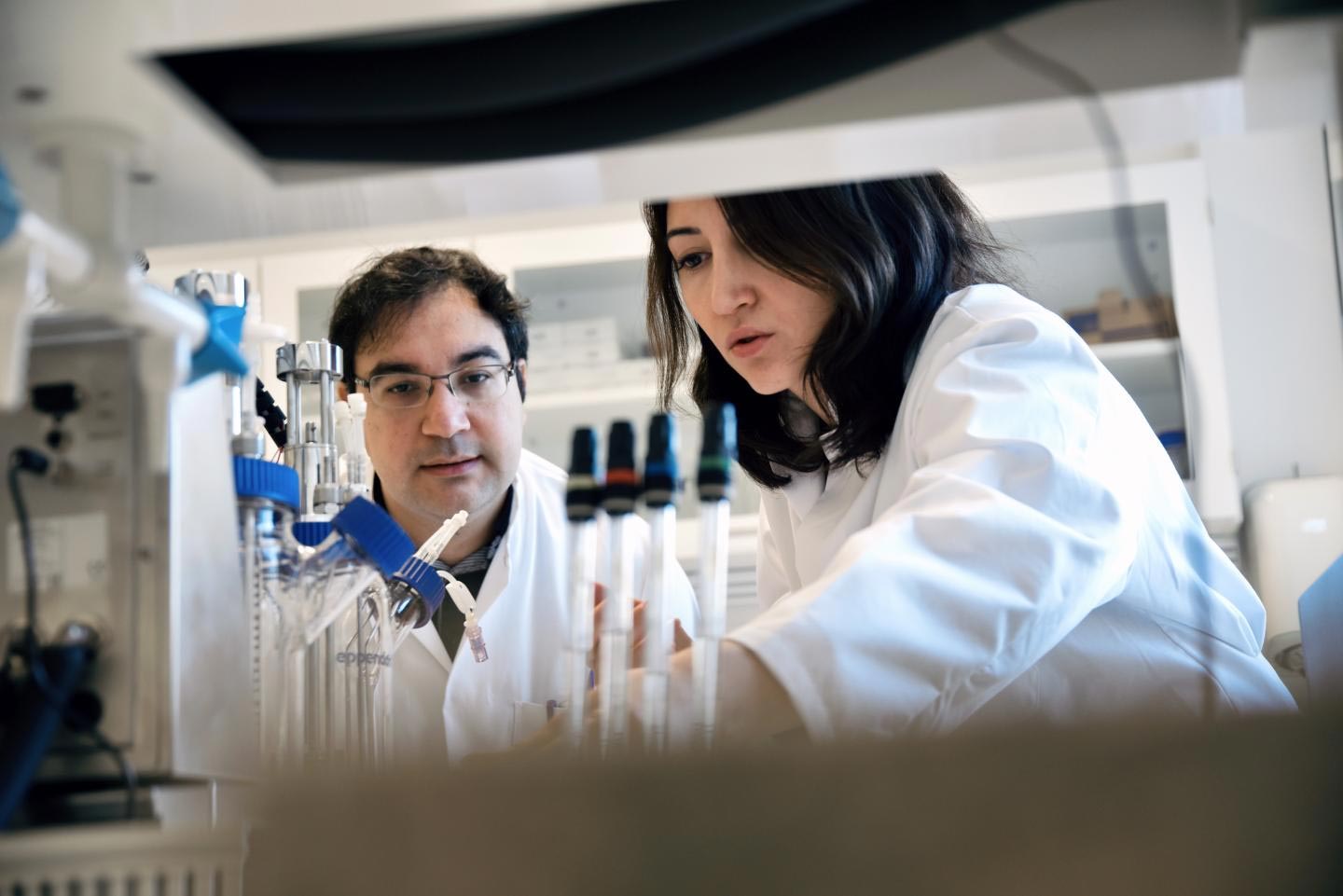
Researchers have found an unusual, light-dependent enzyme in microalgae. A new project at the Department of Engineering, Aarhus University, will use the enzyme in a system to produce drop-in fuels from waste oils and fats.
A grant of DKK 3 million (EUR 0.4 million) from the Novo Nordisk Foundation will kick-start a new research project at Aarhus University aiming to develop a system that, via completely natural processes, converts organic waste into sustainable biofuel we can pump directly into our cars.
It may sound too good to be true, but it’s not.
The focal point is a special light-dependent enzyme, which was first discovered about two years ago. The enzyme is found in microalgae and it has the particular characteristic that, with light as the only source of energy, it can decarboxylate fatty acids into alkanes, and thereby synthesize biofuel.
Compatible with society
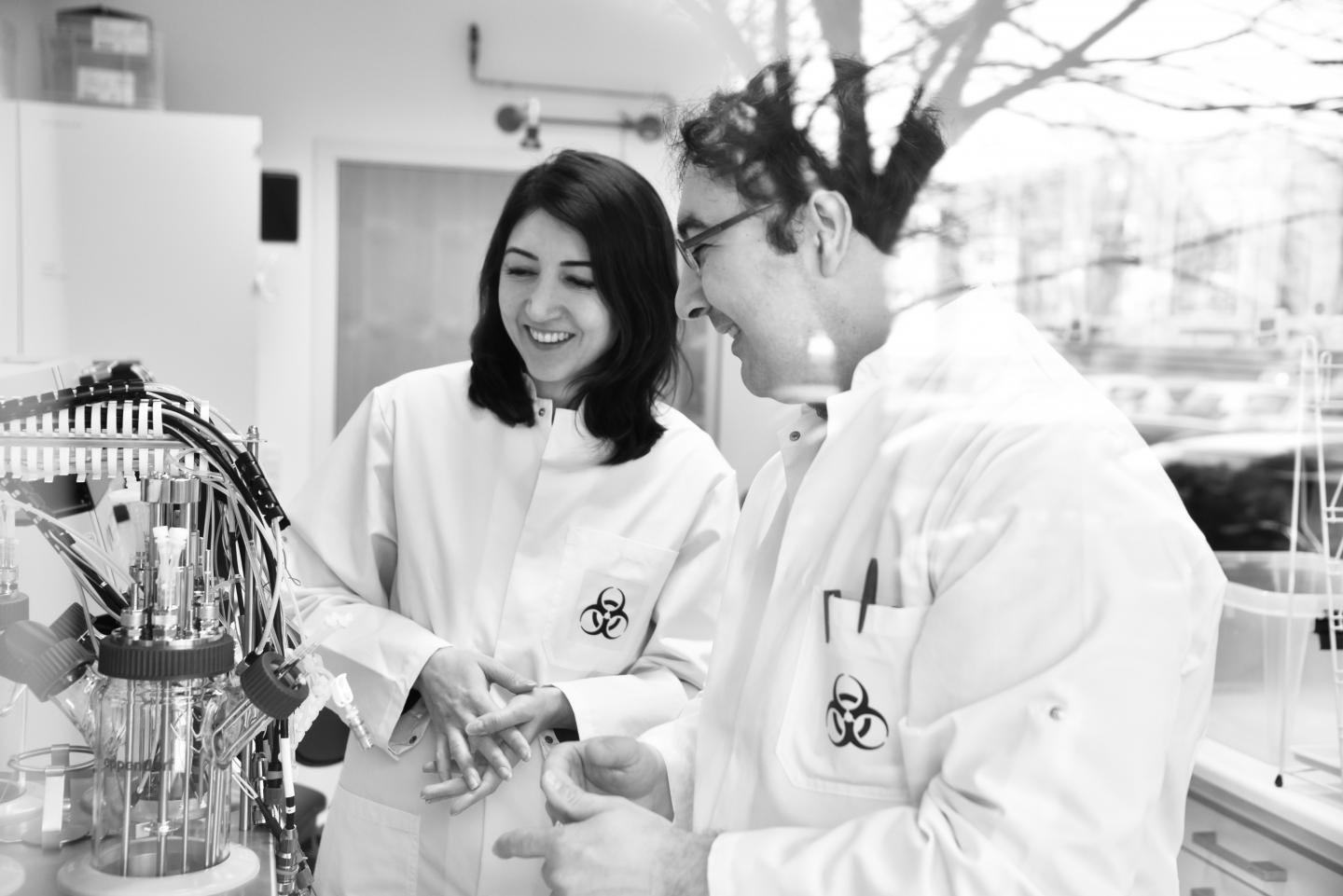
“The project covers all stages of the process, from selection of the best mutant of the enzyme to development of the flow system itself, which, via photobiocatalysis, will convert organic waste oils and fats into different biofuels in a continuous flow,” says Assistant Professor Bekir Engin Eser from the Department of Engineering at Aarhus University.
These are the so-called drop-in biofuels, which are functionally equivalent to fossil fuels and are fully compatible with the existing petroleum infrastructure used in society.
In other words, this means that the sustainable biofuel extracted in this process can be used more or less directly in existing engines, so ordinary petrol and diesel vehicles can begin to run on a largely carbon-neutral green fuel.
Production has to be in a single, continuous flow in which waste stream is added at one end and, via enzymatic photobiocatalysis with the algae enzymes, is converted into fuel that comes out at the other end.
Mutation portfolio
However, before we get that far, a great many processes have to be linked together.
At the moment, the enzyme produces alkanes of different lengths. The goal is to develop variants of the enzyme by protein engineering, so that we can adjust the individual production of alkanes to a kind of portfolio:
“So far, no one has tried to specialize the enzyme to create the product portfolio we want. For this reason, part of this project is to build a mutation library of the enzyme, so that, using different systems, we can make either diesel, petrol or jet fuel in one process,” says Associate Professor Selin Kara, who is heading the project.
As biofuel based on waste oil and fat could become a significant part of the energy market of the future, the technology will have to be scaled up:
“The system has to be very, very efficient, because enormous amounts have to be produced if we are to get industry interested in this transition,” says Associate Professor Selin Kara.
Facts
The project will develop a multi-enzymatic reaction sequence that can produce drop-in biofuel from waste oils and fats, and which has the potential to reduce the use of fossil fuels.
Using a light-dependent enzyme found in microalgae, it is possible to decarboxylate fatty acids to hydrocarbons of different lengths. By selecting natural enzyme mutations, the researchers expect to be able to develop enzyme variants that are specific to short, medium or long-chain hydrocarbons to meet different fuel needs.
Project name: Light-dependent multi-enzymatic synthesis of biofuels from sustainable resources
Grant number: NNF19OC0057522
Budget: DKK 3 million
Never miss a breakthrough: Join the SciTechDaily newsletter.
Follow us on Google and Google News.
1 Comment
This is a great discovery for the palm oil/biofuel industry. Come to Malaysia – especially the state of Sabah – to seek a R&D partner. Begin with high free fatty acid (FFA; sludge) oil from palm oil mills or palm fatty acid distillate (PFAD) oil from refineries. And don’t worry about alkane chain lengths. They can be fractionated by distillation.