
Close Menu
    Facebook X (Twitter) Instagram
    SciTechDaily
    • Biology
    • Chemistry
    • Earth
    • Health
    • Physics
    • Science
    • Space
    • Technology
    Facebook X (Twitter) Pinterest YouTube RSS
    SciTechDaily
    Home»Health»Epidemiologists Trying to Track Down Novel Coronavirus
    Health

    Epidemiologists Trying to Track Down Novel Coronavirus

    By SciTechDailyDecember 1, 2012No Comments2 Mins Read
    Facebook Twitter Pinterest Telegram LinkedIn WhatsApp Email Reddit
    Share
    Facebook Twitter LinkedIn Pinterest Telegram Email Reddit
    Coronavirus SARS
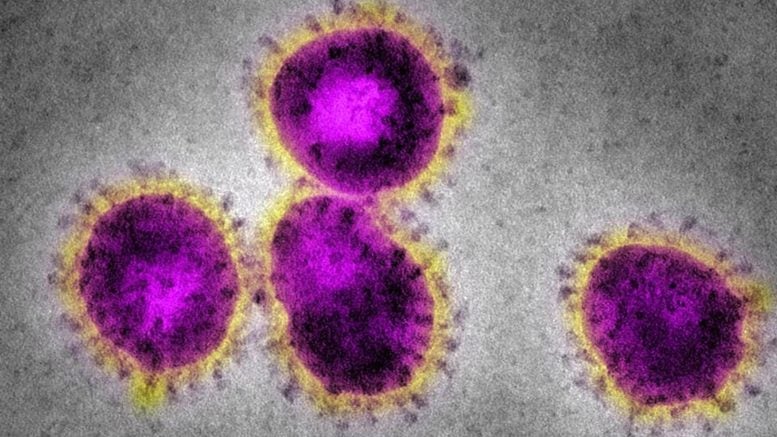
    Electron micrograph of Coronavirus, the cause of Severe Acute Respiratory Syndrome (SARS).

    The new coronavirus, linked to different cases in Qatar and Saudi Arabia, was named HCoV-EMC, short for human coronavirus and the Erasmus Medical Center in Rotterdam, the Netherlands.

    The current situation has reminded many of the SARS outbreak of 2003, which spread from China to as far as Toronto and killed 916 people. The most recent coronavirus seems to be emerging slower than SARS and to date, only six cases have been reported. Two of the infections were fatal. There is a growing concern that the virus could start spreading from person to person, fanning out to infect more people around the globe.

    The recently discovered cluster of illnesses in Saudi Arabia has raised these concerns. Four men living in the same house became sick with similar symptoms over a short period of time. Two tested positive for the virus. The other two, one of whom died, are classified as probable cases.

    The source of the infection and the incubation period still remain unclear, so there might not be a definite answer about whether these family members were infected from a common source. The WHO has prompted countries to cast a wider net to search for additional cases. The source is probably more widespread than initially believed. Researchers are also wondering if this is actually a new virus or just newly come into view. If new, concerns about the virus should remain high. However, if this virus has been infecting people for years, and has only been spotted because of two severe cases, then it might be less of a threat.

    Patients with similar symptoms should be tested if they are infected with the EMC virus. Britain has been testing returning sick pilgrims returning from this year’s Hajj. So far, there have been no additional cases.

    There is no serological test for the virus, but this could soon change as HPA scientists are close to developing a blood test for the virus and it’s hoped that it will be ready by Christmas.

    Another possibility is that the virus is new to humans, and comes from an animal source. It’s been hypothesized by virologists at Erasmus Medical Center that this coronavirus probably came from bats, possibly by direct contact or through fruit that was contaminated by their urine or saliva.

    Never miss a breakthrough: Join the SciTechDaily newsletter.
    Follow us on Google and Google News.

    Epidemiology Influenza Virology Virus
    Share. Facebook Twitter Pinterest LinkedIn Email Reddit

    Related Articles

    H5N1 Work Will Probably Continue

    Cases of New Coronavirus Announced By WHO

    FDA States Deadly Meningitis Outbreak Tied to More Drugs

    New Coronavirus Could Infect Millions During Hajj in Saudi Arabia

    West Nile Virus Might Be Linked to Kidney Problems

    Monkeys Cured of Ebola Zaire Virus With Antibody Cocktail

    Central American Bats Harbor a New Subtype of Influenza

    Visual Science’s Ebolavirus 3D Model is 10 Times More Complex Than Their HIV Model

    Ruminant Orthobunyavirus Takes Northern Europe By Surprise

    Leave A Reply Cancel Reply

    • Facebook
    • Twitter
    • Pinterest
    • YouTube

    Don't Miss a Discovery

    Subscribe for the Latest in Science & Tech!

    Trending News

    Once-in-a-Century Impact: NASA Just Found a Massive New Crater on the Moon

    Anak Krakatau Just Blasted Ash 50,000 Feet Into the Sky

    NASA’s Chandra Reveals Galaxies Being Torn Apart, Blasted by Black Holes, and Reborn in Stars

    Ozempic’s Active Ingredient Shows Surprising Anti-Aging Effects

    Scientists Discover Canada’s First Dinosaur Tracks From a Rarely Documented Cretaceous Age

    Astronomers Just Caught a Giant Planet in the Act of Forming

    Two Dead Stars Are Racing Around Each Other Every 6.2 Minutes

    Natural Compound May Help Protect the Brain and Heart From Excess Salt

    Follow SciTechDaily
    • Facebook
    • Twitter
    • YouTube
    • Pinterest
    • Newsletter
    • RSS
    SciTech News
    • Biology News
    • Chemistry News
    • Earth News
    • Health News
    • Physics News
    • Science News
    • Space News
    • Technology News
    Recent Posts
    • A Diamond Smaller Than a Grain of Rice Could Transform Heart Monitoring
    • Tiny Diamond Beams Could Unlock More Powerful Quantum Networks
    • The Disconnection of the Large Hadron Collider Has Begun
    • Scientists Discover a New Potential Treatment Target for High Blood Pressure
    • Researchers Find a Surprising Link Between Bone Density and Brain Aging
    Copyright © 1998 - 2026 SciTechDaily. All Rights Reserved.
    • Science News
    • About
    • Contact
    • Editorial Board
    • Privacy Policy
    • Terms of Use

    Type above and press Enter to search. Press Esc to cancel.