
Close Menu
    Facebook X (Twitter) Instagram
    SciTechDaily
    • Biology
    • Chemistry
    • Earth
    • Health
    • Physics
    • Science
    • Space
    • Technology
    Facebook X (Twitter) Pinterest YouTube RSS
    SciTechDaily
    Home»Science»European Union’s Initiative to Clean Up Waterways Faces Opposition
    Science

    European Union’s Initiative to Clean Up Waterways Faces Opposition

    By SciTechDailyNovember 21, 2012No Comments3 Mins Read
    Facebook Twitter Pinterest Telegram LinkedIn WhatsApp Email Reddit
    Share
    Facebook Twitter LinkedIn Pinterest Telegram Email Reddit
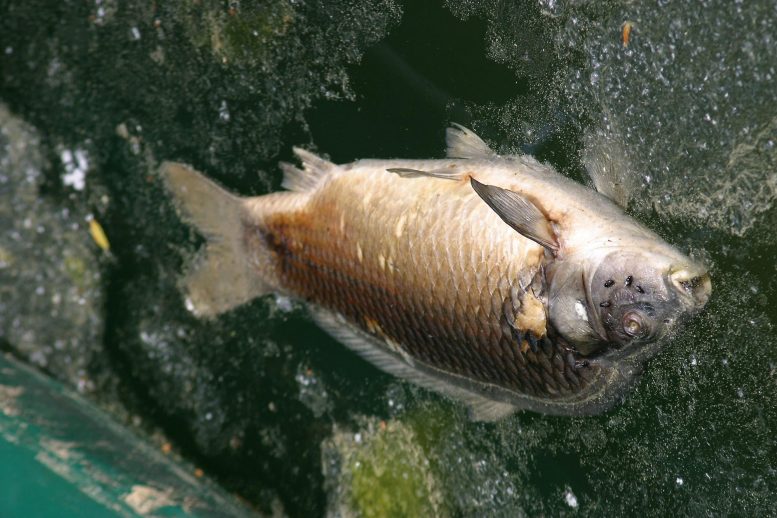
    Dead Fish
    European proposals to regulate pharmaceuticals in aquatic organisms could already be dead in the water.

    The EU is about to stop a precedent-setting initiative that was designed to tackle a common side effect of drugs, their impact on aquatic life. The landmark regulations intended on cleaning up Europe’s waterways of pharmaceuticals is likely to be quashed when it reaches a key vote in the EU Parliament next week.

    The proposal would limit the concentrations in water of widely-used contraceptives and anti-inflammatory drugs, and it has sparked intense lobbying by the water and pharmaceutical industries which state that the science is uncertain and costs are too high.

    EU member states, alarmed by the cost of estimates of tens of billions of euros, seem to have agreed. While researchers and environmentalists question these estimates, and argue that it should be judged on the strong scientific science behind it, rather than financial concerns.

    Many of the EU’s rivers are home to male fish that are intersex, which means that they display female sexual characteristics, including female reproductive anatomy. Some males also produce vitellogenin, a protein found in eggs that can be induced in males by high hormone exposure. The UK found that in 2004, 86% of the fish sampled at 51 sites around the country were intersex.

    Toxicologists think that this is due to the endocrine-disrupting chemicals, which are the active ingredient in contraceptive pills. Ethynyl oestradiol (EE2) is excreted by people using the contraceptive pill, and manages to get into the waterways.

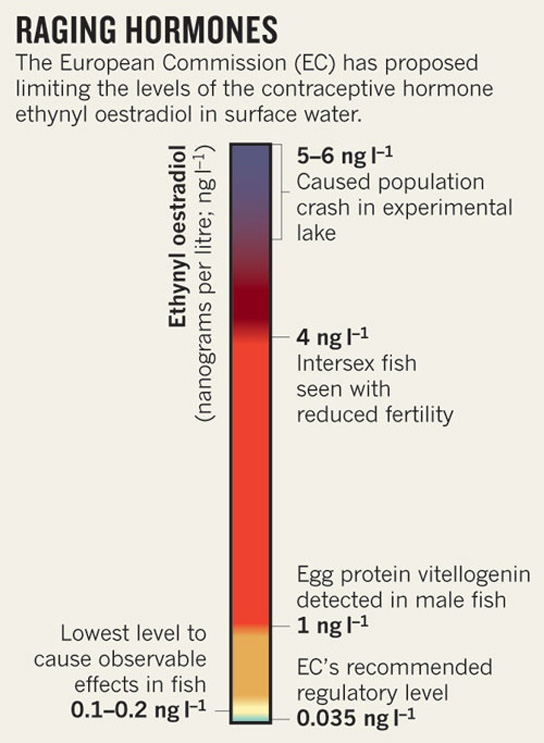
    In January, the EU proposed that its member states limit the drug’s annual average concentrations in surface waters to no more than 0.035 nanograms per liter. The European Commission also asked lawmakers to take action on diclofenac, an anti-inflammatory drug that disrupts cell function in the liver, kidneys, and gills of fish.

    This EE2 standard would have represented a severe cut in pollution levels. If the European Parliament’s environment committee rejects the bill, then it would be doomed in the full parliamentary vote scheduled for next year. This outcome is now highly likely, based on previous committee discussions. The vote and discussion is set to take place on November 28.

    Upgrading the wastewater treatment technology could eliminate most of the pollution. The water and pharmaceutical industries acknowledge that EE2 is present in rivers and that it is responsible for intersex fish. However, they state that there is little evidence of harm, noting that none of Europe’s freshwater fish populations are plummeting.

    Some of the member states argue for more evidence of harmful effects, while some think that any standard for pharmaceuticals in water should be delayed until 2027.

    A study on fathead minnows (Pimephales promelas) in a lake in Canada has shown that exposure to high levels of EE2 triggered a population crash.
    EC-law-pollution-pharmaceuticals
    European Commission’s proposed water standards. Credit: Infographic via Nature

    Never miss a breakthrough: Join the SciTechDaily newsletter.
    Follow us on Google and Google News.

    Contamination Endocrine Fish Pharmaceuticals Pollution Waterways
    Share. Facebook Twitter Pinterest LinkedIn Email Reddit

    Related Articles

    The Health Challenges of the Growing Class of Megacities

    Nanoparticle Pollution Affects Crop Growth

    Pterosaur Rhamphorhynchus Being Eaten by Ganoid Fish Aspidorhynchus Fossilized

    Groundwater Susceptible to Radium Contamination

    Natural Gas Mining Could Leak Enough Methane, No Longer Considered as Clean

    Intercontinental Crop Losses Caused by Ozone

    Asia’s Coal Use Up 500% Since 1980

    Male Guppies Keep Their Females Happy By Avoiding Change

    Da Vinci’s Last Supper Threatened By Air Pollution

    Leave A Reply Cancel Reply

    • Facebook
    • Twitter
    • Pinterest
    • YouTube

    Don't Miss a Discovery

    Subscribe for the Latest in Science & Tech!

    Trending News

    Millions Take These IBS Drugs, But a New Study Finds Serious Risks

    Scientists Unlock Hidden Secrets of 2,300-Year-Old Mummies Using Cutting-Edge CT Scanner

    Bread Might Be Making You Gain Weight Even Without Eating More Calories

    Scientists Discover Massive Magma Reservoir Beneath Tuscany

    Europe’s Most Active Volcano Just Got Stranger – Here’s Why Scientists Are Rethinking It

    Alzheimer’s Symptoms May Start Outside the Brain, Study Finds

    Millions Take This Popular Supplement – Scientists Discover a Concerning Link to Heart Failure

    The Universe Is Expanding Too Fast and Scientists Can’t Explain Why

    Follow SciTechDaily
    • Facebook
    • Twitter
    • YouTube
    • Pinterest
    • Newsletter
    • RSS
    SciTech News
    • Biology News
    • Chemistry News
    • Earth News
    • Health News
    • Physics News
    • Science News
    • Space News
    • Technology News
    Recent Posts
    • Scientists Say Adding This Unusual Seafood to Your Diet Could Reverse Signs of Aging
    • U.S. Waste Holds $5.7 Billion Worth of Crop Nutrients
    • Scientists Say a Hidden Structure May Exist Inside Earth’s Core
    • Doctors Surprised by the Power of a Simple Drug Against Colon Cancer
    • Why Popular Diabetes Drugs Like Ozempic Don’t Work for Everyone: The “Genetic Glitch”
    Copyright © 1998 - 2026 SciTechDaily. All Rights Reserved.
    • Science News
    • About
    • Contact
    • Editorial Board
    • Privacy Policy
    • Terms of Use

    Type above and press Enter to search. Press Esc to cancel.