
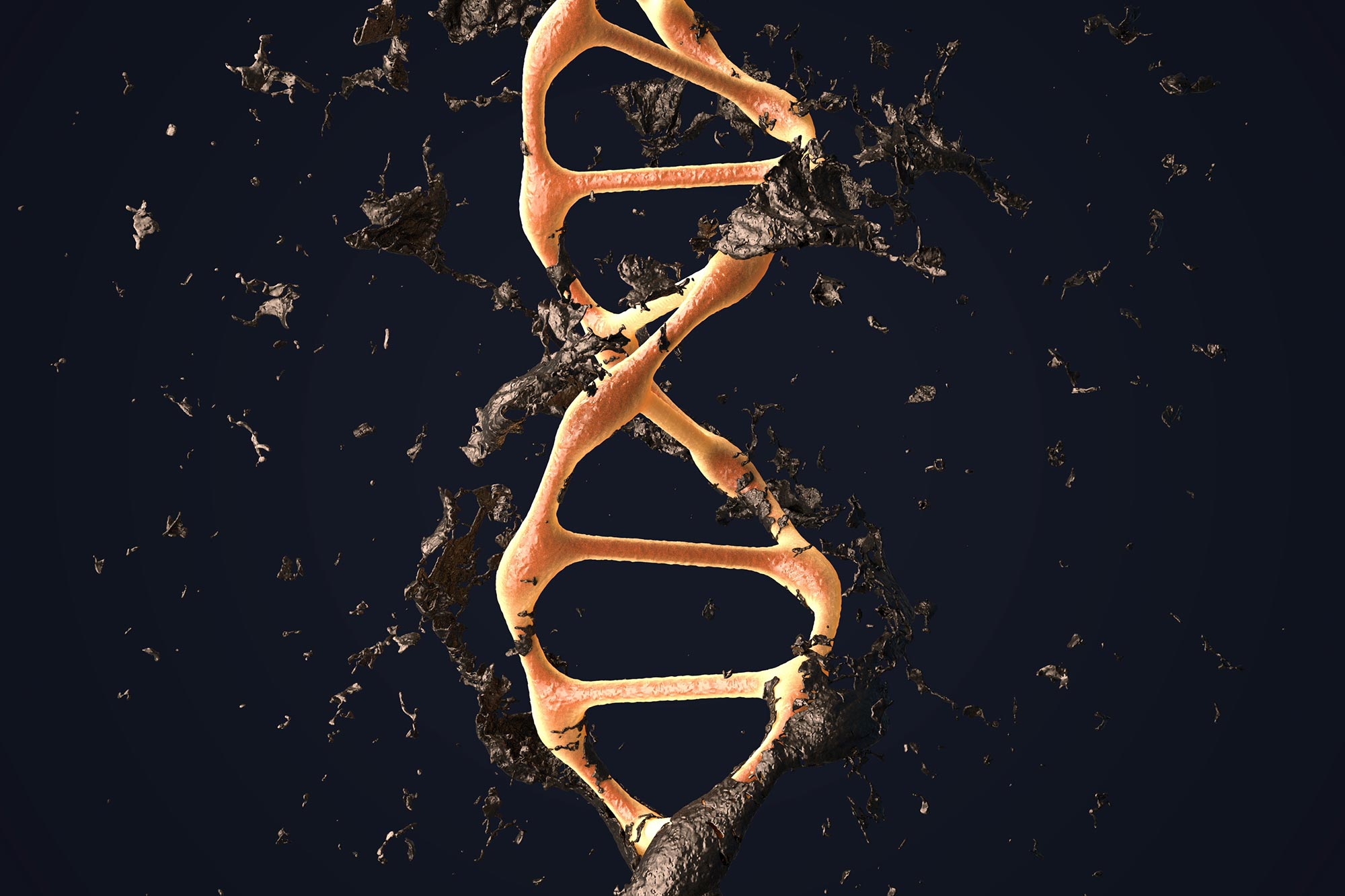
Cedars-Sinai researchers have created TY1, an experimental RNA-based drug that helps the body repair damaged DNA and restore injured tissue.
The idea came from studying tiny molecular “messages” released by special heart cells that naturally help the heart recover after injury. By identifying and recreating one of these powerful RNA signals, scientists developed TY1, which boosts the body’s DNA cleanup system and reduces tissue damage after events like heart attacks or autoimmune flare-ups.
New RNA-Based Drug Designed to Repair DNA Damage
Researchers at Cedars-Sinai have created a promising experimental medication that helps repair DNA, offering a potential way to treat tissue injury linked to heart attacks, inflammatory illnesses, or other medical problems. The drug, known as TY1, is described in detail in a new report published today (December 3) in Science Translational Medicine.
“By probing the mechanisms of stem cell therapy, we discovered a way to heal the body without using stem cells,” said Eduardo Marbán, MD, PhD, executive director of the Smidt Heart Institute at Cedars-Sinai and the study’s senior author. “TY1 is the first exomer—a new class of drugs that address tissue damage in unexpected ways.”
How TY1 Targets DNA Damage
TY1 is a lab-engineered version of an RNA molecule that naturally occurs in human cells. The team found that TY1 strengthens the activity of a gene called TREX1, which guides immune cells as they remove damaged DNA. By supporting this cleanup process, TY1 helps injured tissue recover.
Decades of Research Behind the Discovery
The creation of TY1 stems from more than 20 years of scientific work. The effort began when Marbán’s previous research group at Johns Hopkins University developed a method to extract progenitor cells from human heart tissue. These cells share some abilities with stem cells but are more specialized, allowing them to generate healthy heart tissue more precisely.
At Cedars-Sinai, Marbán’s lab continued investigating these heart progenitor cells. Ahmed Ibrahim, PhD, MPH, discovered that the cells release tiny sacs packed with biological molecules. These sacs, called exosomes, contain RNA that appears to guide tissue repair and regeneration.
“Exosomes are like envelopes with important information,” said Ibrahim, who is associate professor in the Department of Cardiology in the Smidt Heart Institute and first author of the paper. “We wanted to take apart these coded messages and figure out which molecules were, themselves, therapeutic.”
Identifying the RNA Molecule That Drives Healing
By sequencing the RNA inside the exosomes, the scientists identified one RNA molecule that appeared far more often than the others. Its abundance suggested it might play a central role in healing. Tests in laboratory animals confirmed that the natural version of this RNA supported recovery after heart attacks.
TY1 is a synthetic adaptation of that molecule. It is engineered to resemble RNA drugs already used in medical settings. TY1 increases the supply of immune cells that repair DNA damage, which helps limit scar formation following a heart attack.
“By enhancing DNA repair, we can heal tissue damage that occurs during a heart attack,” Ibrahim said. We are particularly excited because TY1 also works in other conditions, including autoimmune diseases that cause the body to mistakenly attack healthy tissue. This is an entirely new mechanism for tissue healing, opening up new options for a variety of disorders.”
Next Steps Toward Human Testing
The research team plans to advance TY1 into clinical trials to evaluate its safety and effectiveness in humans.
Reference: “Augmentation of DNA exonuclease TREX1 in macrophages as a therapy for cardiac ischemic injury” by Ahmed Gamal-Eldin Ibrahim, Alessandra Ciullo, Hiroaki Komuro, Kazutaka Miyamoto, Xaviar M. Jones, Shukuro Yamaguchi, Kara Tsi, Jessica Anderson, Joshua Godoy Coto, Diana Kitka, Ke Liao, Chang Li, Alice Rannou, Asma Nawaz, Ashley Morris, Cristina H. Marbán, Jamie Lee, Nancy Manriquez, Yeojin Hong, Arati Naveen Kumar, James F. Dawkins, Russell G. Rogers and Eduardo Marbán, 3 December 2025, Science Translational Medicine.
DOI: 10.1126/scitranslmed.adp1338
Other Cedars-Sinai authors include Alessandra Ciullo, Hiroaki Komuro, Kazutaka Miyamoto, Xaviar M. Jones, Shukuro Yamaguchi, Kara Tsi, Jessica Anderson, Joshua Godoy Coto, Diana Kitka, Ke Liao, Chang Li, Alice Rannou, Asma Nawaz, Ashley Morris, Cristina H. Marbán, Jamie Lee, Nancy Manriquez, Yeojin Hong, Arati Naveen Kumar, James F. Dawkins, and Russell G. Rogers.
Funding: This work was supported by National Heart, Lung, and Blood Institute grants R01 HL164588 and T32 HL116273, and R01 HL142579. This work was also supported by the California Institute for Regenerative Medicine grant TRAN1-15317.
Never miss a breakthrough: Join the SciTechDaily newsletter.
Follow us on Google and Google News.