

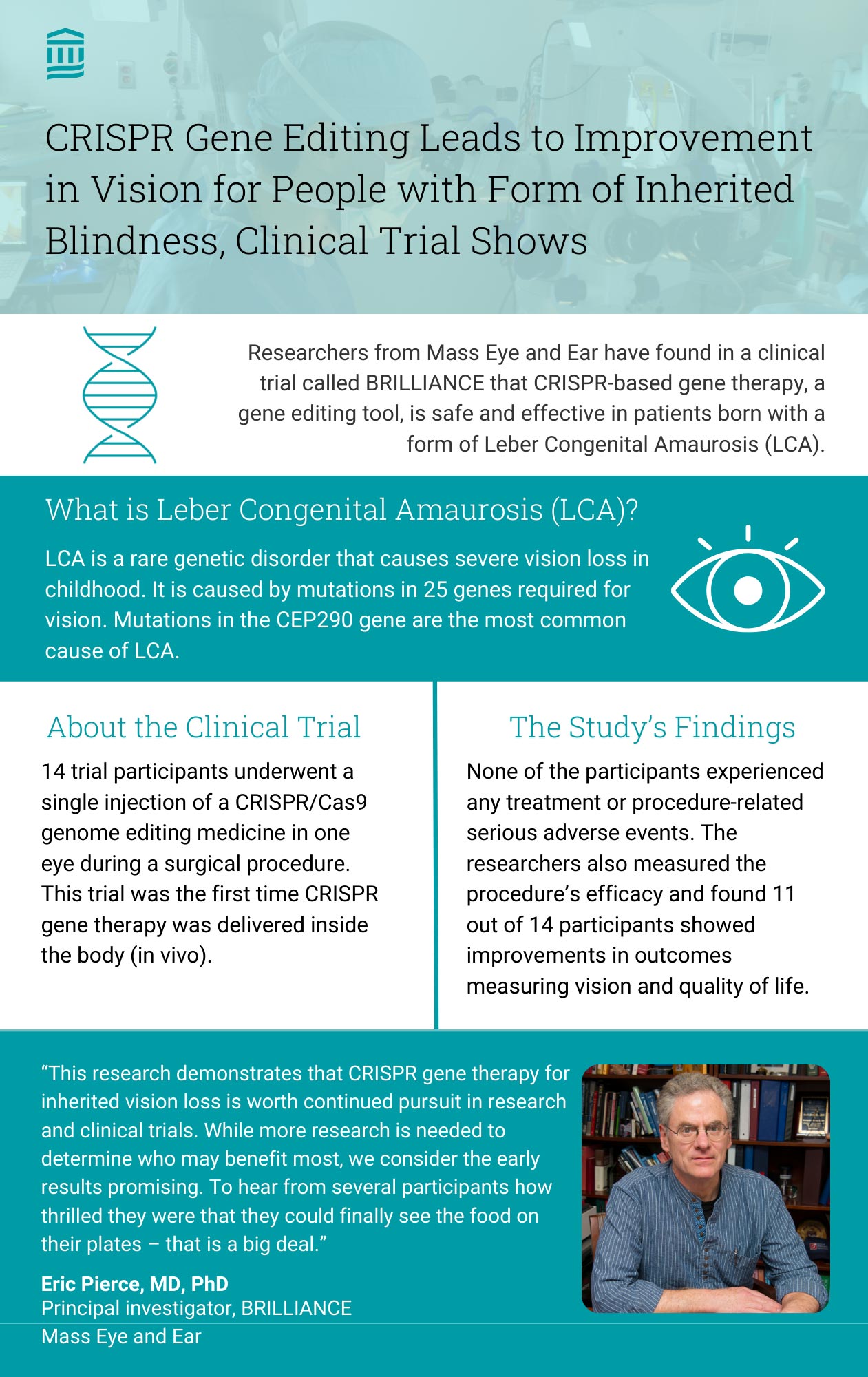
Mass Eye and Ear-led phase 1/2 trial, which included 14 participants, found that the first-of-its-kind experimental treatment was safe and efficacious.
- BRILLIANCE trial results showed 11 out of 14 treated participants experienced some improvements in vision and quality of life measures.
- CRISPR-based therapy was found safe with no dose-limiting toxicities reported.
- Mass Eye and Ear researchers say their findings support continued research and clinical trials of CRISPR therapies for inherited retinal disorders.
Results from a groundbreaking clinical trial of CRISPR gene editing in 14 individuals with a form of inherited blindness show that the treatment is safe and led to measurable improvements in 11 of the participants treated. The phase 1/2 trial called BRILLIANCE, was led by principal investigator Eric Pierce, MD, PhD, of Mass Eye and Ear, a member of the Mass General Brigham healthcare system, and sponsored by Editas Medicine, Inc. Findings are reported on May 6th in The New England Journal of Medicine.
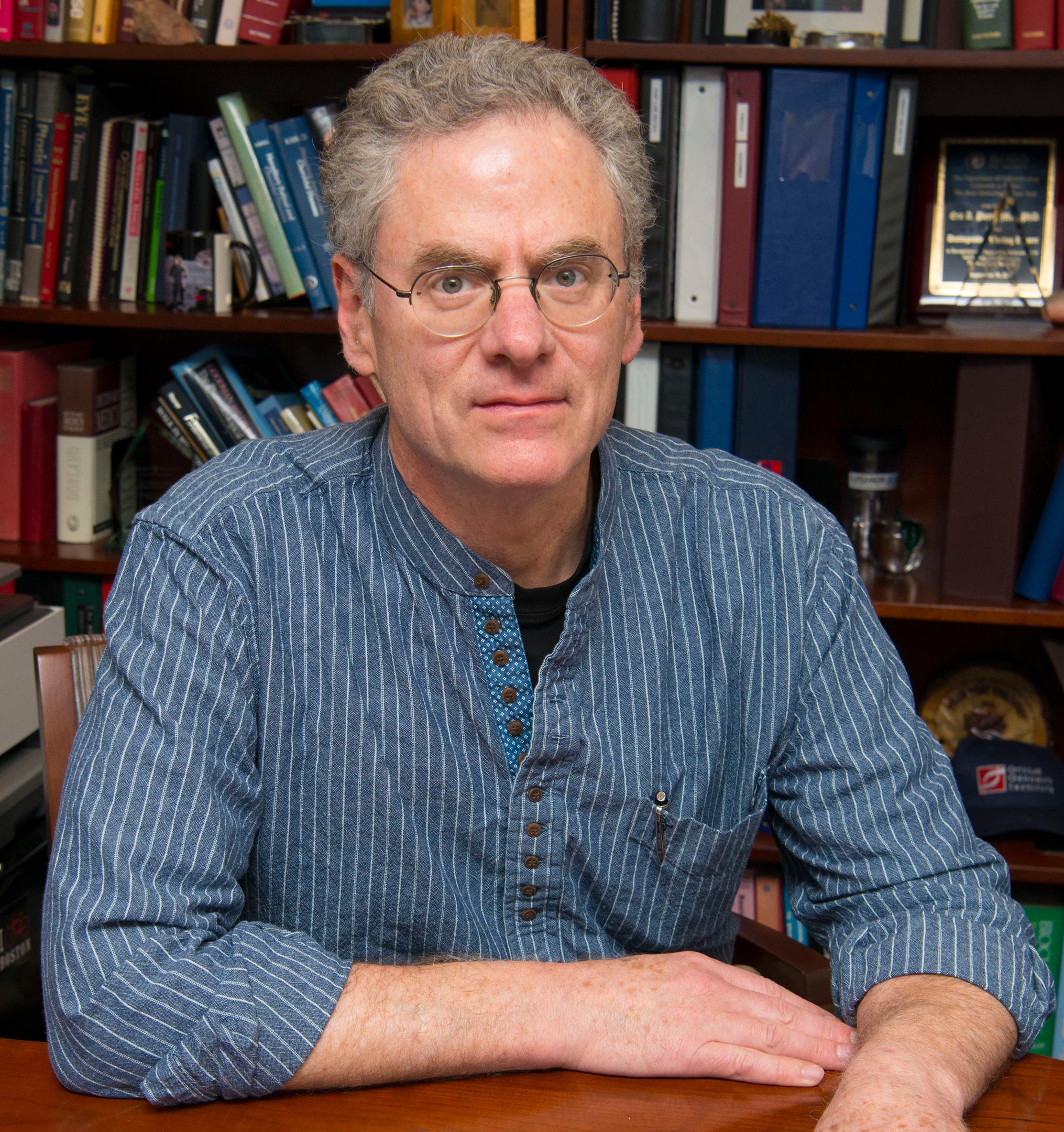
“This research demonstrates that CRISPR gene therapy for inherited vision loss is worth continued pursuit in research and clinical trials,” said Pierce, director of Ocular Genomics Institute and Berman-Gund Laboratory for the Study of Retinal Degenerations at Mass Eye and Ear and Harvard Medical School. “While more research is needed to determine who may benefit most, we consider the early results promising. To hear from several participants how thrilled they were that they could finally see the food on their plates –that is a big deal. These were individuals who could not read any lines on an eye chart and who had no treatment options, which is the unfortunate reality for most people with inherited retinal disorders.”
Participant Demographics and Trial Procedures
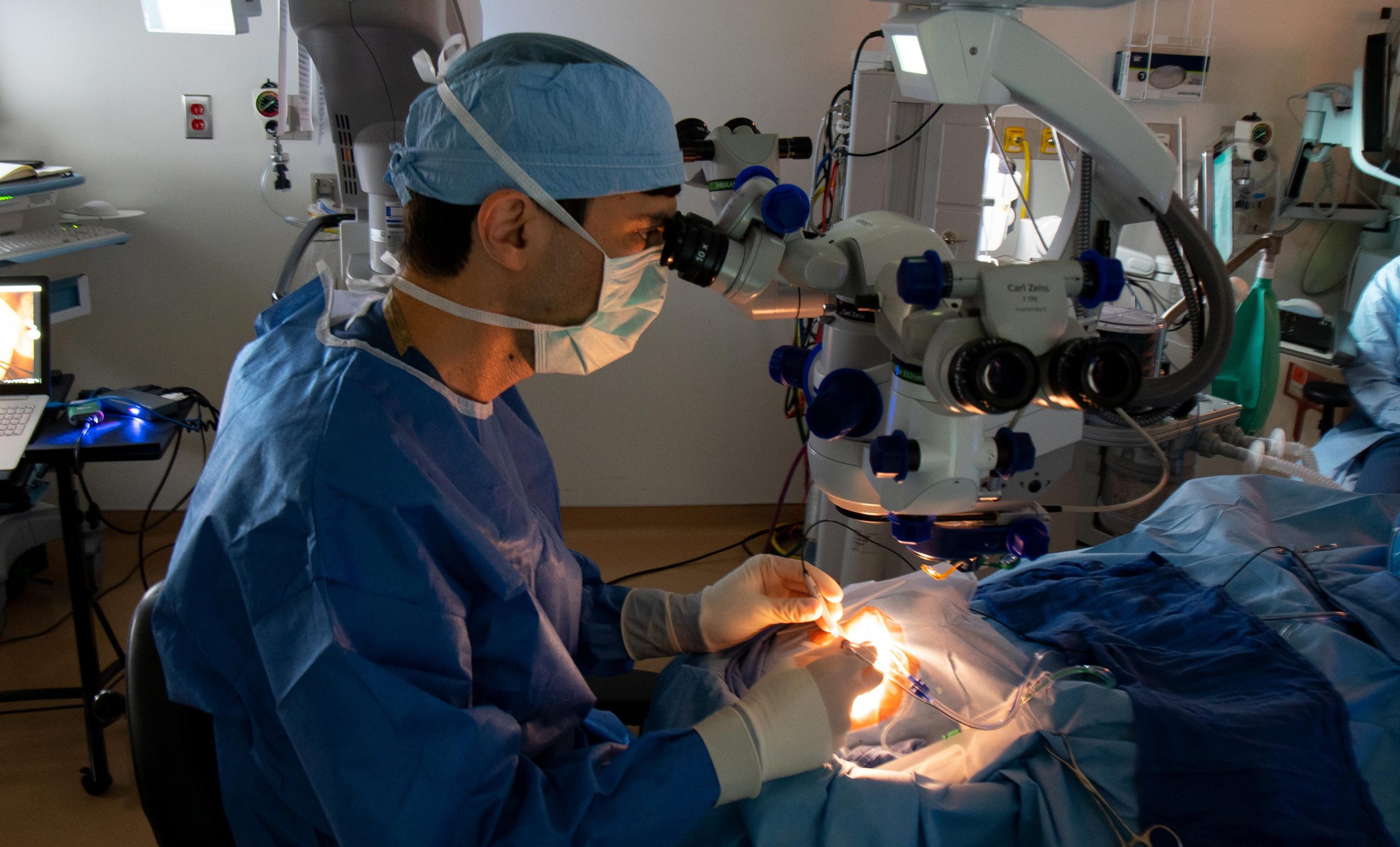
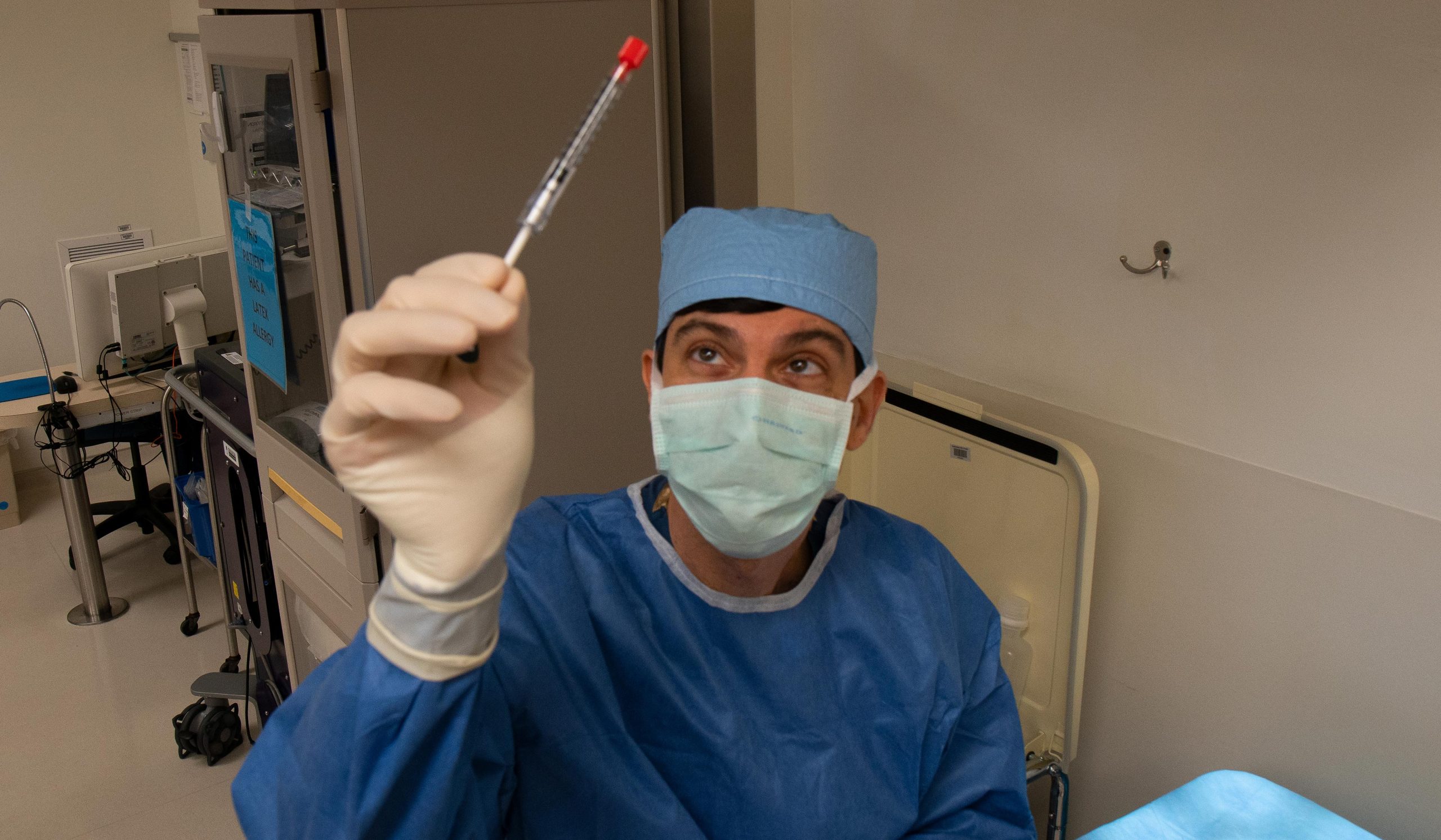
All 14 trial participants, including 12 adults (ages 17 to 63) and two children (ages 10 and 14), were born with a form of Leber Congenital Amaurosis (LCA) caused by mutations in the centrosomal protein 290 (CEP290) gene. They underwent a single injection of a CRISPR/Cas9 genome editing medicine, EDIT-101 in one eye via a specialized surgical procedure. This trial, which included the first patient to ever receive a CRISPR-based investigational medicine directly inside the body, focused primarily on safety with a secondary analysis for efficacy.
No serious treatment or procedure-related adverse events were reported, nor were there any dose-limiting toxicities. For efficacy, the researchers looked at four measures: best-corrected visual acuity (BCVA); dark-adapted full-field stimulus testing (FST), visual function navigation (VNC, as measured by a maze participants completed), and vision-related quality of life.
Eleven participants demonstrated improvements in at least one of those outcomes, while six demonstrated improvement in two or more. Four participants had clinically meaningful improvement in BCVA. Six participants experienced meaningful improvements in cone-mediated vision as indicated by FSTs, five of whom had improvements in at least one of the three other outcomes. Cone photoreceptors are used for daytime and central vision.
CRISPR’s Potential and Early Successes
“The results from the BRILLIANCE trial provide proof of concept and important learnings for the development of new and innovative medicines for inherited retinal diseases. We’ve demonstrated that we can safely deliver a CRISPR-based gene editing therapeutic to the retina and have clinically meaningful outcomes,” said Baisong Mei, MD, PhD, Chief Medical Officer, Editas Medicine.
Studies like this one show the promise of gene therapy for treating incurable conditions. Mass General Brigham’s Gene and Cell Therapy Institute is helping to translate scientific discoveries made by researchers into first-in-human clinical trials and, ultimately, life-changing treatments for patients.
Mutations in the CEP290 gene are the leading cause of inherited blindness taking place during the first decade of life. The mutations cause rod and cone photoceptors in the eye’s retina to function improperly, which after some time will lead to irreversible vision loss. Pierce compares it to a small part of an engine breaking down, which eventually leads the entire engine to falter.
CRISPR-Cas9 is a gene editing toolkit that acts as a GPS-guided scissor to cut a portion of the mutated genome to leave a functional gene. For inherited blindness, the goal was to inject CRISPR to reach the eye’s retina to restore the ability to produce the gene and protein responsible for light-sensing cells.
The CEP290 gene is larger than what traditional adeno-associated virus (AAV) vector gene therapies, including one FDA-approved for a different type of inherited vision loss, can accommodate. The genome editing company Editas Medicine began exploring how to tackle the CEP290 mutation in 2014, conducting preclinical studies to determine whether a gene editing approach like CRISPR-Cas9 might be feasible to target these large gene mutations. This work led to the BRILLIANCE trial, which began in mid-2019.
Trial Outcomes and Future Directions
The first patient to receive a CRISPR treatment inside the body (in vivo) took place at the Casey Eye Institute at Oregon Health & Science University (OHSU), under the leadership of Mark Pennesi, MD, PhD.
“This trial shows CRISPR gene editing has exciting potential to treat inherited retinal degeneration,” Pennesi said. “There is nothing more rewarding to a physician than hearing a patient describe how their vision has improved after a treatment. One of our trial participants has shared several examples, including being able to find their phone after misplacing it and knowing that their coffee machine is working by seeing its small lights. While these types of tasks might seem trivial to those who are normally sighted, such improvements can have a huge impact on quality of life for those with low vision.”
The second patient was treated at Mass Eye and Ear in September 2020, following delays caused by the COVID-19 pandemic. Additional participants were treated across three other trial sites: Bascom Palmer Eye Institute, W.K. Kellogg Eye Center, and Scheie Eye Institute at the Children’s Hospital of Philadelphia (CHOP) and the Hospital of the University of Pennsylvania. Two adults received low-dose therapy, five received mid-dose, and another five received a high-dose treatment. Two children, treated at CHOP under the leadership of Tomas S. Aleman, MD, received a mid-dose treatment.
“Our patients are the first congenitally blind children to be treated with gene-editing, which significantly improved their daytime vision. Our hope is that the study will pave the road for treatments of younger children with similar conditions and further improvements in vision,” said Aleman, the Irene Heinz-Given and John LaPorte Research Professor in Ophthalmology at Penn Medicine with the Scheie Eye Institute and a pediatric ophthalmologist at CHOP who served as a site principal investigator and study co-author. “This trial represents a landmark in the treatment of genetic diseases, in specific, genetic blindness, by offering an important alternative treatment, when traditional forms of gene therapy, such as gene augmentation, are not an option.”
Participants were monitored every three months for one year, and then followed less frequently for two additional years. At visits, they would undergo a series of serum and vision tests to examine safety and efficacy outcome measures.
In November 2022, Editas paused enrollment on the BRILLIANCE trial. Pierce and colleagues are exploring working with other commercial partners to conduct additional trials, in collaboration with Editas. The researchers hope future studies can examine ideal dosing, whether a treatment effect is more pronounced in certain age groups such as younger patients, and include refined endpoints to measure the effects of improved cone function on activities of daily living.
For more on this research, see Pioneering CRISPR Gene Editing Trial: 79% of Participants See Improvement.
Reference: “Gene-editing for CEP290-associated Retinal Degeneration” by Eric A. Pierce, Tomas S. Aleman, Kanishka T. Jayasundera, Bright S. Ashimatey, Keunpyo Kim, Alia Rashid, Michael Jaskolka, Rene L. Myers, Bryon L. Lam, Steven T. Bailey, Jason I. Commander, Andreas K. Lauer, Albert M. Maguire and Mark E. Pennesi, 6 May 2024, New England Journal of Medicine.
DOI: 10.1056/NEJMoa2309915
The senior corresponding author of this study was Eric A. Pierce, MD, PhD (Mass Eye and Ear), and Tomas S. Aleman, MD (CHOP) and Mark E. Pennesi, MD, PhD (OHSU) were co-corresponding authors. Additional co-authors include Kanishka T. Jayasundera, MD (Kellogg), Bright S. Ashimatey, OD, PhD (Editas), Keunpyo Kim, PhD (Editas), Alia Rashid, MD (Editas), Michael C. Jaskolka, PhD (Editas), Rene L. Myers, PhD (Editas), Byron L. Lam, MD (Bascom Palmer), Steven T. Bailey, MD (OHSU), Jason I. Comander, MD, PhD (Mass Eye and Ear), Andreas K. Lauer, MD (OHSU), Albert M. Maguire, MD (CHOP).
This research was funded by Editas medicine. This research was also supported by the National Institute of Health P30 EY014104 core grant to Mass Eye and Ear, P30 EY010572 core grant, the Malcolm M. Marquis MD Endowed Fund for Innovation, and an unrestricted grants from Research to Prevent Blindness to Casey Eye Institute and the Scheie Eye Institute. Additional support was provided by the Irene Heinz Given and John La Porte Given Endowment, and Hope for Vision.
Never miss a breakthrough: Join the SciTechDaily newsletter.
Follow us on Google and Google News.