
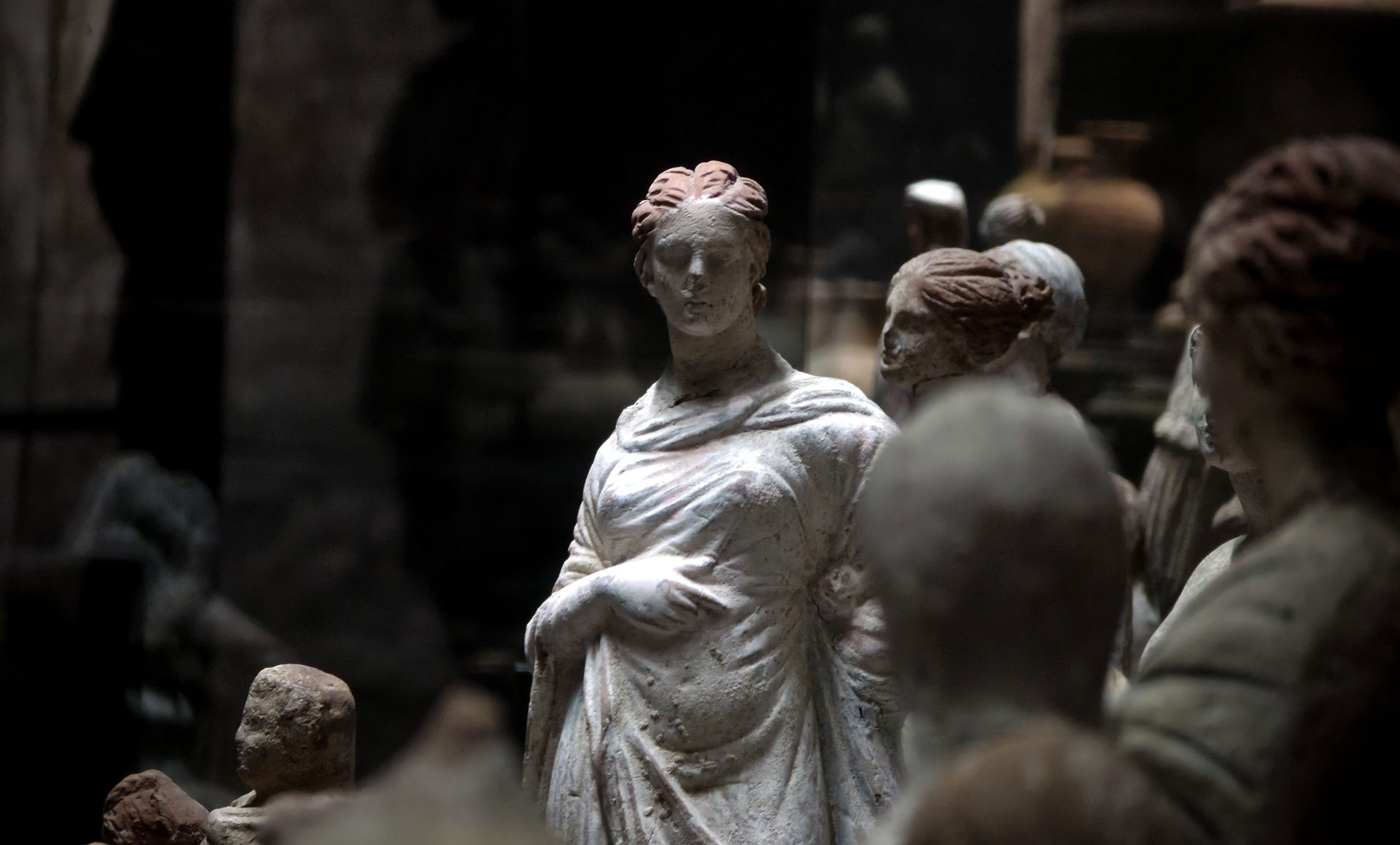
Roman female farm managers likely oversaw valuable agricultural production rather than serving only as housekeepers.
Across five centuries of Roman laws, literature, and grave inscriptions, female farm managers repeatedly appear in the surviving record. Yet modern historians have often treated them as housekeepers responsible for meals and domestic work, separate from the farm’s productive operations.
My new paper in the Journal of Roman Archaeology challenges this assumption.
The evidence instead suggests that many Roman women managed wine production and other agricultural work essential to an estate’s output and profits.
A farming manual overturns the old reading
A farming handbook written in the 1st century CE by the Roman author Lucius Junius Moderatus Columella provides an important account of the female manager’s responsibilities.
Columella, himself an upper-class landowner, describes the duties of farm managers who were probably enslaved. He calls the male manager the vilicus and the female manager the vilica, titles derived from their positions at the “villa”.
Many historians, however, have followed a misleading thread in the text. Columella opens his discussion of the vilica with an extended passage from the Greek philosopher Xenophon, who lived in Athens more than four centuries earlier.
According to Xenophon, the “natural” place for women was indoors. His ideal upper-class married woman therefore remains inside her townhouse, where she supervises enslaved people performing domestic work.
The Greek writer is not discussing farm workers. In fact, Columella says four times that these ideas are not his own, but those of Xenophon, writing long ago.
Wine production put women in charge
Columella lists a completely different set of responsibilities for the vilica on a Roman farm: most importantly, the making of wine and olive oil, which were highly valuable commodities – the backbone of landowners’ profits.
In his description of the vilica’s duties, Columella includes the extraction of the juice from grapes during the harvest; adding flavorings and preservatives such as salt, wormwood, fennel, or boiled grape-juice; and overseeing successful fermentation into wine.
According to Columella, the vilica also managed the processing of other farm products to make them long-lasting and profitable, such as turning inedible olives into olive oil for sale.
From archaeology, we know that production of wine or oil, using huge machines in substantial buildings, could reach 50,000 to 100,000 liters per year, or even more. The vilica was therefore responsible for overseeing large-scale work essential to the operation of the estate.
Correct sacrifices to the gods were seen as vital to the success of the farm. Archaeology has uncovered altars for offerings in Roman wine-making buildings.
Wine-making in the Roman world was a precarious process, due to uncontrolled temperatures, bacteria, or oxygenation. Wine could easily go moldy or turn into vinegar.
A striking element of Columella’s account is that he includes carrying out offerings to avert such a disaster in his instructions for the female farm manager.
Law and art reinforce the evidence
Other texts contain barely more than a mention of the vilica, revealing only her presence.
But we can still put together some clues.
Legal writings on inheritance, quoting the 1st century BCE jurist Trebatius, include her in the instrumentum fundi – whatever (including enslaved personnel) is required for productive work, gathering, and preserving produce of the estate.
Another aristocratic landowner and writer, Cato the Elder, living two centuries before Columella, lists both the female and the male farm manager as essential staff for a vineyard or olive farm.
He devotes only one small section to outlining the female farm manager’s tasks, but a close look shows these are not predominantly domestic. Cato includes keeping poultry and processing of seasonal farm products. Although he does include supervision of cleaning, this could refer to maintenance of workspaces such as stables and winemaking buildings, an integral part of estate management – and also listed by Columella among the vilica’s duties.
Cato also gives the vilica the responsibility for making sacrifices to the gods for the success of the farm. She must regularly offer garlands at the altar “for abundance,” he writes.
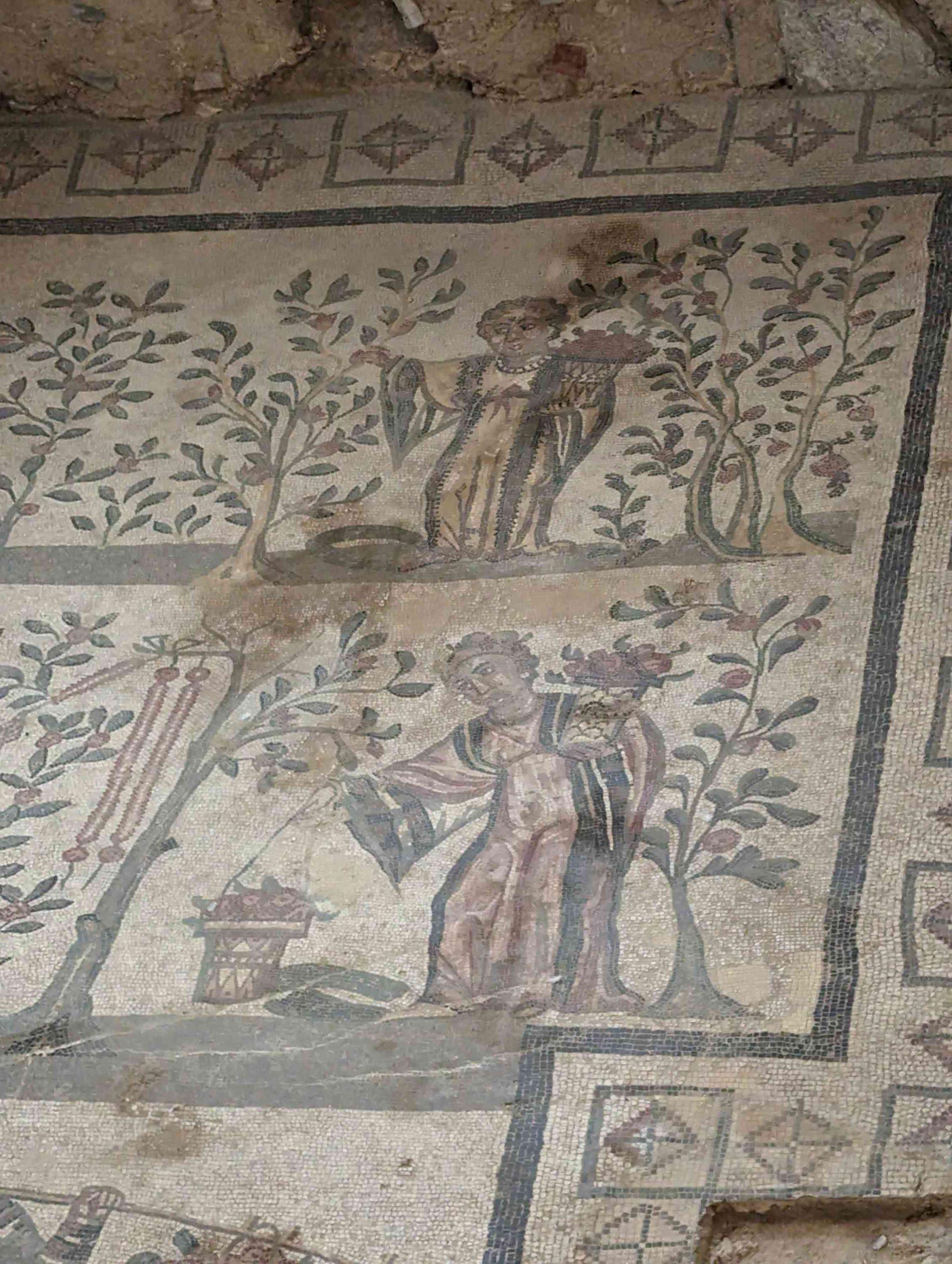
A Roman mosaic showing estate work in different seasons depicts a scene of sacrifices for abundant crops to the god Jupiter (in his Celtic form as a sky and weather god). A woman is shown holding an offering of garlands, just as Cato instructs. Beside her are a jug for wine offerings and a male figure.
Perhaps this mosaic shows the vilica and vilicus, both essential to the success of annual harvests. While such images of female figures are rare, one fragmentary wall painting from Rome shows a female overseeing wine-making workers, just as Columella describes.
This combined body of evidence suggests we should expand outdated understandings of the roles that Roman women played in farm production, the dominant sector of ancient economies.
No vilica has left us an account of her work in her own words. But by paying careful attention to the evidence, we can hear an echo of her voice.
Reference: “Not just a housekeeper: a new look at the work of the Roman vilica” by Tamara Lewit, 13 July 2026, Journal of Roman Archaeology.
DOI: 10.1017/S1047759426100804
Adapted from an article originally published in The Conversation.
Never miss a breakthrough: Join the SciTechDaily newsletter.
Follow us on Google and Google News.
1 Comment
HBO’s “Rome” was thoroughly researched and very authentic… few ‘housekeepers’ there. What TikTok vid did the scientists get their idea for that from?