

An outbreak of tuberculosis (TB), a lung disease often marked by a persistent cough, began in January 2024 in Kansas City, Kansas, and two neighboring counties. As of early March 2025, the outbreak is ongoing. So far, 147 people have been diagnosed, with 67 developing symptoms. The remaining 80 cases are classified as latent infections, meaning the individuals carry the bacteria but do not show symptoms.
TB remains the world’s deadliest infectious disease, second only to COVID-19 during the first three years of the pandemic.
Microbiologists Karen Dobos and Marcela Henao-Tamayo from Colorado State University have weighed in on why this ancient disease appears to be making a resurgence.
The History of Tuberculosis
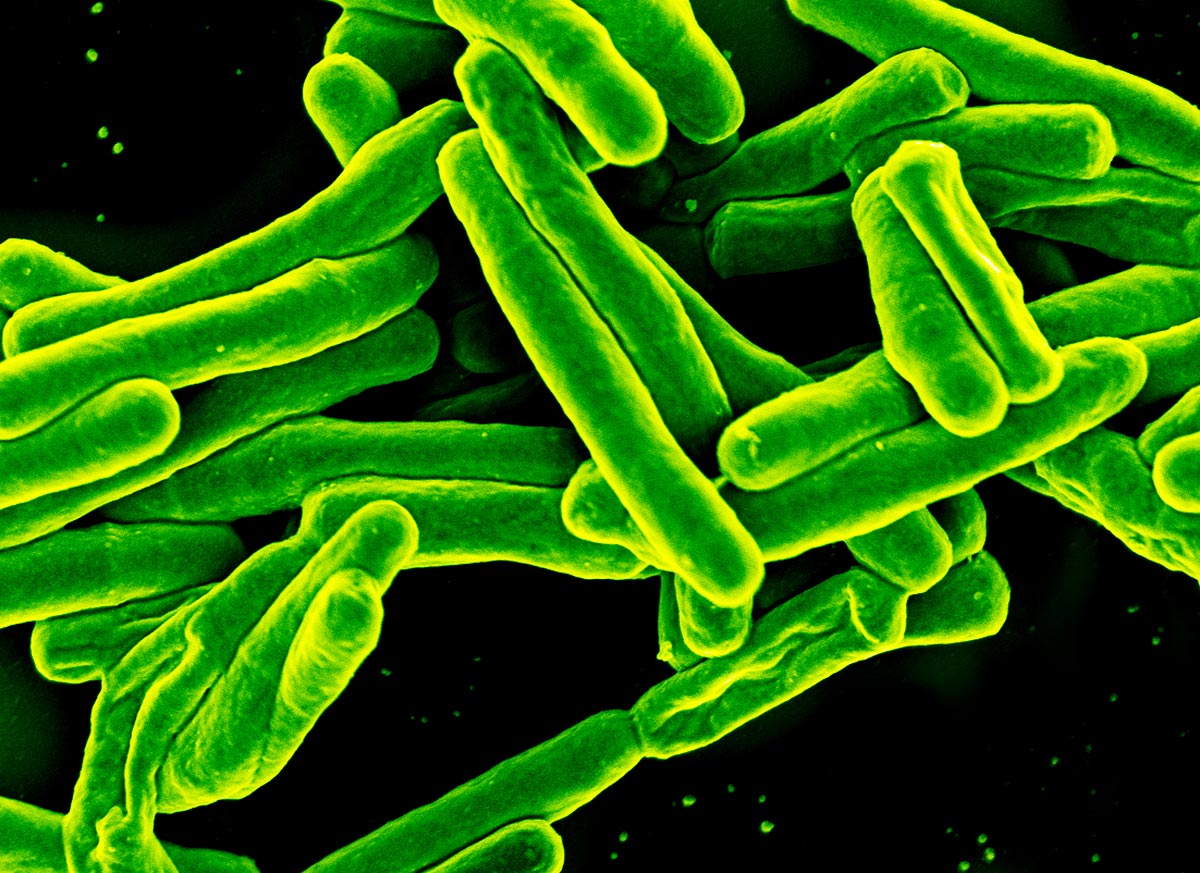
Mycobacterium tuberculosis, a bacterium that has infected humans for thousands of years, causes the disease tuberculosis in humans. Evidence of TB has been found in 9,000-year-old skeletal remains from the Eastern Mediterranean.
The disease was first documented by Hippocrates around 410-400 B.C.E., who called it phthisis, meaning “wasting away,” due to the severe weight loss it causes. Over time, TB became known as “consumption” for the same reason. It was also referred to as the “white plague” or “white death” because of the pale, anemic appearance of those infected—an illness that was often fatal if left untreated.
Without treatment, roughly half of those with active TB die from the disease. However, modern medicine has significantly improved survival rates, reducing the fatality rate to around 12% with proper treatment.
One of the more colorful phrases describing TB is “the king’s evil.” This is a form of TB that also causes neck swelling and lesions, a condition called scrofula. During the Middle Ages, people believed that the touch of a king could cure a person of this form of TB through miraculous intervention.
Finally, TB was most ominously called the “robber of youth” due to its historical propensity to afflict people 15 to 30 years old.
In 1865, Jean Antoine Villemin, an army physician in Paris, demonstrated that TB could be transmitted from infected animals to healthy ones through inoculation. Before these studies, the cause of TB was presumed to be primarily constitutional, by either an inherent predisposition or from unhealthy or immoral lifestyles.
The microorganism causing TB was ultimately discovered in 1882 by the German physician Robert Koch. Koch announced his findings on March 24, 1882, a day globally recognized as World TB Day.
Transmission Dynamics
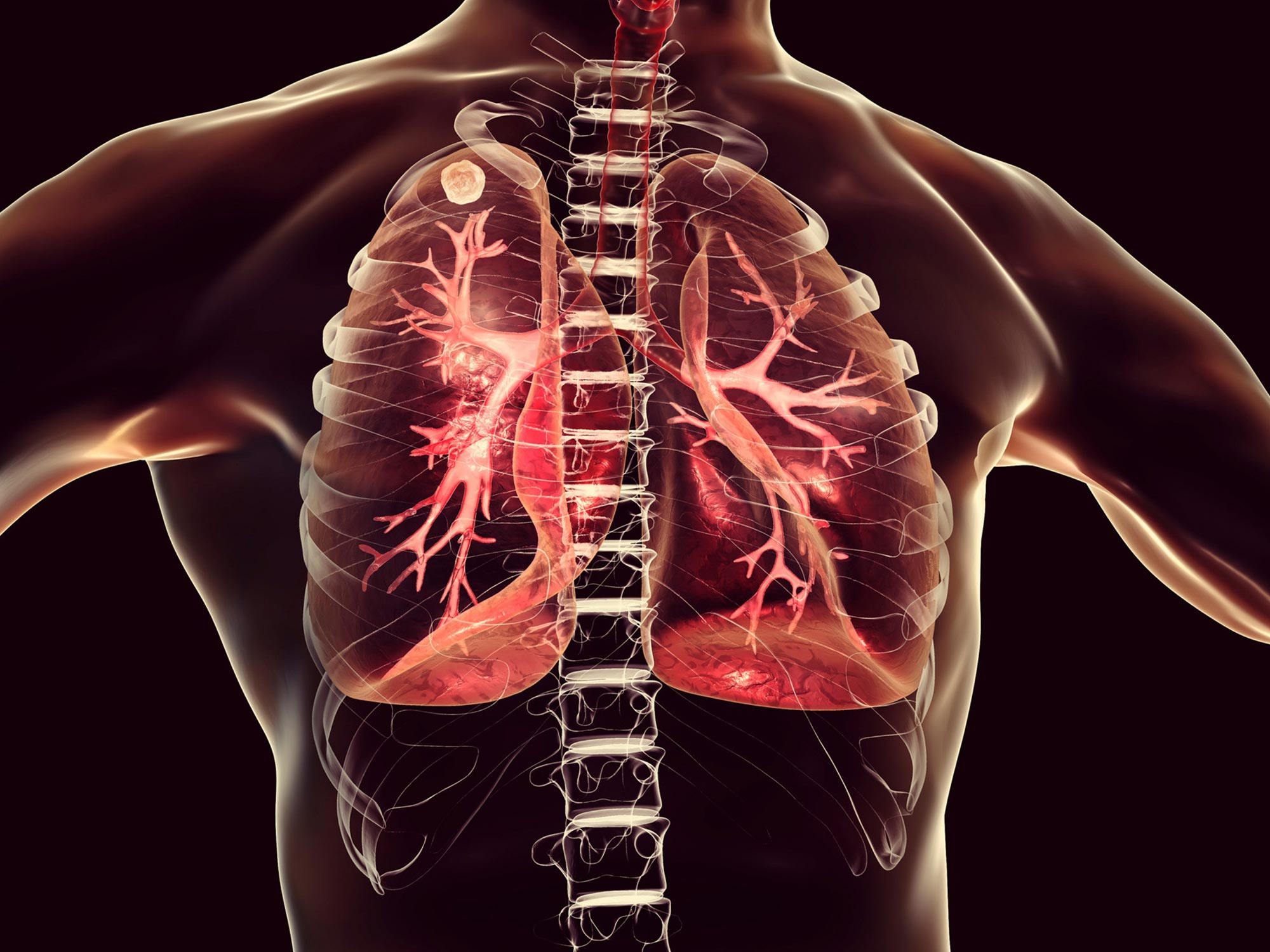
Tuberculosis is spread by small infectious droplets in the air. A TB patient may emit these droplets by coughing, singing, and potentially from regular breathing that occurs during sleep or resting.
One form of TB can be spread through unpasteurized dairy products. While rare, there have been reports of TB transmission through bone grafts, in which healthy, donated bone material is used to replace damaged bones.
The origin of the TB outbreak in Kansas remains unknown as of early March 2025. The outbreak has disproportionately affected those in low-income communities, and two people have died from it.
Importantly, a patient with untreated TB can infect 10 to 15 others.
Pandemic Impact on TB Rates
The COVID-19 pandemic has played a pivotal role in the resurgence of TB. Cases increased globally by 4.6% from 2020 to 2023, reversing decades of steady declines in the disease. In the U.S. alone, TB cases rose by more than 15% from 2022 to 2023.
During mandatory shutdowns, people were less able to access healthcare centers for early diagnosis of TB or to fill prescriptions for treatment, perhaps due to the fear of contracting COVID-19 while visiting a medical care facility. COVID-19-related disruptions in care resulted in nearly 700,000 excess deaths from TB.
Access to health care may not be the only factor behind this uptick. Medical supply shortages and delays in shipment may have also played a role. For example, the U.S. experienced shortages of one of the primary TB drugs between 2021 and 2023.
Treatment Evolution and Challenges
Multidrug treatment is currently the only way to cure TB and stop its spread.
Prior to the late 1930s, when the first antibiotic for TB treatment was developed, TB treatments included bloodletting and consumption of cod liver oil. The most popular treatment involved isolated sanatoriums in high-altitude areas such as the Adirondacks and the Rocky Mountains, where the cold, dry air was believed to be a cure. Scholars at the time suggested that the potential for cure was due to these environments being more invigorating for the body and providing more restful sleep. There is no evidence to support these beliefs.
Streptomycin was the first antibiotic treatment to become available for TB, in the 1940s. However, the microorganism quickly became drug resistant. A second antibiotic, called isoniazid, was developed as a first-line treatment against TB in the 1950s. Again, the microorganism became drug resistant.
Two- and four-drug combinations are now used to treat both latent infections and active disease. Treatment of active TB requires at least six months of uninterrupted therapy. Disruptions in treatment result in further spread of TB and the emergence of multidrug resistant TB, which requires additional drugs and more than nine months of treatment.
All TB drugs are toxic; the quality of life for TB patients deteriorates during treatment and remains so throughout their lives. Finding cases and treating TB illness early, before symptoms begin, is important because it not only reduces the spread of the disease but also greatly reduces drug toxicity.
Public Awareness and Prevention
People should be aware that TB is still a public health problem across the globe. Education on the transmission, treatment, and need for active work to eradicate TB is the best defense.
One of the reasons why education and awareness about TB are so important is that a person with latent TB may be unknowingly harboring the microorganism for years. In the absence of symptoms, these people are unlikely to seek care and will not be diagnosed and treated unless identified as part of an outbreak, as was the case for more than half of the patients in Kansas.
Written by:
- Karen Dobos, Professor of Microbiology, Colorado State University
- Marcela Henao-Tamayo, Associate Professor of Microbiology & Immunology, Colorado State University
Adapted from an article originally published in The Conversation.
Never miss a breakthrough: Join the SciTechDaily newsletter.
Follow us on Google and Google News.
3 Comments
“The origin of the TB outbreak in Kansas remains unknown as of early March 2025.” It had to come somewhere unless one believes in spontaneous generation of life forms. Usually, rare diseases were introduced from over seas; thus, port cities were important initiators of a spread. The role of Ellis Island was to quarantine immigrants to see if they developed any diseases. Today, most people travel by air, but Kansas City isn’t a major hub like Chicago, NY City, or Atlanta. It is, however, feasible for people who have walked from Central America, to walk or bus from our southern border to Kansas.
I think it is more than coincidence that unsupervised immigration of millions of people from Third World countries, and immigration laws effectively being ignored during the Biden administration era, coincides with the rapid rise of TB cases: “In the U.S. alone, TB cases rose by more than 15% from 2022 to 2023.”
One ignores the obvious at their peril.
Unsupervised migration of millions? All it takes is 1 person to introduce a pandemic; as per the Kansas flu that killed about 20-50 million people worldwide in the early 1920s. Probably some young hill-billy in the back-blocks of the USA got TB from his gran’pappy spitting on the porch and coughed a wee bit in the local hardware store whilst buying bullets for his shotgun………
Once upon a time in the UK and other developed countries ( I doubt that the USA was developed, even in those days, to judge by the USA’s heath “system”) vaccination against TB was carried out by public health systems and I recall that the once great NHS went though all schools in the UK testing for TB immunity amongst we children and teenagers and if not immune we got jabbed and turned until socialist robots by a microchip. Oh, sorry, no microchips in the late 1960s. Well, none that we knew about so microchips then, so it must have been a commie conspiracy to sneak secret commie microchips into our bodily fluids……………