
Close Menu
    Facebook X (Twitter) Instagram
    SciTechDaily
    • Biology
    • Chemistry
    • Earth
    • Health
    • Physics
    • Science
    • Space
    • Technology
    Facebook X (Twitter) Pinterest YouTube RSS
    SciTechDaily
    Home»Space»Hubble Reveals Colors of the “Lost Galaxy” in Supreme Detail
    Space

    Hubble Reveals Colors of the “Lost Galaxy” in Supreme Detail

    By ESA/HubbleJanuary 18, 2021No Comments2 Mins Read
    Facebook Twitter Pinterest Telegram LinkedIn WhatsApp Email Reddit
    Share
    Facebook Twitter LinkedIn Pinterest Telegram Email Reddit
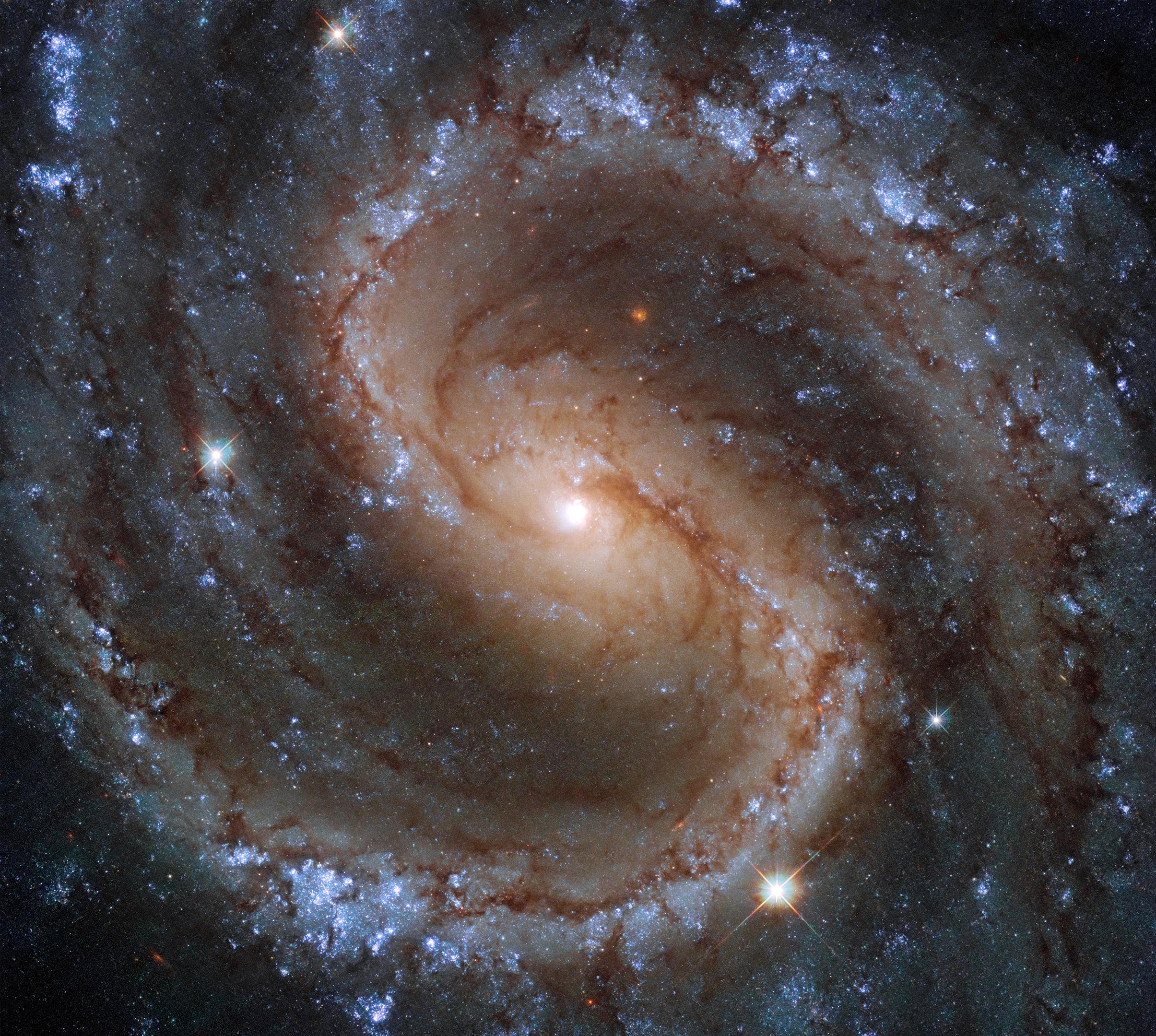
    Galaxy NGC 4535
    Galaxy NGC 4535, a barred spiral galaxy located some 54 million light years from Earth in the constellation Virgo, as imaged by the Hubble Space Telescope. Credit: ESA/Hubble & NASA, J. Lee and the PHANGS-HST Team

    Nicknamed the “Lost Galaxy,” NGC 4535 is a barred spiral galaxy in Virgo whose color patterns, captured by Hubble, reveal a mix of young and old stars.

    Located in the constellation of Virgo (The Virgin), around 50 million light-years from Earth, NGC 4535 is truly a stunning sight to behold. Despite the incredible quality of this image, taken from the NASA/ESA Hubble Space Telescope, NGC 4535 has a hazy, somewhat ghostly, appearance when viewed from a smaller telescope. This led amateur astronomer Leland S. Copeland to nickname NGC 4535 the “Lost Galaxy” in the 1950s.

    The bright colors in this image aren’t just beautiful to look at, as they actually tell us about the population of stars within this barred spiral galaxy. The bright blue-ish colors, seen nestled amongst NGC 4535’s long, spiral arms, indicate the presence of a greater number of younger and hotter stars. In contrast, the yellower tones of this galaxy’s bulge suggest that this central area is home to stars that are older and cooler.

    This galaxy was studied as part of the PHANGS survey, which aims to clarify many of the links between cold gas clouds, star formation, and the overall shape and other properties of galaxies. On January 11, 2021, the first release of the PHANGS-HST Collection was made publicly available.

    Never miss a breakthrough: Join the SciTechDaily newsletter.
    Follow us on Google and Google News.

    Astronomy European Space Agency Hubble Space Telescope NASA Popular
    Share. Facebook Twitter Pinterest LinkedIn Email Reddit

    Related Articles

    NASA’s Hubble Accidentally Witnesses a Comet Shattering in Space

    Hubble’s Newest Discovery Isn’t a Star, It’s a Window Into the Dark Universe

    Hubble Celebrates 34th Anniversary With a Spectacular View of the Little Dumbbell Nebula

    Hubble Captures Face-On Image of Messier 61

    Hubble Views an Ongoing Cosmic Collision

    Hubble Views Newborn Stars in Galaxy IC 5052

    New XDF Image, The Deepest-Ever View of the Universe

    Hubble Zooms in on the Center of M4

    Hubble Image of Peculiar Galaxy Pair Arp 116

    Leave A Reply Cancel Reply

    • Facebook
    • Twitter
    • Pinterest
    • YouTube

    Don't Miss a Discovery

    Subscribe for the Latest in Science & Tech!

    Trending News

    These Toads Are Surviving a Deadly Fungus – Scientists May Finally Know Why

    These Brain Cells May Explain Why We Eventually Have To Sleep

    Tomatoes Contain an Invisible Ingredient With Surprising Effects on Liver Health

    World’s First Heat-Powered Cooling System Turns Waste Heat Into Cold

    Antarctica Gained a Record 695 Billion Tons of Ice in Just Two Years

    Don’t Miss: A Brilliant Venus and Glowing Harvest Moon Light Up the Sky

    New Twist on the Einstein Problem Reveals Unexpected Physics

    JWST Captures Stunning Evidence of How Supermassive Black Holes Feed

    Follow SciTechDaily
    • Facebook
    • Twitter
    • YouTube
    • Pinterest
    • Newsletter
    • RSS
    SciTech News
    • Biology News
    • Chemistry News
    • Earth News
    • Health News
    • Physics News
    • Science News
    • Space News
    • Technology News
    Recent Posts
    • Scientists Discover a Hidden Defect That Could Explain Why IBD Keeps Coming Back
    • Millions Take Blood Pressure Drugs, but Many May Be Missing Their Heart-Protective Benefits
    • Could Alien Life Be Conscious in Ways We Can’t Imagine?
    • Scientists Develop a Fruit Wash That Removes Pesticide Residues and Keeps Produce Fresh Longer
    • Scientists May Have Finally Explained Why Astronauts Get Constipated in Space
    Copyright © 1998 - 2026 SciTechDaily. All Rights Reserved.
    • Science News
    • About
    • Contact
    • Editorial Board
    • Privacy Policy
    • Terms of Use

    Type above and press Enter to search. Press Esc to cancel.