
Close Menu
    Facebook X (Twitter) Instagram
    SciTechDaily
    • Biology
    • Chemistry
    • Earth
    • Health
    • Physics
    • Science
    • Space
    • Technology
    Facebook X (Twitter) Pinterest YouTube RSS
    SciTechDaily
    Home»Biology»Human Contraceptives & Antidepressants Reduce Fish Reaction Times
    Biology

    Human Contraceptives & Antidepressants Reduce Fish Reaction Times

    By SciTechDailyNovember 19, 2012No Comments3 Mins Read
    Facebook Twitter Pinterest Telegram LinkedIn WhatsApp Email Reddit
    Share
    Facebook Twitter LinkedIn Pinterest Telegram Email Reddit
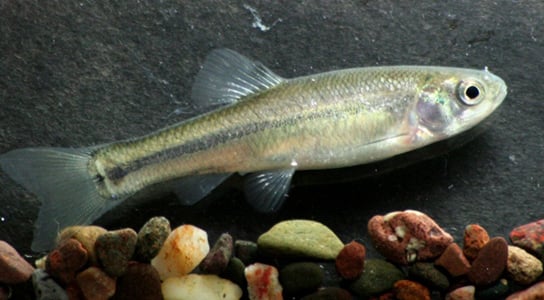
    fathead-minnow-BZ
    Fathead minnow (Pimephales promelas)

    Human medications are ending up in waterways and affecting fish and other aquatic organisms. However, researchers are only beginning to compile the effects that those drugs have on the ecosystem.

    Rebecca Klaper, an ecologist at the University of Wisconsin-Milwaukee’s Great Lakes Water Institute, presented her results at the 2012 meeting of the North American division of the Society of Environmental Toxicology and Chemistry in Long Beach, California.
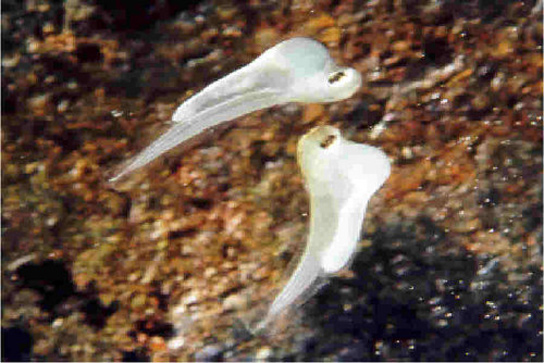
    fathead-minnow-larvae
    Fathead minnow larvae. Credit: Photo by Susan Allen-Gil, Ithaca College

    One of these drugs, fluoxetine, is an active ingredient in the antidepressant Prozac, and is excreted by people taking it in their urine. It’s reaching lakes and waterways through sewage-treatment plants, which are unequipped to remove it.

    In order to investigate the effects of fluoxetine, researchers are using the fathead minnow (Pimephales promelas). When fluoxetine is added to water, female fathead minnows seem unaffected but the male minnows start to spend more time building their nests. When the dose is increased tenfold, the males “become obsessive, to the point they’re ignoring the females,” Klaper said. Typically, males build the nests for females. Once the eggs are laid and fertilized, the males tend to them by cleaning away fungus or dead eggs.

    When fluoxetine concentration is increased yet again, reproduction halts. The males also start killing the females. If the females are introduced a month after the males are exposed to the chemical, the males no longer show aggressive behavior, but the females don’t lay any eggs anymore.

    Reproductive behavior isn’t the only thing that is affected by the trace chemicals. Chemicals found in birth control pills, 17-β-estradiol, reduced the ability of fathead minnow larvae to elude predators.

    After larvae were exposed to estradiol, they were subjected to sudden vibration, similar to the ones produced by approaching predators. A high-speed camera was used to measure how long it took the minnows to curve their bodies into a ‘C’ shape, which is a known escape behavior called C-start. The minnows’ reaction time was significantly slowed compared to control larvae.

    In another experiment, hundreds of estradiol-exposed and control larvae were raised and repeatedly put into a tank with a known predator, a bluegill sunfish (Lepomis macrochirus). When half of the larvae were eaten, the survivors were tallied up. Only 45% of them were from the estradiol-exposed group. Using a multi-generation population biology model, it was discovered that this difference between the estradiol-exposed larvae and control larvae was enough to produce a rapid population crash.

    Never miss a breakthrough: Join the SciTechDaily newsletter.
    Follow us on Google and Google News.

    Contamination Ecology Environment Marine Biology
    Share. Facebook Twitter Pinterest LinkedIn Email Reddit

    Related Articles

    “An Extremely Violent Global Pandemic” – Mysterious Disease Wipes Out Sea Urchins Worldwide

    European Catfish Learn to Catch Pigeons

    “Coughing” Scallops Are Early Warning System for Worsening Water Quality

    New Chinese Survey Reveals Extensive Coastal Pollution

    Marine Reserves Enhance Resilience to Climatic Impacts & Aid in Ecosystem Recovery

    First Direct Observation of an Under-Ice Algal Bloom in the Arctic

    Evolution Shapes Ecology of Dammed Connecticut Lakes

    Ecologists Document Changes in Fragile Land-Sea Ecological Chain

    Jacques Cousteau Predicted Detrimental Change in Coral Reefs

    Leave A Reply Cancel Reply

    • Facebook
    • Twitter
    • Pinterest
    • YouTube

    Don't Miss a Discovery

    Subscribe for the Latest in Science & Tech!

    Trending News

    Scientists Uncover Potential Brain Risks of Popular Fish Oil Supplements

    Scientists Discover a Surprising Way To Make Bread Healthier and More Nutritious

    After 60 Years, Scientists Uncover Unexpected Brain Effects of Popular Diabetes Drug Metformin

    New Research Uncovers Hidden Side Effects of Popular Weight-Loss Drugs

    Scientists Rethink Extreme Warming After Surprising Ocean Discovery

    Landmark Study Links Never Marrying to Significantly Higher Cancer Risk

    Researchers Discover Unknown Beetle Species Just Steps From Their Lab

    Largest-Ever Study Finds Medicinal Cannabis Ineffective for Anxiety, Depression, PTSD

    Follow SciTechDaily
    • Facebook
    • Twitter
    • YouTube
    • Pinterest
    • Newsletter
    • RSS
    SciTech News
    • Biology News
    • Chemistry News
    • Earth News
    • Health News
    • Physics News
    • Science News
    • Space News
    • Technology News
    Recent Posts
    • Students Build Dark Matter Detector and Set New Experimental Limits
    • Scientists Discover Caffeine Can Repair Key Memory Circuits After Sleep Loss
    • Strange 65-Foot Dinosaur Discovered in Argentina
    • Researchers Uncover Source of Strange Deformation in Earth’s Largest Continental Rift
    • Scientists Solve Mystery of Where the Colorado River Vanished Millions of Years Ago
    Copyright © 1998 - 2026 SciTechDaily. All Rights Reserved.
    • Science News
    • About
    • Contact
    • Editorial Board
    • Privacy Policy
    • Terms of Use

    Type above and press Enter to search. Press Esc to cancel.