
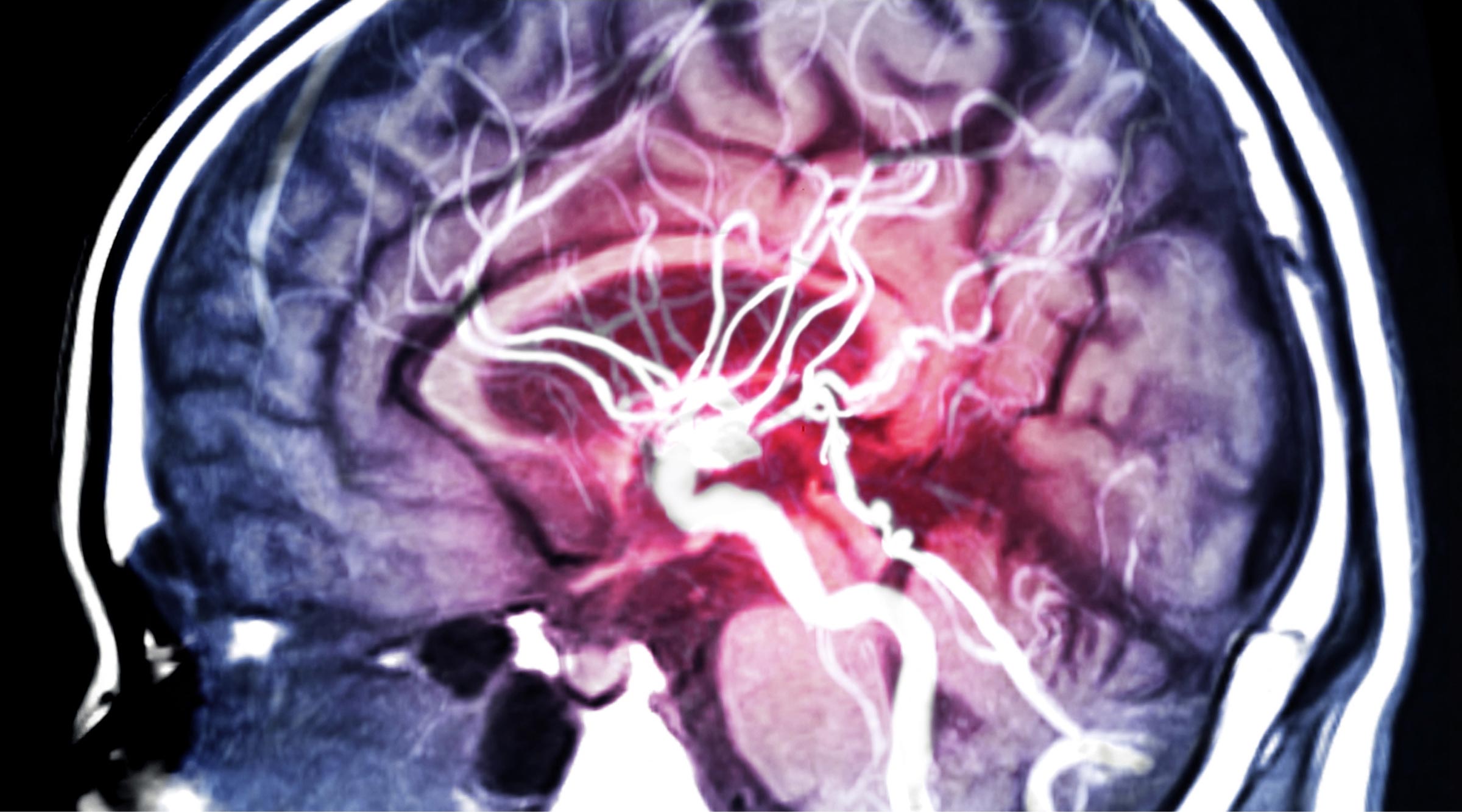
A new study shows that hypertension quietly disrupts brain cells and blood-vessel integrity well before blood pressure spikes.
Hypertension can begin harming blood vessels, brain cells and white matter long before a rise in blood pressure is detected, according to a new preclinical investigation from researchers at Weill Cornell Medicine. These early effects may help clarify why hypertension is strongly linked to cognitive disorders such as vascular cognitive impairment and Alzheimer’s disease.
The study, published in Neuron, shows that hypertension may trigger early shifts in gene activity within individual brain cells, setting the stage for problems with memory and thinking. This line of research could guide the development of treatments that not only lower blood pressure but also help preserve cognitive function.
Although patients with hypertension face a 1.2 to 1.5-fold higher likelihood of developing cognitive disorders compared with those without the condition, the underlying reason has remained unclear. Many widely used treatments effectively control blood pressure but have limited influence on brain health. The new findings suggest that structural and functional changes in blood vessels may contribute to damage that occurs separately from elevated pressure itself.
“We found that the major cells responsible for cognitive impairment were affected just three days after inducing hypertension in mice—before blood pressure increased,” said senior author Dr. Costantino Iadecola, director of the Feil Family Brain and Mind Research Institute, professor of neuroscience and Anne Parrish Titzell Professor of Neurology at Weill Cornell. “The bottom line is something beyond the dysregulation of blood pressure is involved.”
Dr. Anthony Pacholko, postdoctoral associate in neuroscience at Weill Cornell, co-led the work.
Aging Too Soon
Earlier research from Dr. Iadecola’s group showed that hypertension broadly disrupts how neurons operate, but advances in single-cell analysis have now given the team a way to examine the specific molecular changes occurring within individual brain cell types.
To create hypertension in mice, the scientists used the hormone angiotensin, which raises blood pressure in a way similar to human physiology. They then examined how various brain cells responded after three days (before blood pressure increased) and again after 42 days (when blood pressure was high and cognitive changes had appeared).
At day three, gene expression dramatically changed in three cell types: endothelial cells, interneurons and oligodendrocytes. Endothelial cells, which line the internal surface of blood vessels, aged prematurely with lower energy metabolism and higher senescence markers. The researchers also observed early signs of a weakened blood-brain barrier, which regulates the influx of nutrients into the brain and keeps out harmful molecules. Interneurons, brain cells that regulate the balance of excitatory and inhibitory nerve signals, were damaged, leading to an imbalance between inhibition and excitation like that seen in Alzheimer’s disease.
In addition, oligodendrocytes that enrobe nerve fibers with myelin did not properly express genes responsible for their maintenance and replacement. Without enough oligodendrocytes to maintain the health of the myelin sheath, neurons eventually lose the ability to communicate with each other, which is critical for cognitive function. Even more gene expression changes were observed at day 42, coinciding with cognitive decline.
“The extent of the early alterations induced by hypertension was quite surprising,” Dr. Pacholko said. “Understanding how hypertension affects the brain at the cellular and molecular levels during the earliest stages of the disease may provide clues to finding ways that can potentially block neurodegeneration.”
Moving Forward
An anti-hypertensive drug already in clinical use, called losartan, inhibits the angiotensin receptor. “In some human studies, the data suggest that the angiotensin receptor inhibitors may be more beneficial to cognitive health than other drugs that lower blood pressure,” Dr. Iadecola said. In additional experiments, losartan reversed the early effects of hypertension on endothelial cells and interneurons in the mouse model.
“Hypertension is a leading cause of damage to the heart and the kidneys, that can be prevented by antihypertensive drugs. So independent of cognitive function, treating high blood pressure is a priority,” Dr. Iadecola said.
Dr. Iadecola and his team are now investigating how the premature aging of small blood vessels induced by hypertension could trigger interneuron and oligodendrocyte defects. And in due time, the researchers hope to uncover the best way to prevent or reverse the devastating effects of hypertension on cognitive function.
Reference: “Hypertension-induced neurovascular and cognitive dysfunction at single-cell resolution” by Samantha M. Schaeffer, Anthony G. Pacholko, Monica M. Santisteban, Sung Ji Ahn, Gianfranco Racchumi, Gang Wang, Laibaik Park, Giuseppe Faraco, Josef Anrather and Costantino Iadecola, 14 November 2025, Neuron.
DOI: 10.1016/j.neuron.2025.10.018
Never miss a breakthrough: Join the SciTechDaily newsletter.
Follow us on Google and Google News.
3 Comments
Traumatic brain injuries can occur from 500kg blunt force trauma to the head
Traumatic brain injuries can occur from 500kg blunt force trauma to the head ?
It may also explain ADHD. Be careful of salty foods