

Scientists have discovered that the body’s own immune alarms may play a major role in rapid-aging diseases.
New research suggests that reducing the activity of an overactive immune sensor may help restore tissue function in severe genetic disorders, offering a new perspective on aging and DNA damage.
The immune system is designed to recognize and eliminate viruses, but this defense mechanism can sometimes turn against the body. When damaged pieces of the body’s own DNA are mistaken for viral material, the immune system can trigger a strong inflammatory response that harms healthy tissue.
An international research team led by Dr. Marva Bergman and Prof. Itamar Harel at Hebrew University, together with Prof. Yehuda Tzfati, Prof. Ido Ben-Ami (Hebrew University and Sha’are Zedek Medical Center), and Prof. Bérénice Benayoun (University of Southern California), identified this misplaced immune reaction as a major cause of tissue degeneration in severe rapid-aging disorders. By reducing the false immune alarm, the researchers restored function across several biological systems.
Rethinking the Cause of Cellular Decline
The study focused on rare DNA damage-repair (DDR) disorders, including Ataxia-Telangiectasia (A-T) and Bloom syndrome. These conditions disrupt the body’s ability to repair routine DNA damage, causing genomic instability, neurodegeneration, increased cancer risk, and premature aging.
For many years, scientists believed that unrepaired DNA damage itself was mainly responsible for cellular decline. The new findings suggest the body’s reaction to that damage may play an equally important role.
“Our results show that the damage isn’t acting alone,” said Prof. Harel. “It’s the body’s response to that damage, an exaggerated, chronic inflammatory reaction, that drives much of the degeneration.”
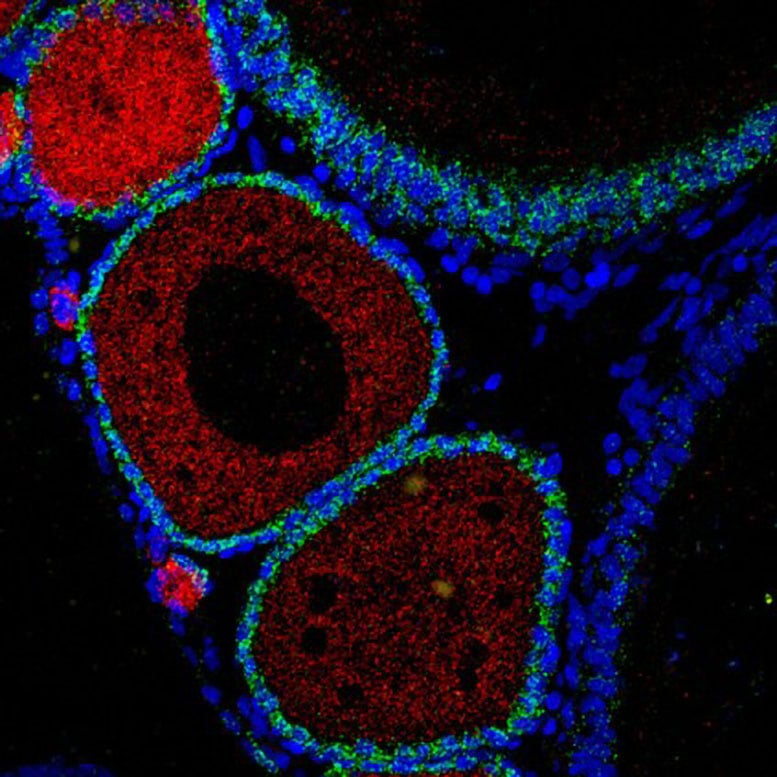
When cells fail to repair DNA properly, fragments of DNA can escape into the cytosol, the fluid surrounding cellular structures. There, they activate a sensor called cGAS. This system normally detects viral DNA, but it cannot reliably distinguish between foreign DNA and damaged DNA from the body itself. As a result, the immune system launches a prolonged inflammatory response that can damage tissues over time.
The Double Role of cGAS
The researchers also discovered that cGAS has another role beyond triggering inflammation. The molecule can enter the cell nucleus and directly interfere with DNA repair. Under normal conditions, cGAS helps protect the body, but when overstimulated, it can contribute to further damage.
To explore whether controlling this response could slow disease progression, the team used a fast-aging vertebrate model commonly used to study aging-related changes. Lowering cGAS activity significantly improved several disease markers, including neuroinflammation, tissue degeneration, and reduced reproductive capacity.
“We weren’t just slowing decline,” said Dr. Bergman. “We saw broad restoration of tissue function. It suggests that the body can cope with more DNA damage than we assumed, if the inflammatory response is kept in check.”
Implications for Aging and Disease Treatment
The findings could influence future treatment strategies. Instead of trying to repair every DNA lesion, researchers may be able to target the body’s inflammatory response to DNA damage. However, the team noted that cGAS is also important for fighting viral infections, so any future therapy would need to reduce harmful inflammation without weakening immune defenses.
The research may also have implications beyond rare genetic disorders. Chronic inflammation and genomic instability are common features of many age-related diseases, suggesting the same mechanisms could play a broader role in aging.
Related studies from the group also examined how biological processes such as reproduction and developmental timing connect to aging and lifespan. Together, the findings support the idea that systems that benefit the body early in life may also contribute to long-term decline later on.
The researchers emphasized that reversing disease symptoms is not the same as slowing the natural aging process itself. Even so, the study highlights a promising new approach for treating severe degenerative disorders by targeting the body’s own immune signaling pathways.
Reference: “A dual role for cGAS in shaping cellular and organismal responses to genomic instability” by Marva Bergman, Uri Goshtchevsky, Tehila Atlan, Gwendoline Astre, Ryan Halabi, Hosniyah El Ayoubi, Eitan Moses, Aaron J.J. Lemus, Bérénice A. Benayoun, Yehuda Tzfati, Ido Ben-Ami and Itamar Harel, 14 April 2026, Genes & Development.
DOI: 10.1101/gad.352760.125
Never miss a breakthrough: Join the SciTechDaily newsletter.
Follow us on Google and Google News.
2 Comments
So what are going to do about it?
The immune response frequently causes as much or more damage as the bacteria. The cells that are infected, if there are enough, especially in the lungs, when they are removed by macrophages, leave huge bleeding wounds. One treatment for tb years ago was to collapse the damaged lung to allow it to heal. There are anecdotal accounts of pregnant women who refused an abortion and were able to survive the pregnancy and return to health because the expansion of the uterus basically applied enough pressure to stop the bleeding, and allow healing. It was a risky choice, as the stress of pregnancy was rather likely to kill the mother and child before the pregnancy entered the 3rd trimester.