
A new study from a team of microbiologists and immunologists suggests that treatment aimed at increasing Th17 cells in the gut may improve the control of HIV growth by promoting an environment in which T cells having more anti-viral capabilities are produced.
The findings of a new study in monkeys may help clarify why some people infected with HIV are better able to control the virus. They also may pinpoint a target for treatment during early HIV infection aimed at increasing the supply of certain immune cells in the gut, which the study shows could be an important factor in limiting HIV growth in cells throughout the body.
The study was led by researchers at the University of California, San Francisco (UCSF) and included Kristina Abel, PhD, an assistant professor in the department of microbiology & immunology at UNC, at the time of the study a faculty member at the University of California, Davis (UCD). “The research involved a rhesus macaque model of HIV, monkeys who were infected with simian immunodeficiency virus, SIV,” Abel said. “The course of SIV infection in these monkeys is quite similar to that of HIV in humans.”
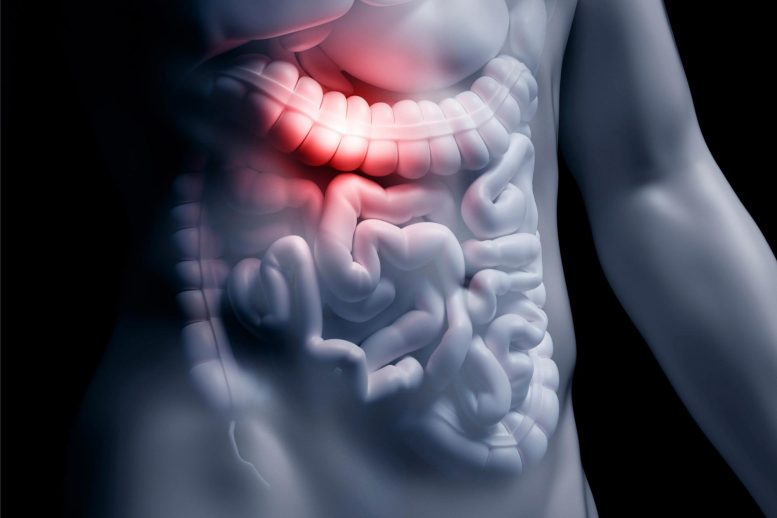
Both HIV and SIV infections cause severe CD4 T cell loss in the gut during early infection. As a result, the intestinal mucosal barrier, which is like the body’s second skin or front line of defense against pathogens, is compromised. The “leaky gut” causes bacteria that are normally located in the gut (the normal flora) to migrate out and activate the immune system throughout the body with disastrous health consequences. “The immune activation contributes to higher replication of the virus. And so the question is, why do some patients progress from infection to AIDS faster than others?” Abel asks.
This new study looked at the balance between certain immune cell populations that might influence disease outcome. The study shows the presence of a subtype of CD4-positive immune cells called Th17 (T helper 17) cells in the gut “could influence disease outcome.”
A report of the research appeared in the May 30, 2012, online issue of Science Translational Medicine. Th17 cells are commonly found at mucosal surfaces and activate epithelial or outer layer barrier cells to secrete antimicrobial molecules, thus blocking disease-causing bacteria from entering. Abel points out that they also stimulate the production of “tight junction” proteins that keep all the cells that make up the intestinal barrier in close contact, “so that bacteria of the normal flora or their products cannot leak out.”
The researchers wondered if there are more Th177 cells in the gut, would infection with the AIDS virus still have that early massive effect on gut permeability? And if you could keep the intestinal barrier intact during early infection with HIV, would it have an impact on the severity of disease progression, on having less severe disease in the long run?
Results of the study suggest that the answers may be yes. Rhesus macaques with higher numbers of Th17 cells in blood and intestinal tissue before they are infected with SIV subsequently have lower SIV viral loads. “It appears they’re more able to control the infection,” Abel said.
The study also found that among animals given a drug that increases regulatory T cells and thereby suppresses Th17 cell development, disease progression occurred more rapidly, and they had higher levels of SIV virus six months after infection.
“The main message of the study is that the frequencies of certain immune cell populations in the normal, still uninfected individual are important in subsequent disease progression and outcome,” Abel said. “The paper also suggests that treatment aimed at increasing Th17 cells may improve the control of HIV growth by promoting an environment in which T cells having more anti-viral capabilities are produced.”
Reference: “SIV Replication in the Infected Rhesus Macaque Is Limited by the Size of the Preexisting TH17 Cell Compartment” by Dennis J. Hartigan-O’Connor, Kristina Abel, Koen K. A. Van Rompay, Bittoo Kanwar and Joseph M. McCune, 30 May 2012, Science Translational Medicine.
DOI: 10.1126/scitranslmed.3003941
The study’s principal investigator was Dennis J. Hartigan-O’Connor, MD, PhD, from UCSF (now at UCD). Other investigators are Koen K.A. Rompay, from UCD; Bitoo Kanwar, from UCSF; and study senior author Joseph M. McCune, MD, PhD, from UCSF.
Support for the research came from the National Institutes of Health, the Bill and Melinda Gates Foundation, the California National Primate Research Center, the National Center for Research Resources, and the Harvey V. Berneking Living Trust.
Never miss a breakthrough: Join the SciTechDaily newsletter.
Follow us on Google and Google News.