
Close Menu
    Facebook X (Twitter) Instagram
    SciTechDaily
    • Biology
    • Chemistry
    • Earth
    • Health
    • Physics
    • Science
    • Space
    • Technology
    Facebook X (Twitter) Pinterest YouTube RSS
    SciTechDaily
    Home»Science»India Can Boost Clean Energy While Doubling Its Power Supply by 2030
    Science

    India Can Boost Clean Energy While Doubling Its Power Supply by 2030

    By Lawrence Berkeley National LaboratoryApril 3, 20211 Comment3 Mins Read
    Facebook Twitter Pinterest Telegram LinkedIn WhatsApp Email Reddit
    Share
    Facebook Twitter LinkedIn Pinterest Telegram Email Reddit
    India Renewable Energy
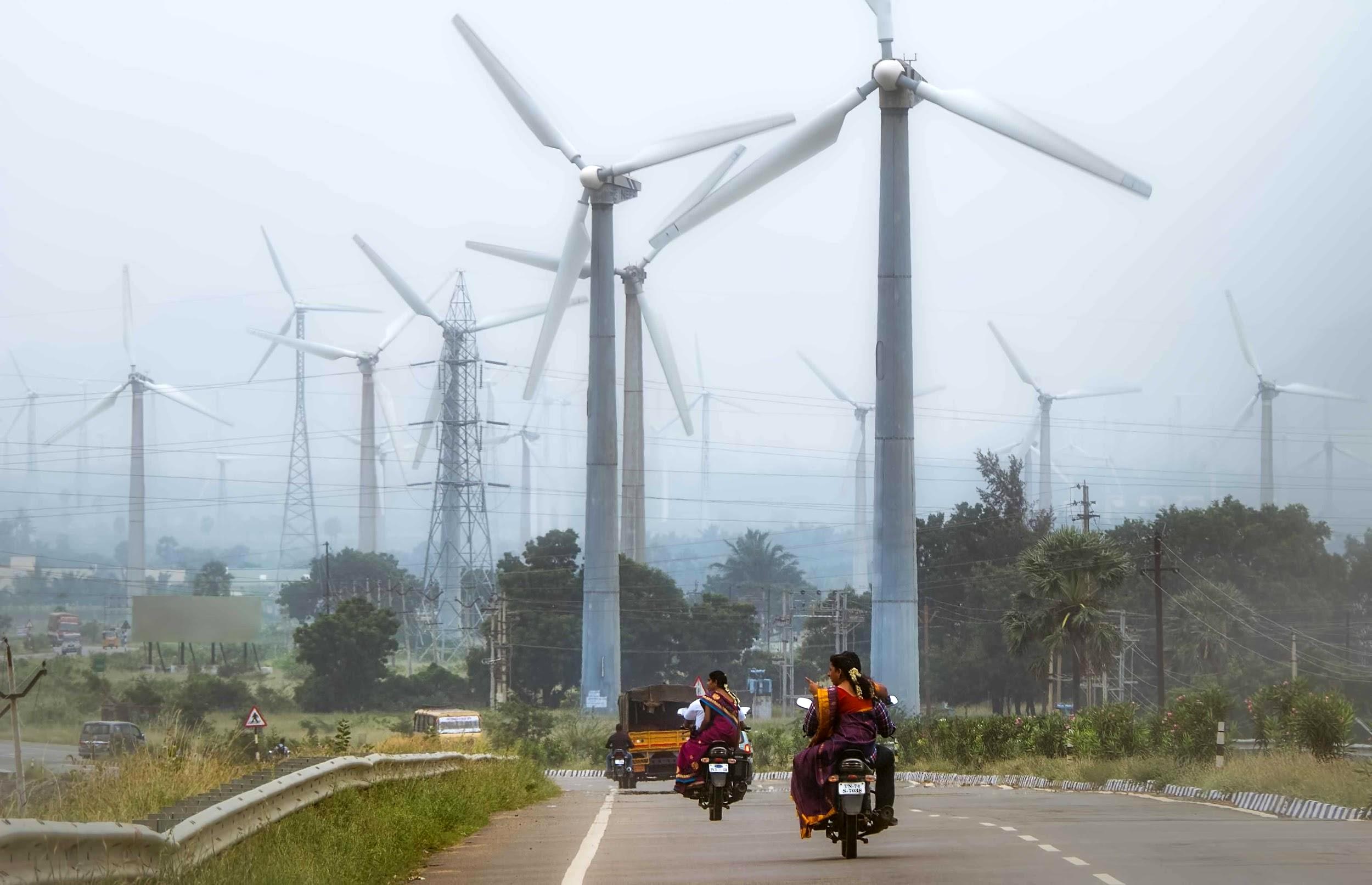
    Highway and wind turbines in Tamil Nadu, India. India has ambitious scale-up plans for renewable energy over the next decade. Credit: iStock

    Berkeley Lab-led team of researchers finds that higher targets for wind and solar would come at a comparable cost to fossil fuel sources.

    India has set ambitious targets for renewable power, with plans to quintuple its current wind and solar energy capacity by 2030. The country’s transition away from fossil fuels will have a significant impact on global climate efforts, since it is the world’s third-largest greenhouse gas emitter – although its per capita emissions are below the global average.

    A new study recently published in the Proceedings of the National Academy of Sciences from researchers at Berkeley Lab, UC Santa Barbara, and UC Berkeley shows India can aim even higher with its renewable energy goals. By increasing its clean power capacity from the current target of 450 gigawatts within the next decade to 600 gigawatts, the nation can hold its greenhouse gas emissions from the electricity sector at 2018 levels while nearly doubling the supply of electricity to meet economic development needs. The costs, the researchers demonstrated, would be comparable to those of a fossil fuel-dominated grid.

    Cost-Effective Path to Renewable Expansion

    “We found that high renewable energy targets can be cost-effective for India, thanks to falling prices,” said UC Santa Barbara assistant professor and Berkeley Lab faculty scientist Ranjit Deshmukh. “The key to achieving the lowest costs lies in finding the right mix on the electric grid.”

    Using computer models, the research team, which also included Duncan Callaway of UC Berkeley, examined the electricity and carbon mitigation costs needed to reliably operate India’s grid in 2030 for a variety of wind and solar targets.

    Under current goals, two-thirds of India’s added renewable electricity would come from solar and the rest from wind. But because of India’s weather and electricity demand patterns, a target that leans more heavily on wind power will lead to lower costs, the study found.

    India will still need resources to meet electricity demand during times when both sun and wind levels are too low, the researchers noted.

    “Costs for energy storage on the grid are falling rapidly, making it a viable option in the near term,” said Amol Phadke, a Berkeley Lab staff scientist. “To avoid investments in new coal power plants, deploying battery storage will be essential.”

    Reference: “Least-cost targets and avoided fossil fuel capacity in India’s pursuit of renewable energy” by Ranjit Deshmukh, Amol Phadke and Duncan S. Callaway, 22 March 2021, Proceedings of the National Academy of Sciences.
    DOI: 10.1073/pnas.2008128118

    Never miss a breakthrough: Join the SciTechDaily newsletter.
    Follow us on Google and Google News.

    DOE Energy Green Energy Lawrence Berkeley National Laboratory
    Share. Facebook Twitter Pinterest LinkedIn Email Reddit

    Related Articles

    Global Race to Unlock Subterranean Hydrogen: The Future of Limitless Clean Energy

    Experts Predict Wind Energy Costs to Drop Significantly in the Future

    US Power Sector Is Already Halfway to Zero Carbon Emissions

    Speeding Toward Improved Hydrogen Fuel Production With a New Nanomaterial

    Science Made Simple: What Are Solar Fuels?

    Efficient AC Use: Building Scientist’s Tips on Keeping Cool During Heat Waves

    Defects Deliver the Best of Both Worlds: Highly Efficient Ultrahigh Energy Density Capacitor

    Transformative Device Generates Energy From the Cold Night Sky, When Solar Doesn’t Work

    New Technologies to Extract Clean Fuel From Sunlight

    1 Comment

    1. xABBAAA on April 8, 2021 4:29 am

      … a great power, but will it be utilized, and that is a second thing the great potential fails to deliver…

      Reply
    Leave A Reply Cancel Reply

    • Facebook
    • Twitter
    • Pinterest
    • YouTube

    Don't Miss a Discovery

    Subscribe for the Latest in Science & Tech!

    Trending News

    Your Blood Pressure Reading Could Be Wrong Because of One Simple Mistake

    Astronomers Stunned by Ancient Galaxy With No Spin

    Physicists May Be on the Verge of Discovering “New Physics” at CERN

    Scientists Solve 320-Million-Year Mystery of Reptile Skin Armor

    Scientists Say This Daily Walking Habit May Be the Secret to Keeping Weight Off After Dieting

    New Therapy Rewires the Brain To Restore Joy in Depression Patients

    Giant Squid Detected off Western Australia in Stunning Deep-Sea Discovery

    Popular Sugar-Free Sweetener Linked to Liver Disease, Study Warns

    Follow SciTechDaily
    • Facebook
    • Twitter
    • YouTube
    • Pinterest
    • Newsletter
    • RSS
    SciTech News
    • Biology News
    • Chemistry News
    • Earth News
    • Health News
    • Physics News
    • Science News
    • Space News
    • Technology News
    Recent Posts
    • New Stroke Study Challenges Decades-Old Medical Beliefs
    • These Simple Plant Foods Are Linked to Lower Blood Pressure
    • Common Blood Pressure Drug Supercharges Cancer Treatment in Surprising New Study
    • Key Magic Mushroom Ingredient Increases Laziness and Reduces Aggression
    • Researchers Solve 15-Year Mystery Behind Cancer-Causing Gut Toxin
    Copyright © 1998 - 2026 SciTechDaily. All Rights Reserved.
    • Science News
    • About
    • Contact
    • Editorial Board
    • Privacy Policy
    • Terms of Use

    Type above and press Enter to search. Press Esc to cancel.