
Close Menu
    Facebook X (Twitter) Instagram
    SciTechDaily
    • Biology
    • Chemistry
    • Earth
    • Health
    • Physics
    • Science
    • Space
    • Technology
    Facebook X (Twitter) Pinterest YouTube RSS
    SciTechDaily
    Home»Biology»Innovative Genetic Analysis Unlocks Clues to the Evolution and Survival of the Great Barrier Reef
    Biology

    Innovative Genetic Analysis Unlocks Clues to the Evolution and Survival of the Great Barrier Reef

    By ARC Centre of Excellence for Coral Reef StudiesFebruary 19, 2021No Comments3 Mins Read
    Facebook Twitter Pinterest Telegram LinkedIn WhatsApp Email Reddit
    Share
    Facebook Twitter LinkedIn Pinterest Telegram Email Reddit
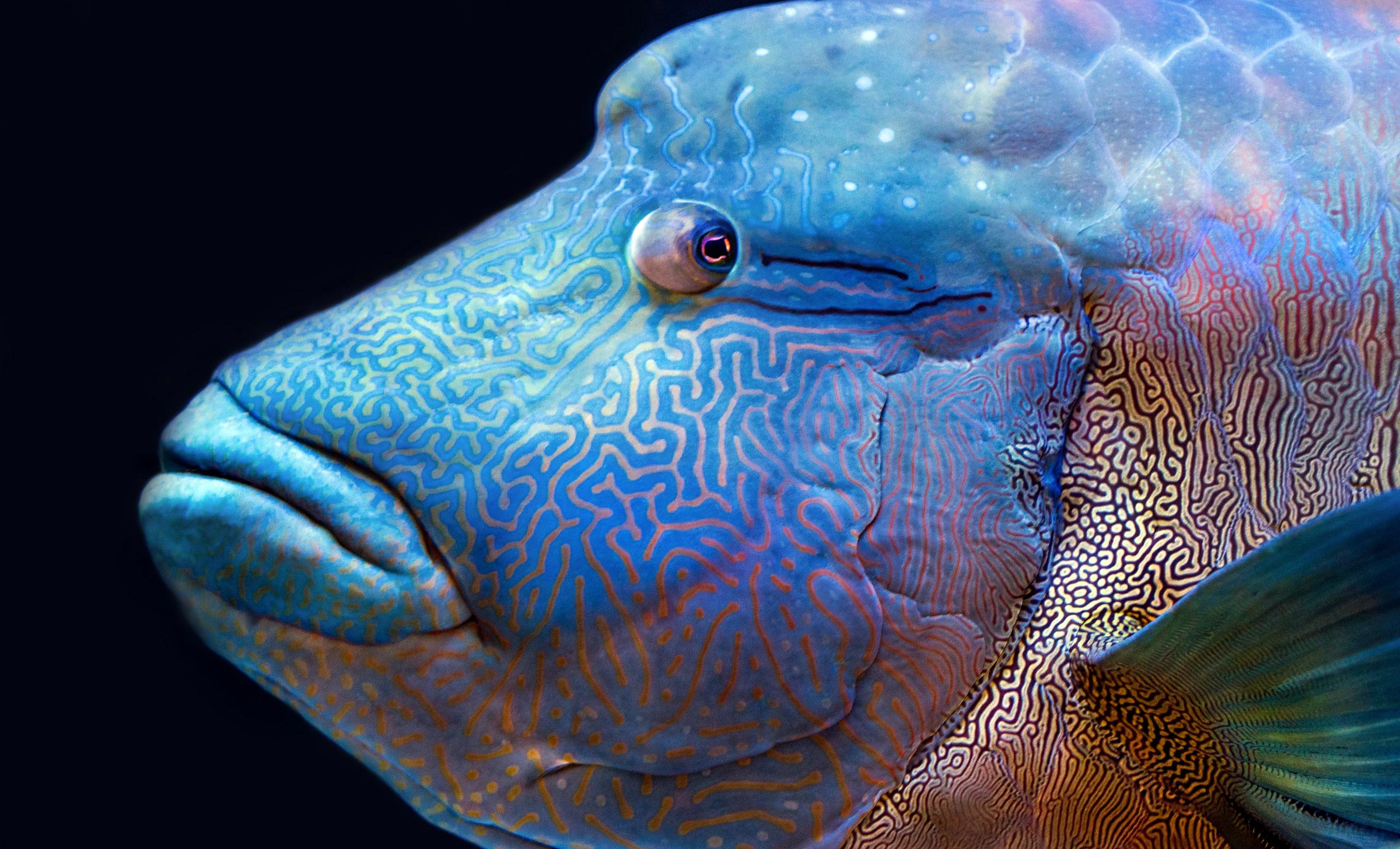
    Maori Wrasse
    Māori wrasse are large, colorful fish that can be found on the Great Barrier Reef.

    Coral genome analysis reveals ancient survival strategies that could aid reef conservation.

    In a ground-breaking new study, scientists used innovative molecular techniques to explain how corals on the east coast of Australia survived previous tough conditions—enabling the Great Barrier Reef to become the vast reef it is today.

    “We sequenced the genomes of 150 individual colonies of the same species of corals and used this to find out which genes are important for survival in inshore reefs,” said the study’s lead author Dr Ira Cooke from James Cook University.

    “Genomes are like a time capsule containing an enormous wealth of historical information,” said co-author Professor David Miller from the ARC Centre of Excellence for Coral Reef Studies (Coral CoE).

    “Generally, single genomes are really useful in coral studies, but hundreds of genomes for the same species are a goldmine of information,” Prof Miller said.

    A Glimpse into Coral Evolutionary History

    The team delved into the ancient history of reefs, back some one million years, to when inshore corals from Magnetic Island first diverged from their northern reef kin.
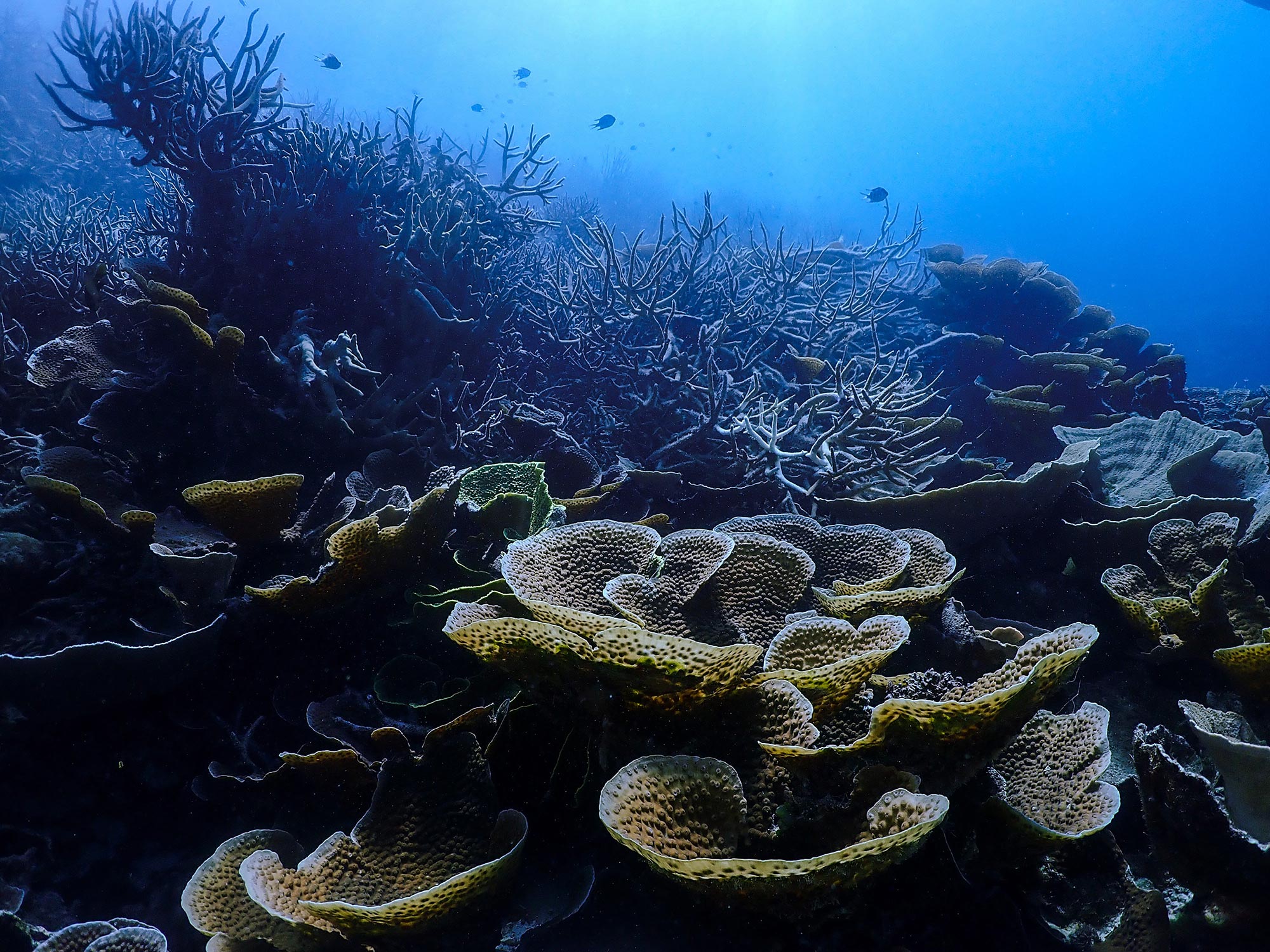
    Green Coral Reef
    The study mapped the ancient history of the Great Barrier Reef, back some one million years, to when inshore corals from Magnetic Island first diverged from their northern reef kin.

    The scientists mapped the rise and fall of these two coral populations on the Great Barrier Reef, tracking which genes rapidly evolved to endure changing conditions, while measuring the flow of genes between locations.

    They say the results are important for the current and future conservation of coral reefs.

    Dr. Cooke and his team already knew corals on the inshore Great Barrier Reef were able to flourish despite a disruptive environment of high turbidity and highly variable salinity and temperature parameters. By looking at the variation between genomes the team discovered exactly how the corals achieved this feat.

    Resilience Through Genetic Adaptation and Symbios

    The survival strategies used by the reef’s inshore corals include a set of genes that evolved rapidly during the past 10,000 years. This time period includes flooding after the last ice-age. Another strategy includes the assimilation of specialist strains of coral symbiotic algae. These were found in reefs with some of the toughest conditions—often close to rivers.

    “These two strategies deserve special attention in future studies, as possible keys to the survival of corals under similar conditions,” Dr. Cooke said.

    “Losing these reefs is a future possibility as coral reefs currently experience unprecedented, drastic, and rapid changes due to human influence,” Prof Miller said.

    “Coral reefs are threatened by climate change, over-fishing, and pollution.”

    In addressing the latter, Dr. Cooke says it’s highly important to care for water catchments and water quality.

    “As high-quality genome assemblies are derived from a broader range of corals and their symbionts, this and related approaches will become key tools,” the authors said.

    “These bring us closer to understanding the interaction between past climate conditions and the evolution of corals and coral reefs.”

    Reference: “Genomic signatures in the coral holobiont reveal host adaptations driven by Holocene climate change and reef specific symbionts” by Ira Cooke, Hua Ying, Sylvain Forêt, Pim Bongaerts, Jan M. Strugnell, Oleg Simakov, Jia Zhang, Matt A. Field, Mauricio Rodriguez-Lanetty, Sara C. Bell, David G. Bourne, Madeleine JH van Oppen, Mark A. Ragan and David J. Miller, 27 November 2020, Science Advances.
    DOI: 10.1126/sciadv.abc6318

    Never miss a breakthrough: Join the SciTechDaily newsletter.
    Follow us on Google and Google News.

    Coral Reefs Ecology Evolution Genetics Great Barrier Reef Marine Biology Molecular Biology
    Share. Facebook Twitter Pinterest LinkedIn Email Reddit

    Related Articles

    Diversity of Tiny Bobtail Squid Driven by Major Ancient Biogeographic Events

    Reef-Building Corals and the Microscopic Algae Within Their Cells Genetically Evolve in Tandem

    How Did 500 Species of a Fish Evolve in a Lake? Dramatically Different Body Clocks

    Which Animals Will Survive Climate Change? Genetic Changes Help Scientists Predict

    Overfishing of Atlantic Cod Likely Did Not Cause Genetic Changes – Hope for Recovery

    Global Coral Reef Survival: Could Key Gene System Discovery Be Suffocating Corals’ Last Gasp?

    Discovery of Weird Microbes in the Deep Waters of the Black Sea Offers New Insights on Early Evolution of Life

    “Treasure Trove” of New Coral Species Discovered Along the Great Barrier Reef

    Rare Species of Animals and Plants Organize in Ghettos to Survive

    Leave A Reply Cancel Reply

    • Facebook
    • Twitter
    • Pinterest
    • YouTube

    Don't Miss a Discovery

    Subscribe for the Latest in Science & Tech!

    Trending News

    Scientists May Have Discovered How To Heal Damaged Kidneys

    Interstellar Visitor 3I/ATLAS Is Bursting With an Unexpected Chemical

    Scientists Just Found All 5 Genetic “Letters” of DNA and RNA on an Asteroid

    The 4,000-Year-Old City That Defied History’s Rules on Wealth and Power

    The World’s Biggest Population Fear Has Flipped – and It Could Change Everything

    This “Fake” Pill Improved Memory and Physical Performance in Just 3 Weeks

    Scientists Say Frequent Ejaculation May Improve Sperm Quality and Fertility

    Scientists Have Found “The Heaven Sword” After Years of Looking

    Follow SciTechDaily
    • Facebook
    • Twitter
    • YouTube
    • Pinterest
    • Newsletter
    • RSS
    SciTech News
    • Biology News
    • Chemistry News
    • Earth News
    • Health News
    • Physics News
    • Science News
    • Space News
    • Technology News
    Recent Posts
    • Scientists Challenge a Fundamental Assumption About Consciousness
    • Scientists Say the “Backrooms” Have Become a New Kind of Tourist Destination
    • A Giant Scorpion the Size of a Coffee Table Is Forcing Scientists To Rethink Evolution
    • Science Debunks a Common Belief About Pets and Stress
    • The Surprising Reason Sugary Gum Helped Lower Blood Pressure
    Copyright © 1998 - 2026 SciTechDaily. All Rights Reserved.
    • Science News
    • About
    • Contact
    • Editorial Board
    • Privacy Policy
    • Terms of Use

    Type above and press Enter to search. Press Esc to cancel.