
Close Menu
    Facebook X (Twitter) Instagram
    SciTechDaily
    • Biology
    • Chemistry
    • Earth
    • Health
    • Physics
    • Science
    • Space
    • Technology
    Facebook X (Twitter) Pinterest YouTube RSS
    SciTechDaily
    Home»Biology»Insects Beware! This New Carnivorous Plant Wants To Eat You
    Biology

    Insects Beware! This New Carnivorous Plant Wants To Eat You

    By University of British ColumbiaAugust 19, 2021No Comments4 Mins Read
    Facebook Twitter Pinterest Telegram LinkedIn WhatsApp Email Reddit
    Share
    Facebook Twitter LinkedIn Pinterest Telegram Email Reddit
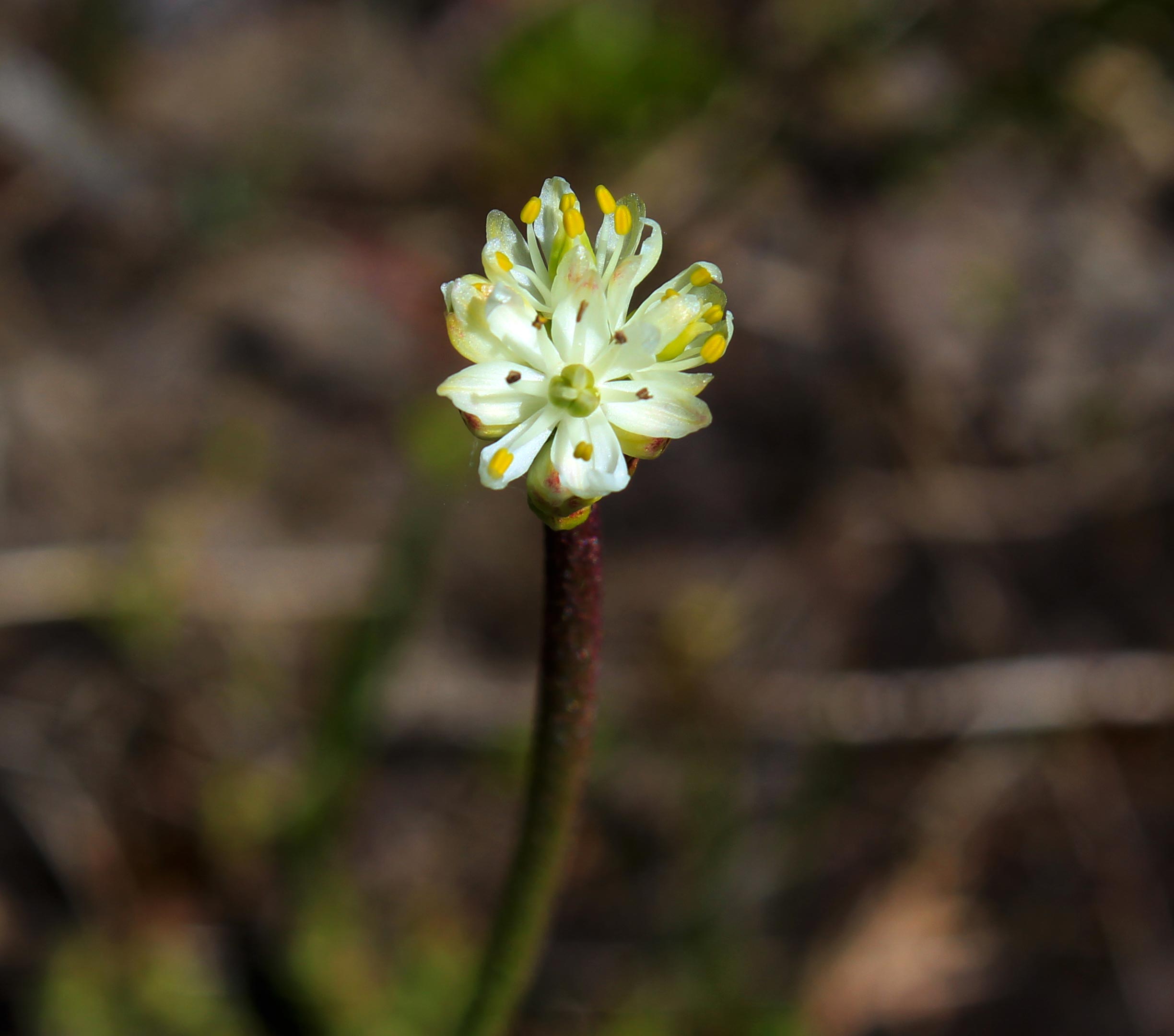
    Flower of Triantha occidentalis
    Flower of Triantha occidentalis in a bog at Cypress Provincial Park, British Columbia, Canada. Credit: Danilo Lima

    First new carnivorous plant identified by botanists in 20 years.

    The delicate stalk and pretty white flowers of Triantha occidentalis may seem like the perfect place to perch if you’re an insect, but get trapped in its sticky hairs and it will suck the nutrients from your dead corpse.

    That’s the surprising new finding by University of British Columbia and University of Wisconsin-Madison researchers, detailed today in PNAS.
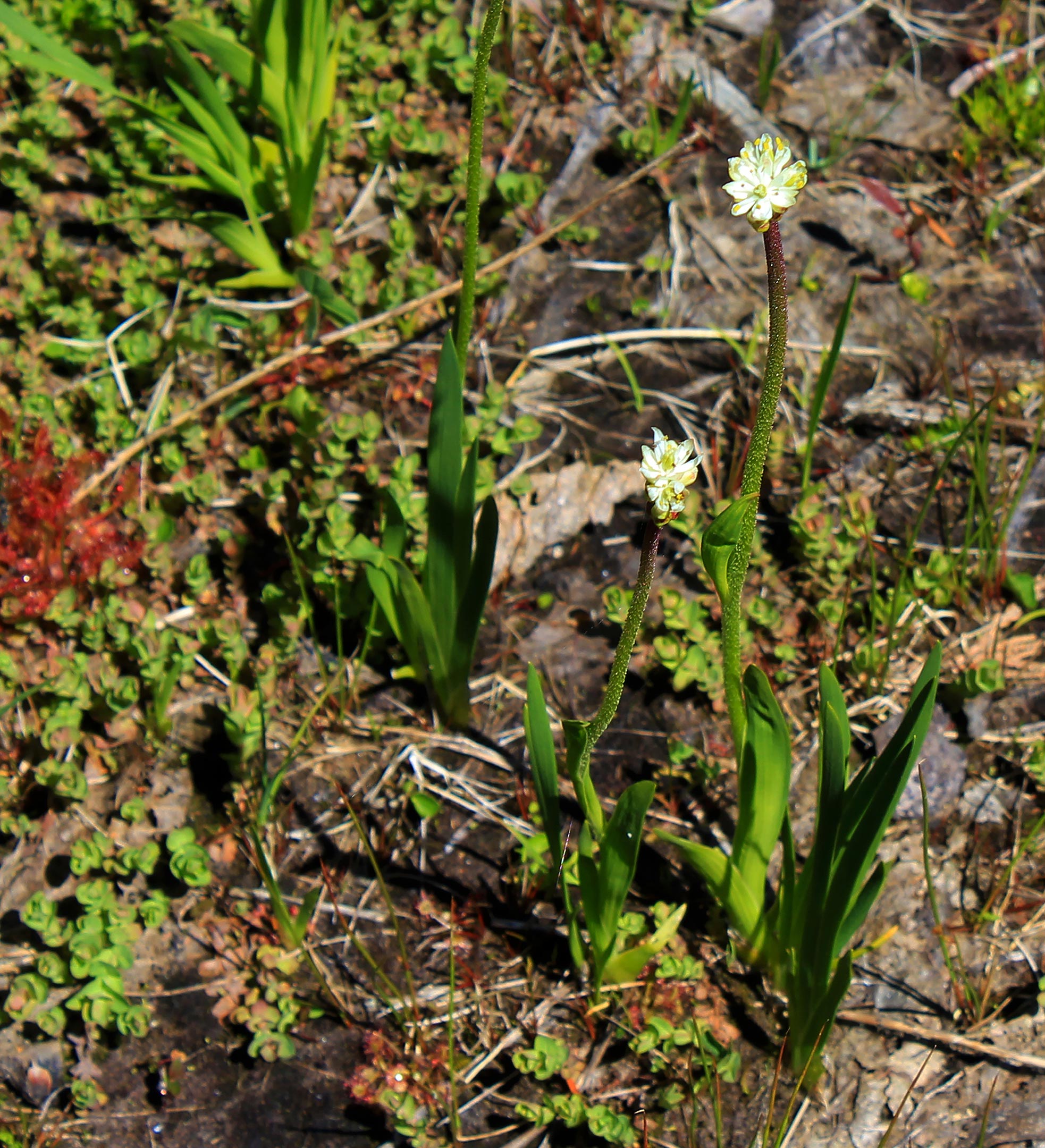
    Triantha occidentalis
    Plants of Triantha occidentalis (foreground) with sticky-trap inflorescences, growing among other carnivorous plants (sundews) in a bog at Cypress Provincial Park, British Columbia, Canada. Credit: Danilo Lima

    Triantha – a species of false asphodel – is the first new carnivorous plant to be identified by botanists in 20 years. It is notable for the unusual way it traps prey with sticky hairs on its flowering stem.

    “Carnivorous plants have fascinated people since the Victorian era because they turn the usual order of things on its head: this is a plant eating animals,” said co-author Dr. Sean Graham, a professor in the Department of Botany at UBC. “We’re thrilled to have identified one growing right here in our own backyard on the west coast.”

    The plant grows in nutrient-poor, boggy but bright areas on the west coast of North America, from California to Alaska. For the study, the researchers investigated specimens growing on Cypress Mountain in North Vancouver, British Columbia.
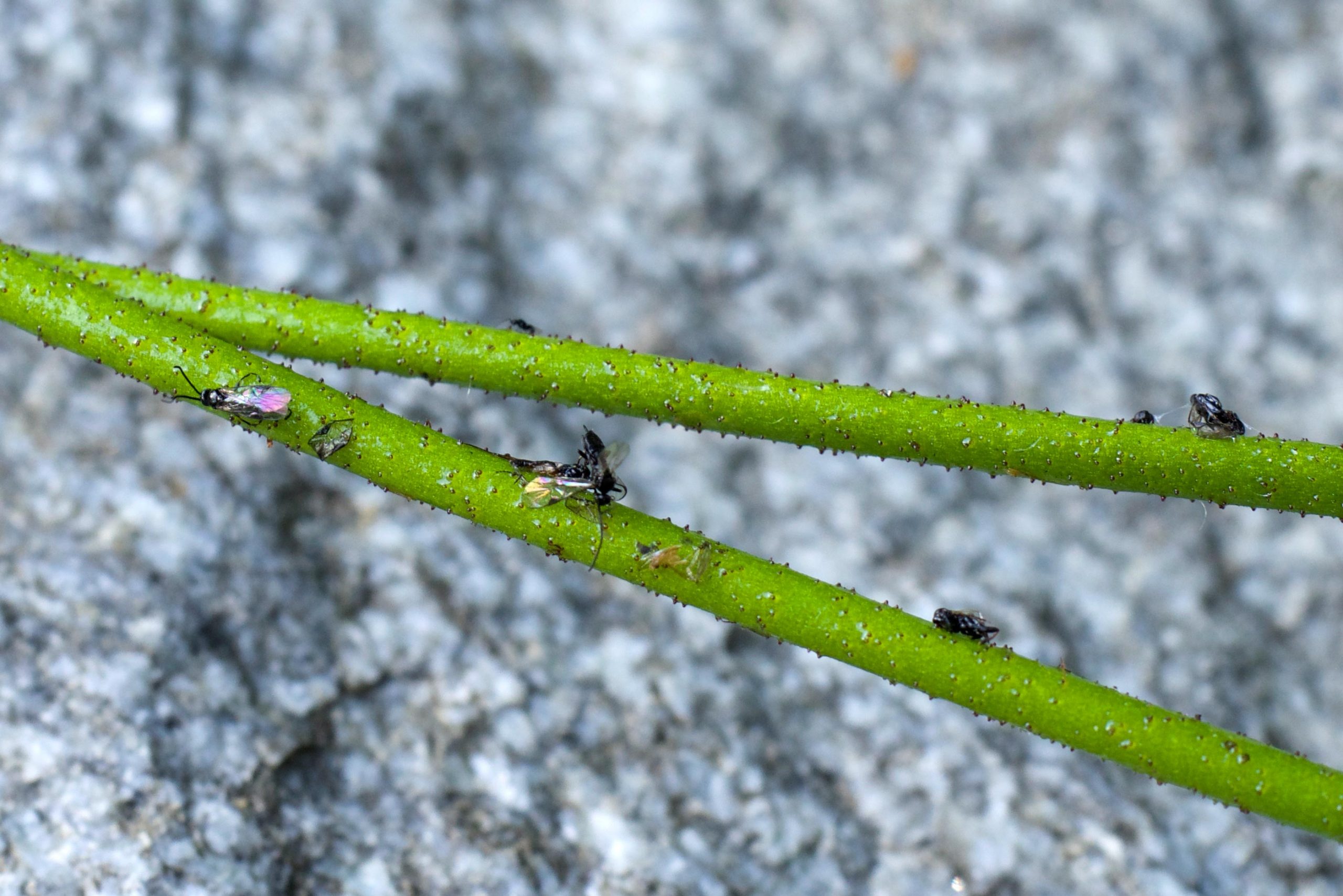
    Fresh Field Specimens of Triantha occidentalis
    Fresh field specimens of Triantha occidentalis from North Cascades National Park, Washington, with a close-up view showing sticky reddish glandular hairs and trapped insects. Credit: Qianshi Lin

    Carnivory Meets Pollination: A Delicate Balance

    “What’s particularly unique about this carnivorous plant is that it traps insects near its insect-pollinated flowers,” said lead author Dr. Qianshi Lin, a PhD student at UBC botany at the time of the study. “On the surface, this seems like a conflict between carnivory and pollination because you don’t want to kill the insects that are helping you reproduce.”

    “We believe that Triantha is able to balance carnivory with pollination because its glandular hairs are not very sticky and can only trap midges and other small insects, so that the much larger and stronger bees and butterflies that act as its pollinators are not captured,” said co-author Dr. Tom Givnish, a professor in the department of botany at the University of Wisconsin-Madison.

    The research builds on previous work in Dr. Graham’s lab, which found that Triantha lacked a particular gene that is often missing in other carnivorous plants.

    Triantha occidentalis From North Cascades National Park
    Fresh field specimen of Triantha occidentalis from North Cascades National Park, Washington, USA. Credit: Qianshi Lin

    Tracking the Kill with Nitrogen Isotopes

    In order to investigate if the plant was indeed partial to snacking on insects, Dr. Lin attached fruit flies labeled with nitrogen-15 isotopes to its flowering stem. The label acted as a tracking device, allowing Dr. Lin to trace changes in nitrogen uptake by the plant.

    He then compared the results with those from similar experiments on other species that grow in the same area, including a recognized carnivorous plant (a sundew) and several non-carnivorous plants as controls.

    Isotopic analysis showed significant uptake of nitrogen by Triantha, which obtained more than half its nitrogen from prey –comparable to sundews in the same habitat, and other carnivorous plants elsewhere.

    Bog at Cypress Provincial Park in British Columbia
    The bog where the experiment was conducted at Cypress Provincial Park in British Columbia, Canada. Credit: Qianshi Lin

    Digestive Enzymes Reveal a True Carnivore

    The study also found that the sticky hairs on the Triantha flower stalk produce phosphatase, a digestive enzyme used by many carnivorous plants to obtain phosphorous from prey.

    The proximity of Triantha to major urban centers in western Canada and the Pacific coast in the United States suggests that other carnivorous plants – and many other ecological surprises – remain to be discovered, even in well-studied ecosystems.

    But if you’re tempted to recreate the film, Little Shop of Horrors, or bring Triantha home to deal with pesky summer fruit flies, the researchers warn the plant doesn’t do well outside of its natural environment and advise admiring its quirks from a distance.

    For more on this discovery, read New Carnivorous Plant Discovered in North America.

    Reference: “A new carnivorous plant lineage (Triantha) with a unique sticky-inflorescence trap” by Qianshi Lin, Cécile Ané, Thomas J. Givnish and Sean W. Graham, 9 August 2021, Proceedings of the National Academy of Sciences.
    DOI: 10.1073/pnas.2022724118

    This research was supported by Cypress Provincial Park, the Natural Sciences and Engineering Research Council of Canada (NSERC) and the National Science Foundation (NSF).

    Never miss a breakthrough: Join the SciTechDaily newsletter.
    Follow us on Google and Google News.

    Entomology Evolution Plant Science University of British Columbia
    Share. Facebook Twitter Pinterest LinkedIn Email Reddit

    Related Articles

    Biologists Discover That Flower Shapes Evolve to Adapt to Their Pollinators

    71 New Species From 2019 Described by Scientists: From Geckos to Goblin Spiders

    Recently Discovered Parasitic Wasp Is Enemy of Serious Alien Pest in North America

    In a Twist of Fate, Ant Expert Discovers Distinct New Species in His Own Backyard

    Meet the ‘Mold Pigs,’ a Newly Discovered Invertebrate From 30 Million Years Ago

    1 Billion Years of Evolution Illuminated by Genetic Sequencing of 1,100 Plants

    Ants Fight Plant Diseases by Secreting Antibiotics – Potential for Use in Agriculture

    The Unexpected Role Ant-Plant Partnerships May Play in Ant Evolution

    Frightening 500-Million-Year-Old Predator Unveils the Rise of Scorpions and Spiders

    Leave A Reply Cancel Reply

    • Facebook
    • Twitter
    • Pinterest
    • YouTube

    Don't Miss a Discovery

    Subscribe for the Latest in Science & Tech!

    Trending News

    The Universe Is Expanding Too Fast and Scientists Can’t Explain Why

    “Like Liquid Metal”: Scientists Create Strange Shape-Shifting Material

    Early Warning Signals of Esophageal Cancer May Be Hiding in Plain Sight

    Common Blood Pressure Drug Shows Surprising Power Against Deadly Antibiotic-Resistant Superbug

    Scientists Uncover Dangerous Connection Between Serotonin and Heart Valve Disease

    Scientists Discover a “Protector” Protein That Could Help Reverse Hair Loss

    Bone-Strengthening Discovery Could Reverse Osteoporosis

    Scientists Uncover Hidden Trigger Behind Stem Cell Aging

    Follow SciTechDaily
    • Facebook
    • Twitter
    • YouTube
    • Pinterest
    • Newsletter
    • RSS
    SciTech News
    • Biology News
    • Chemistry News
    • Earth News
    • Health News
    • Physics News
    • Science News
    • Space News
    • Technology News
    Recent Posts
    • Scientists Overcome Major Quantum Bottleneck, Potentially Transforming Teleportation and Computing
    • Quantum Physics’ Strangest Problem May Hold the Key to Time Itself
    • Scientists Create “Liquid Gears” That Spin Without Touching
    • The Simple Habit That Could Help Prevent Cancer
    • Forgotten Medicinal Plant Shows Promise in Fighting Dangerous Superbugs
    Copyright © 1998 - 2026 SciTechDaily. All Rights Reserved.
    • Science News
    • About
    • Contact
    • Editorial Board
    • Privacy Policy
    • Terms of Use

    Type above and press Enter to search. Press Esc to cancel.