
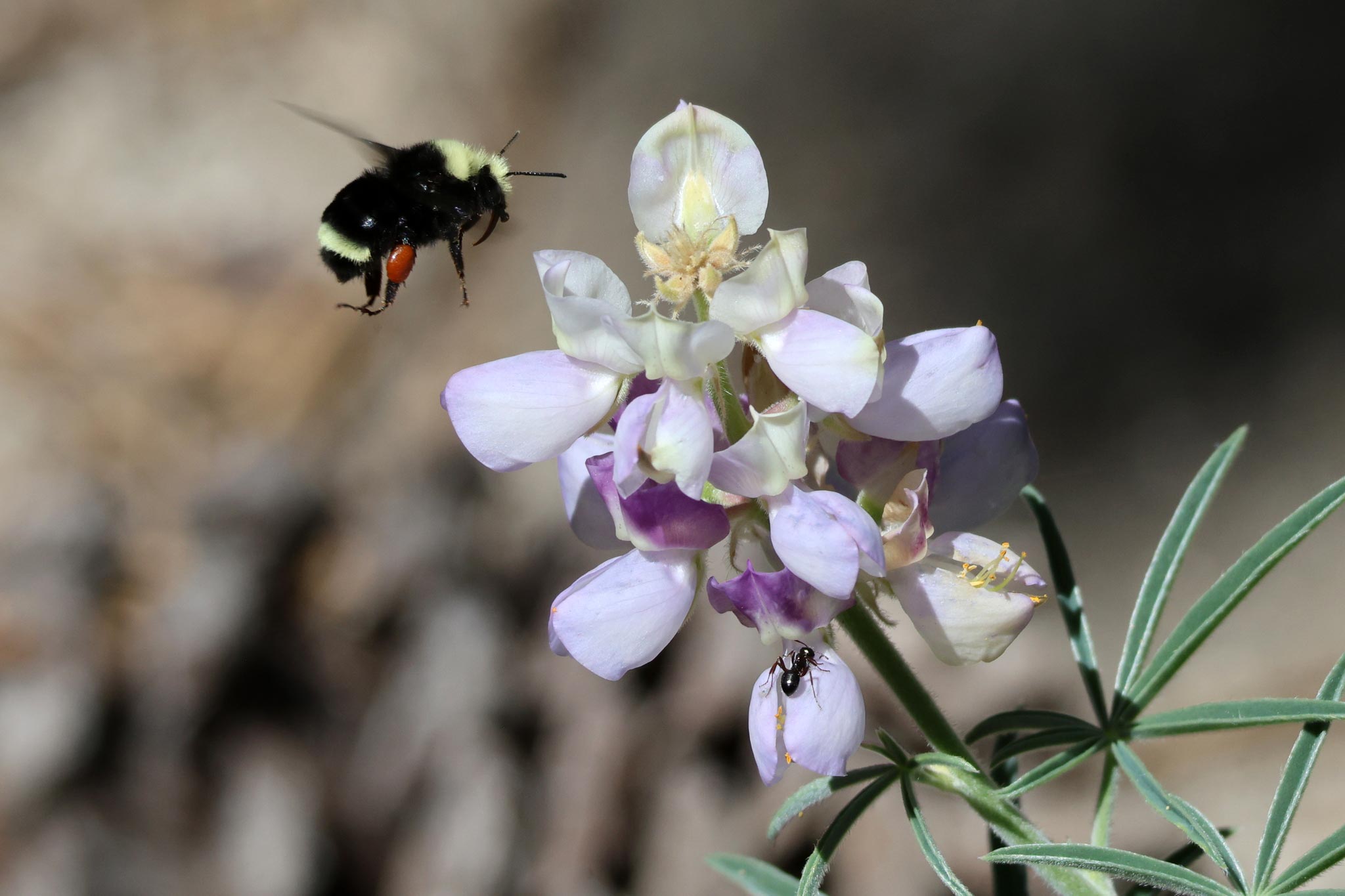
Bumble bees may overpower invasive Argentine ants in one-on-one fights, but those victories come at a hidden cost.
When bumble bees encounter invasive Argentine ants at feeding sites, they may defeat them in direct clashes but still return to the colony with less nectar. A single victory does not necessarily benefit the hive if it costs valuable foraging time.
Bumble bees already face mounting pressures from shrinking habitats, disease, and pesticide exposure. Former UC Riverside entomology graduate student Michelle Miner set out to determine whether aggressive ants might be adding another layer of stress.
“With how important bumble bees are as pollinators, it made sense to try and understand more about what’s going on in these tiny nectar wars, because they could have a big impact,” Miner said.
Lab Study Tracks Thousands of Bee Behaviors
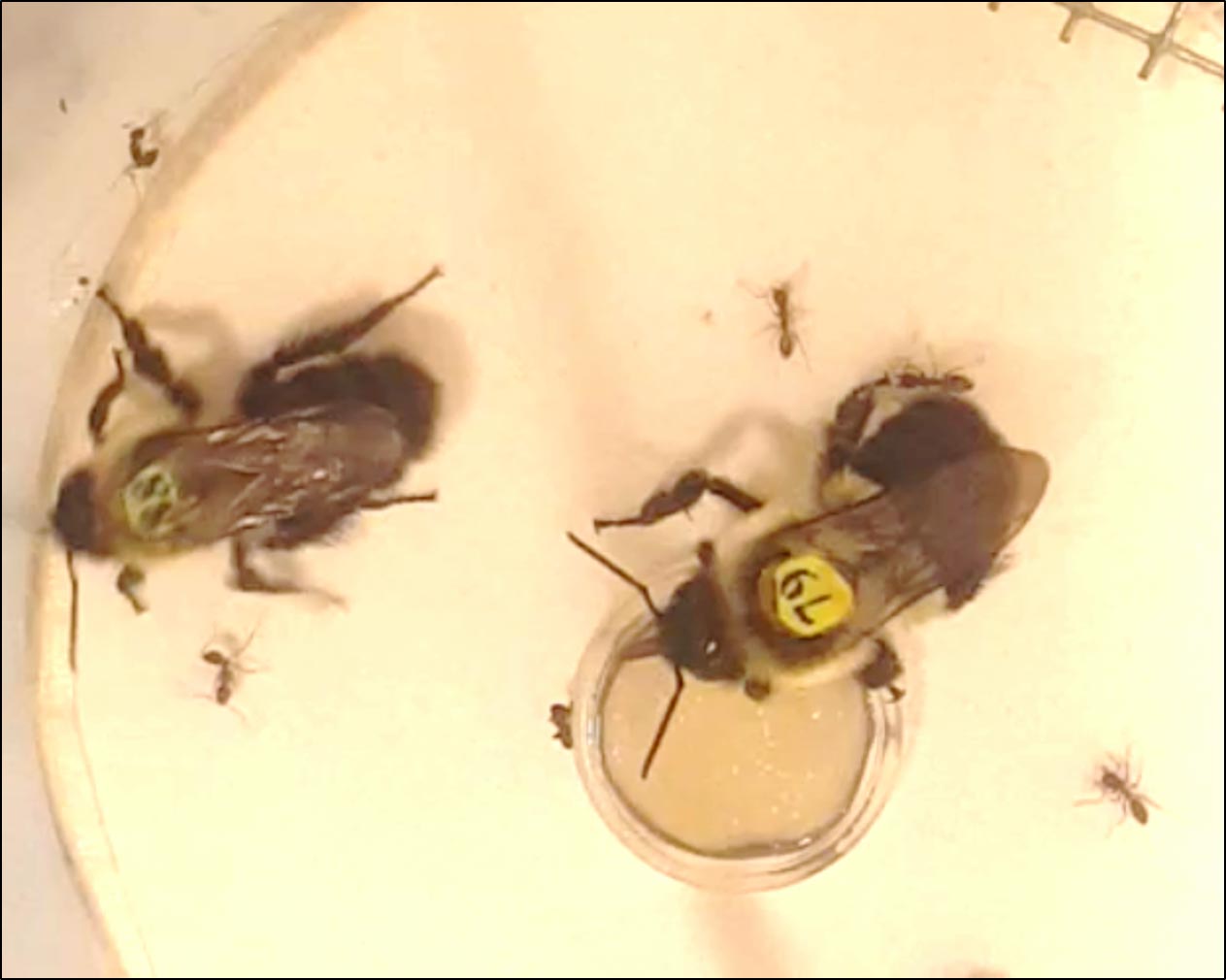
The study, published in the Journal of Insect Science, examined more than 4,300 individual behaviors from over 415 bumble bees.
Experiments were conducted in the lab of UCR professor Erin Wilson Rankin. Six separate bumblebee colonies were allowed to forage in a shared arena. Some feeders were placed near ants, while others were ant-free, giving the bees a choice.
Argentine ants, often referred to as sugar ants, do not sting. Instead, they bite and rely on overwhelming numbers to control food sources.
“They can dominate a food resource just by showing up en masse,” Wilson Rankin said.
Bees Avoid Ant Crowds, but Conflicts Escalate
When possible, bees steered clear of feeders with ants. As ant numbers increased, bees became less willing to land and feed. A greater ant presence also increased the likelihood of bites. Although the bites were not deadly, bees sometimes responded aggressively.
“We do see the aggression being bi-directional,” Wilson Rankin said. “Sometimes you’ll see ant heads on the bee’s legs because they were feeding, and in response to an attack, the bee bit the ant and decapitated it.”
While bumble bees are capable of stinging without dying (unlike honeybees), Miner did not observe stinging during the trials. Instead, bees relied on their mandibles during conflicts.
“Mandibles are like teeth, but not only used to chew,” Miner said. “They can flare open to handle flowers or crunch a foe.”
Individual Wins Do Not Guarantee Colony Success
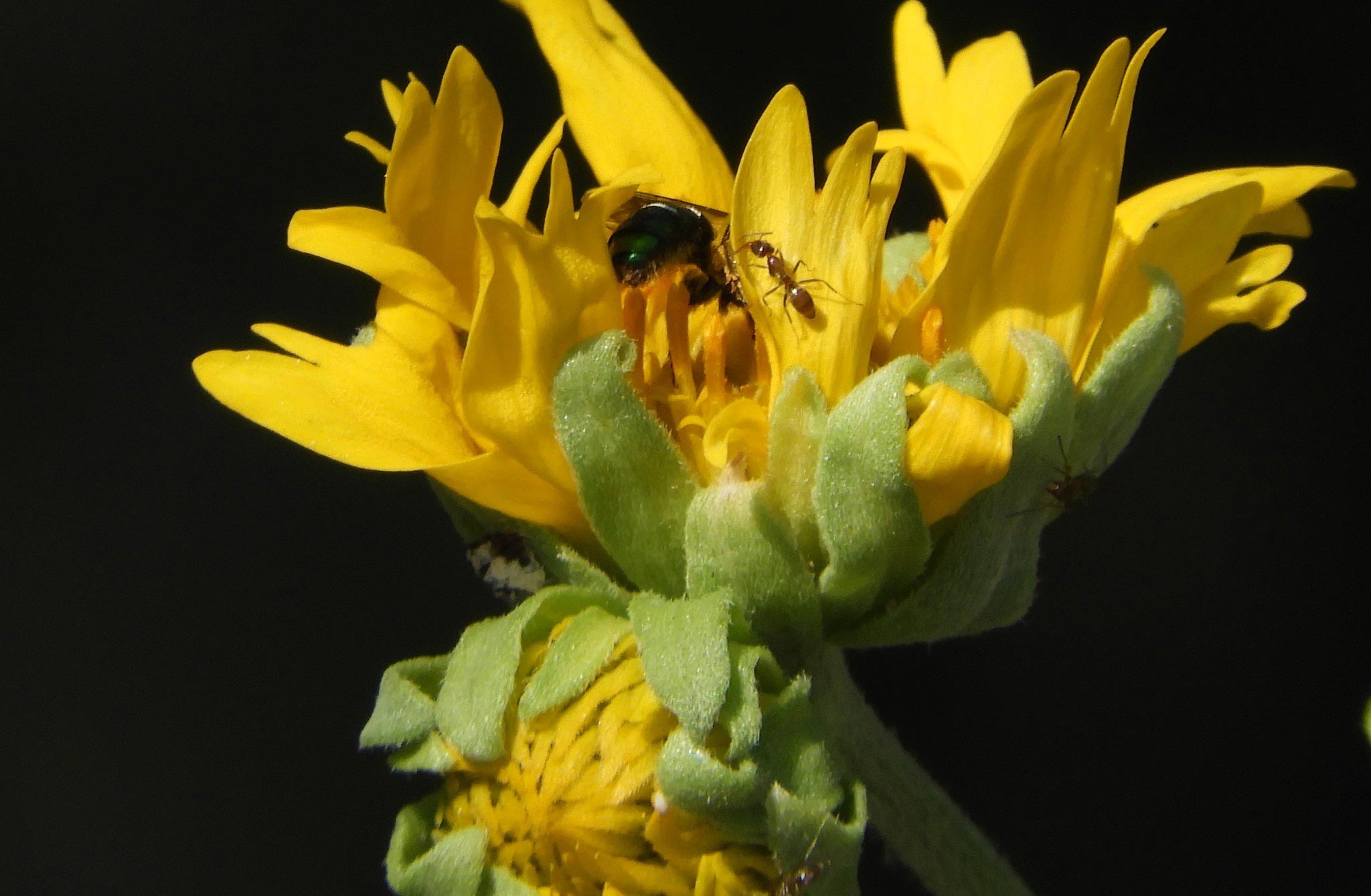
Because bumble bees are much larger than Argentine ants, they usually prevailed in one-on-one encounters in the lab. However, success in a single fight does not necessarily benefit the entire colony.
Rather than quickly returning to collect nectar after encountering ants, many bees continued engaging in repeated confrontations.
“The ant presence induced prolonged aggressive exchanges,” Wilson Rankin said. “Even though that one bee might benefit from being aggressive in the short term, it may not be beneficial for the colony overall.”
Energy Costs and Open Questions for the Hive
When bees shift into defensive behavior, they stop gathering food.
“They’re wasting energy, they could be getting harmed, and they’re not bringing food back,” Wilson Rankin said.
Researchers still do not know how colonies respond when foragers return with less nectar.
“We do know that the youngest bees don’t leave the colony. Once they’re old enough to ‘get their licenses’ they go out and forage,” Wilson Rankin said. “We don’t know if the colony sends out additional foragers when one comes back short. That’s the next question that’s important to answer.”
Reference: “Bees modulate behavior during nectar foraging in response to direct ant aggression (Hymenoptera: Apidae and Formicidae)” by Michelle Constanza Miner and Erin E Wilson Rankin, 7 November 2025, Journal of Insect Science.
DOI: 10.1093/jisesa/ieaf076
Never miss a breakthrough: Join the SciTechDaily newsletter.
Follow us on Google and Google News.
1 Comment
Huh?