
Close Menu
    Facebook X (Twitter) Instagram
    SciTechDaily
    • Biology
    • Chemistry
    • Earth
    • Health
    • Physics
    • Science
    • Space
    • Technology
    Facebook X (Twitter) Pinterest YouTube RSS
    SciTechDaily
    Home»Health»Is Your Brain Actually To Blame for High Blood Pressure?
    Health

    Is Your Brain Actually To Blame for High Blood Pressure?

    By University of AucklandMarch 15, 2026No Comments3 Mins Read
    Facebook Twitter Pinterest Telegram LinkedIn WhatsApp Email Reddit
    Share
    Facebook Twitter LinkedIn Pinterest Telegram Email Reddit
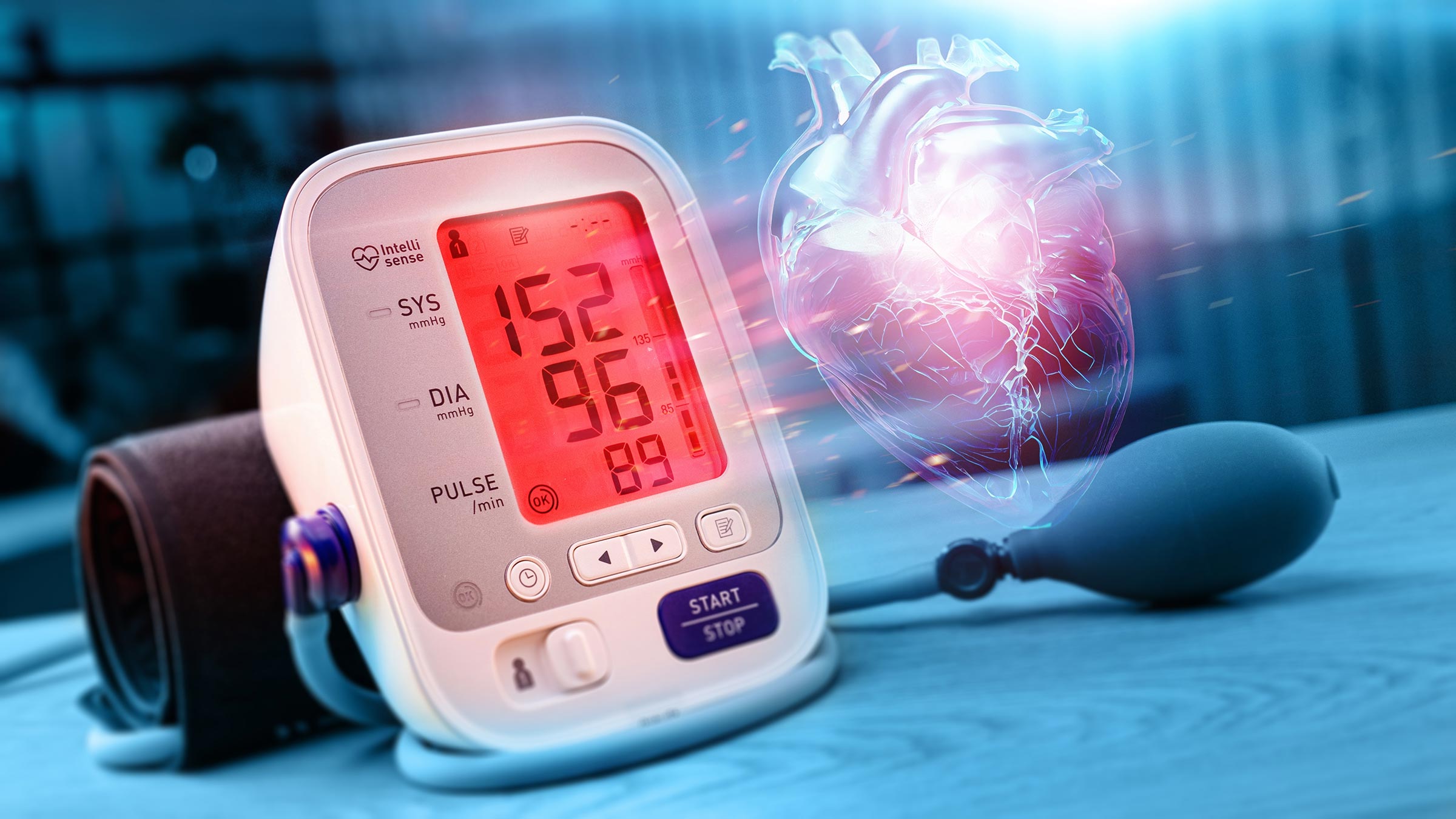
    Heart Blood Pressure Measurement
    A newly uncovered connection between a breathing-related brainstem region and the nervous system that regulates blood vessel constriction may help explain how high blood pressure develops. Credit: Shutterstock

    A newly identified brainstem mechanism linking breathing and blood pressure may help explain certain forms of hypertension and point toward new treatment strategies targeting oxygen-sensing cells in the neck.

    Scientists have identified a region of the brain that may contribute to high blood pressure.

    The lateral parafacial region is located in the brainstem, the most ancient part of the brain, responsible for automatic processes such as breathing, digestion, and heart rate.

    “The lateral parafacial region is recruited into action, causing us to exhale during a laugh, exercise, or coughing,” says lead researcher Professor Julian Paton, director of Manaaki Manawa, Centre for Heart Research at Waipapa Taumata Rau, University of Auckland.

    “These exhalations are what we call ‘forced’ and are driven by our powerful abdominal muscles. In contrast, a normal exhalation does not need these muscles to contract; it happens because the lungs are elastic.”

    A Brainstem Region Linked to Blood Pressure

    Researchers found that this same brain area also communicates with nerves that constrict blood vessels. When these nerves tighten blood vessels, blood pressure rises.

    “We’ve unearthed a new region of the brain that is causing high blood pressure. Yes, the brain is to blame for hypertension!” says Paton.

    “We discovered that, in conditions of high blood pressure, the lateral parafacial region is activated and, when our team inactivated this region, blood pressure fell to normal levels.”

    The findings suggest that certain breathing patterns, particularly those involving strong abdominal muscle contractions, may help drive increases in blood pressure. Identifying this type of abdominal breathing in people with hypertension could help doctors determine the underlying cause and guide treatment.

    The study was recently published in the specialist journal Circulation Research.

    ‘Can we target this brainstem region?’

    Researchers then explored whether this brainstem region could be influenced with medication.

    “Targeting the brain with drugs is tricky because they act on the entire brain and not a selected region such as the parafacial nucleus,” says Paton.

    The team then made an important discovery. Signals that activate this brain region do not originate only within the brain. They also come from the carotid bodies, small clusters of cells in the neck near the carotid artery that detect oxygen levels in the blood.

    Because these sensors are outside the brain, they can potentially be targeted with medication more safely.

    “Our goal is to target the carotid bodies, and we are importing a new drug that is being repurposed by us to quench carotid body activity and inactivate ‘remotely’ the lateral parafacial region safely, i.e., without needing to use a drug that penetrates the brain.”

    The discovery could lead to new treatment approaches for high blood pressure. It may be particularly relevant for people with sleep apnea, since carotid bodies are known to become active in these patients when breathing stops during sleep.

    Reference: “Lateral Parafacial Neurons Evoked Expiratory Oscillations Driving Neurogenic Hypertension” by Karolyne S. Magalhães, Renato W. Martins Sá, Nathalia Salim, Thaís Marques da Silva, Benedito H. Machado, Julian F.R. Paton and Davi J.A. Moraes, 17 December 2025, Circulation Research.
    DOI: 10.1161/CIRCRESAHA.125.326674

    Never miss a breakthrough: Join the SciTechDaily newsletter.
    Follow us on Google and Google News.

    Blood Pressure Brain Cardiology Physiology
    Share. Facebook Twitter Pinterest LinkedIn Email Reddit

    Related Articles

    A Few Lost Brain Cells May Cause Dangerous Blood Pressure Instability

    New Research Shows COVID-19 Alters Gray Matter Volume in the Brain

    Brain’s Role in Broken Heart Syndrome: How Stress-Related Brain Activity Can Temporarily Damage the Heart

    Stressed Brain Linked to “Broken Heart” Syndrome

    From Vitamin C to Spinach: Researching Ways to Protect Astronaut Cardiovascular Health From Space Radiation

    Injecting Bone Marrow Cells Helps Heal the Brain After Stroke

    New Research Shows Cannabis Reduces Blood Pressure in Older Adults With Hypertension

    Smart Watches Prove Useful: Higher Daily Step Counts Linked With Lower Blood Pressure

    Watch a Brain Drown in Its Own Fluid After a Stroke

    Leave A Reply Cancel Reply

    • Facebook
    • Twitter
    • Pinterest
    • YouTube

    Don't Miss a Discovery

    Subscribe for the Latest in Science & Tech!

    Trending News

    Largest-Ever Study Finds Medicinal Cannabis Ineffective for Anxiety, Depression, PTSD

    250-Million-Year-Old Egg Solves One of Evolution’s Biggest Mysteries

    Living With Roommates Might Be Changing Your Gut Microbiome Without You Knowing

    Century-Old Cleaning Chemical Linked to 500% Increased Risk of Parkinson’s Disease

    What if Your Memories Never Happened? Physicists Take a New Look at the Boltzmann Brain Paradox

    One of the Universe’s Largest Stars May Be Getting Ready To Explode

    Scientists Discover Enzyme That Could Supercharge Ozempic-Like Weight Loss Drugs

    Popular Sweetener Linked to DNA Damage – “It’s Something You Should Not Be Eating”

    Follow SciTechDaily
    • Facebook
    • Twitter
    • YouTube
    • Pinterest
    • Newsletter
    • RSS
    SciTech News
    • Biology News
    • Chemistry News
    • Earth News
    • Health News
    • Physics News
    • Science News
    • Space News
    • Technology News
    Recent Posts
    • A Simpler Path to Super-Resolution: Scientists Reinvent Microscopy
    • Scientists Uncover Hidden Genetic Cause of Diabetes in Babies
    • Amazonian Chocolate Could Become the Next Superfood, Scientists Say
    • Challenging the Narrative: New Study Shows U.S. Life Expectancy Is Rising Across All States
    • Mystery Illness Kills 5 in Burundi As Doctors Scramble for Answers
    Copyright © 1998 - 2026 SciTechDaily. All Rights Reserved.
    • Science News
    • About
    • Contact
    • Editorial Board
    • Privacy Policy
    • Terms of Use

    Type above and press Enter to search. Press Esc to cancel.