
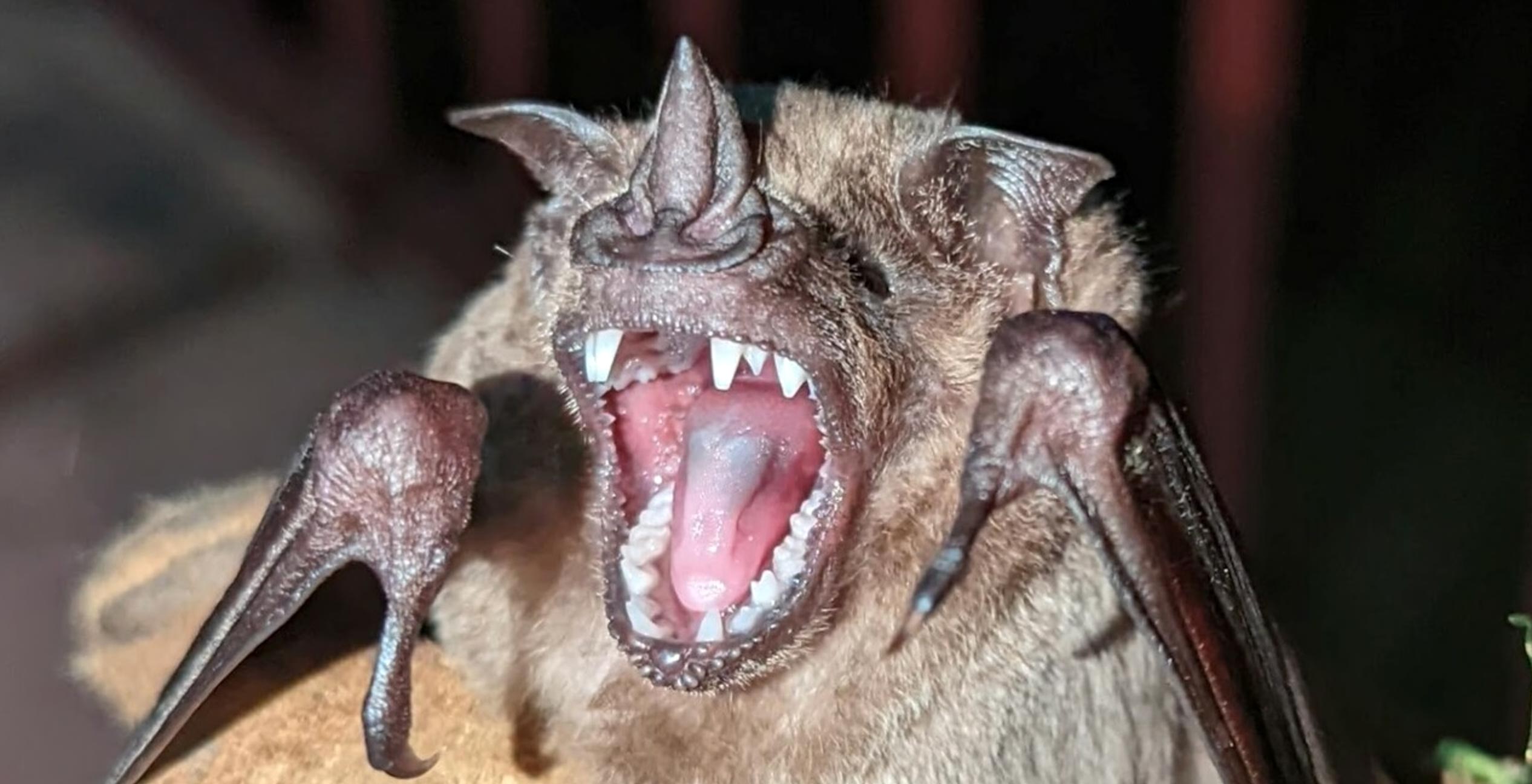
Bats in the noctilionoid group, like Darwin’s finches, have evolved an impressive variety of jaw and tooth adaptations to suit their diverse diets.
From fruit to fish, these bats have rapidly changed over millions of years, showcasing how evolution shapes form and function. Scientists are studying their unique dental structures to unlock secrets about mammalian development—including our own teeth.-releases/1006084
The Evolutionary Story of Darwin’s Finches and Noctilionoid Bats
Darwin’s finches, native to the Galapagos Islands, played a key role in shaping our understanding of evolution. Each species has a uniquely shaped beak suited to its diet, a discovery that helped Charles Darwin develop his theory of evolution by natural selection.
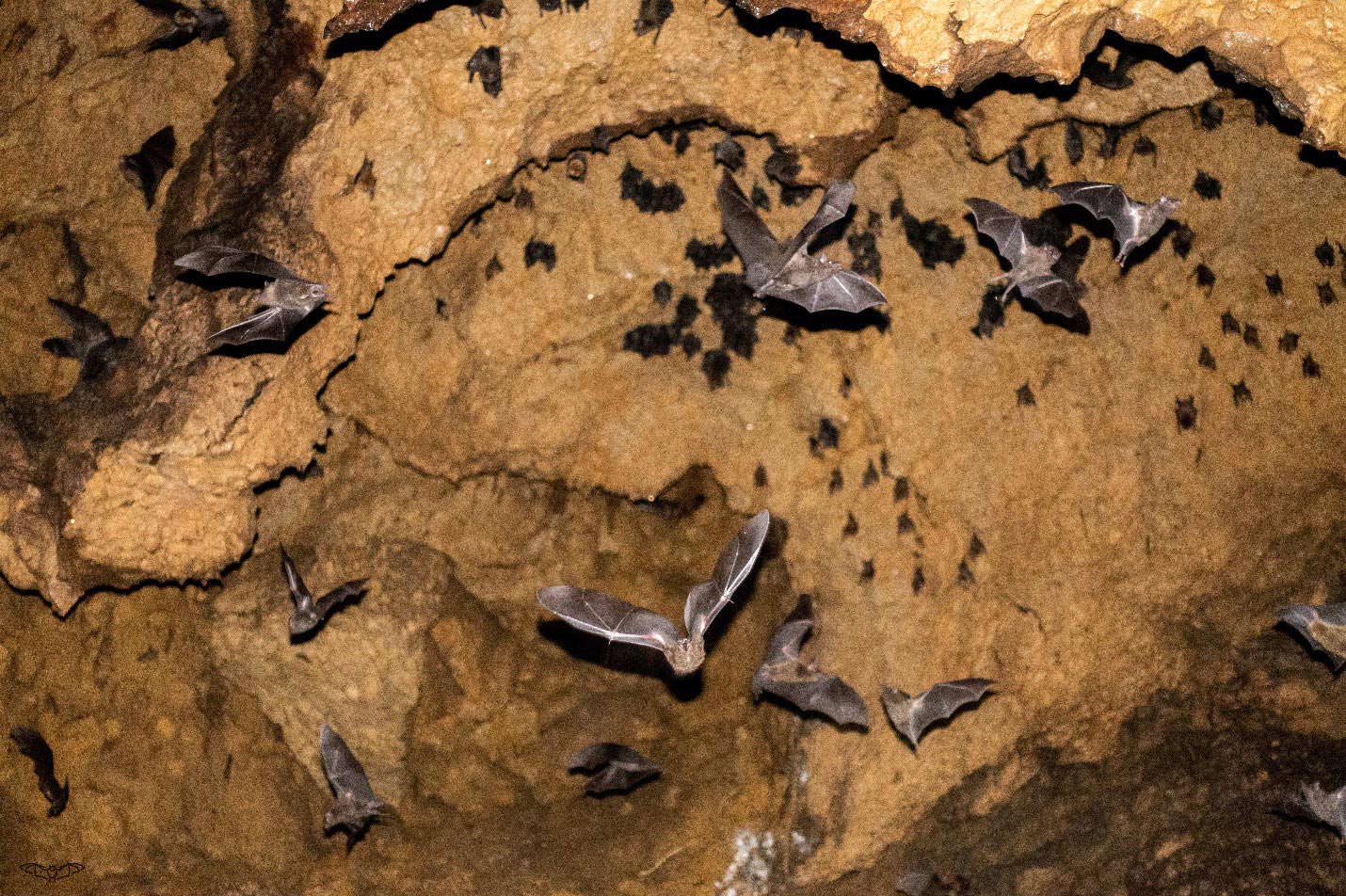
A group of bats shares a similarly remarkable evolutionary journey, but on an even larger scale. Noctilionoid bats, found primarily in the American tropics, include over 200 species. Despite being closely related, their jaws have evolved into a wide variety of shapes and sizes to adapt to different diets.
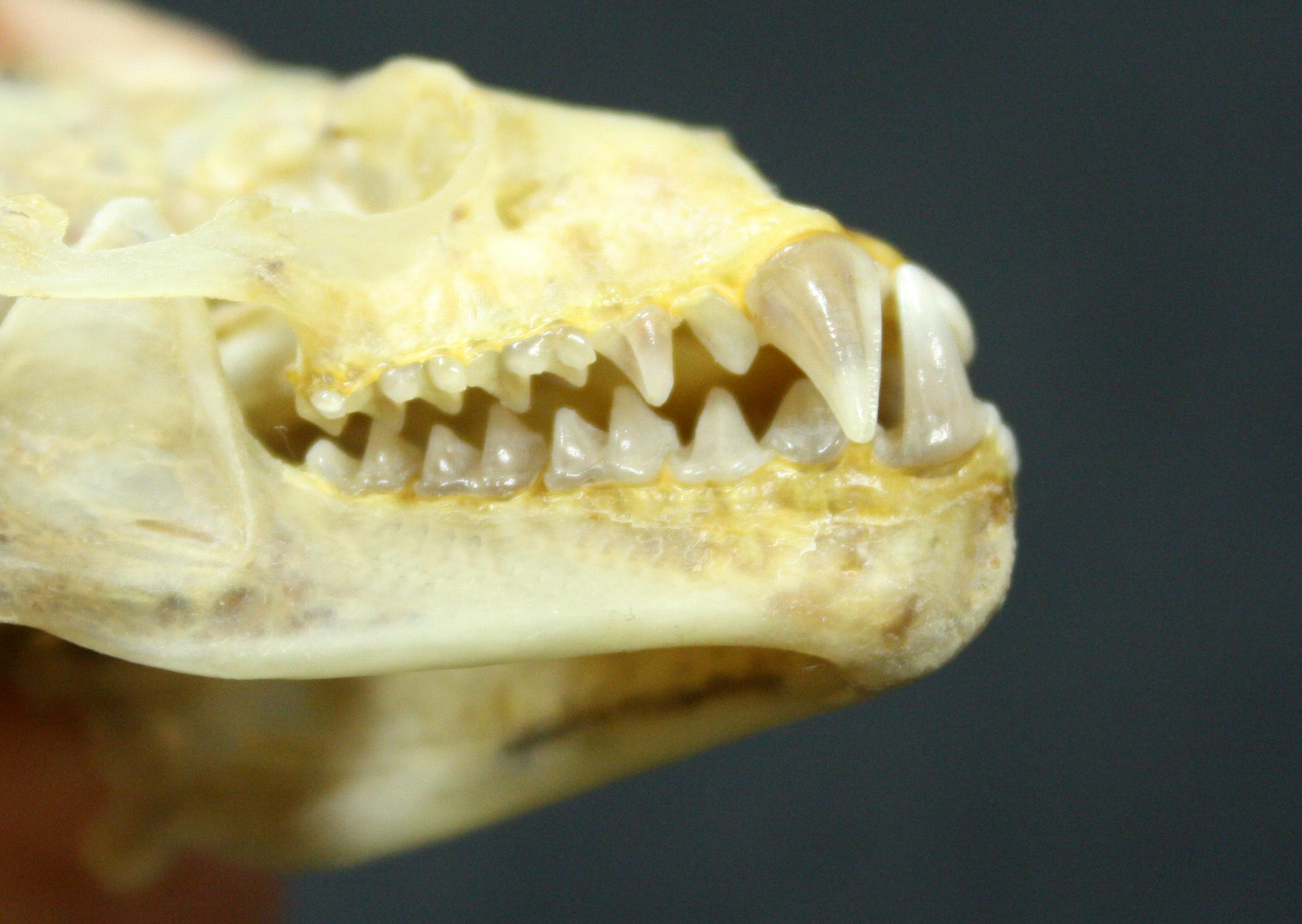
A study published in Nature Communications reveals that these adaptations involve consistent changes in the number, size, shape, and position of their teeth. For instance, bats with shorter snouts tend to lack certain teeth due to limited space, while those with longer jaws can accommodate more teeth. Interestingly, their overall tooth count is similar to that of early placental mammals, including humans.
Insights into Mammalian Facial Evolution
According to the research team behind this study, comparing noctilionoid species can reveal a lot about how mammalian faces evolved and developed, particularly jaws and teeth. And as a bonus, they can also answer some outstanding questions about how our own pearly whites form and grow.
“Bats have all four types of teeth — incisors, canines, premolars, and molars — just like we do,” said co-author Sharlene Santana, a University of Washington professor of biology and curator of mammals at the Burke Museum of Natural History & Culture. “And noctilionoid bats evolved a huge diversity of diets in as little as 25 million years, which is a very short amount of time for these adaptations to occur.”
Rapid Adaptation and Diverse Diets
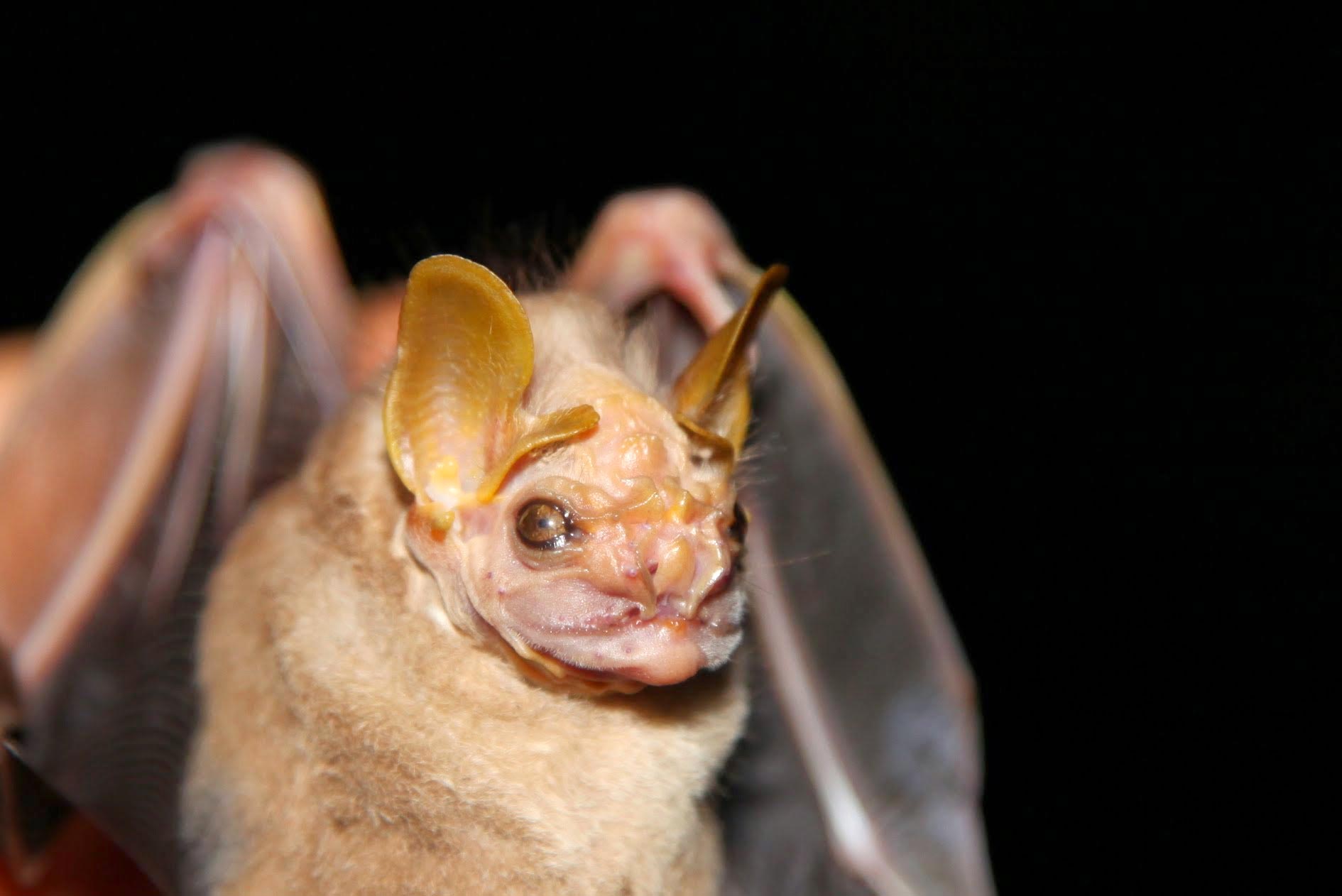
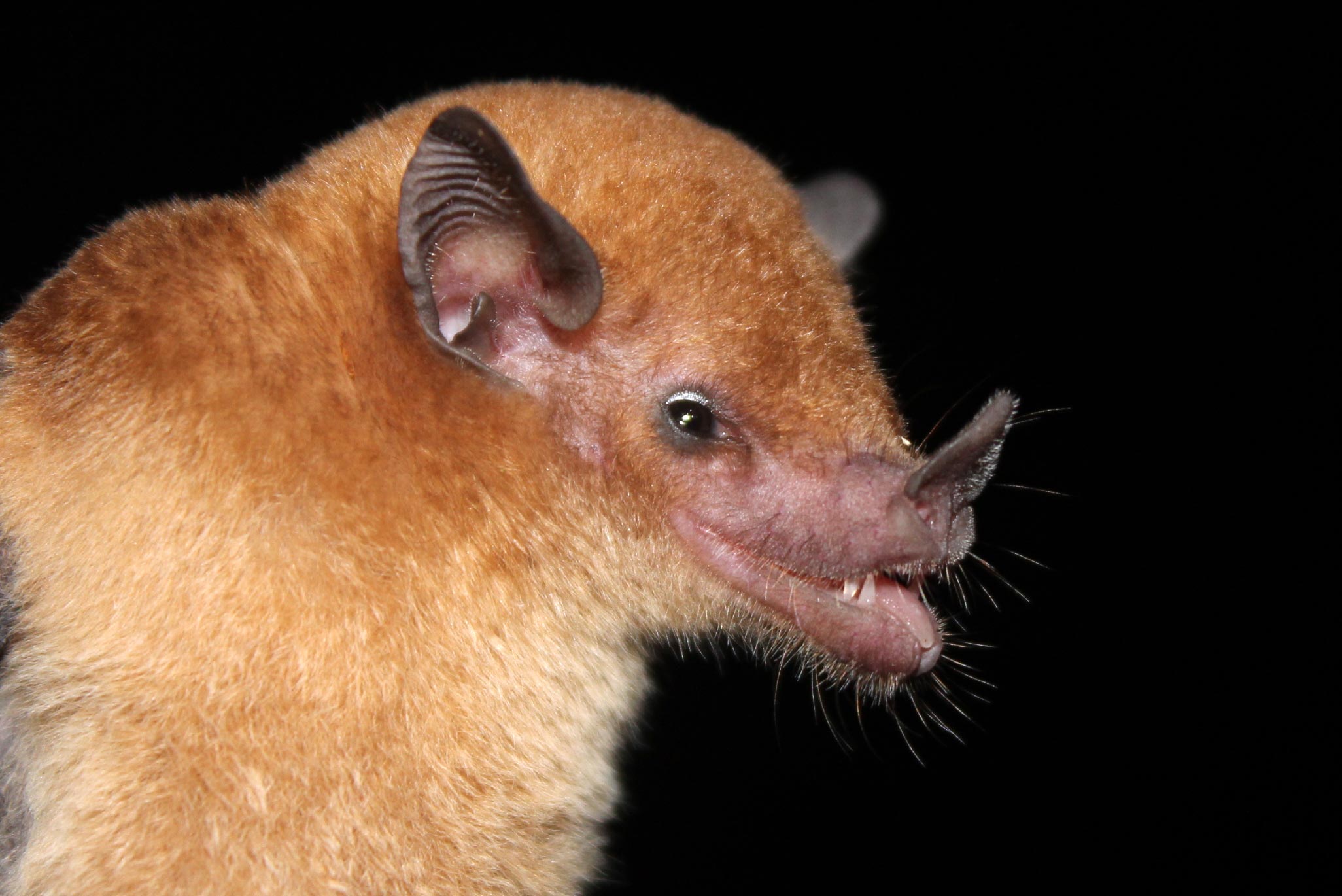
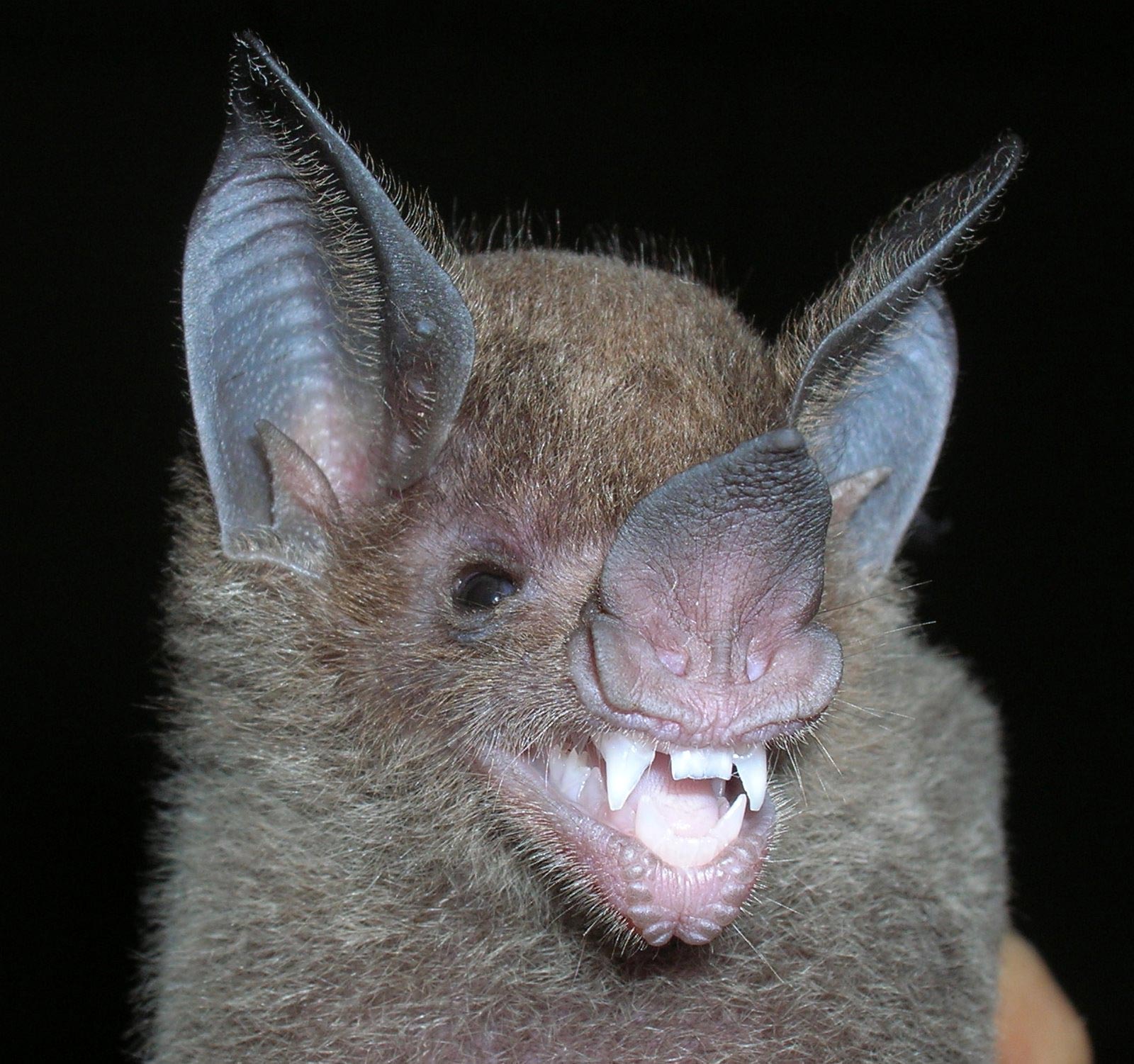
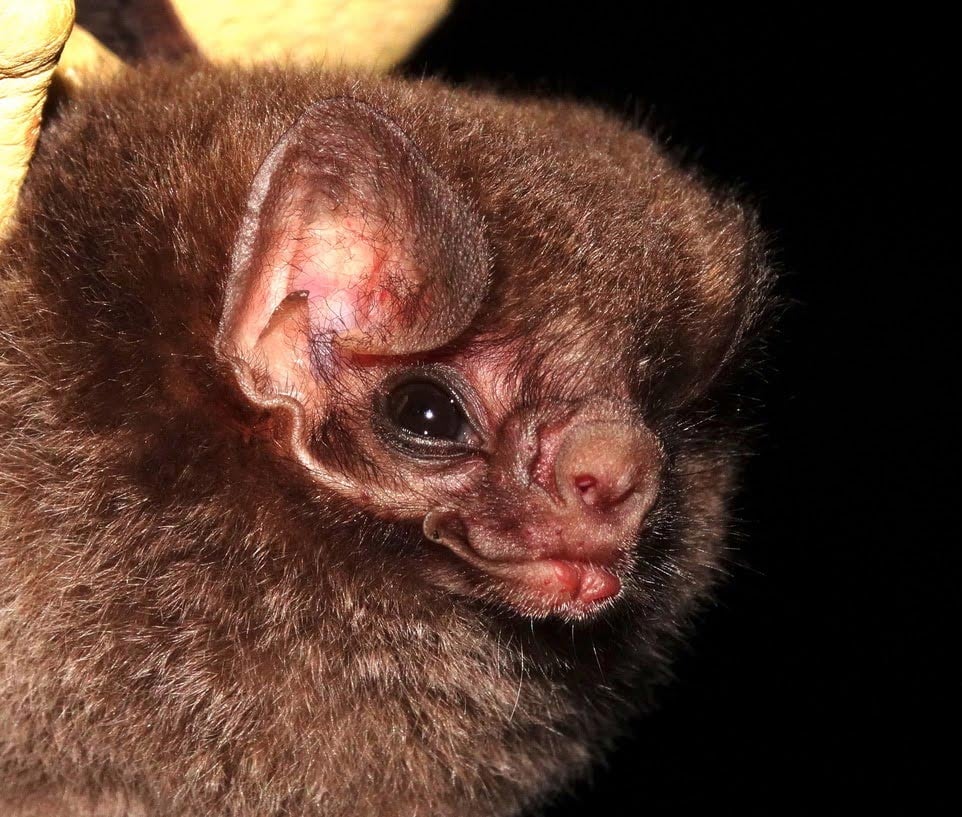
“There are noctilionoid species that have short faces like bulldogs with powerful jaws that can bite the tough exterior of the fruits that they eat. Other species have long snouts to help them drink nectar from flowers. How did this diversity evolve so quickly? What had to change in their jaws and teeth to make this possible?” said lead author Alexa Sadier, an incoming faculty member at the Institute of Evolutionary Science of Montpellier in France, who began this project as a postdoctoral researcher at the University of California, Los Angeles.
Scientists don’t know what triggered this frenzy of dietary adaptation in noctilionoid bats. But today different noctilionoid species feast on insects, fruit, nectar, fish, and even blood — since this group also includes the infamous vampire bats.
The team used CT scans and other methods to analyze the shapes and sizes of jaws, premolars, and molars in more than 100 noctilionoid species. The bats included both museum specimens and a limited number of wild bats captured for study purposes. The researchers compared the relative sizes of teeth and other cranial features among species with different types of diets, and used mathematical modeling to determine how those differences are generated during development.
Developmental Rules Behind Tooth Formation
The team found that, in noctilionoid bats, certain “developmental rules” caused them to generate the right assortment of teeth to fit in their diet-formed grins. For example, bats with long jaws — like nectar-feeders — or intermediate jaws, like many insect-eaters, tended to have the usual complement of three premolars and three molars on each side of the jaw. But bats with short jaws, including most fruit-eating bats, tended to ditch the middle premolar or the back molar, if not both.
“When you have more space, you can have more teeth,” said Sadier. “But for bats with a shorter space, even though they have a more powerful bite, you simply run out of room for all these teeth.”
Having a shorter jaw may also explain why many short-faced bats also tended to have wider front molars.
“The first teeth to appear tend to grow bigger since there is not enough space for the next ones to emerge,” said Sadier.
Uncovering the Genetic Basis of Tooth Development
“This project is giving us the opportunity to actually test some of the assumptions that have been made about how tooth growth, shape, and size are regulated in mammals,” said Santana. “We know surprisingly little about how these very important structures develop!”
Many studies about mammalian tooth development were done in mice, which have only molars and heavily modified incisors. Scientists are not entirely sure if the genes and developmental patterns that control tooth development in mice also operate in mammals with more “ancestral” sets of chompers — like bats and humans.
Future Research and Evolutionary Secrets
Sadier, Santana, and their colleagues believe their project, which is ongoing, can start to answer these questions in bats — along with many other outstanding questions about how evolution shapes mammalian features. They’re expanding this study to include noctilionoid incisors and canines, and hope to uncover more of the genetic and developmental mechanisms that control tooth development in this diverse group of bats.
“We see such strong selective pressures in these bats: Shapes have to closely match their function,” said Santana. “I think there are many more evolutionary secrets hidden in these species.”
Reference: “Bat teeth illuminate the diversification of mammalian tooth classes” by Alexa Sadier, Neal Anthwal, Andrew L. Krause, Renaud Dessalles, Michael Lake, Laurent A. Bentolila, Robert Haase, Natalie A. Nieves, Sharlene E. Santana and Karen E. Sears, 22 August 2023, Nature Communications.
DOI: 10.1038/s41467-023-40158-4
Co-authors are Neal Anthwal, a research associate at King’s College London; Andrew Krause, an assistant professor at the Durham University in the U.K.; Renaud Dessalles, a mathematician with Green Shield Technology; Robert Haase, a researcher at the Dresden University of Technology in Germany; UCLA research scientists Michael Lake, Laurent Bentolila and Natalie Nieves; and Karen Sears, a professor at UCLA. The research is funded by the National Science Foundation.
Never miss a breakthrough: Join the SciTechDaily newsletter.
Follow us on Google and Google News.