
Close Menu
    Facebook X (Twitter) Instagram
    SciTechDaily
    • Biology
    • Chemistry
    • Earth
    • Health
    • Physics
    • Science
    • Space
    • Technology
    Facebook X (Twitter) Pinterest YouTube RSS
    SciTechDaily
    Home»Science»Jurassic Scelidosaurus harrisonii: Only Dinosaur Bones Ever Discovered in Ireland
    Science

    Jurassic Scelidosaurus harrisonii: Only Dinosaur Bones Ever Discovered in Ireland

    By University of PortsmouthNovember 25, 20201 Comment3 Mins Read
    Facebook Twitter Pinterest Telegram LinkedIn WhatsApp Email Reddit
    Share
    Facebook Twitter LinkedIn Pinterest Telegram Email Reddit
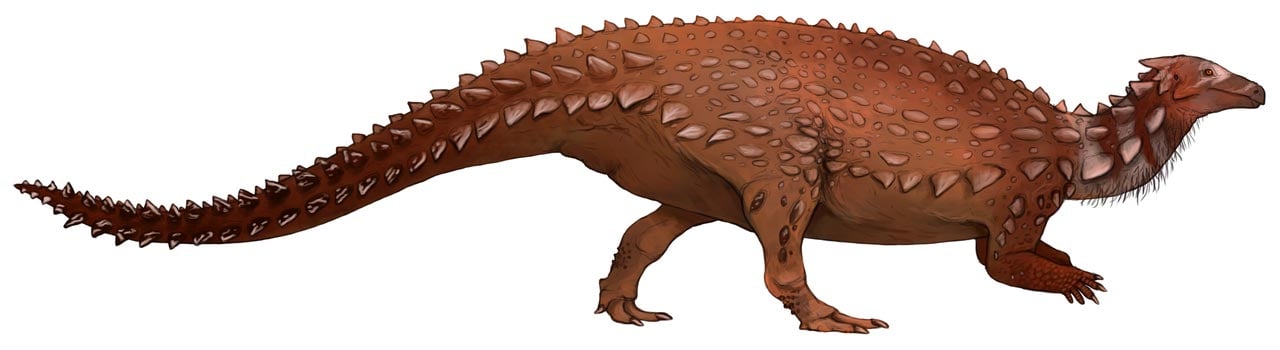
    Scelidosaurus harrisonii
    Illustration of the Jurassic thyreophoran Scelidosaurus harrisonii. Credit: Jack Mayer Wood, CC BY-SA 4.0 , via Wikimedia Commons

    The only dinosaur bones ever found on the island of Ireland have been formally confirmed for the first time.

    The only dinosaur bones ever found on the island of Ireland have been formally confirmed for the first time by a team of experts from the University of Portsmouth and Queen’s University Belfast, led by Dr. Mike Simms, a curator, and paleontologist at National Museums NI.

    The two fossil bones were found by the late Roger Byrne, a schoolteacher and fossil collector, who donated them along with many other fossils to Ulster Museum. Analysis has confirmed they are from early Jurassic rocks found in Islandmagee, on the east coast of County Antrim.

    Ulster Museum has announced plans to put them on display when it reopens after the latest rounds of restrictions are lifted.
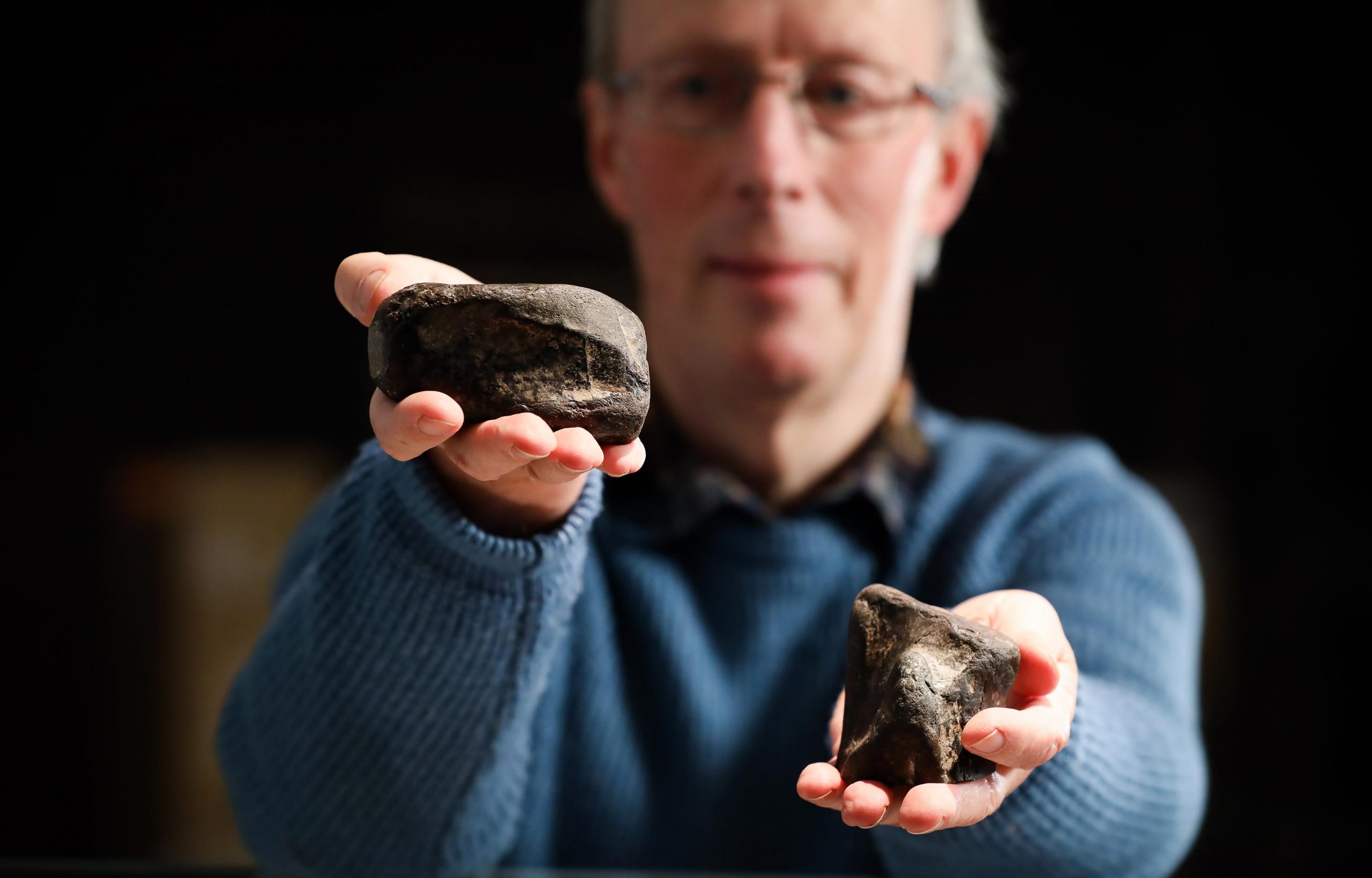
    Mike Simms
    Dr. Mike Simms, of National Museums NI, with the theropod tibia on the left and the Scelidosaurus femur on the right. Credit: National Museums NI

    Dr. Simms, National Museums NI, said: “This is a hugely significant discovery. The great rarity of such fossils here is because most of Ireland’s rocks are the wrong age for dinosaurs, either too old or too young, making it nearly impossible to confirm dinosaurs existed on these shores. The two dinosaur fossils that Roger Byrne found were perhaps swept out to sea, alive or dead, sinking to the Jurassic seabed where they were buried and fossilized.”

    The article, published in the Proceedings of the Geologists’ Association, is part of a larger project to document Jurassic rocks in Northern Ireland and draws on many fossils in Ulster Museum’s collections.
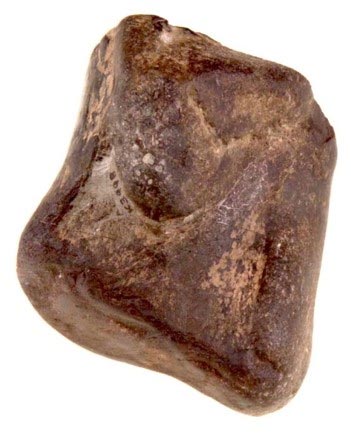
    Scelidosaurus Femur
    Scelidosaurus femur fossil. Credit: University of Portsmouth

    Originally it was assumed the fossils were from the same animal, but the team were surprised to discover that they were from two completely different dinosaurs. The study, employing the latest available technology, identified the type of dinosaur from which each came. One is part of a femur (upper leg bone) of a four-legged plant-eater called Scelidosaurus. The other is part of the tibia (lower leg bone) of a two-legged meat-eater similar to Sarcosaurus.

    The University of Portsmouth team, researcher Robert Smyth, originally from Ballymoney, and Professor David Martill, used high-resolution 3D digital models of the fossils, produced by Dr. Patrick Collins of Queen’s University Belfast, in their analysis of the bone fragments.

    Robert Smyth said: “Analyzing the shape and internal structure of the bones, we realized that they belonged to two very different animals. One is very dense and robust, typical of an armored plant-eater. The other is slender, with thin bone walls and characteristics found only in fast-moving two-legged predatory dinosaurs called theropods.”

    “Despite being fragmentary, these fossils provide valuable insight on a very important period in dinosaur evolution, about 200 million years ago. It’s at this time that dinosaurs really start to dominate the world’s terrestrial ecosystems.”

    Professor Martill said: “Scelidosaurus keeps on turning up in marine strata, and I am beginning to think that it may have been a coastal animal, perhaps even eating seaweed like marine iguanas do today.”

    Reference: “First dinosaur remains from Ireland” by Michael J.Simms, Robert S. H. Smyth, David M. Martill, Patrick C. Collins and Roger Byrne, 11 November 2020, Proceedings of the Geologists’ Association.
    DOI: 10.1016/j.pgeola.2020.06.005

    Never miss a breakthrough: Join the SciTechDaily newsletter.
    Follow us on Google and Google News.

    Dinosaurs Fossils Paleontology University of Portsmouth
    Share. Facebook Twitter Pinterest LinkedIn Email Reddit

    Related Articles

    Amazing Discovery: Fossil Collector Unearths the Most Complete Dinosaur in the UK Since 1923

    Popular Myth Debunked: New Study Challenges 30-Year-Old Theory Linking Griffins to Dinosaurs

    Marine Monsters of the Jurassic Seas Were Twice the Size of Killer Whales

    Spinosaurus “River Monster” Secrets Revealed in New Study – Predatory Dinosaur Was Larger Than T. rex

    Fossils Reveal Headbutts May Have Been Used as a Dinosaur Courtship Behavior

    Cretaceous Period Sankofa Pyrenaica Fossilized Eggs Are Unusually Shaped

    New Insight on Pterosaur Specimen, Istiodactylus Latidens

    Microraptor Feathers Were Black With Iridescent Sheen

    Jurassic Period Super-Sized Fleas Had Armored Mouthparts to Attack the Thick Hide of Dinosaurs

    1 Comment

    1. Ayhempaleoart on August 21, 2021 4:21 am

      Imagine saying ireland while its found in northern ireland (UK)

      Reply
    Leave A Reply Cancel Reply

    • Facebook
    • Twitter
    • Pinterest
    • YouTube

    Don't Miss a Discovery

    Subscribe for the Latest in Science & Tech!

    Trending News

    AI Could Detect Early Signs of Alzheimer’s in Under a Minute – Far Before Traditional Tests

    What if Dark Matter Has Two Forms? Bold New Hypothesis Could Explain a Cosmic Mystery

    This Metal Melts in Your Hand – and Scientists Just Discovered Something Strange

    Beef vs. Chicken: Surprising Results From New Prediabetes Study

    Alzheimer’s Breakthrough: Scientists Discover Key Protein May Prevent Toxic Protein Clumps in the Brain

    Quantum Reality Gets Stranger: Physicists Put a Lump of Metal in Two Places at Once

    Scientists May Have Found the Key to Jupiter and Saturn’s Moon Mystery

    Scientists Uncover Brain Changes That Link Pain to Depression

    Follow SciTechDaily
    • Facebook
    • Twitter
    • YouTube
    • Pinterest
    • Newsletter
    • RSS
    SciTech News
    • Biology News
    • Chemistry News
    • Earth News
    • Health News
    • Physics News
    • Science News
    • Space News
    • Technology News
    Recent Posts
    • 250-Million-Year-Old Egg Solves One of Evolution’s Biggest Mysteries
    • Living With Roommates Might Be Changing Your Gut Microbiome Without You Knowing
    • Simple and Cheap Blood Test Could Detect Cancer and Other Diseases Before Symptoms Appear
    • Century-Old Cleaning Chemical Linked to 500% Increased Risk of Parkinson’s Disease
    • What if Your Memories Never Happened? Physicists Take a New Look at the Boltzmann Brain Paradox
    Copyright © 1998 - 2026 SciTechDaily. All Rights Reserved.
    • Science News
    • About
    • Contact
    • Editorial Board
    • Privacy Policy
    • Terms of Use

    Type above and press Enter to search. Press Esc to cancel.