
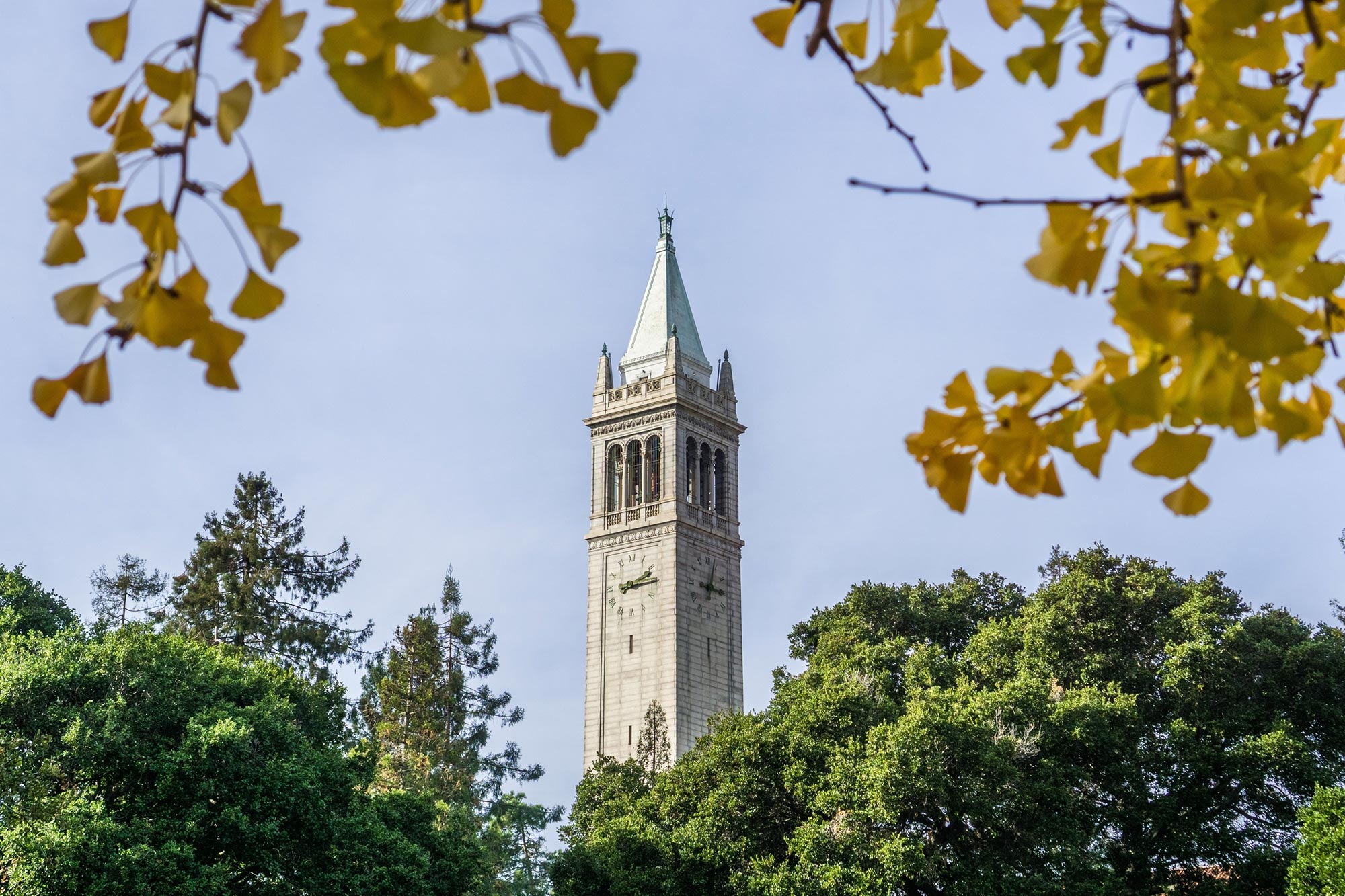
According to new research from the University of Colorado at Boulder (CU Boulder), just five U.S. universities have trained 1-in-8 tenure-track faculty members serving at the nation’s institutions of higher learning.
The study takes the most comprehensive look thus far at the structure of the American professoriate. In fact, it captures data on nearly 300,000 tenure-track faculty (including where they obtained their own graduate degrees) at more than 10,000 university departments at 368 PhD-granting institutions from 2011 to 2020. The paper will be published today (September 21) in the journal Nature.
“It’s hard to measure just how extreme the inequalities are in higher education until you actually analyze the data.” Daniel Larremore
The study finds that in all fields of academia, most professors come from a small number of institutions.
“We all know that academic pedigree is important—it’s the first thing professors put in their bios—but it’s hard to measure just how extreme the inequalities are in higher education until you actually analyze the data,” said Daniel Larremor. He is a co-author of the new study and assistant professor at the BioFrontiers Institute.
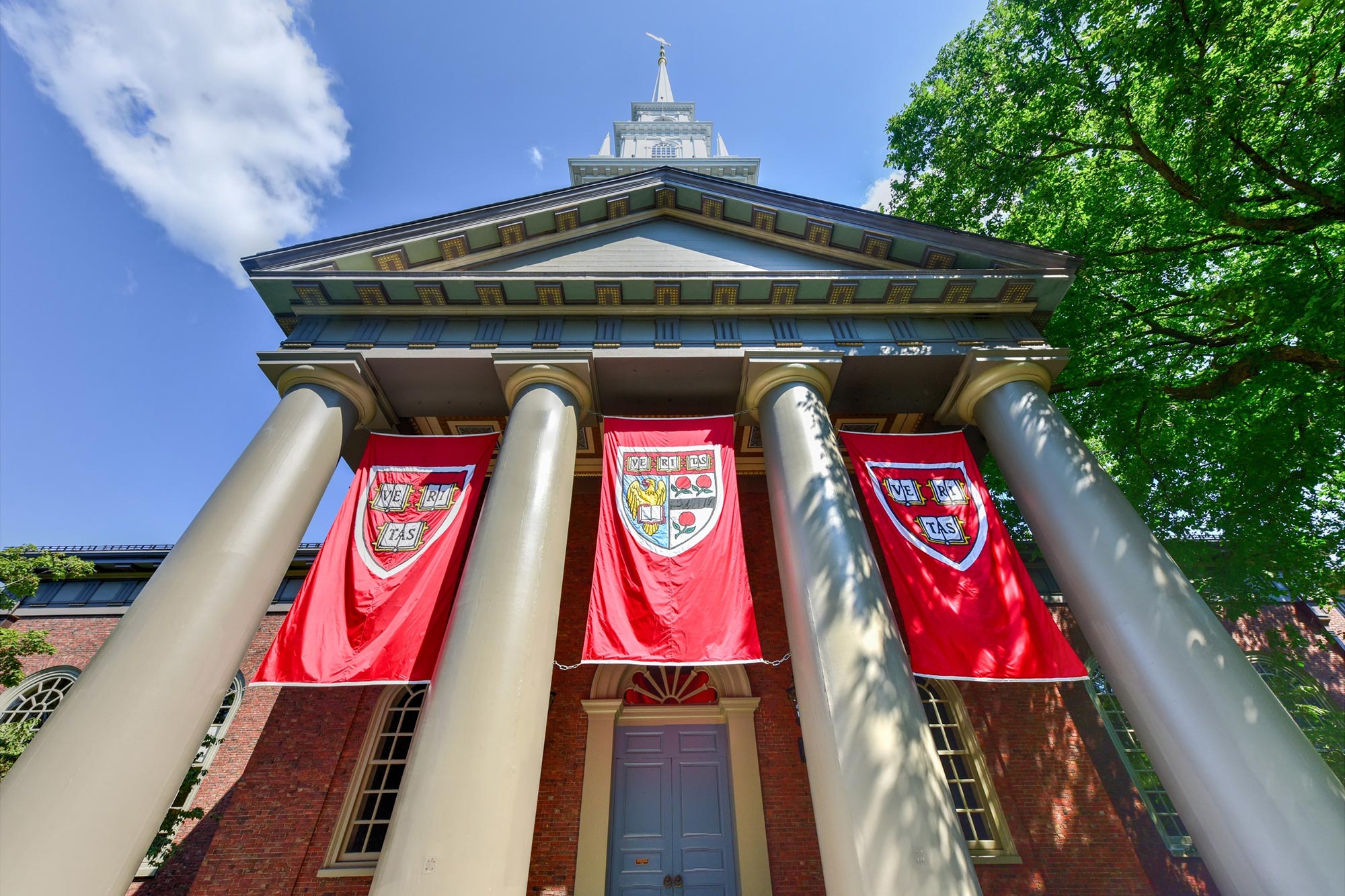
Take the five schools producing the most U.S. professors: the University of California, Berkeley; Harvard University; University of Michigan; Stanford University; and University of Wisconsin-Madison. According to calculations by Larremore and his colleagues, these institutions trained more U.S. faculty than all universities outside of the U.S. combined. Across academia, 80% of tenure-track faculty nationwide earned their doctorate degrees at just 20.4% of the country’s universities.
A potentially dim picture of trends in diversity across U.S. universities is also painted by the team’s findings. For example, the group discovered that while women faculty members are becoming more common in a wide range of academic departments, those gains may soon plateau.
“We should not expect to see gender parity in academia, unless further initiatives and changes in hiring practices are made,” said Hunter Wapman. He is the lead author of the paper and a doctoral student in the Department of Computer Science.
Larremore (who earned his own doctorate in Applied Mathematics from CU Boulder in 2012) added that he hopes U.S. universities will see the results as a wake-up call: “Quantifying and shedding light on these trends will help us change the system.”
Academic Hierarchies
To inform that long process, Wapman, Larremore, and their colleagues drew on data from the Academic Analytics Research Center to build a network of the flows of people between universities.
Co-authors on the study included Sam Zhang, doctoral student in applied mathematics at CU Boulder, and Aaron Clauset, professor of computer science.
“Many inequalities in the system are rooted in hiring, but they’re exacerbated by attrition.” Daniel Larremore
“We might see that Aaron Clauset works in the Department of Computer Science at CU Boulder,” Wapman said. “We also see where he got his PhD—in this case, the University of New Mexico.”
That datapoint creates a connection between CU Boulder and the University of New Mexico like a spoke in a bicycle wheel, just one of hundreds of thousands in the team’s network.
Explore interactive visualizations of the researchers’ findings
By investigating that network, the researchers discovered that in the hallowed halls of academia, some halls are more hallowed than others: Academics who earned their degrees at less prestigious schools almost never got jobs at more prestigious institutions.
For example, in computer science only 12% of faculty were able to get jobs at universities more prestigious than where they went to school—a number that plunged to 6% in economics.
Leaving the Field
According to Larremore, those strict hierarchies also extend beyond the hiring process. Academics who got their graduate degrees from less prestigious schools also seemed to leave the field a lot more often than their counterparts from more elite institutions. So did professors trained outside the U.S., U.K., and Canada, or professors who worked at their doctoral alma mater.
“Many inequalities in the system are rooted in hiring, but they’re exacerbated by attrition,” he said.
Women faculty are becoming more common in a wide range of university departments, the research revealed. However, schools aren’t hiring more women than they did a decade ago—men in academia are merely growing older, on average, and retiring more often.
It isn’t clear yet to Larremore, Wapman, and their colleagues how universities might utilize their findings. In a system where only a minority of universities train the vast majority of academics, it’s more difficult for innovative theories and fresh research to emerge and spread from less prominent institutions. On the other hand, the authors note, those same, prominent institutions may also have an outsized ability to address the inequalities of academia’s past.
“Inequalities in academia have effects that we don’t always observe,” Wapman said. “There’s recent research showing that faculty tend to study topics related to their identities. If we are interested in solving the problems that real people face, we should want to have a diverse body of academics.”
Reference: “Quantifying hierarchy and dynamics in US faculty members hiring and retention” by K. Hunter Wapman, Sam Zhang, Aaron Clauset and Daniel B. Larremore, 21 September 2022, Nature.
DOI: 10.1038/s41586-022-05222-x
Never miss a breakthrough: Join the SciTechDaily newsletter.
Follow us on Google and Google News.
2 Comments
Seems little wonder that those Universities are producing the “leaders” of today; “left-leaning university” has become an oxymoron.
“For example, the group discovered that while women faculty members are becoming more common in a wide range of academic departments, those gains may soon plateau.”
Before advocating for increased participation of women, perhaps the question should be answered as to why the male undergraduate participation rate has been declining for years.