
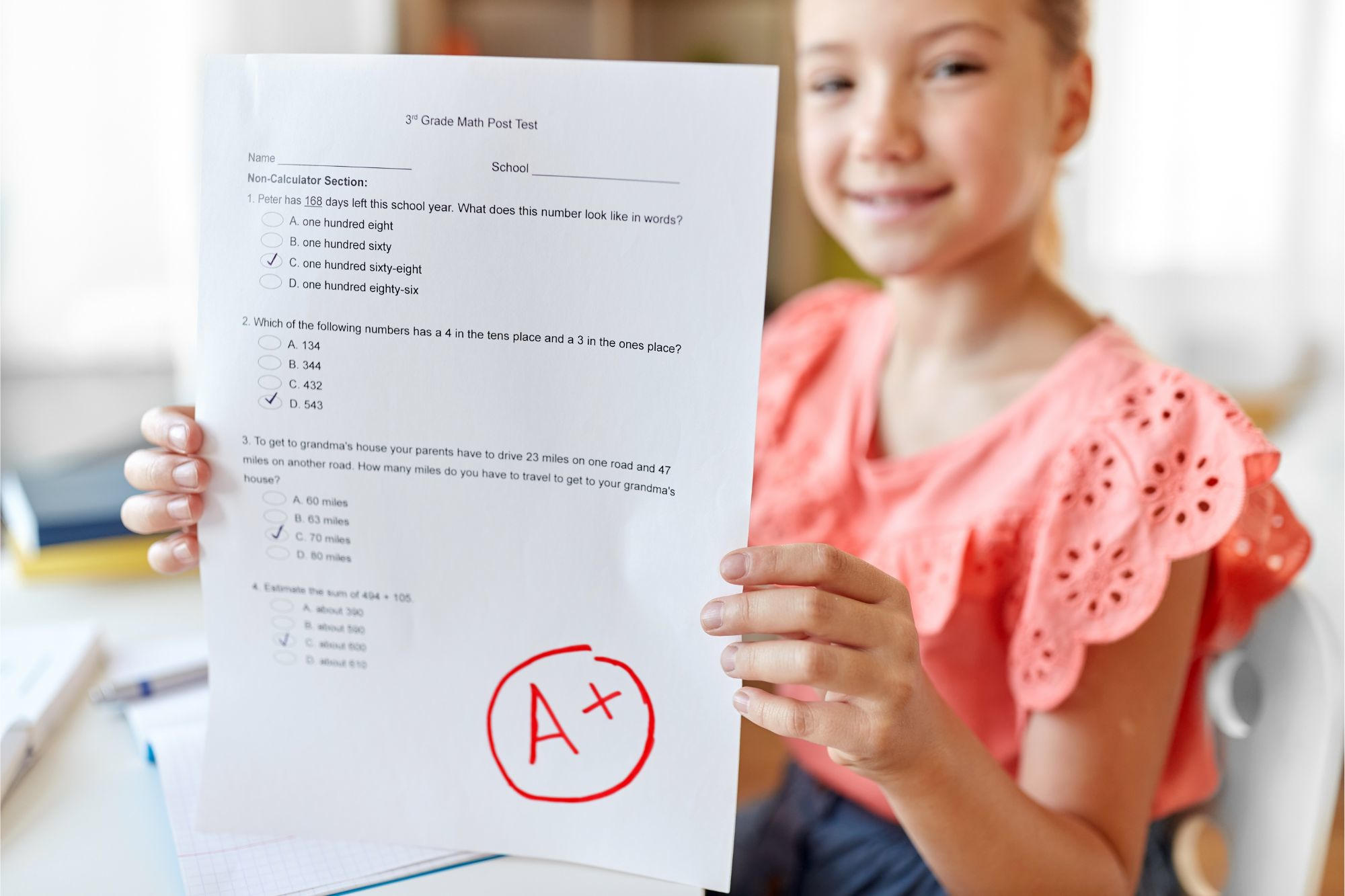
High engagement, high return. That’s the advice from education experts at the University of South Australia for teachers looking to improve student outcomes.
In a new study conducted in partnership with Flinders University and Melbourne Graduate School of Education, researchers found that less than a third of teachers are engaging students in complex learning, limiting student opportunities for building critical thinking and problem solving.
Filming and assessing the content of classrooms across South Australia and Victoria, researchers found that nearly 70% of student tasks involved superficial learning – simple questions and answers, taking notes, or listening to teachers – rather than activities that engage students on a deeper level.
Emphasis on Deep Learning
UniSA researcher, Dr Helen Stephenson, says teachers need more support to plan interactive and constructive lessons that promote deep learning.
“When we look at learning, the greater the engagement, the deeper the learning. But too often students are doing low-engagement, passive work,” Dr Stephenson says
“In our study, around 70% of classroom content was considered ‘passive’ (where students had little observable input) or ‘active’ where they may have been doing something simple, like answering questions on a fact sheet. While there is certainly a place for such tasks in a classroom, student learning is much improved when students spend more time engaging in complex activities that promote deep and conceptual learning. Deep learning requires the organization of knowledge into conceptual structures, which we know improves the retention of information and therefore improves learning outcomes. Deep learning also supports knowledge that’s needed for innovations. Small changes to teachers’ existing lesson plans and teaching can significantly increase student engagement and consequently their overall results.”
She continues, “At a base level, teachers need to consider how they can adjust their existing classroom activities so that more tasks are on the deeper end of the learning scale. Take, for example, watching a video. Students can silently watch a video (which is ‘passive’); watch a video and take notes using the presenter’s words (which is considered ‘active’); write questions that arise for them while watching the video (which is ‘constructive’); or watch a video and discuss it with another student to generate different ideas (which is ‘interactive’). Interactive engagement in classrooms is where students are involved in activities with other students that stimulate them to develop a deeper understanding. They’re making judgments, proposing and critiquing arguments and opinions, and working out solutions to problems. These activities can also help them to develop critical thinking and reasoning skills…all of which are predictors of improved learning.”
Research Findings on Teacher Awareness
Interestingly, one of the main findings of the research was that many teachers seemed not to know or fully appreciate the importance of how their lesson tasks could stimulate different modes of student engagement.
“Even changing class activities from ‘active’ to ‘constructive’ can go a long way towards improving student learning,” Dr Stephenson says.
“Teachers should be supported to undertake professional development to shift their thinking towards practices that support deeper learning and better outcomes for students.”
Reference: “Using an extended ICAP-based coding guide as a framework for the analysis of classroom observations” by Stella Vosniadou, Michael J. Lawson, Erin Bodner, Helen Stephenson, David Jeffries and I Gusti Ngurah Darmawan, 13 April 2023, Teaching and Teacher Education.
DOI: 10.1016/j.tate.2023.104133
The study was funded by the Australian Research Council.
Never miss a breakthrough: Join the SciTechDaily newsletter.
Follow us on Google and Google News.
2 Comments
The secret is Testing is the culprit, it’s like a stress test on what a person has absorbed of information provided through educators. If Educators really want their students to excel at a higher engagement they might think about using informal answer of questions the student may ask the educator about the presented information, can’t think of one person that likes a stressing test, engagement is feeling that the educator is interested in them.
Deep learning requires more time and money. Nobody is more aware than teachers on the ground. Instead of patronizing an entire profession, how about giving the teachers and students the resources they need to meet your expectations.