
Close Menu
    Facebook X (Twitter) Instagram
    SciTechDaily
    • Biology
    • Chemistry
    • Earth
    • Health
    • Physics
    • Science
    • Space
    • Technology
    Facebook X (Twitter) Pinterest YouTube RSS
    SciTechDaily
    Home»Space»Lunar Gateway Orbital Outpost Experiment Will Monitor Radiation in Deep Space
    Space

    Lunar Gateway Orbital Outpost Experiment Will Monitor Radiation in Deep Space

    By European Space Agency (ESA)March 22, 2020No Comments4 Mins Read
    Facebook Twitter Pinterest Telegram LinkedIn WhatsApp Email Reddit
    Share
    Facebook Twitter LinkedIn Pinterest Telegram Email Reddit

    a

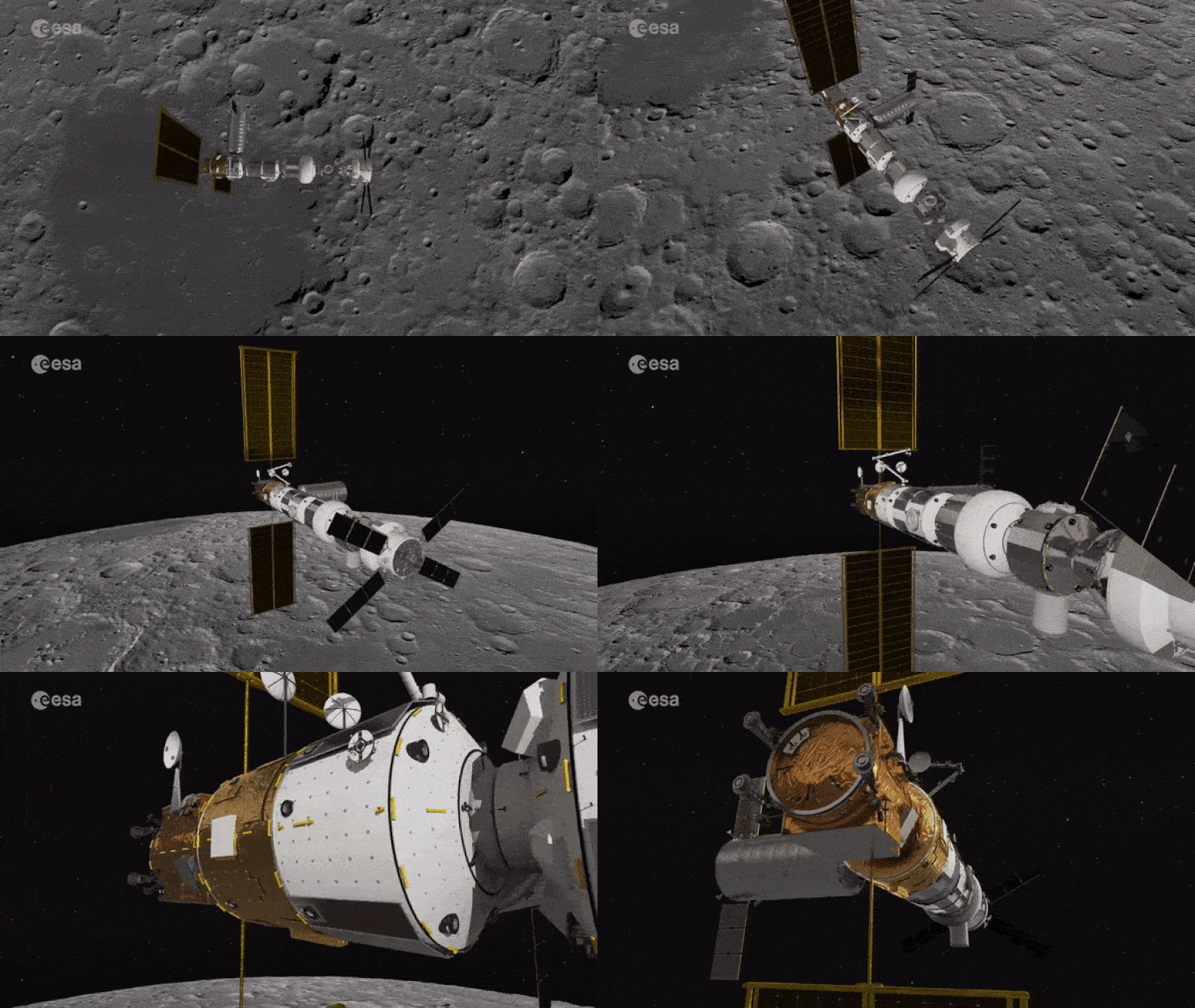
    Lunar Gateway Animation
    An Orion spacecraft docked with the lunar outpost called the Gateway. The Gateway is the next structure to be launched by the partners of the International Space Station. Credit: ESA

    The first science experiments that will be hosted on the Gateway, an international outpost that will orbit the Moon, have been selected by ESA and NASA. Europe’s contribution will monitor radiation to gain a complete understanding of cosmic and solar rays in unexplored areas as the orbital outpost is assembled around the Moon.
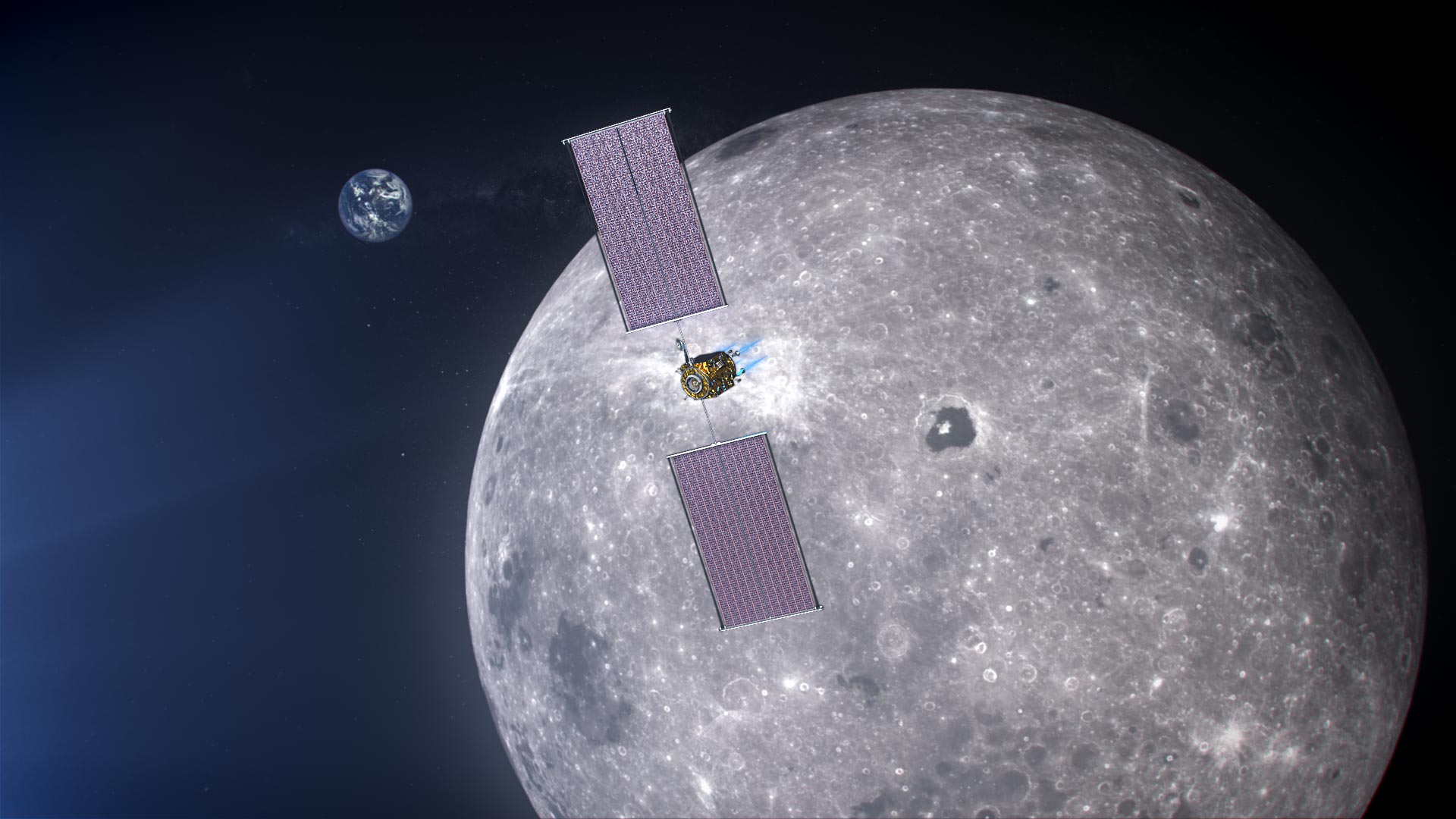
    Gateway Power and Propulsion Element
    The first module for the Gateway, the Power and Propulsion Element, is set to launch on the second Artemis mission and will host two external scientific investigations. Credit: NASA

    The first module for the Gateway, the Power and Propulsion Element, is set to host two external scientific investigations.

    ESA’s hardware will actively monitor radiation at all times and return data for scientists from participating countries to consult.
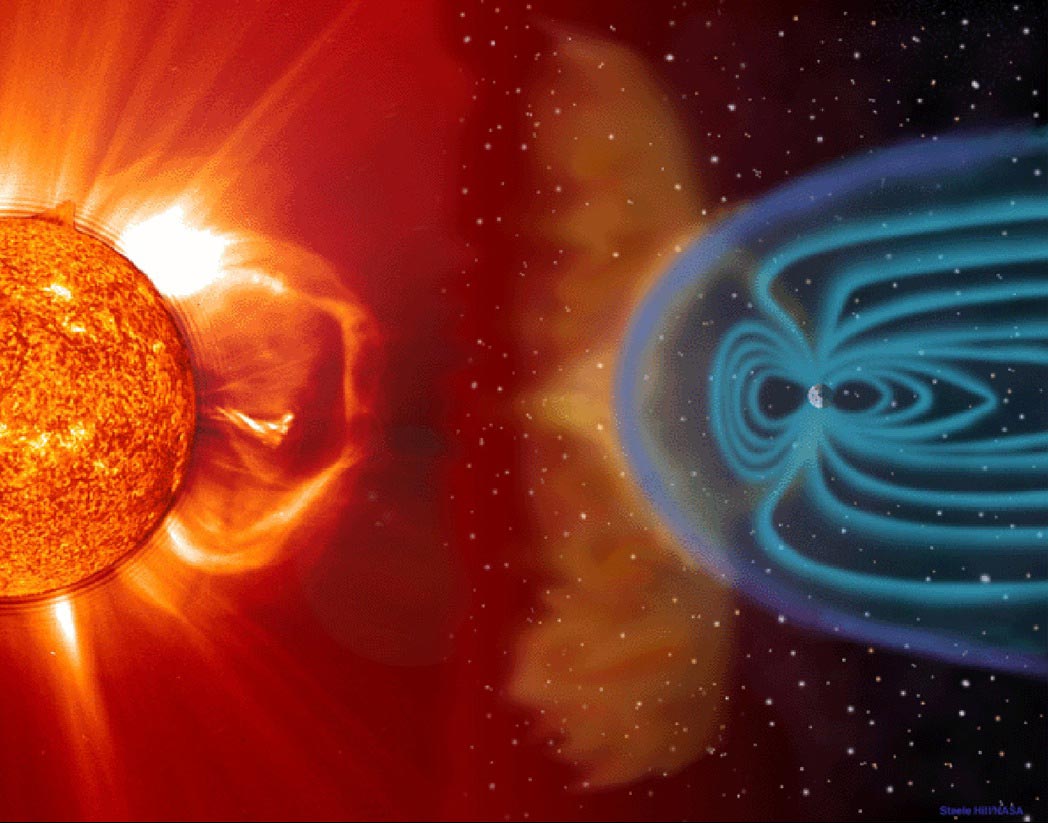
    Sun Earth Connection

    This composite image shows a SOHO image of the Sun and an artist’s impression of Earth’s magnetosphere. Credit: Magnetosphere: NASA, the Sun: ESA/NASA – SOHO

    As the Gateway module flies to its position in a halo-like orbit around the Moon, it will pass through the Van Allen radiation belt – an area around Earth where high-energy particles are trapped by our planet’s magnetic field. The particles can cause more radiation damage to humans, and the hardware will provide useful information on to how to keep astronauts safe as they pass through the belt.

    Once in position, the Gateway will orbit the Moon flying as close as 3000 km from the lunar surface and at its furthest, 70 000 km. The radiation investigation will continue to monitor the changes in protons, electrons and heavy ions and neutrons as they hit the measuring instruments.


    Angelic halo orbit chosen for humankind’s first lunar outpost

    Heavy interactions in space

    “Heavy neutrons are of particular interest for us,” says ESA’s Science Team Leader of Human and Robotic Exploration Jennifer Ngo-Anh “some cosmic rays hit the Moon and interact with the surface to reflect as heavy neutrons that are particularly damaging to humans. We need to know more about where and how these particles form, to protect astronauts.”

    NASA’s first investigation to fly aboard the Gateway is a Sun-oriented space weather experiment to observe solar particles and solar wind. Large explosions on the Sun are unpredictable and can result in violent outbursts of radiation and energetic solar wind that could hit astronauts as they venture outside the protective atmosphere of Earth.

    Gateway Over Moon
    Artist’s impression of the Gateway and Orion. The Gateway is the next structure to be launched by the partners of the International Space Station. Credit:
    ESA/NASA/ATG Medialab

    “Both these experiments will work together to supply much-needed information to forecast radiation events and how to build better spacecraft and protection for astronauts on and around the Moon,” explains ESA’s director of Human and Robotic Exploration David Parker.

    “As we prepare for the next generation of European astronauts who will join their NASA colleagues in the Artemis programme, this research is of vital importance and shows how science and exploration go hand-in-hand as we move forward to the Moon.”
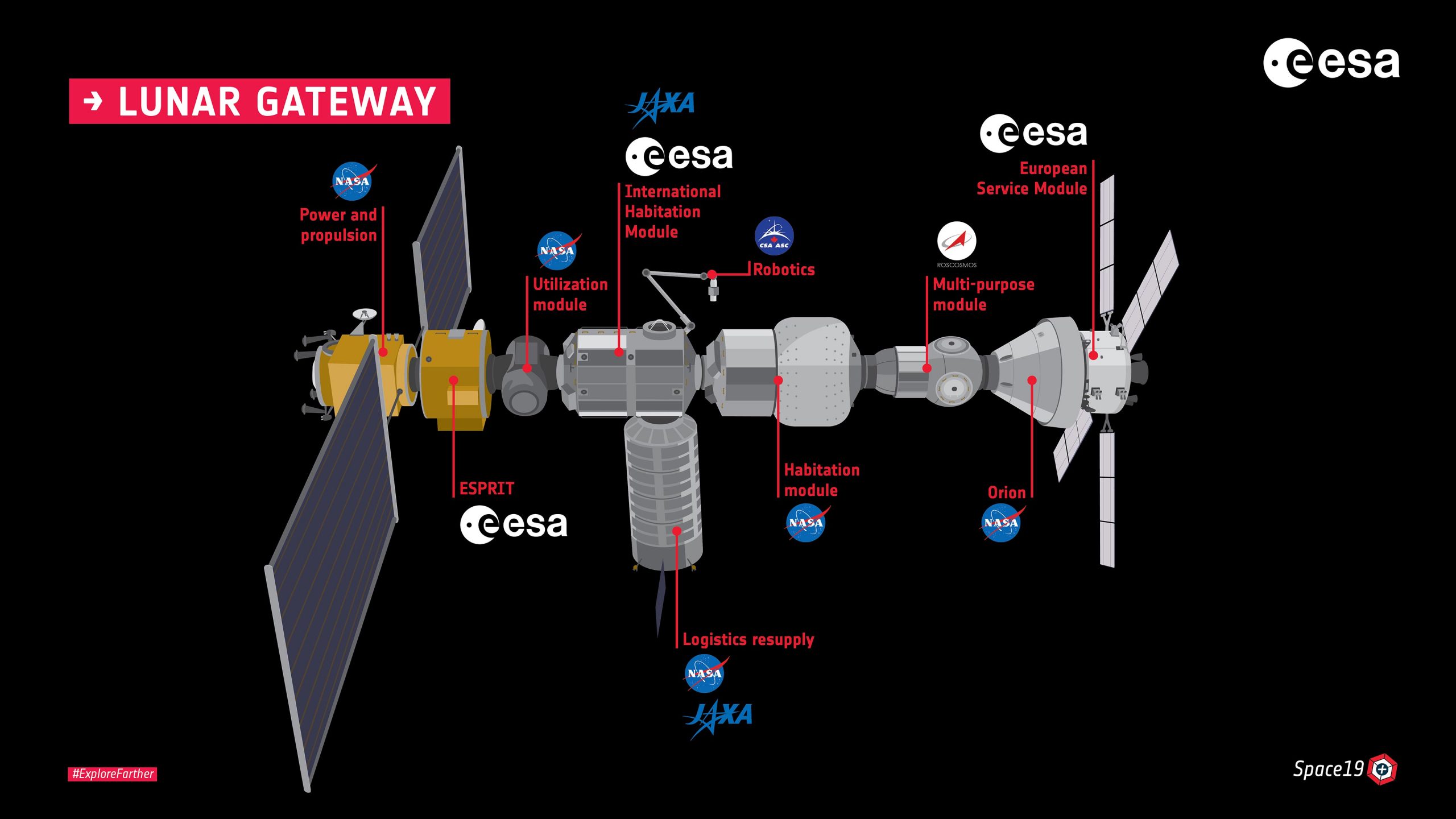
    Lunar Gateway Concept
    The space Gateway is the next structure to be launched by the partners of the International Space Station. Placed farther from Earth than the current Space Station – but not in a lunar orbit – the Gateway will offer a staging post for missions to the Moon and Mars. Credit: NASA/ESA

    More science will be selected to fly aboard the Gateway in the future to take advantage of the unique environment in lunar orbit that cannot be duplicated on Earth or on the International Space Station.

    The Gateway will be built and assembled this decade as a platform for exploration, science, and commercial activities in deep space. Gateway operations will provide invaluable experience and demonstrate critical technologies in support of a future human mission to Mars. Following decisions at Space19+, ESA will build a Habitation module, communications systems and a refueling module for the Gateway. The Canadian Space Agency (CSA) has committed to provide advanced robotics for the lunar outpost. The Japanese Aerospace Exploration Agency is also in discussion to supply elements.

    Never miss a breakthrough: Join the SciTechDaily newsletter.
    Follow us on Google and Google News.

    European Space Agency Lunar Orbital Platform-Gateway Moon NASA Popular
    Share. Facebook Twitter Pinterest LinkedIn Email Reddit

    Related Articles

    Opening a 50-Year-Old Christmas Present From the Moon – Using a Custom-Built “Apollo Can Opener”

    Hubble Uses Moon As “Mirror” to Study Earth’s Atmosphere – Proxy in Search of Potentially Habitable Planets Around Other Stars

    Hubble Zooms in on the Center of M4

    Hubble Image of Peculiar Galaxy Pair Arp 116

    Phobos May Provide Evidence of Life on Mars

    Saturn’s Moon Phoebe Has Planet-Like Qualities

    NASA LRO Spacecraft Reveals Geological Activity on the Moon’s Surface

    Researchers Discover First Intermediate-Mass Black Hole

    ESA’s Hershel Space Telescope Captures Incredible Views of Eagle Nebula

    Leave A Reply Cancel Reply

    • Facebook
    • Twitter
    • Pinterest
    • YouTube

    Don't Miss a Discovery

    Subscribe for the Latest in Science & Tech!

    Trending News

    Largest-Ever Study Finds Medicinal Cannabis Ineffective for Anxiety, Depression, PTSD

    250-Million-Year-Old Egg Solves One of Evolution’s Biggest Mysteries

    Living With Roommates Might Be Changing Your Gut Microbiome Without You Knowing

    Century-Old Cleaning Chemical Linked to 500% Increased Risk of Parkinson’s Disease

    What if Your Memories Never Happened? Physicists Take a New Look at the Boltzmann Brain Paradox

    One of the Universe’s Largest Stars May Be Getting Ready To Explode

    Scientists Discover Enzyme That Could Supercharge Ozempic-Like Weight Loss Drugs

    Popular Sweetener Linked to DNA Damage – “It’s Something You Should Not Be Eating”

    Follow SciTechDaily
    • Facebook
    • Twitter
    • YouTube
    • Pinterest
    • Newsletter
    • RSS
    SciTech News
    • Biology News
    • Chemistry News
    • Earth News
    • Health News
    • Physics News
    • Science News
    • Space News
    • Technology News
    Recent Posts
    • The Surprising Diet Rule That Makes “Good” Parasites Work
    • This Simple Blood Test Could Outperform “Bad Cholesterol” in Preventing Heart Disease
    • Scientists Uncover Potential Brain Risks of Popular Fish Oil Supplements
    • Scientists Prove There Are Just Six Degrees of Separation in a Social Network
    • Bee Bacteria Could Fix a Major Flaw in Plant-Based Milk
    Copyright © 1998 - 2026 SciTechDaily. All Rights Reserved.
    • Science News
    • About
    • Contact
    • Editorial Board
    • Privacy Policy
    • Terms of Use

    Type above and press Enter to search. Press Esc to cancel.