
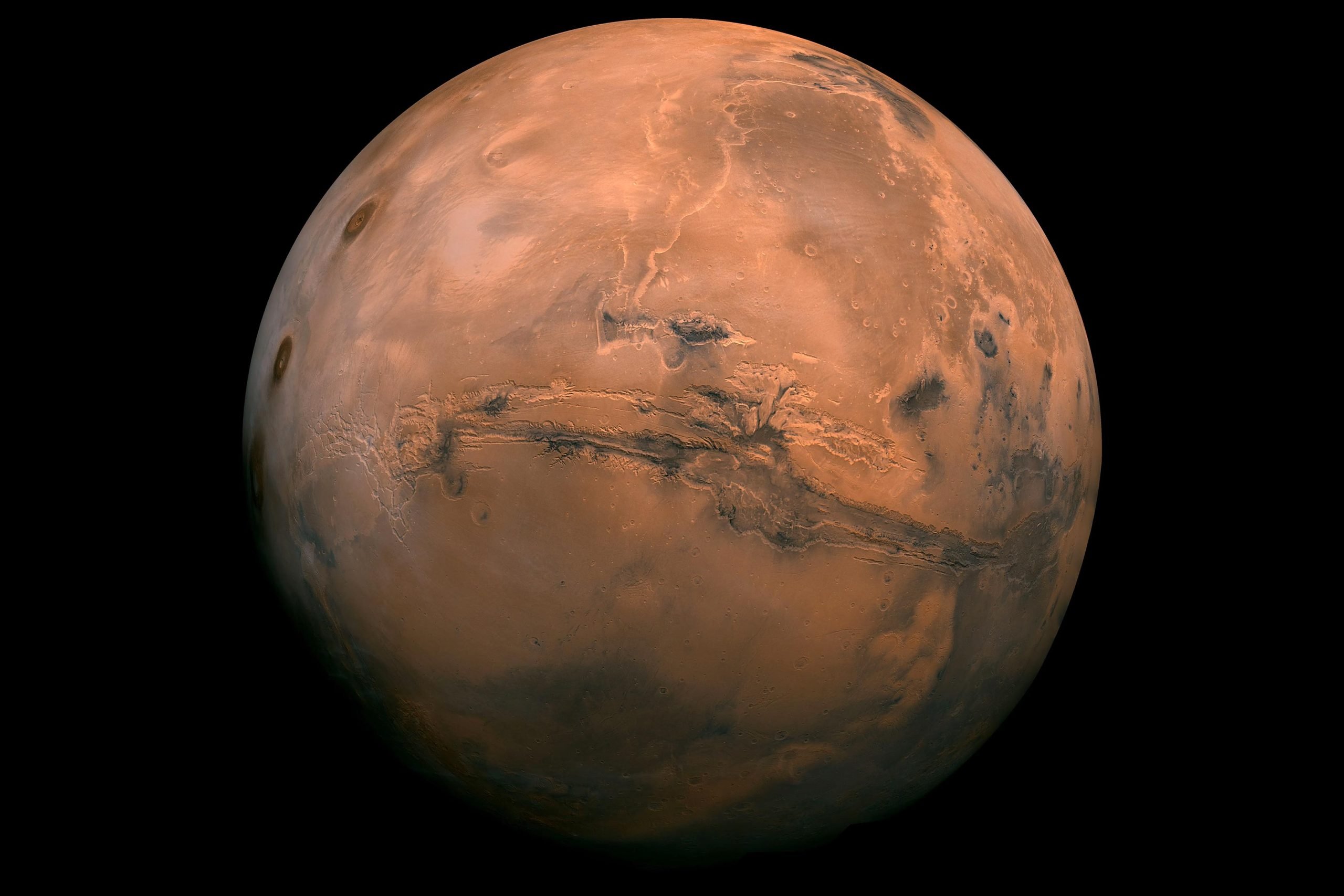
A new study reveals the frequency of space rocks pummeling Mars is higher than previously estimated and detects two of the largest impacts ever seen by scientists on the Red Planet.
The Mars InSight Lander, though inactive, continues to contribute to our understanding of Mars through data revealing higher-than-expected meteoroid impact rates. This information, derived from both seismic and orbital imagery analyses, suggests a need to update current models of Martian and other planetary surfaces across the solar system.
New Insights From Mars: Increased Meteoroid Impacts
NASA’s Mars InSight Lander may be resting on the Red Planet in retirement, but data from the robotic explorer is still leading to seismic discoveries on Earth.
In one of the latest studies using data from the spacecraft, an international team of scientists led by a Brown University researcher found that Mars may be getting bombarded by space rocks at more frequent rates than previously thought. Impact rates could be two to 10 times higher than previously estimated, depending on the size of the meteoroids, according to the study published in Science Advances.
“It’s possible Mars is more geologically active than we thought, which holds implications for the age and evolution of the planet’s surface,” said lead researcher Ingrid Daubar, an associate professor (research) of Earth, environmental and planetary sciences at Brown. “Our results are based on a small number of examples available to us, but the estimate of the current impact rate suggests the planet is getting hit much more frequently than we can see using imaging alone.”
Advancements in Mars Geology and Crater Detection
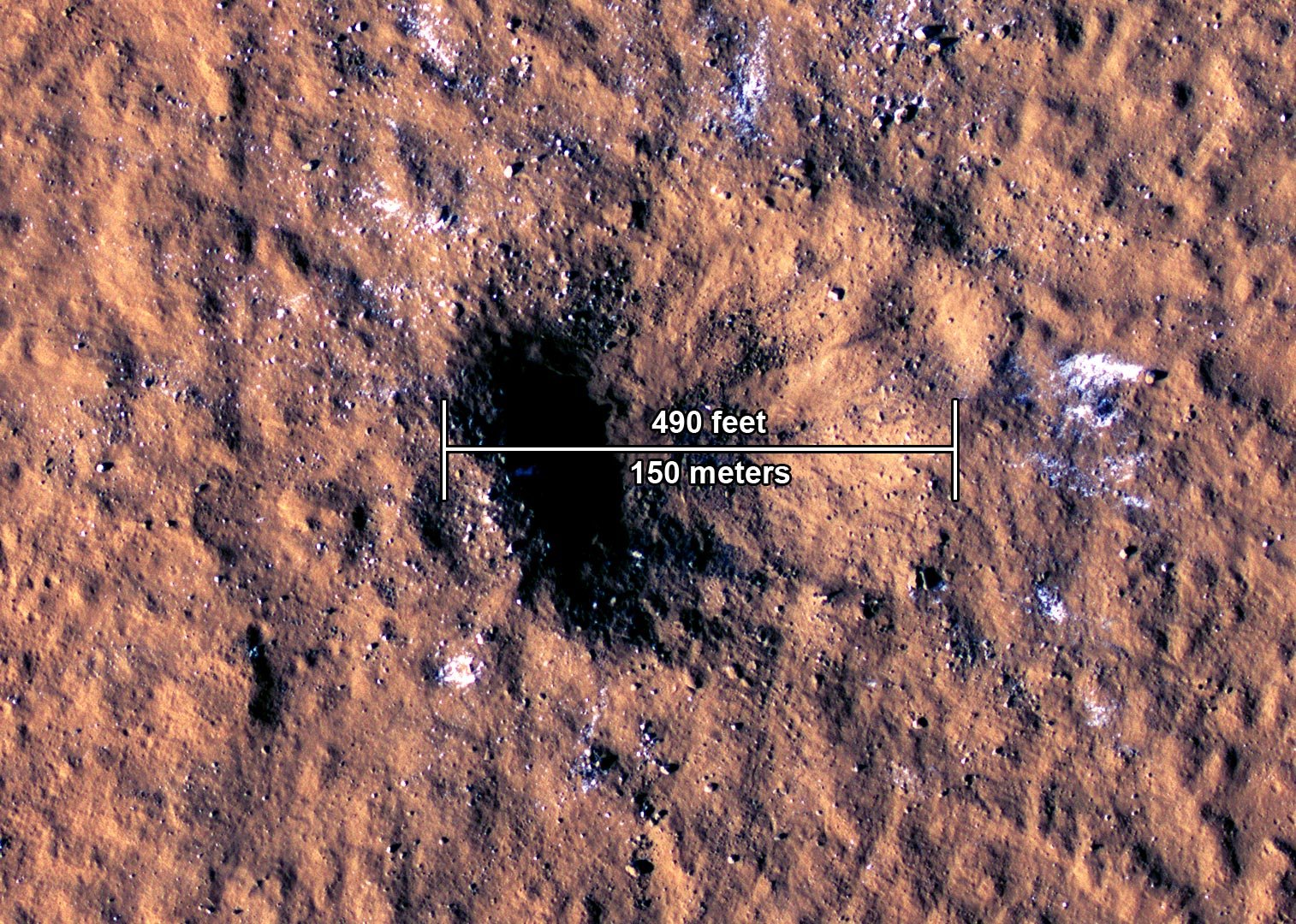
As part of the study, the research team used InSight’s highly sensitive onboard seismometer to identify eight new impact craters from meteoroids not previously seen from orbit. The frequency of these cosmic collisions challenges existing notions about how often meteoroids hit the Martian surface and suggests a need to revise current Martian cratering models to incorporate higher impact rates, especially from smaller meteoroids. The findings could ultimately reshape current understandings of the Martian surface — as batterings from small meteoroids continue to sculpt it — and the impact history of not just Mars, but other planets.
Rethinking Planetary Surface Models
“This is going to require us to rethink some of the models the science community uses to estimate the age of planetary surfaces throughout the entire solar system,” Daubar said.
Six of the craters the researchers detected were near the site where the stationary InSight lander set down. The two distant impacts they identified from the data were the two biggest impacts ever detected by scientists, even after decades of watching from orbit. The larger impacts, each leaving a crater roughly the size of a football field, came just 97 days apart, underscoring the higher frequency of these types of geological events.
“This size impact, we would expect to happen maybe once every couple of decades, maybe even once in a lifetime, but here we have two of them that are just over 90 days apart,” Daubar said. “It could just be a crazy coincidence, but there’s a really, really small likelihood that it’s just coincidence. What’s more likely is that either the two big impacts are related, or the impact rate is a lot higher for Mars than what we thought it was.”
Enhanced Methods for Impact Detection
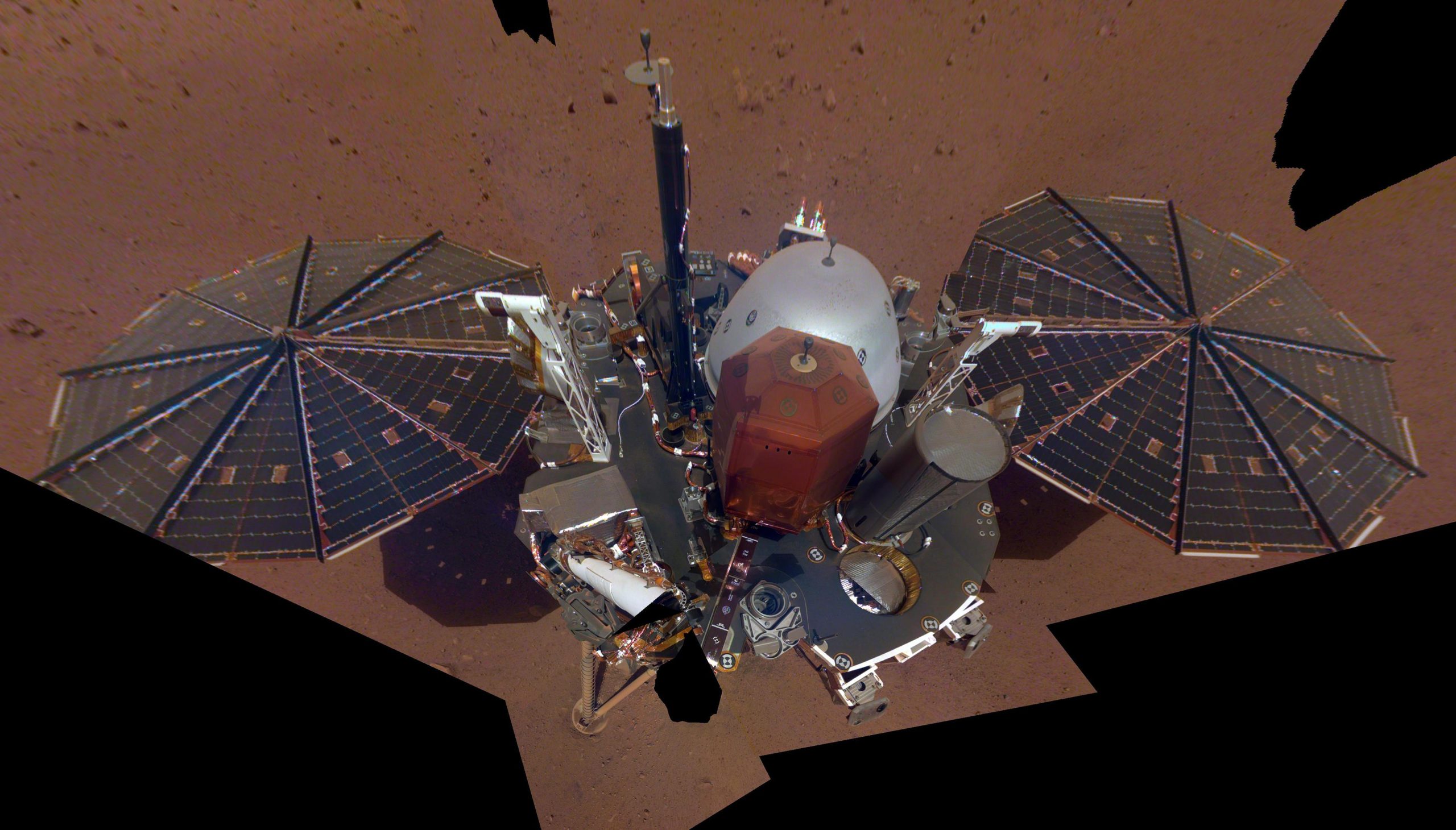
Led by NASA’s Jet Propulsion Laboratory (JPL) in Southern California, InSight’s mission was active from November 2018 to December 2022. One of its main objectives was measuring the planet’s seismological shaking. Previously, new impacts on Mars were spotted with before-and-after images taken from cameras in orbit around the planet. The seismometer provided a new tool to find and detect these impacts, many of which might have otherwise gone unnoticed.
“Planetary impacts are happening all across the solar system all the time,” Daubar said. “We’re interested in studying that on Mars because we can then compare and contrast what’s happening on Mars to what’s happening on the Earth. This is important for understanding our solar system, what’s in it and what the population of impacting bodies in our solar system looks like — both as hazards to the Earth and also historically to other planets.”
The rates are also important for assessing potential hazards that impacts pose for future exploration missions as NASA sends rovers or even human missions to space.
To pinpoint when and where the impacts occurred on Mars, Daubar and the research team analyzed seismic signals from InSight and then compared that seismic data with images taken by NASA’s Mars Reconnaissance Orbiter.
The team visually confirmed eight of the events as new craters by examining before-and-after images. This dual approach of using seismic data and orbital imagery allowed them to confirm the seismic signals were caused by impacts and cross-check their findings to ensure accuracy.
Concluding Insights on Mars’ Seismic Activities
The InSight lander collected seismic data from its landing until its solar panels were covered in dust to the extent that the lander could no longer generate power.
“This latest paper is evidence of how, even though InSight is no longer active, its data continues to help us understand Mars,” said Mark Panning, InSight’s project scientist at JPL, who was not involved in the research. “We’re excited to see what else is buried in the mission’s seismic readings.”
The current study by Daubar and the research team ties into a companion paper in Nature Communications that uses even more data from InSight to look at all the very high-frequency seismic events the lander detected. The companion paper, assumes all these events were caused by impacts and finds the resulting estimated rate falls in line with what the researchers from Daubar’s team calculated independently, further strengthening each team’s findings.
“It’s possible that more events that InSight picked up during its mission were actually impacts,” Daubar said. “Next steps are to do more detailed orbital searches to try to confirm this using machine learning techniques. If we can confirm even more impacts, we might be able to find other seismic signals that were caused by impacts, too.”
Reference: “Seismically detected cratering on Mars: Enhanced recent impact flux?” by Ingrid J. Daubar, Raphaël F. Garcia, Alexander E. Stott, Benjamin Fernando, Gareth S. Collins, Colin M. Dundas, Natalia Wójcicka, Géraldine Zenhäusern, Alfred S. McEwen, Simon C. Stähler, Matthew Golombek, Constantinos Charalambous, Domenico Giardini, Philippe Lognonné and W. Bruce Banerdt, 28 June 2024, Science Advances.
DOI: 10.1126/sciadv.adk7615
Along with Brown, the study also involved researchers from the Institut Supérieur de l’Aéronautique et de l’Espace, University of Oxford, Imperial College London, U.S. Geological Survey, ETH Zürich, University of Arizona, NASA’s Jet Propulsion Laboratory, and Université Paris Cité.
The work was supported by NASA, CNES, the French Space Agency, and the United Kingdom Space Agency.
Never miss a breakthrough: Join the SciTechDaily newsletter.
Follow us on Google and Google News.