

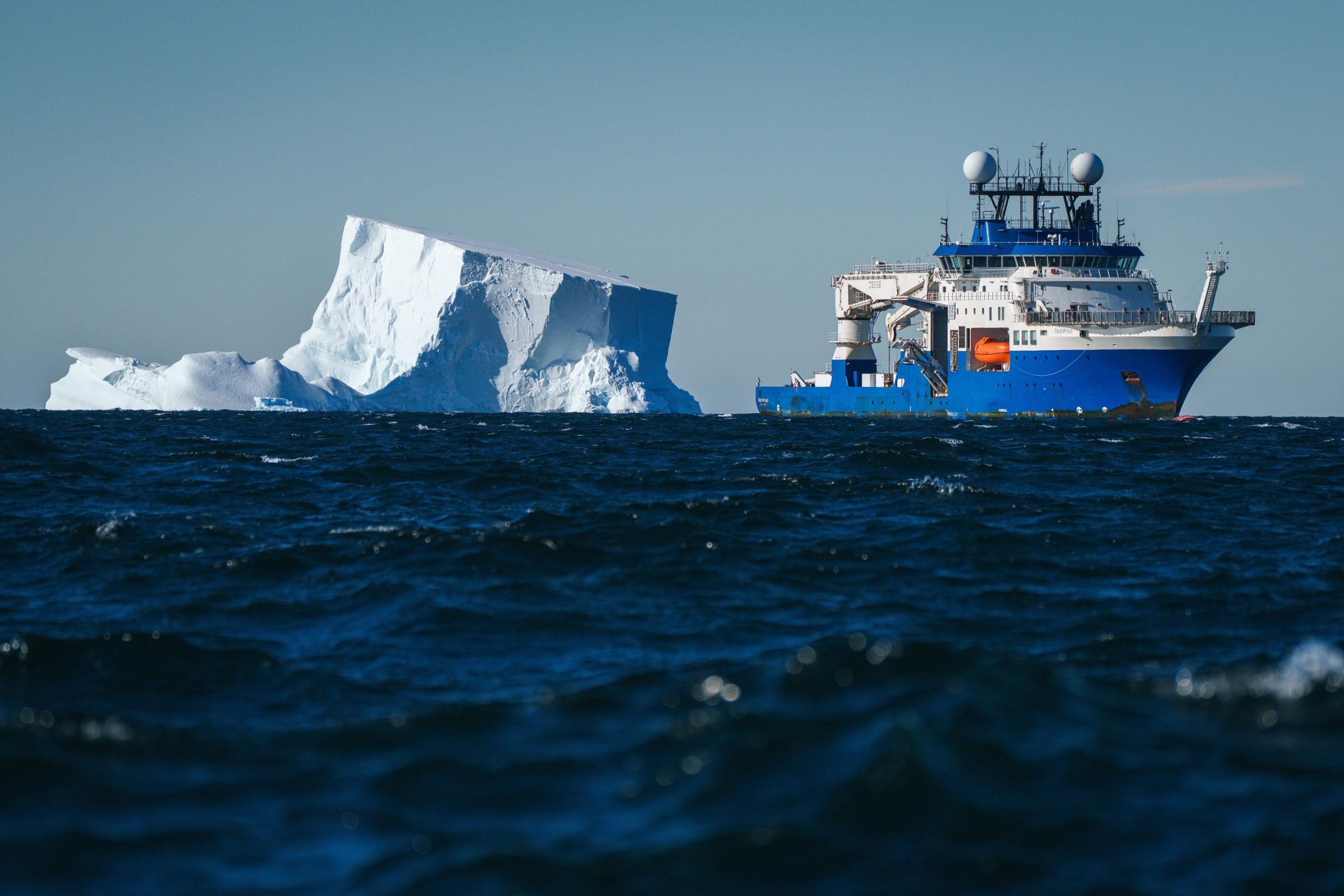
A team of scientists aboard the R/V Falkor (too) made an unexpected discovery after an iceberg the size of Chicago broke off from Antarctica’s George VI Ice Shelf.
With rare access to a seafloor that had been hidden under ice for centuries, they quickly adapted their mission to explore the newly revealed world. What they found beneath the surface surprised them—a vibrant ecosystem thriving in a place no human had ever seen.
A Sudden Shift in Antarctic Research
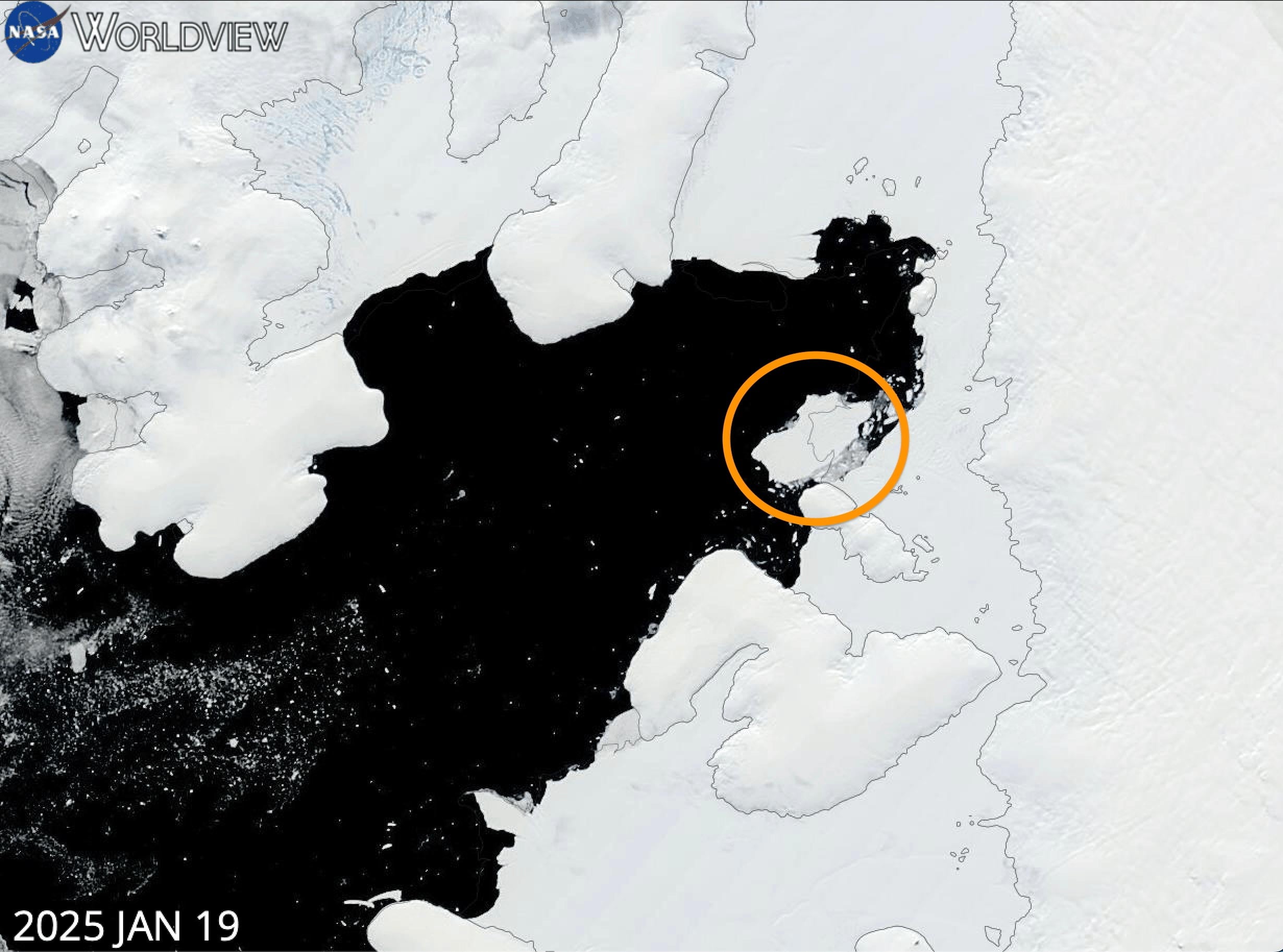
In a rare and exciting twist, an international team aboard Schmidt Ocean Institute’s research vessel Falkor (too) quickly changed course to explore a part of Antarctica that had just emerged from beneath the ice. On January 13, 2025, a colossal iceberg, roughly the size of Chicago, broke off from the George VI Ice Shelf, one of the vast floating glaciers attached to the Antarctic Peninsula. Just twelve days later, the team arrived at the newly exposed seafloor, becoming the first humans to ever lay eyes on this hidden stretch of ocean.
This was no ordinary expedition. It marked the first in-depth study of the geology, ocean conditions, and marine life beneath such a large area once sealed off by ice. The iceberg that calved, named A-84, measured about 510 square kilometers (209 square miles), unveiling a pristine, untouched world beneath.
A Surprising Discovery Beneath the Ice
“We seized upon the moment, changed our expedition plan, and went for it so we could look at what was happening in the depths below,” said expedition co-chief scientist Dr. Patricia Esquete of the Centre for Environmental and Marine Studies (CESAM) and the Department of Biology (DBio) at the University of Aveiro, Portugal. “We didn’t expect to find such a beautiful, thriving ecosystem. Based on the size of the animals, the communities we observed have been there for decades, maybe even hundreds of years.”
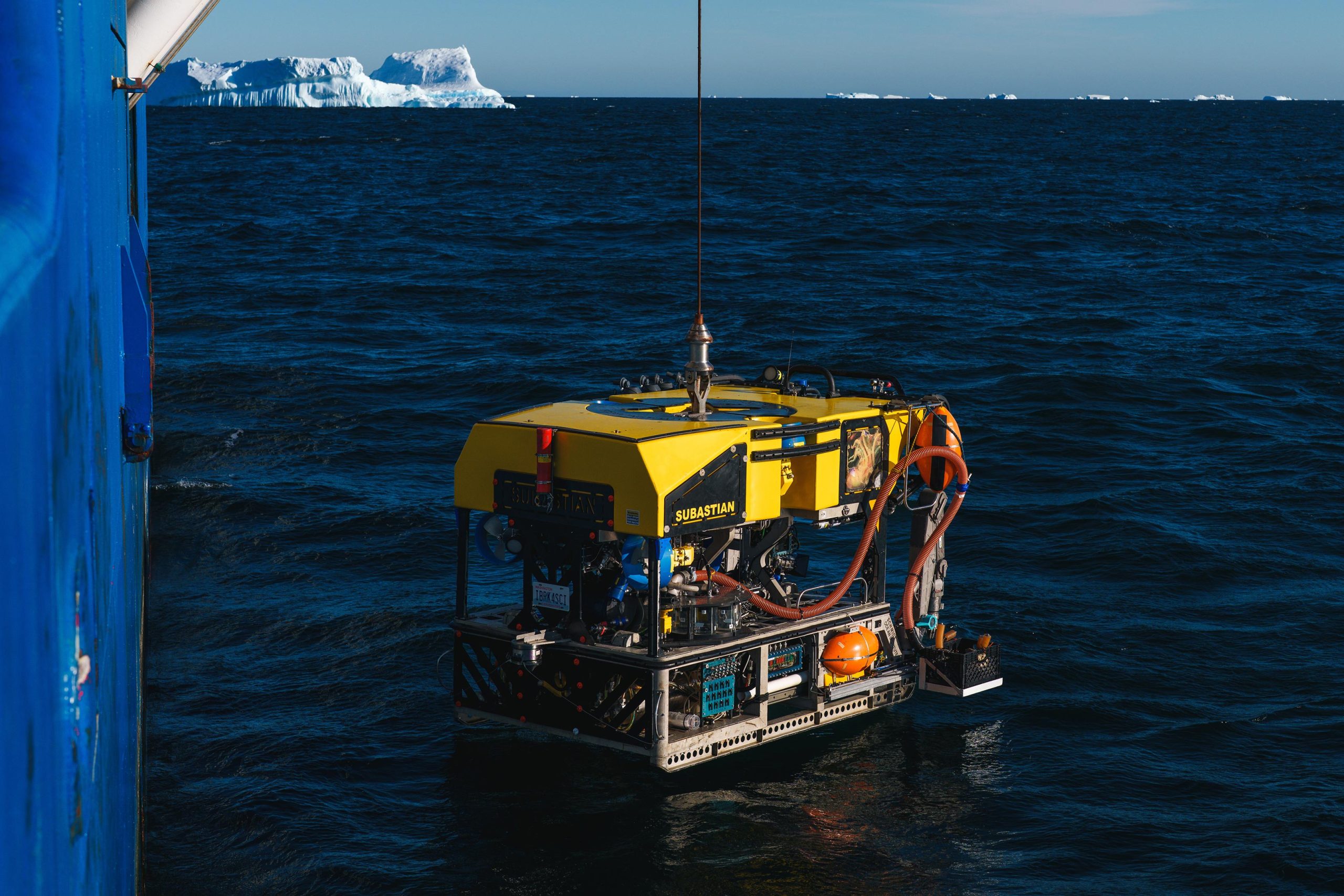
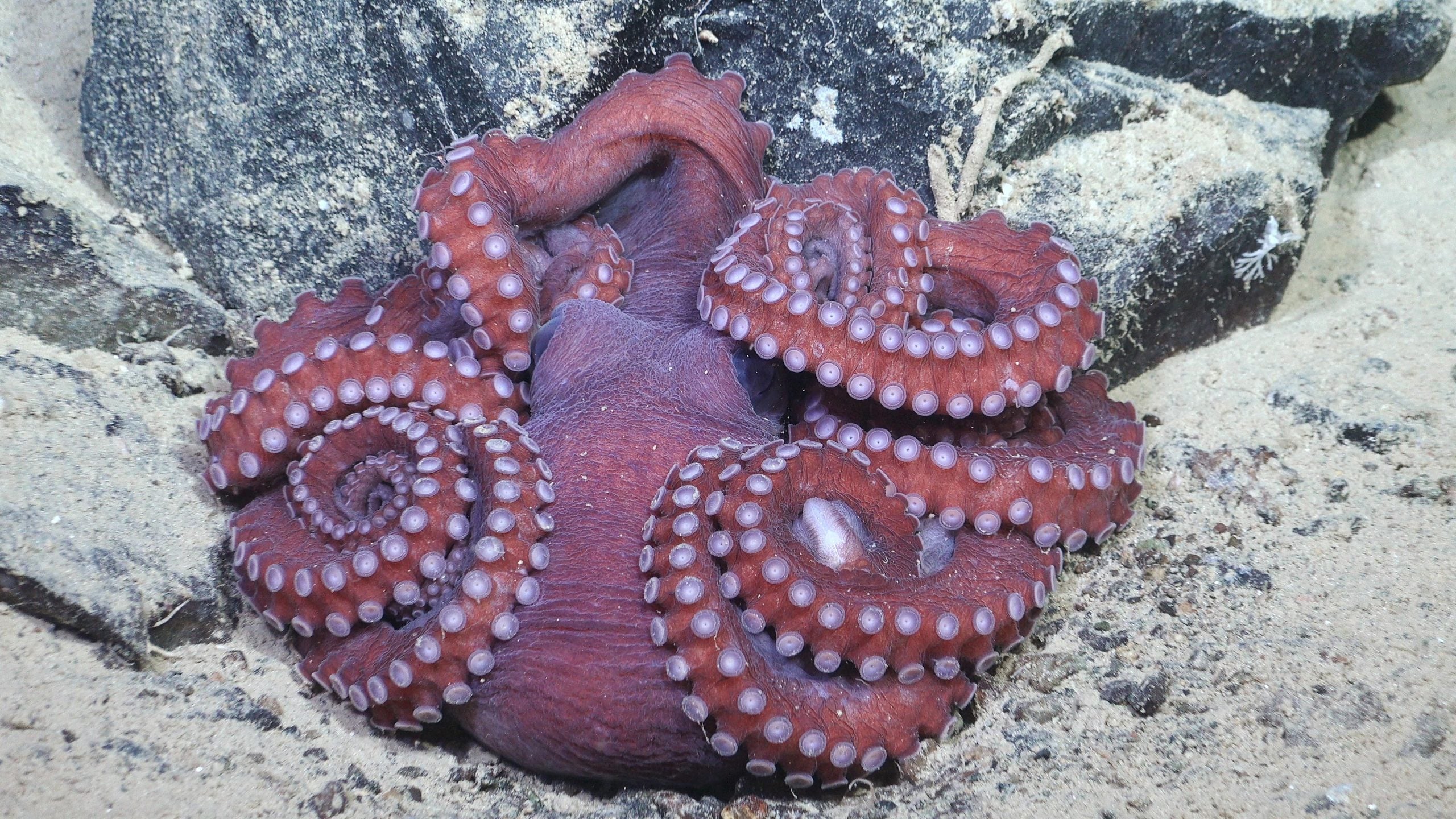
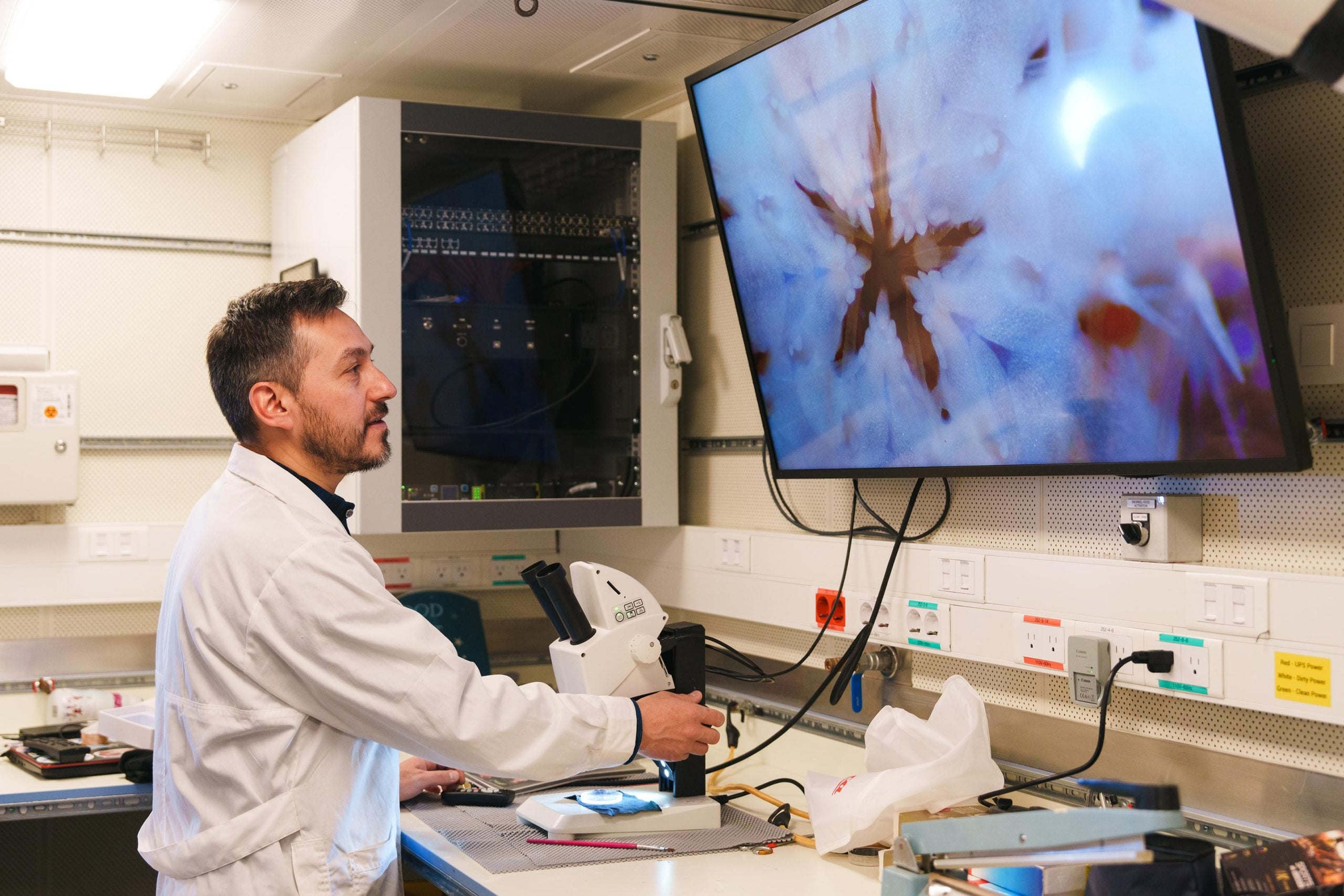
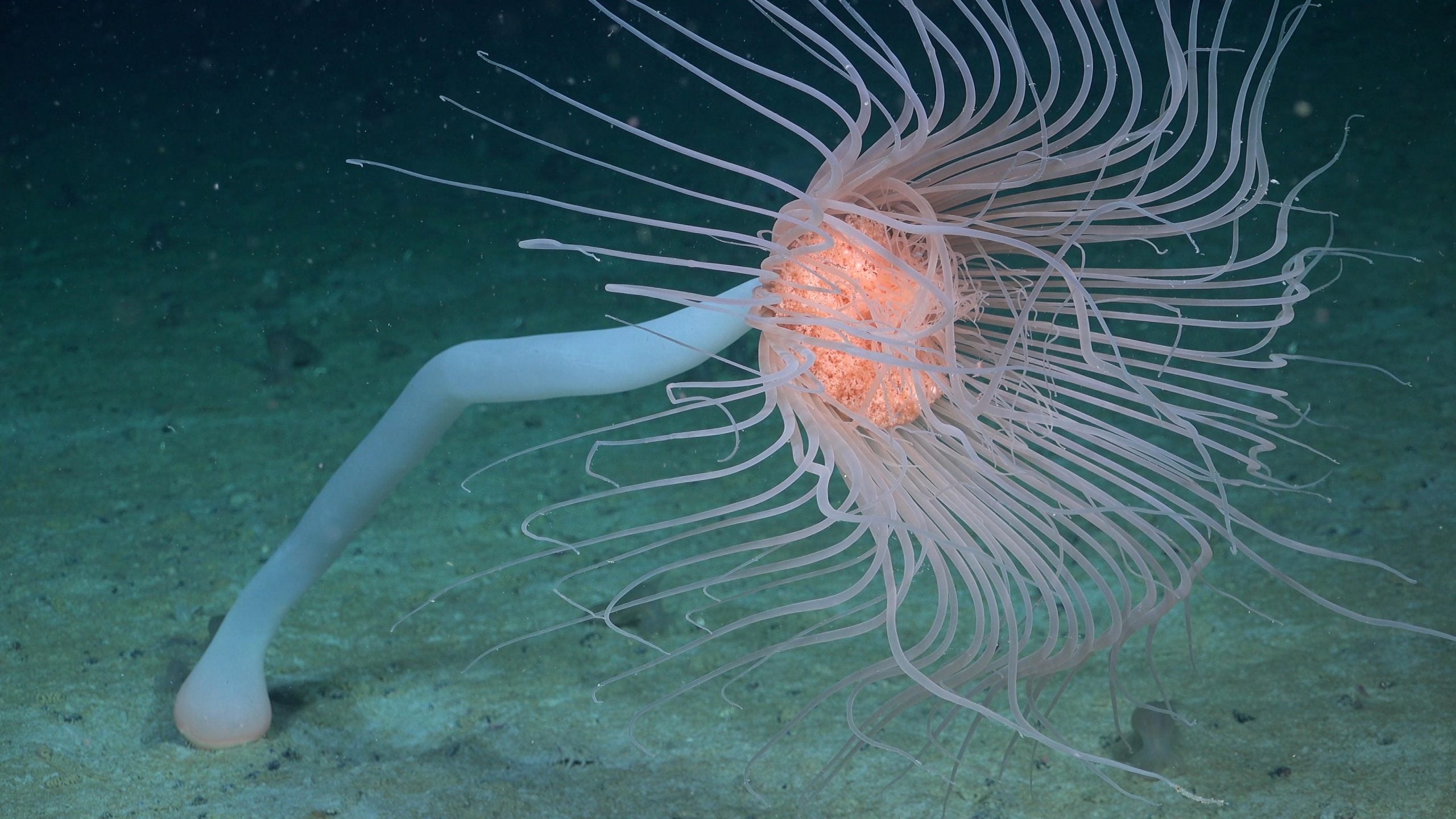
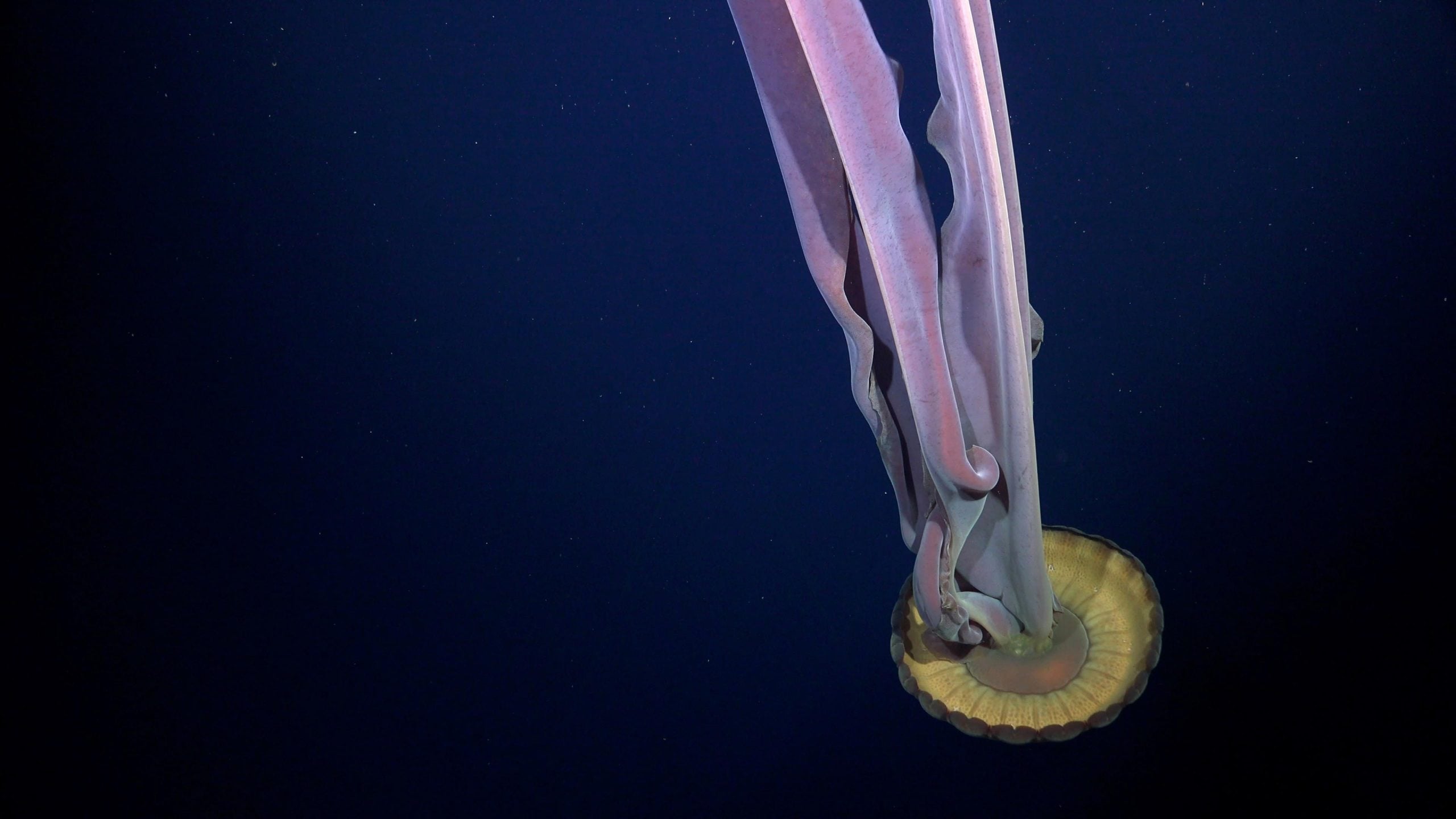
Using a remotely operated vehicle, ROV SuBastian, the team observed the deep seafloor for 8 days and discovered flourishing ecosystems of large corals and sponges supporting an array of animal life, including icefish, giant sea spiders, and octopus. The discovery offers new insights into ecosystem functioning beneath floating sections of the Antarctic ice sheet. Credit: Alex Ingle / Schmidt Ocean Institute
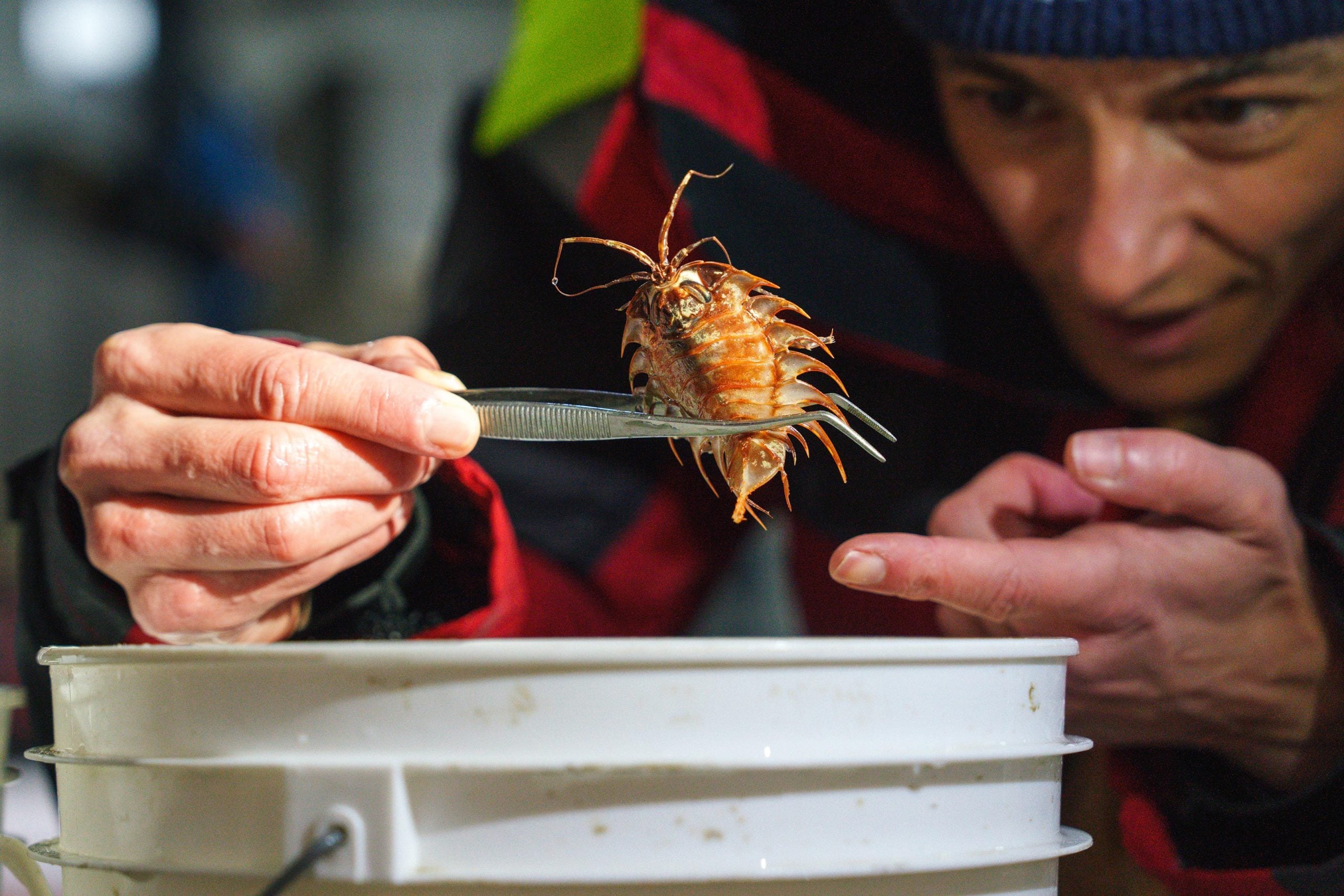
To explore the area, the team used Schmidt Ocean Institute’s remotely operated vehicle, ROV SuBastian, for eight straight days. What they discovered was astonishing: vibrant coral and sponge communities teeming with life, from icefish and octopuses to enormous sea spiders. Some of these creatures had never been seen in this region before. The findings offer rare insight into how ecosystems survive and flourish beneath thick Antarctic ice, cut off from sunlight and isolated from the surface for hundreds of years.
Pioneering ROV Exploration Under Antarctic Ice Shelves
Little is known about what dwells beneath Antarctica’s floating ice shelves. In 2021, British Antarctic Survey researchers first reported signs of bottom-dwelling life beneath the Filchner-Ronne ice shelf in the Southern Weddell Sea. The expedition on Falkor (too) was the first to use an ROV to explore sweeping landscapes containing abundant life in this remote environment.
The team was surprised by the significant biomass and biodiversity of the ecosystems and suspected they had discovered several new species.
How Isolated Ecosystems May Be Sustained
Deep-sea ecosystems typically rely on nutrients from the surface, slowly raining down to the seafloor. However, these Antarctic ecosystems have been covered by 150-meter-thick (almost 500 feet) ice for centuries, completely cut off from surface nutrients. Ocean currents also move nutrients, and the team hypothesizes that currents are a possible mechanism for sustaining life beneath the ice sheet. The precise mechanism fueling these ecosystems is not yet understood.
Clues to Antarctic Ice Sheet History and Climate Change
The newly exposed Antarctic seafloor also allowed the international team, with scientists from Portugal, the United Kingdom, Chile, Germany, Norway, New Zealand, and the United States, to gather critical data on the past behavior of the larger Antarctic ice sheet. The ice sheet has been shrinking and losing mass over the last few decades due to climate change.
“The ice loss from the Antarctic Ice Sheet is a major contributor to sea level rise worldwide,” said expedition co-chief scientist Sasha Montelli of University College London (UCL), United Kingdom, also a 2019 Schmidt Science Fellow. “Our work is critical for providing longer-term context of these recent changes, improving our ability to make projections of future change — projections that can inform actionable policies. We will undoubtedly make new discoveries as we continue to analyze this vital data.”
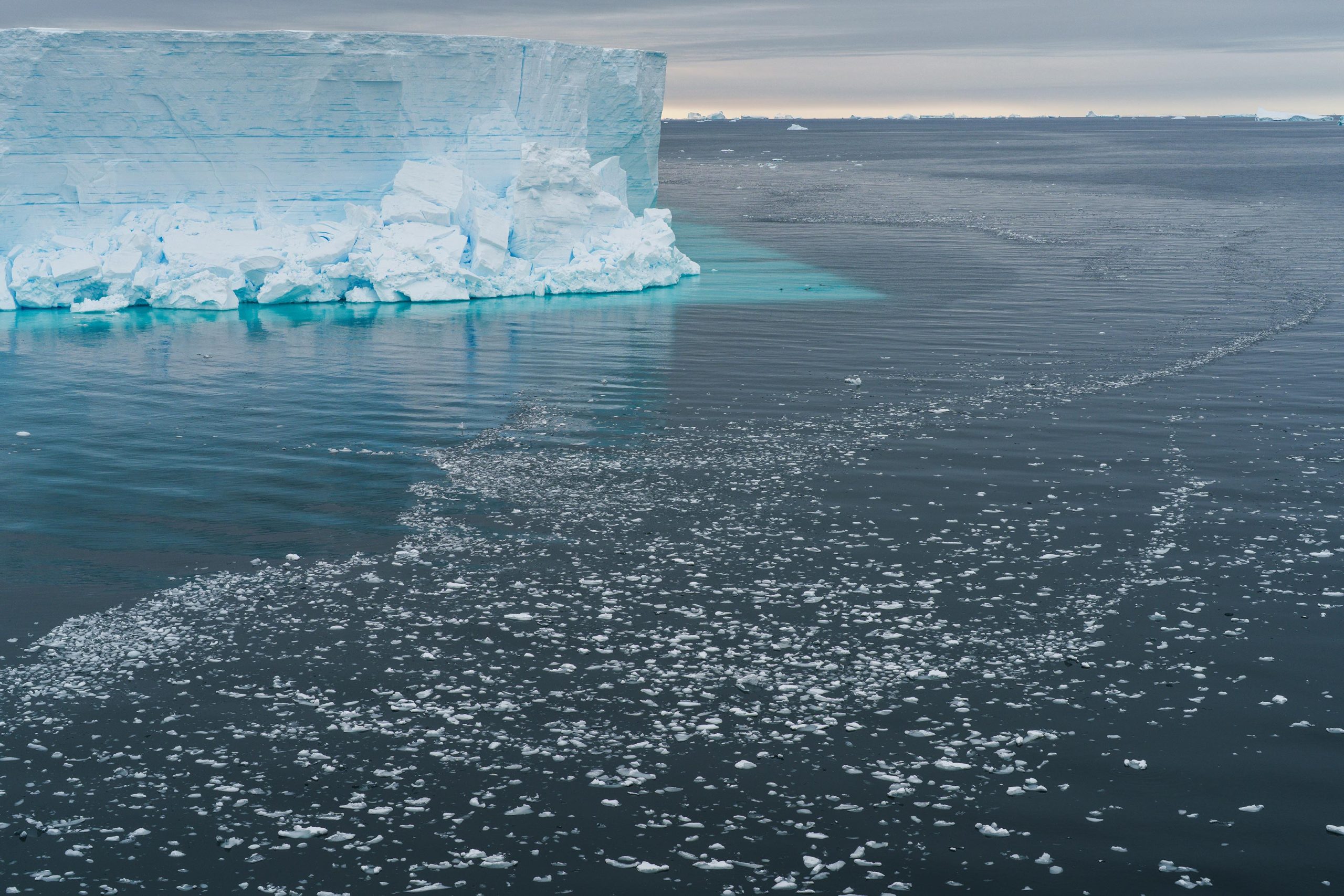
Deep in the Bellingshausen Sea is the location of a very recent iceberg calving event. Exploring and documenting this area and event, researchers hope that data from here will yield information about Antarctica that has never been accessible before now. Credit: Alex Ingle / Schmidt Ocean Institute
In addition to collecting biological and geological samples, the science team deployed autonomous underwater vehicles called gliders to study the impacts of glacial meltwater on the physical and chemical properties of the region. Preliminary data suggest high biological productivity and a strong meltwater flow from the George IV ice shelf.
A Rare Moment in Antarctic Field Research
The expedition was part of Challenger 150, a global cooperative focused on deep-sea biological research and endorsed by the Intergovernmental Oceanographic Commission of UNESCO (IOC/UNESCO) as an Ocean Decade Action.
“The science team was originally in this remote region to study the seafloor and ecosystem at the interface between ice and sea,” said Schmidt Ocean Institute Executive Director, Dr. Jyotika Virmani. “Being right there when this iceberg calved from the ice shelf presented a rare scientific opportunity. Serendipitous moments are part of the excitement of research at sea – they offer the chance to be the first to witness the untouched beauty of our world.”
Never miss a breakthrough: Join the SciTechDaily newsletter.
Follow us on Google and Google News.
2 Comments
It’s not widely known that in 1987 man-made CFCs were detected in the abyssal waters of the Antarctic Weddell Sea. These CFCs have been downwelling in the Pacific passing under the ice sheets and then upwelling into the southern Atlantic oceans. Taking with them oxygen and nutrients \that can feed these animals. This explains the conundrum.
It’s not widely known that in 1987 man-made CFCs were detected in the deep abyssal waters of the Antarctic Weddell Sea. These CFCs have been downwelling, passing under the ice sheet and then upwelling into the southern Atlantic oceans. Taking with them oxygen and nutrients \that can feed these animals. This should help the scientists explain their conundrum