
Close Menu
    Facebook X (Twitter) Instagram
    SciTechDaily
    • Biology
    • Chemistry
    • Earth
    • Health
    • Physics
    • Science
    • Space
    • Technology
    Facebook X (Twitter) Pinterest YouTube RSS
    SciTechDaily
    Home»Biology»Scientists Solve 140-Year-Old Giant Antarctic Sea Spider Reproductive Mystery
    Biology

    Scientists Solve 140-Year-Old Giant Antarctic Sea Spider Reproductive Mystery

    By University of Hawaii at ManoaMay 22, 2024No Comments4 Mins Read
    Facebook Twitter Pinterest Telegram LinkedIn WhatsApp Email Reddit
    Share
    Facebook Twitter LinkedIn Pinterest Telegram Email Reddit
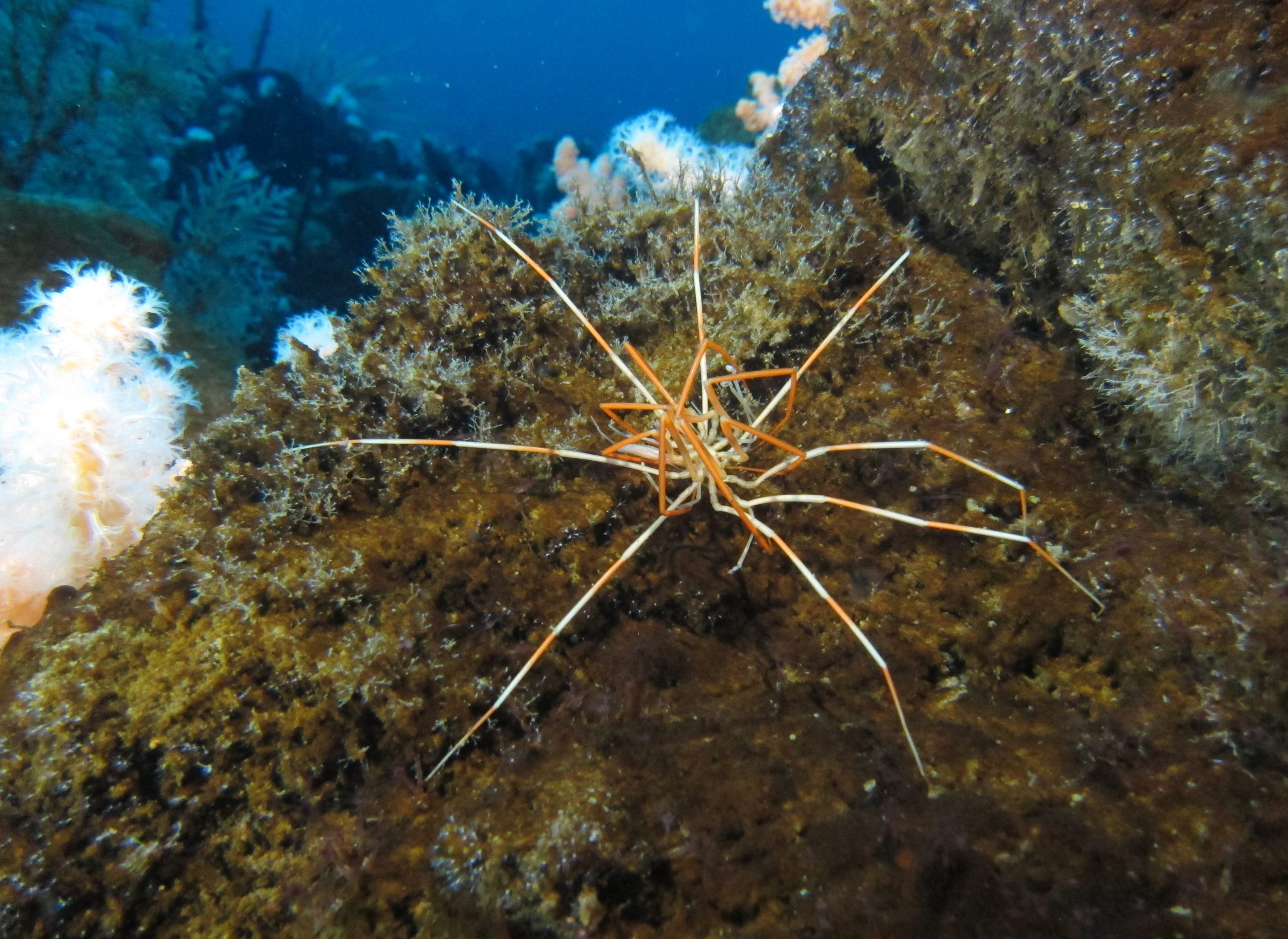
    Giant Antarctic Sea Spider
    Researchers from the University of Hawaiʻi at Mānoa have made a significant discovery regarding the reproductive behaviors of giant sea spiders in Antarctica, revealing insights into their development and shedding light on the broader marine ecosystem. The study, which involved observing mating behaviors and egg development under ice, marks a breakthrough in understanding these creatures, known for their “polar gigantism,” and has implications for marine biology globally. Credit: R. Robbins

    University of Hawaiʻi scientists discovered key reproductive behaviors of giant Antarctic sea spiders, providing new insights into their development and the broader marine ecosystem. This groundbreaking research contributes to understanding marine life in one of the world’s least studied regions.

    The reproduction of giant sea spiders in Antarctica has been largely unknown to researchers for more than 140 years, until now. University of Hawaiʻi at Mānoa scientists traveled to the remote continent and saw first-hand the behaviors of these mysterious creatures, and their findings could have wider implications for marine life and ocean ecosystems in Antarctica and around the world.

    Sea spiders, or pycnogonids, are a group of spider-like invertebrates found in marine habitats globally. Most species are smaller than a fingernail, but some Antarctic species have leg spans (tip of one leg to the tip of the opposite leg) of more than a foot. These animals are a famous example of “polar gigantism,” a phenomenon where certain organisms in polar regions, such as the Arctic and Antarctic, grow to much larger sizes than their relatives in warmer climates.


    Credit: UH Mānoa

    “In most sea spiders, the male parent takes care of the babies by carrying them around while they develop,” UH Mānoa School of Life Sciences Professor and lead researcher Amy Moran said. “What’s weird is that despite descriptions and research going back over 140 years, no one had ever seen the giant Antarctic sea spiders brooding their young or knew anything about their development.”

    Moran’s lab has studied polar gigantism for more than a decade. In October 2021, during a field research expedition to Antarctica, the team, including Moran and School of Life Sciences PhD students Aaron Toh and Graham Lobert, made a groundbreaking discovery. Diving under the ice, they hand-collected groups of giant sea spiders that appeared to be mating and transported them to tanks for observation.
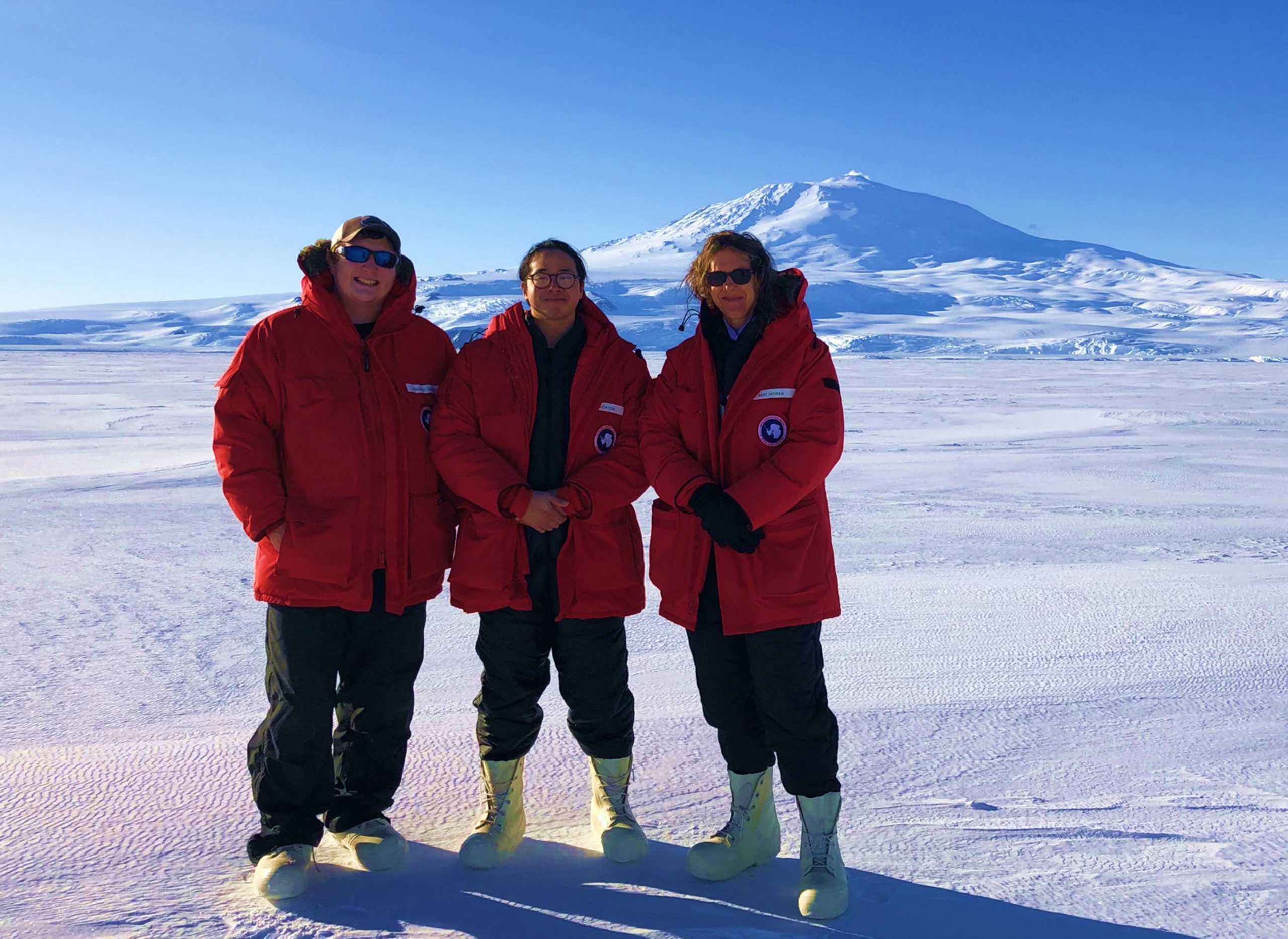
    Graham Lobert, Aaron Toh and Amy Moran
    From left, Graham Lobert, Aaron Toh and Amy Moran. Credit: UH Mānoa

    To their amazement, two different mating groups produced thousands of tiny eggs. Instead of carrying the babies until they hatched, as in most species of sea spiders, one parent (likely the father) spent two days attaching the eggs to the rocky bottom where they developed for several months before hatching as tiny larvae. The researchers’ findings were published in Ecology in February 2024.

    “We were so lucky to be able to see this,” Toh said. “The opportunity to work directly with these amazing animals in Antarctica meant we could learn things no one had ever even guessed.”

    Within weeks after laying, the eggs had been overgrown with microscopic algae, providing perfect camouflage.

    “We could hardly see the eggs even when we knew they were there, which is probably why researchers had never seen this before,” Lobert said.
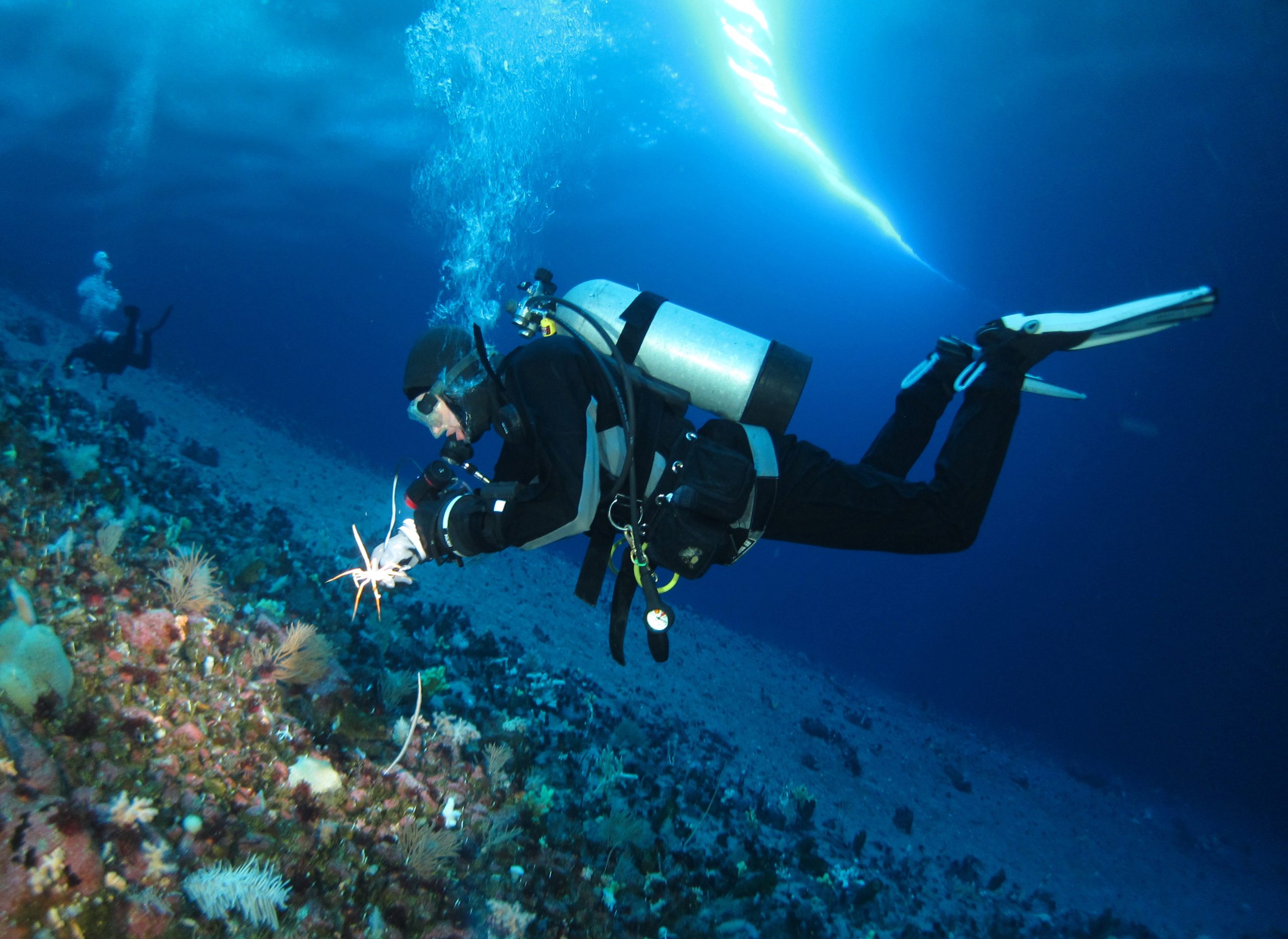
    Amy Moran Research Dive
    Moran on a research dive, picking up a large sea spider. Credit: R. Robbins

    Breakthrough research

    Lloyd Peck, a renowned Antarctic biologist with the British Antarctic Survey who was not involved with the study said, “The general ecology and reproductive biology of Antarctic marine species remains overwhelmingly unknown and we have data on only a handful of species, so papers like this one are of huge importance in shedding light on how animals function in one of the least studied parts of the world’s ocean.”

    Reference: “Spawning and larval development of Colossendeis megalonyx, a giant Antarctic sea spider” by Amy L. Moran, Graham T. Lobert and Ming Wei Aaron Toh, 11 February 2024, Ecology.
    DOI: 10.1002/ecy.4258

    Never miss a breakthrough: Join the SciTechDaily newsletter.
    Follow us on Google and Google News.

    Antarctica Ecology Marine Biology Popular University of Hawaii at Manoa
    Share. Facebook Twitter Pinterest LinkedIn Email Reddit

    Related Articles

    Underwater Robot “Lassie” Finds Thousands of Icefish Nests Beneath Antarctic Ice

    Massive Iceberg Calves in Antarctica, Revealing a Hidden Seafloor Bursting With Life

    The Great Barrier Reef Has Lost Half Its Corals – Massive Declines in Just 3 Decades

    Researchers Shocked to Find Antarctic Penguins Much Happier With Less Sea Ice

    “The Thing” – Analysis of Mysterious Giant Egg, the First Ever Found in Antarctica

    Scientists Surprised by Growth Rates in World’s Deepest Photosynthetic Corals

    Mysterious Success of Invading Invertebrates Surviving Severe Conditions Explained by Cannibalism

    Invasive Species King Crabs Could Wipe Out Antarctic Ecosystems

    European Catfish Learn to Catch Pigeons

    Leave A Reply Cancel Reply

    • Facebook
    • Twitter
    • Pinterest
    • YouTube

    Don't Miss a Discovery

    Subscribe for the Latest in Science & Tech!

    Trending News

    Breakthrough Bowel Cancer Trial Leaves Patients Cancer-Free for Nearly 3 Years

    Natural Compound Shows Powerful Potential Against Rheumatoid Arthritis

    100,000-Year-Old Neanderthal Fossils in Poland Reveal Unexpected Genetic Connections

    Simple “Gut Reset” May Prevent Weight Gain After Ozempic or Wegovy

    2.8 Days to Disaster: Scientists Warn Low Earth Orbit Could Suddenly Collapse

    Common Food Compound Shows Surprising Power Against Superbugs

    5 Simple Ways To Remember More and Forget Less

    The Atomic Gap That Could Cost the Semiconductor Industry Billions

    Follow SciTechDaily
    • Facebook
    • Twitter
    • YouTube
    • Pinterest
    • Newsletter
    • RSS
    SciTech News
    • Biology News
    • Chemistry News
    • Earth News
    • Health News
    • Physics News
    • Science News
    • Space News
    • Technology News
    Recent Posts
    • ADHD Isn’t Just a Deficit: Study Reveals Powerful Hidden Strengths
    • Scientists Uncover “Astonishing” Hidden Property of Light
    • Scientists Discover Stem Cells That Could Regrow Teeth and Bone
    • Scientists Discover Natural Molecule That Stops Alzheimer’s Protein Clumps From Forming
    • Early Cannabis Use May Stall Key Brain Skills in Teens
    Copyright © 1998 - 2026 SciTechDaily. All Rights Reserved.
    • Science News
    • About
    • Contact
    • Editorial Board
    • Privacy Policy
    • Terms of Use

    Type above and press Enter to search. Press Esc to cancel.