

Four astronauts from NASA, JAXA, and Roscosmos are teaming up for an ambitious mission aboard the International Space Station.
Launching no earlier than July 2025, the Crew-11 expedition will support long-duration science experiments and tech demos aimed at advancing deep space exploration and benefiting life on Earth. With a mix of seasoned space travelers and a first-time flyer, the mission exemplifies global cooperation and cutting-edge space research.
Crew-11 Mission Set for Launch
Four astronauts from three space agencies are set to launch to the International Space Station (ISS) as part of NASA’s upcoming SpaceX Crew-11 mission. The long-duration science expedition is scheduled to begin no earlier than July 2025.
The crew includes NASA astronauts Zena Cardman (Commander) and Mike Fincke (Pilot), JAXA (Japan Aerospace Exploration Agency) astronaut Kimiya Yui (Mission Specialist), and Roscosmos cosmonaut Oleg Platonov (Mission Specialist). Once aboard the ISS, they will join existing crew members for an extended stay focused on research and exploration.
This mission marks the 11th crew rotation flight to the station under NASA’s Commercial Crew Program. The astronauts will carry out scientific experiments and test new technologies designed to support future human missions to the Moon and, eventually, Mars, while also advancing knowledge that benefits life on Earth.

Crew Assignments and Expertise
Cardman was originally assigned to NASA’s SpaceX Crew-9 mission, and Fincke to the Boeing Starliner-1 mission. NASA reassigned both astronauts to Crew-11 to align with upcoming plans aboard the ISS. Cardman brings expertise from her training as a Dragon spacecraft commander, while Fincke contributes extensive experience from previous long-duration spaceflights.
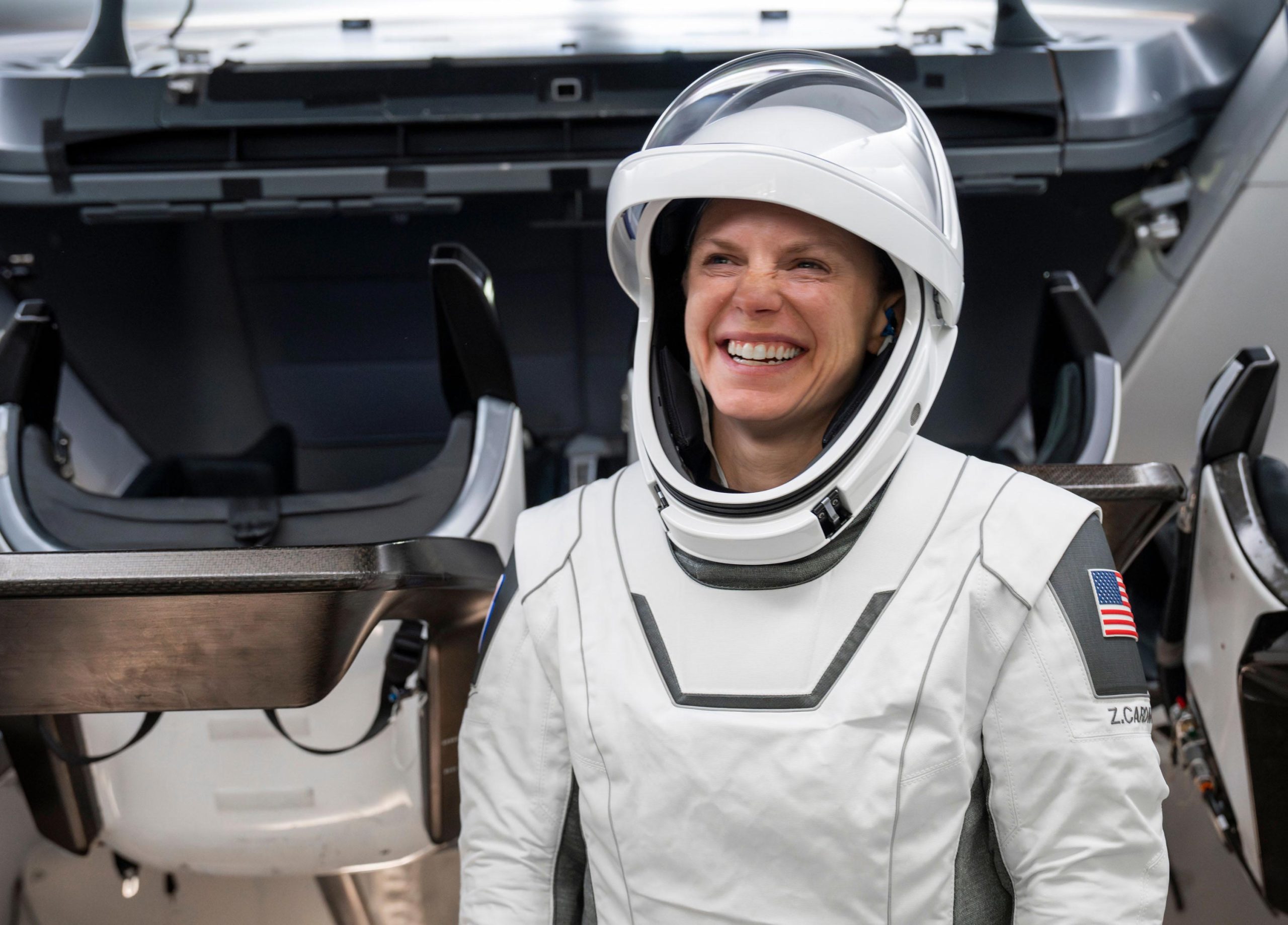
Zena Cardman’s Scientific Background
Selected as a NASA astronaut in 2017, Cardman will conduct her first spaceflight. The Williamsburg, Virginia, native holds a bachelor’s degree in Biology and a master’s in Marine Sciences from the University of North Carolina at Chapel Hill. At the time of selection, she had begun pursuing a doctorate in Geosciences. Cardman’s research in geobiology and geochemical cycling focused on subsurface environments, from caves to deep sea sediments. Since completing initial training, Cardman has supported real-time station operations and lunar surface exploration planning.
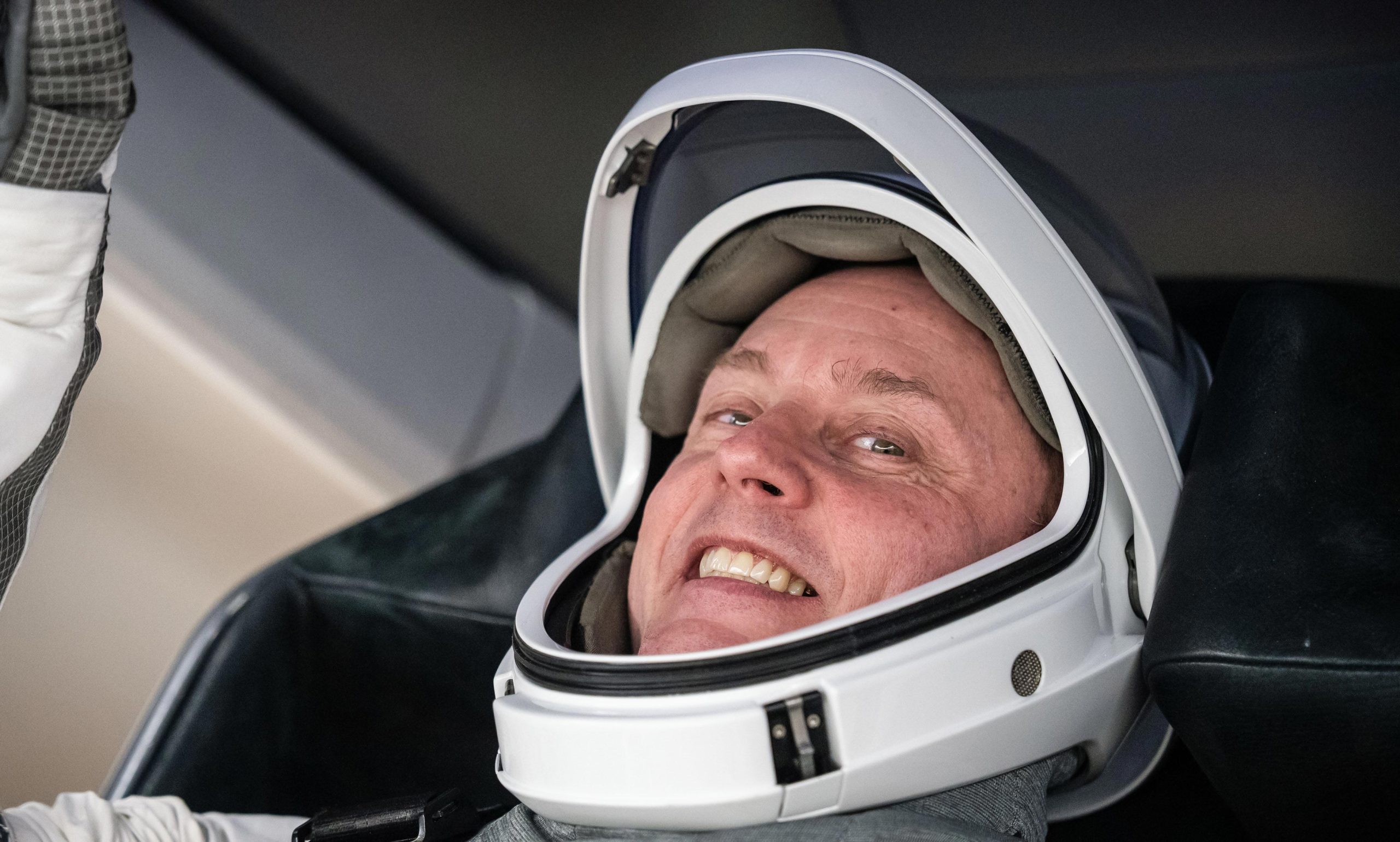
Mike Fincke’s Extensive Space Experience
This will be Fincke’s fourth trip to the space station, having logged 382 days in space and nine spacewalks during Expedition 9 in 2004, Expedition 18 in 2008, and STS-134 in 2011, the final flight of space shuttle Endeavour. Throughout the past decade, Fincke has applied his expertise to NASA’s Commercial Crew Program, advancing the development and testing of the SpaceX Dragon and Boeing Starliner toward operational certification. The Emsworth, Pennsylvania, native is a distinguished graduate of the United States Air Force Test Pilot School and holds bachelors’ degrees from the Massachusetts Institute of Technology, Cambridge, in both Aeronautics and Astronautics, as well as Earth, Atmospheric and Planetary Sciences. He also has a master’s degree in Aeronautics and Astronautics from Stanford University in California. Fincke is a retired U.S. Air Force colonel with more than 2,000 flight hours in more than 30 different aircraft.
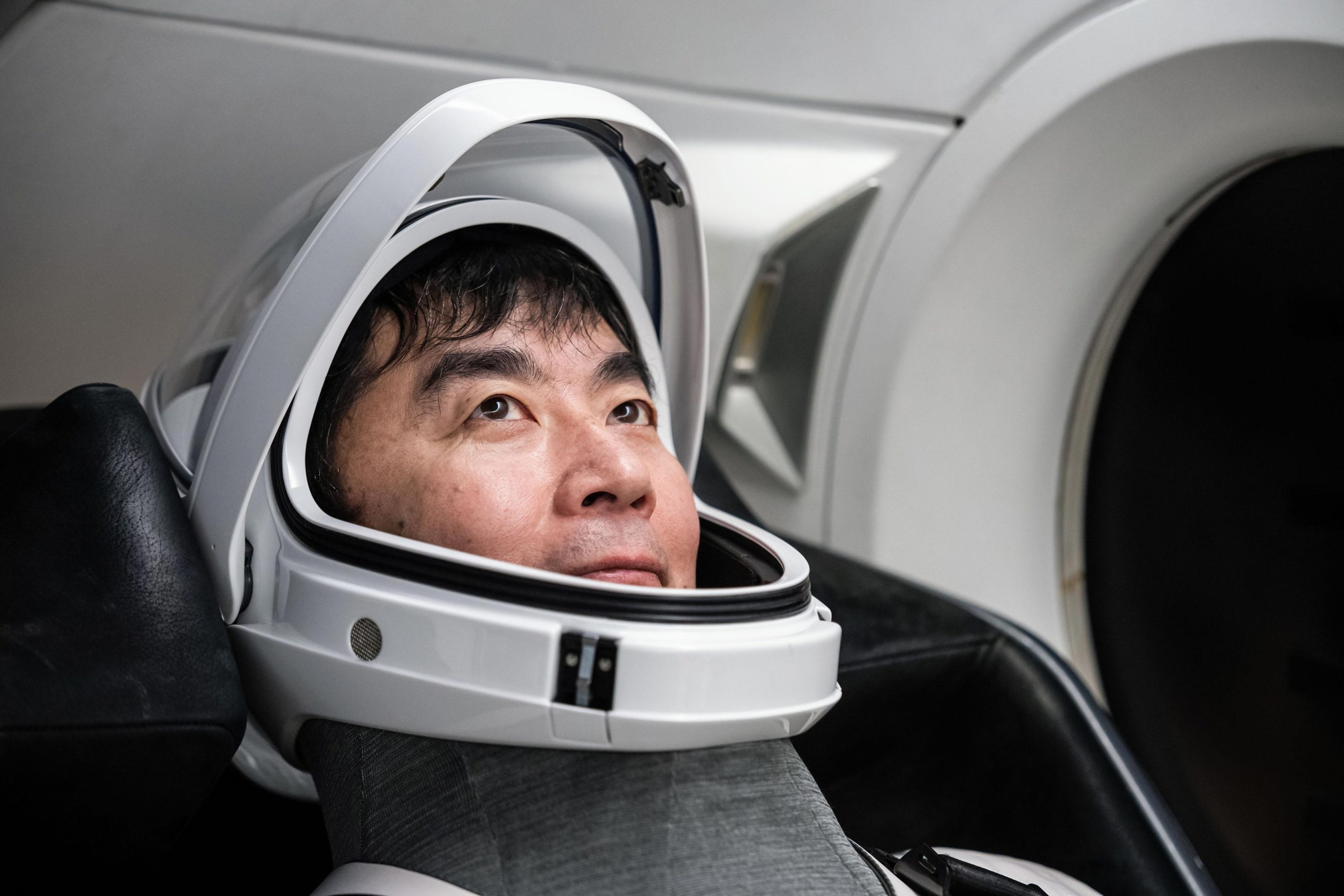
Kimiya Yui’s Return to Orbit
With 142 days in space, this will be Yui’s second trip to the space station. After his selection as a JAXA astronaut in 2009, Yui flew as a flight engineer for Expedition 44/45 and became the first Japanese astronaut to capture JAXA’s H-II Transfer Vehicle. In addition to constructing a new experimental environment aboard Kibo, he conducted a total of 21 experiments for JAXA. In November 2016, Yui was assigned as chief of the JAXA Astronaut Group. He graduated from the School of Science and Engineering at the National Defense Academy of Japan in 1992. He later joined the Air Self-Defense Force at the Japan Defense Agency (currently Ministry of Defense). In 2008, Yui joined the Air Staff Office at the Ministry of Defense as a lieutenant colonel.
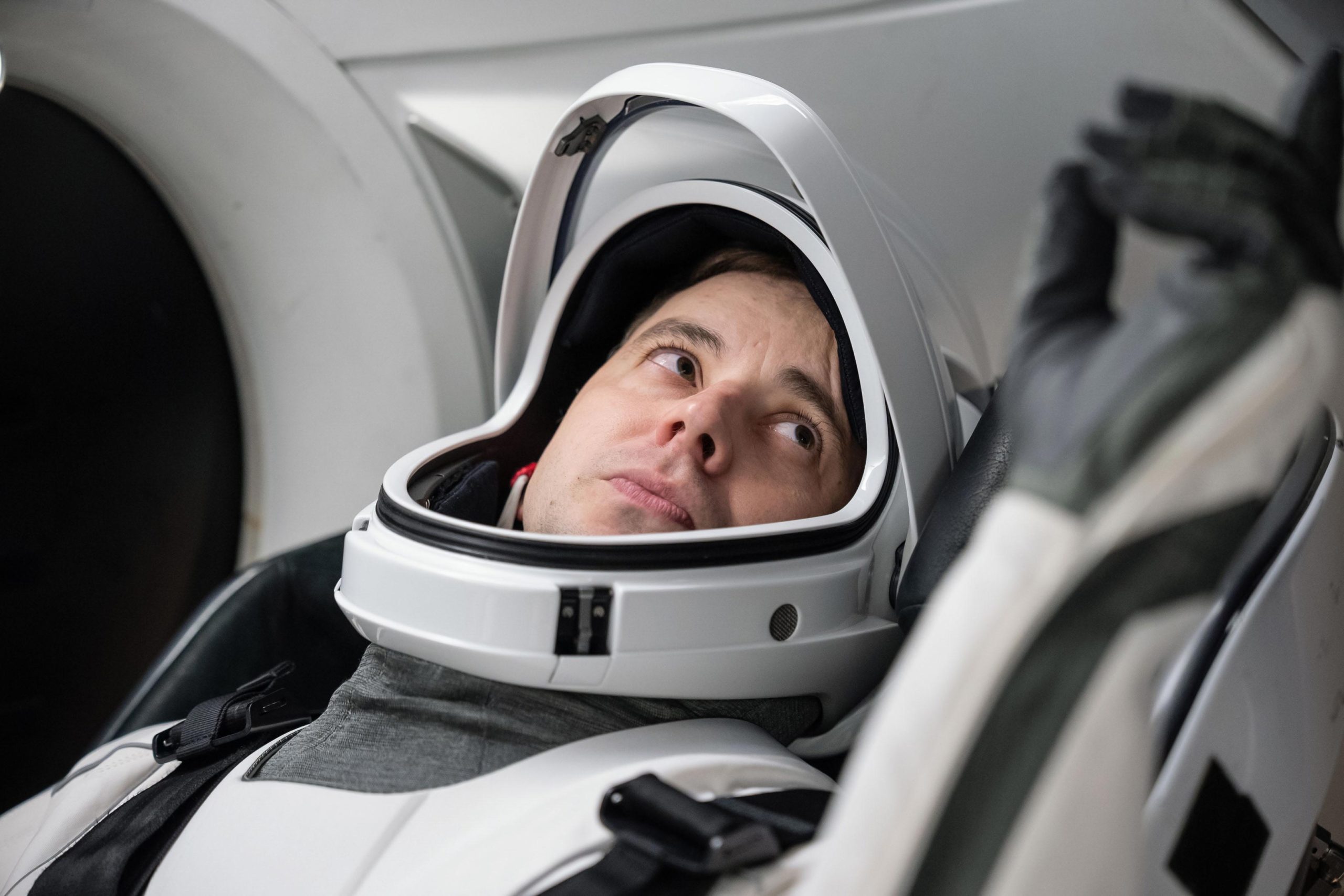
Oleg Platonov’s First Flight
The Crew-11 mission will be Platonov’s first spaceflight. Before his selection as a cosmonaut in 2018, Platonov earned a degree in Engineering from Krasnodar Air Force Academy in Aircraft Operations and Air Traffic Management. He also earned a bachelor’s degree in State and Municipal Management in 2016 from the Far Eastern Federal University in Vladivostok, Russia. Assigned as a test cosmonaut in 2021, he has experience in piloting aircraft, zero gravity training, scuba diving, and wilderness survival.
ISS: A Hub for Innovation and Exploration
For more than two decades, people have lived and worked continuously aboard the International Space Station, advancing scientific knowledge and demonstrating new technologies, making research breakthroughs not possible on Earth. The station is a critical testbed for NASA to understand and overcome the challenges of long-duration spaceflight and to expand commercial opportunities in low Earth orbit. As commercial companies focus on providing human space transportation services and destinations as part of a robust low Earth orbit economy, NASA’s Artemis campaign is underway at the Moon, where the agency is preparing for future human exploration of Mars.
Never miss a breakthrough: Join the SciTechDaily newsletter.
Follow us on Google and Google News.