
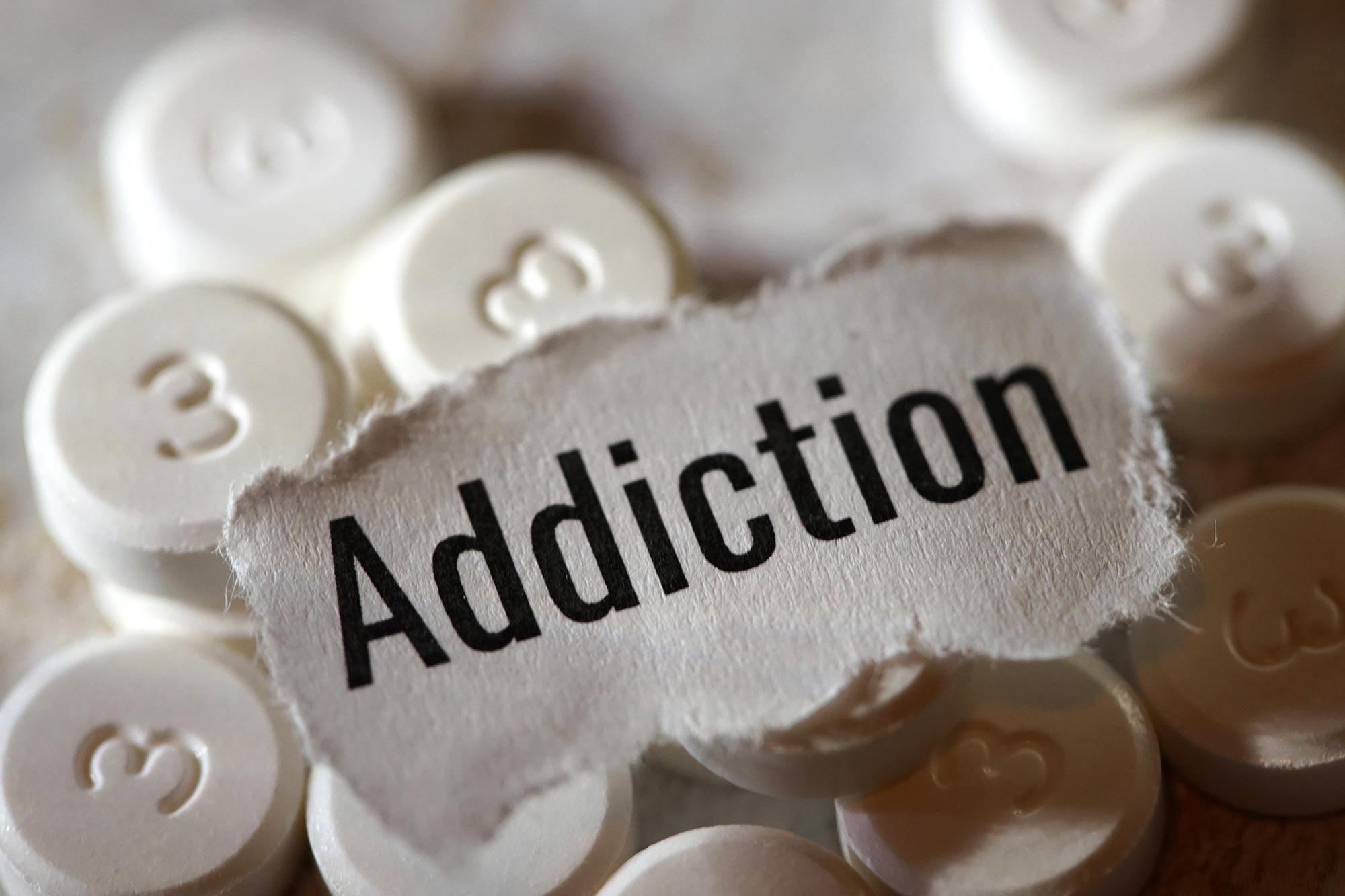
During the height of the fentanyl crisis, doctors experimented with a novel microdosing technique to help patients transition to buprenorphine, a drug proven to aid opioid recovery.
However, a significant study by UC San Francisco revealed that this approach had a lower than expected success rate, prompting calls for more effective treatment strategies.
Doctors Seek Solutions Amid the Fentanyl Crisis
During the COVID-19 pandemic, as fentanyl overdoses surged, doctors urgently sought new ways to help their patients.
Buprenorphine is known to help people stop using opioids, but starting the treatment was more challenging for fentanyl users. Unlike other opioids, fentanyl stays in the body longer, and taking buprenorphine too soon can trigger sudden, severe withdrawal symptoms.
To address this, doctors introduced a microdosing method — gradually giving patients small doses of buprenorphine over several days. This approach aimed to slowly build up the medication in their system, allowing their bodies to adjust to the treatment without triggering withdrawal.
Evaluating the Microdosing Method
However, a recent study by doctors at UC San Francisco tested this low-dose initiation strategy and found that it was not as effective as hoped. Out of 126 participants, only 34% successfully transitioned to a full dose of buprenorphine using this approach.
Leslie W. Suen, MD, MAS, the study’s first author, said she was disappointed by the results but the findings need to be shared.
“This doesn’t seem like it’s working the way we had hoped,” said Suen, an assistant professor at the UCSF Division of General Internal Medicine and an addiction medicine specialist. “But when people expect it to work, and it doesn’t work for them, they feel like there’s something wrong with them.”
The study, the largest evaluation of low-dose buprenorphine initiation, appears in JAMA Network Open today (January 24).
Buprenorphine: A Partial Solution with Barriers
Buprenorphine is the most widely used of the three drugs that are approved to treat opioid use disorder. Other treatments include methadone, which is dispensed through certified treatment clinics, and injectable naltrexone, a longer-acting treatment that is prescribed when a person is no longer physically dependent on opioids.
Although buprenorphine is proven effective, the drug is largely underutilized due to a range of issues, including a dearth of physicians trained to prescribe the medication, insurance issues, and stigma.
Buprenorphine is what’s known as a partial opioid agonist, meaning that it works by only partly binding to the receptor that creates the “high” without offering the level of euphoria of stronger opioids.
The Appeal of Low-Dose Initiation Before Fentanyl
Before the introduction of fentanyl, buprenorphine had higher success rates, but starting it often meant that people had to stop their opioid use and experience some withdrawal before taking it. If people had opioids in their bodies and took buprenorphine, they could experience extreme worsening of their withdrawal from the buprenorphine. Because heroin and other opioids leave the body predictably, starting buprenorphine was easy. People could stop their opioids, wait several hours, and then start buprenorphine.
But fentanyl is stored longer in the fat cells, and it’s harder to predict how long it takes to leave the body. People would stop their opioid use and wait the appropriate amount before starting buprenorphine, but they would still experience precipitated withdrawal from fentanyl. Doctors hoped that slowly introducing the buprenorphine would help reduce the discomfort, and people could stop using fentanyl when they felt ready or once the buprenorphine got to a good dose.
Study Protocols and Participant Outcomes
The participants were treated at two outpatient substance-use disorder clinics in San Francisco between May 2021 and November 2022. They opted either for seven days of taking low doses of buprenorphine before getting up to an optimal dose (dosing two or three times a day), or four days of treatment (dosing four times a day). Taking different doses can be confusing, so the researchers gave them the medication in a bubble pack to help them manage their treatment.
At follow-up visits, 38% of those with the four-day regimen achieved successful buprenorphine initiation and 28% were successful on the seven-day protocol, for an overall success rate of 34%. Overall, 22% stayed on the drug for at least 28 days. Repeated attempts yielded lower rates of success than the first attempt.
A Call for New Approaches
Suen said the findings indicate that more options are needed to support people initiating buprenorphine. She and her fellow researchers are already involved in a follow-up study to determine why this promising approach is proving to be less effective than hoped.
Reference: “Outpatient Low-Dose Initiation of Buprenorphine for People Using Fentanyl” by Leslie W. Suen, Amy Y. Chiang, Benjamin L. H. Jones, Christine S. Soran, Michelle Geier, Hannah R. Snyder, John Neuhaus, Janet J. Myers, Kelly R. Knight, Alexander R. Bazazi and Phillip O. Coffin, 24 January 2025, JAMA Network Open.
DOI: 10.1001/jamanetworkopen.2024.56253
Additional UCSF authors include Amy Y. Chiang, PhD, Hannah R. Snyder, MD, John Neuhaus, PhD, Janet M. Myers, PhD, Kelly R. Knight, PhD, and Alexander R. Bazazi, MD, PhD.
The study was funded by the Agency for Healthcare Research and Quality (grant K12HS026383) and the National Institute on Drug Abuse (grants 1K23DA060329 and 2K24DA042720). See the study for disclosures.
Never miss a breakthrough: Join the SciTechDaily newsletter.
Follow us on Google and Google News.