
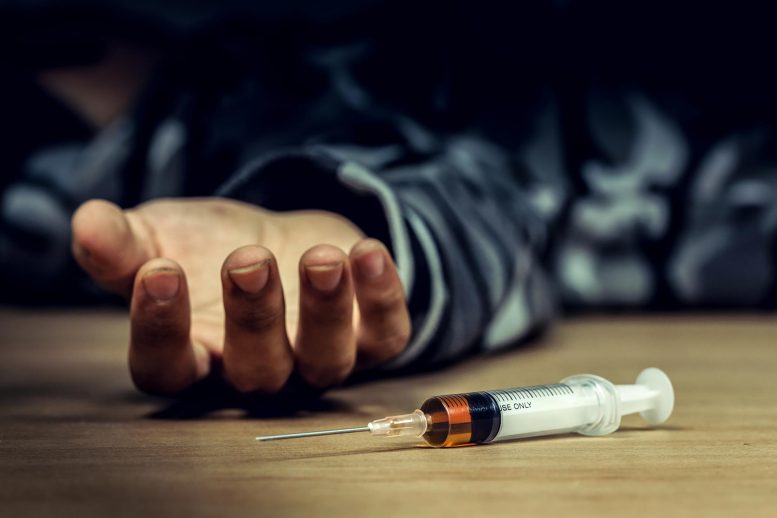
University of Maryland researchers launch the Maryland Emergency Department Drug Surveillance (EDDS) System — call for expanded fentanyl testing by hospitals.
A new University of Maryland study found fentanyl tops the list of drugs detected in overdose patients at two Baltimore hospital emergency departments. The finding suggests that hospitals and medical systems throughout the United States consider adding fentanyl, a potent synthetic opioid linked to most fatal overdoses in Maryland, to their routine drug testing panels. That is the conclusion of researchers at the University of Maryland School of Medicine (UMSOM) and the Center for Substance Abuse Research (CESAR) at the University of Maryland, College Park. Currently, fentanyl is not routinely included in these panels nationwide. The study is based on de-identified urinalysis results and other data collected through the new Maryland Emergency Department Drug Surveillance (EDDS) system, launched to support improved patient outcomes.
UMSOM researchers collaborated with investigators at CESAR to analyze drugs identified in urine samples taken at both University of Maryland Medical Center (UMMC) Midtown and Downtown campuses from January 2016 through December 2019. Fentanyl testing was incorporated for all patients undergoing urine screens as a routine test at these hospitals in January 2019.
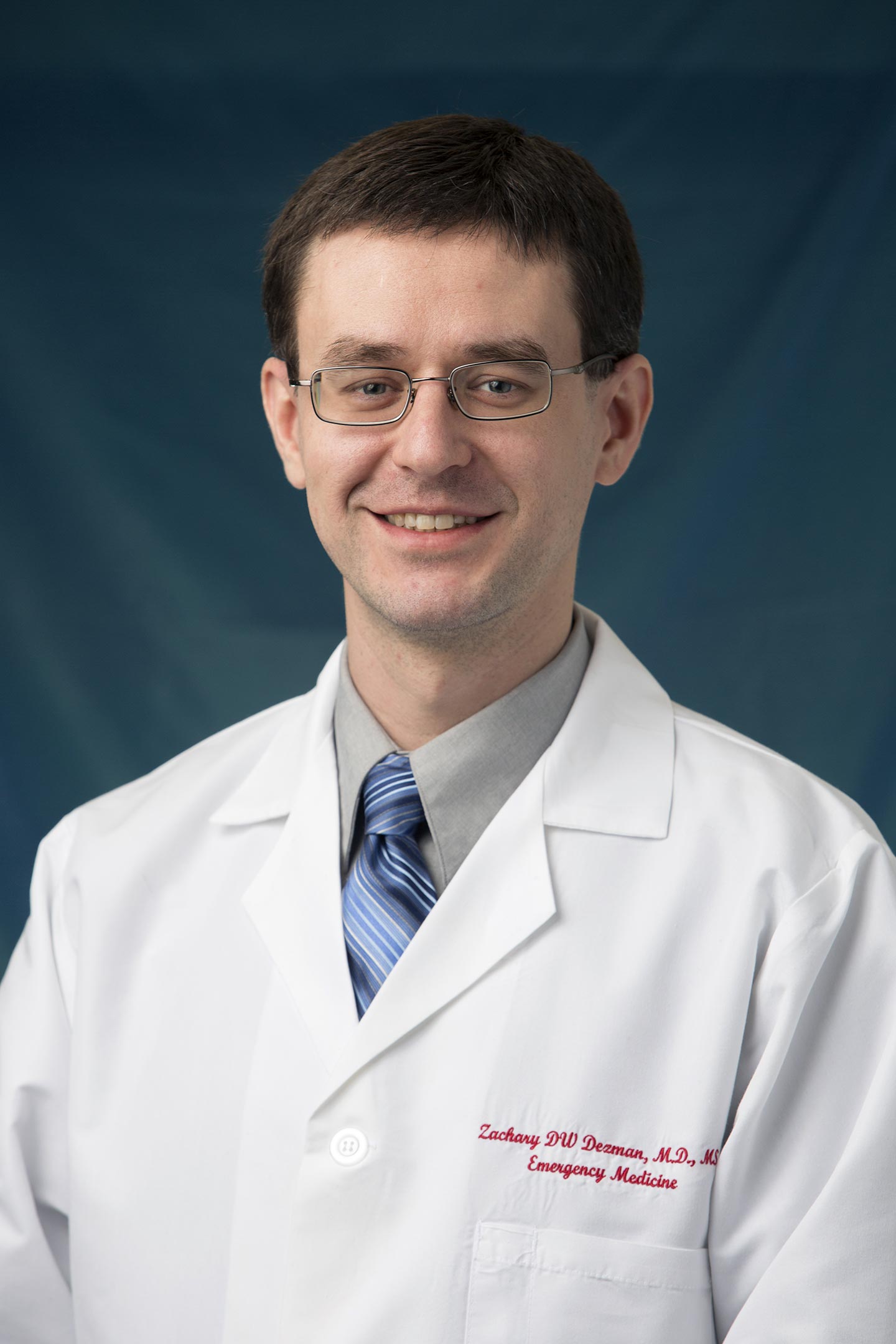
“The overdose cases we see in our emergency departments stem from a wide variety of substances that may not be known and present increasingly complex treatment challenges,” said the study’s lead author Zachary D.W. Dezman, MD, Assistant Professor of Emergency Medicine, UMSOM. “In the case of fentanyl, without knowing its true role in these overdoses, public health officials and policymakers will find it difficult to implement the correct measures to improve patient care and help prevent substance abuse.”
Fentanyl was the most prevalent drug identified in the study. It was detected in 73 to 87 percent of specimens that were tested for the substance in each of the four calendar quarters in 2019 when fentanyl testing was first implemented. Sixty-one percent of the fentanyl positive specimens contained other drugs in addition to fentanyl, while 13 percent contained fentanyl only. The researchers noted that these results are specific to these two Baltimore hospitals and that the rate of fentanyl positives could vary in other hospitals and states.
Results from the study appear in the current issue of the Morbidity and Mortality Weekly Report (MMWR), from the Centers for Disease Control and Prevention. The researchers turned to fentanyl testing after previous EDDS observations at four Baltimore hospitals showed that even in the midst of the opioid epidemic, fewer patients were testing positive for opiates. The opiate screen primarily detects morphine and codeine (most frequently indicating the presence of heroin) but does not detect fentanyl.
“The EDDS system represents an important partnership between University of Maryland researchers and hospitals,” said Eric D. Wish, PhD, Director of CESAR and Director of the Maryland EDDS. “It can enable faster, more accurate identification of changing trends in substance use and, ultimately, aims to improve patient care.”
Nationwide, hospital laboratory testing is routine for a number of substances including opiates, cocaine, and methadone, but not fentanyl, according to Dr. Dezman. “Fentanyl was rarely a cause of overdoses, so routine fentanyl testing was not typically performed. However, through our regular fentanyl testing and EDDS collaboration, we have addressed a gap in our patient care, allowing us to better inform our patients of the risks associated with continued use, assist with buprenorphine induction in the emergency department, and help us connect patients to substance use treatment programs,” he said.
Dr. Dezman, together with CESAR, had previously conducted a small pilot study at UMMC Midtown Campus to test for fentanyl in a subset of 76 drug overdose specimens. The findings suggested that the opiate screen was, in fact, missing many of the patients who had tested positive for fentanyl. As a result, Dr. Dezman encouraged both UMMC Downtown and UMMC Midtown hospitals to initiate routine fentanyl screening for all ED patients who undergo urine testing, including psychiatric evaluations, emergency petitions, and labor and delivery patients. The MMWR article presents the first findings for fentanyl from the EDDS system for the four quarters of 2019.
“This study finding makes an important case for including fentanyl in routine drug overdose testing,” said UMSOM Dean E. Albert Reece, MD, PhD, MBA, University Executive Vice President for Medical Affairs and the John Z. and Akiko K. Bowers Distinguished Professor. “It highlights the important role and function of the newly created Maryland EDDS system, which helps to better guide patient treatment and more effective overdose prevention programs.”
Reference: “Notes from the Field: High Prevalence of Fentanyl Detected by the Maryland Emergency Department Drug Surveillance System — Baltimore, Maryland, 2019” by Zachary Dezman, MD; Bradford Schwartz, MD; Amy Billing, MSSA; Ebonie Massey, MA; E. Erin Artigiani, MA; Julie Factor and Eric D. Wish, PhD, 12 June 2020, Morbidity and Mortality Weekly Report (MMWR).
DOI: 10.15585/mmwr.mm6923a3
Never miss a breakthrough: Join the SciTechDaily newsletter.
Follow us on Google and Google News.