
Close Menu
    Facebook X (Twitter) Instagram
    SciTechDaily
    • Biology
    • Chemistry
    • Earth
    • Health
    • Physics
    • Science
    • Space
    • Technology
    Facebook X (Twitter) Pinterest YouTube RSS
    SciTechDaily
    Home»Space»Moon Bricks Will Pave the Way for Human Space Exploration
    Space

    Moon Bricks Will Pave the Way for Human Space Exploration

    By Philippe Willekens, European Space AgencyAugust 20, 2018No Comments4 Mins Read
    Facebook Twitter Pinterest Telegram LinkedIn WhatsApp Email Reddit
    Share
    Facebook Twitter LinkedIn Pinterest Telegram Email Reddit
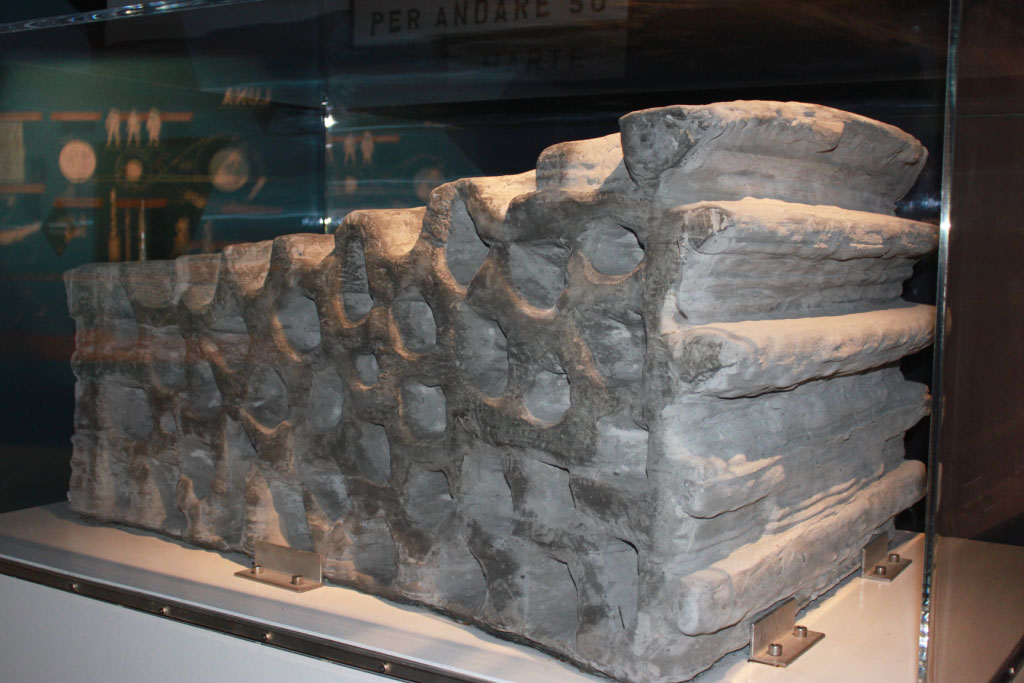
    Moon Bricks
    This 1.5 tonne building block was produced as a demonstration of 3D printing techniques using lunar soil. The design is based on a hollow closed-cell structure – reminiscent of bird bones – to give a good combination of strength and weight. Credit: ESA

    Lunar masonry starts on Earth. European researchers are working with Moon dust simulants that could one day allow astronauts to build habitats on our natural satellite and pave the way for human space exploration.

    The surface of the Moon is covered in grey, fine, rough dust. This powdery soil is everywhere – an indigenous source that could become the ideal material for brickwork. You can crush it, burn it and compress it.

    “Moon bricks will be made of dust,” says Aidan Cowley, ESA’s science advisor with a wealth of experience in dealing with lunar soil. “You can create solid blocks out of it to build roads and launch pads, or habitats that protect your astronauts from the harsh lunar environment.”

    European teams see Moon dust as the starting point to building up a permanent lunar outpost and breaking explorers’ reliance on Earth supplies.


    In a breakthrough project from Spaceship EAC, Sarah Eriksson’s study into recreating Moon dust is enhancing our understanding of how materials from the lunar surface could be transformed into building blocks for the next extra-terrestrial base. This project is one of several student-led projects as part of ESA’s Spaceship EAC initiative. Established in 2012, Spaceship EAC investigates technologies and concepts in support of ESA’s exploration strategy.

    Lunar dust ‘made in Europe’

    Lunar soil is a basaltic material made up of silicates, a common feature in planetary bodies with volcanism.

    “The Moon and Earth share a common geological history, and it is not difficult to find material similar to that found on the Moon in the remnants of lava flows,” explains Aidan.

    Around 45 million years ago, eruptions took place in a region around Cologne, in Germany. Researchers from the nearby European Astronaut Center (EAC) found that the volcanic powder in the area is a good match with what lunar dust is made of. And there is plenty of it.
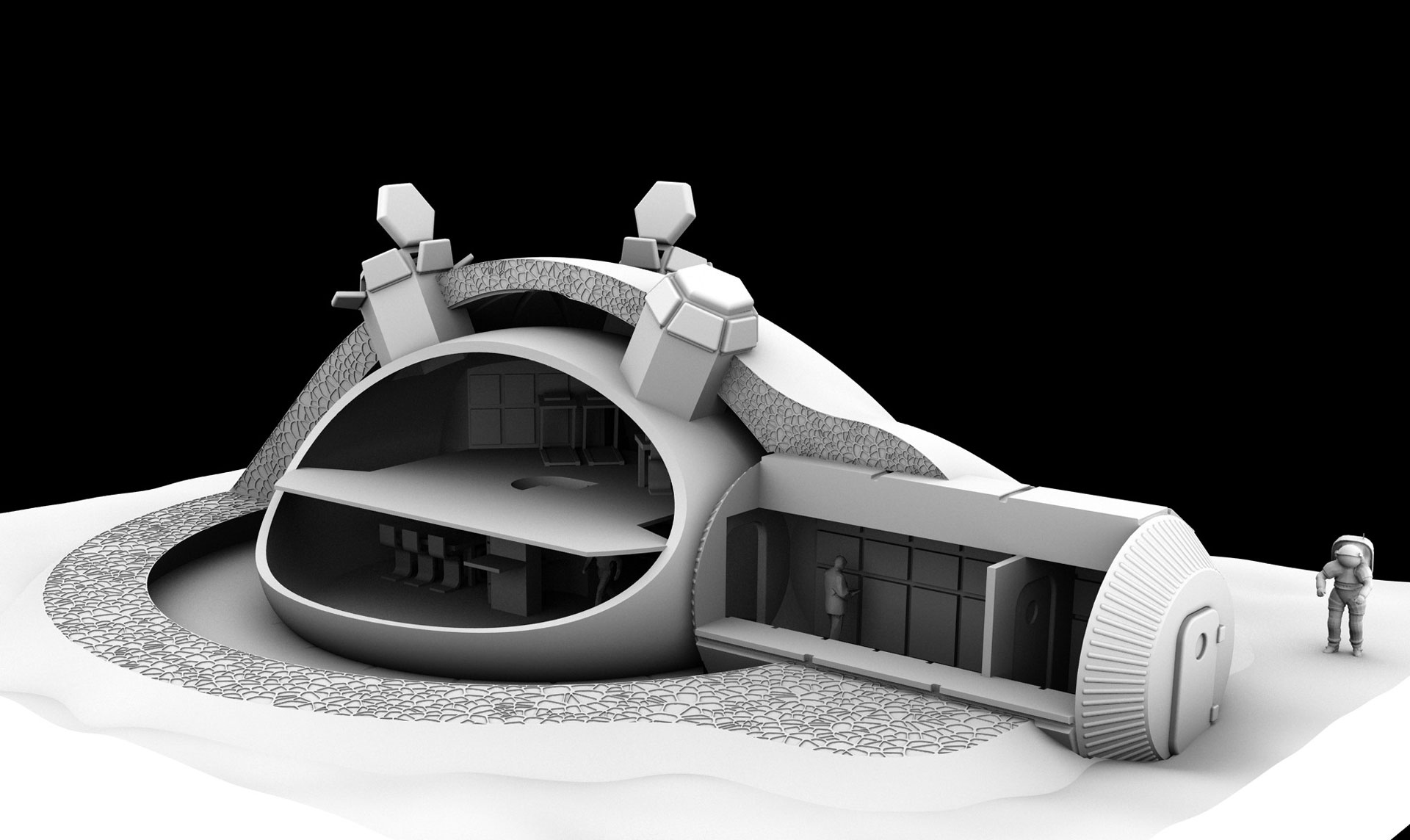
    Lunar Base Design
    For ESA’s 3D-printed lunar base concept, Foster+Partners devised a weight-bearing ‘catenary’ dome design with a cellular structured wall to shield against micrometeoroids and space radiation, incorporating a pressurized inflatable to shelter astronauts. Credit: ESA/Foster + Partners

    The lunar dust substitute ‘made in Europe’ already has a name: EAC-1.

    The Spaceship EAC initiative is working with EAC-1 to prepare technologies and concepts for future lunar exploration.

    “One of the great things about the lunar soil is that 40% of it is made up of oxygen,” adds Aidan. One Spaceship EAC project studies how to crack the oxygen in it and use it to help astronauts extend their stay on the Moon.

    Moon’s magnetic call

    Bombarded with constant radiation, lunar dust is electrically charged. This can cause particles to lift off the surface. Erin Tranfield, a member of ESA’s lunar dust topical team, insists that we still need to fully understand its electrostatic nature.

    Scientists do not yet know its chemical charge, nor the consequences for building purposes. Trying to recreate the behavior of lunar dust in a radiation environment, Erin ground the surface of lunar simulants. She managed to activate the particles, but erased the properties of the surface.

    “This gives us one more reason to go back to the Moon. We need pristine samples from the surface exposed to the radiation environment,” says Erin. For this biologist who dreams of being the first woman on the Moon, a few sealed grams of lunar dust would be enough.
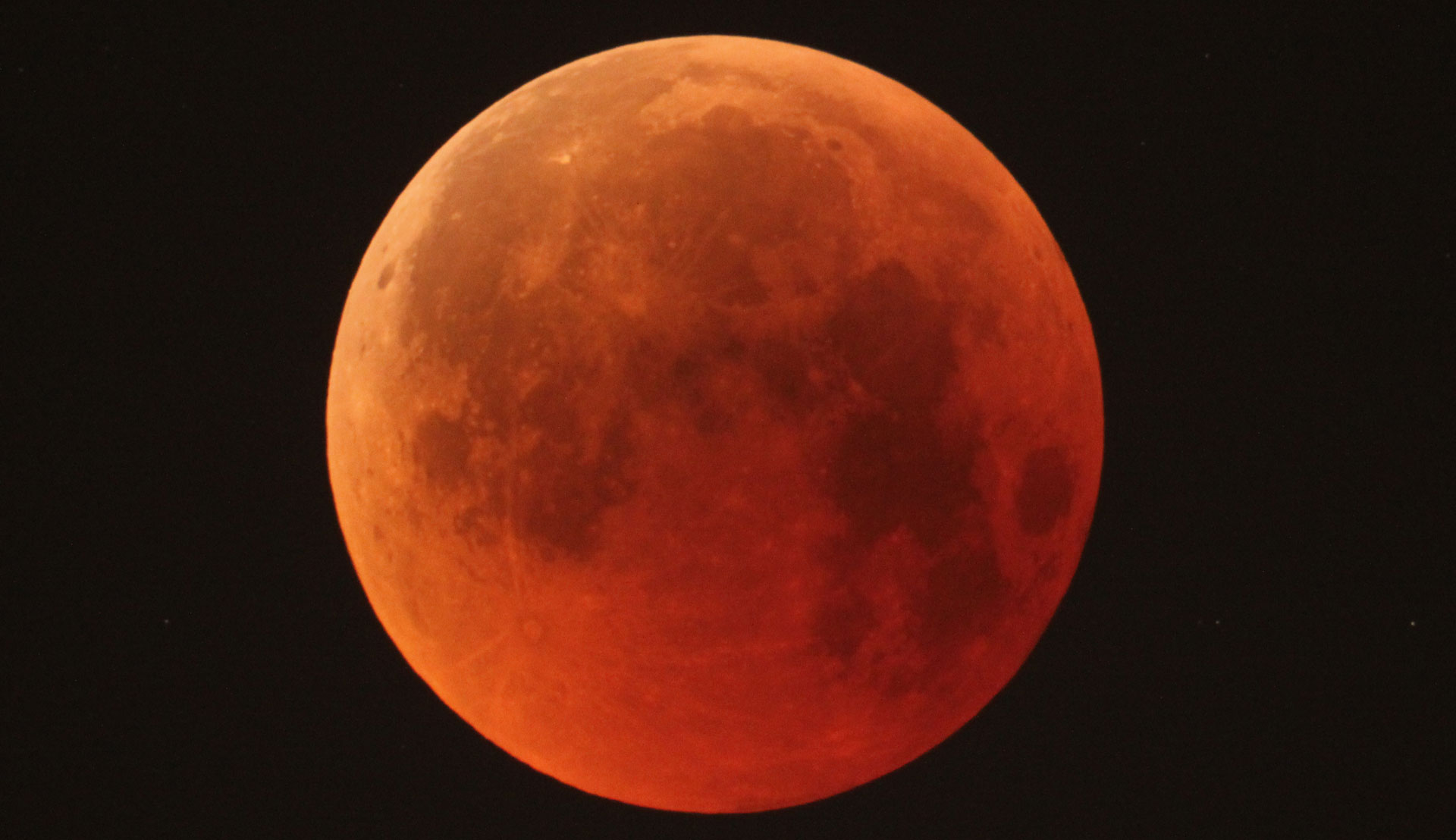
    Lunar Eclipse
    This unusual view of the Moon was captured during Friday’s total lunar eclipse from ESA’s European Space Astronomy Center near Madrid in Spain, at 23:03 CEST. Credit: ESA/CESAR–M.Castillo

    Never miss a breakthrough: Join the SciTechDaily newsletter.
    Follow us on Google and Google News.

    Astronomy European Space Agency Moon Space Exploration
    Share. Facebook Twitter Pinterest LinkedIn Email Reddit

    Related Articles

    Extraordinary Convergence: Chasing Chandrayaan and the Super Blue Moon

    Peek-a-Boo Moon: Astronaut on Space Station Captures Spectacular Photos of the Lunar Eclipse

    NASA Reveals Sustainable Campaign to Return to Moon and Beyond

    Can Lunar Dust Jeopardise Human Health?

    NASA’s Exploration Campaign: Back to the Moon and on to Mars

    Lunar Orbital Platform-Gateway will Extend Human Presence in Deep Space

    Moon Village – How to Build a Permanent Base Station on the Moon

    New Mosiac of the Moon’s South Pole

    Weather Satellite Captures Image of “Blue” Moon

    Leave A Reply Cancel Reply

    • Facebook
    • Twitter
    • Pinterest
    • YouTube

    Don't Miss a Discovery

    Subscribe for the Latest in Science & Tech!

    Trending News

    Largest-Ever Study Finds Medicinal Cannabis Ineffective for Anxiety, Depression, PTSD

    250-Million-Year-Old Egg Solves One of Evolution’s Biggest Mysteries

    Living With Roommates Might Be Changing Your Gut Microbiome Without You Knowing

    Century-Old Cleaning Chemical Linked to 500% Increased Risk of Parkinson’s Disease

    What if Your Memories Never Happened? Physicists Take a New Look at the Boltzmann Brain Paradox

    One of the Universe’s Largest Stars May Be Getting Ready To Explode

    Scientists Discover Enzyme That Could Supercharge Ozempic-Like Weight Loss Drugs

    Popular Sweetener Linked to DNA Damage – “It’s Something You Should Not Be Eating”

    Follow SciTechDaily
    • Facebook
    • Twitter
    • YouTube
    • Pinterest
    • Newsletter
    • RSS
    SciTech News
    • Biology News
    • Chemistry News
    • Earth News
    • Health News
    • Physics News
    • Science News
    • Space News
    • Technology News
    Recent Posts
    • Scientists Say This Overlooked Organ Could Hold the Key to Longer Life
    • Want Less Stress? Landmark Study Points to a Simple Habit
    • Scientists Reveal Eating Fruits and Vegetables May Increase Your Risk of Lung Cancer
    • AI Reveals Explosive Growth of Floating Algae Across the World’s Oceans
    • 5.5 Million Bees Discovered Living Beneath a New York Cemetery
    Copyright © 1998 - 2026 SciTechDaily. All Rights Reserved.
    • Science News
    • About
    • Contact
    • Editorial Board
    • Privacy Policy
    • Terms of Use

    Type above and press Enter to search. Press Esc to cancel.