
Close Menu
    Facebook X (Twitter) Instagram
    SciTechDaily
    • Biology
    • Chemistry
    • Earth
    • Health
    • Physics
    • Science
    • Space
    • Technology
    Facebook X (Twitter) Pinterest YouTube RSS
    SciTechDaily
    Home»Biology»Moratorium Into Research of Modified Contagious H5N1 Avian Flu Strains
    Biology

    Moratorium Into Research of Modified Contagious H5N1 Avian Flu Strains

    By SciTechDailyJanuary 21, 2012No Comments3 Mins Read
    Facebook Twitter Pinterest Telegram LinkedIn WhatsApp Email Reddit
    Share
    Facebook Twitter LinkedIn Pinterest Telegram Email Reddit
    H5N1 Concept
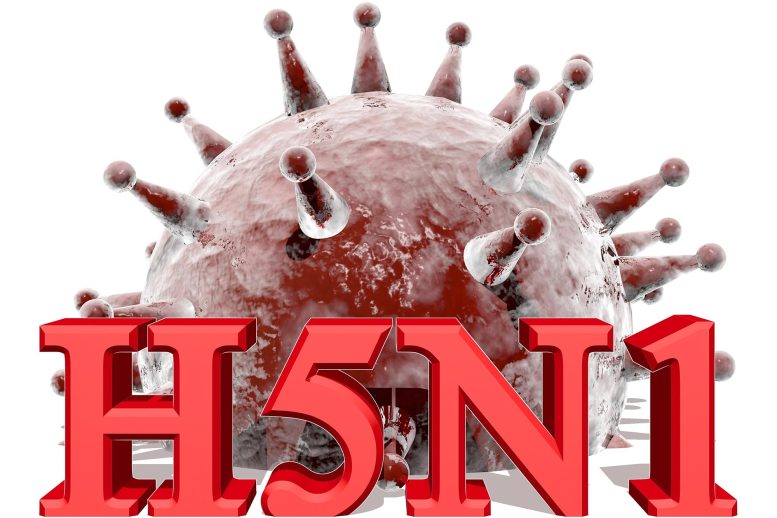
    H5N1 is highly deadly to humans, with mortality rates ranging from 60% to 80%. However, it is less contagious, requiring prolonged contact between infected birds and humans for interspecies transmission. Containing an outbreak is challenging, potentially impossible, with the potential for widespread fatalities.

    Researchers have agreed to pause their work on the H5N1 avian influenza virus for the next 60 days. The research involved creating extra-contagious versions of the virus and seeing how it propagates among lab animals to enable the establishment of a propagation model.

    The moratorium was announced on January 20th in both Nature and Science in response to public fear and alarm in the scientific community, which is split over whether the research could inadvertently lead to a global pandemic.

    The controversy began last November, when Science reported that two teams of virologists, one led by Ron Fouchier of the Erasmus Medical Center in the Netherlands, and the other by Yoshihiro Kawaoko at the University of Wisconsin, had developed H5N1 strains capable of passing easily between ferrets. This information can then be used to model the propagation of influenza among humans. Whether the modified H5N1 viruses could make a species jump into humans has not yet been established, but it’s considered possible.

    H5N1 is extraordinarily virulent in humans, with mortality rates between 60% and 80%, but far less contagious since it requires prolonged contact between infected birds and people to allow the virus to jump between species. Containing such an outbreak could be extremely difficult, perhaps even impossible, and millions of people would certainly die as a result, emulating what happened in Steven Soderbergh’s Contagion film.

    Scientists are also unsure what mutations can make H5N1 more transmissible between humans. The exact mechanics were to be identified by the two labs, but public outrage has stopped the research, at least for now. It’s possible that biological terrorists could use this research to develop weaponized flu strains. Another frightening thing is that there have been dozens of accidental infections at high-security labs in the US, and it’s now thought that one now-global flu strain may have escaped from a Russian laboratory in the 1970s.

    Reception to the news of the moratorium appears to be mixed. Other scientists have stated that 60 days is too short to develop any meaningful policies. Richard Ebright, a Rutgers University microbiologist, has even stated that the moratorium is an empty gesture, simply public relations.

    Never miss a breakthrough: Join the SciTechDaily newsletter.
    Follow us on Google and Google News.

    Avian Flu Epidemiology H5N1 Virology
    Share. Facebook Twitter Pinterest LinkedIn Email Reddit

    Related Articles

    H5N1 Work Will Probably Continue

    Novel Coronavirus hCoV-EMC Infects Humans & Animals

    Crystal Meth Could Reduce Susceptibility to the Common Flu

    Gene Sequencing of New Coronavirus Speeds Up Testing

    Monkeys Cured of Ebola Zaire Virus With Antibody Cocktail

    Central American Bats Harbor a New Subtype of Influenza

    Visual Science’s Ebolavirus 3D Model is 10 Times More Complex Than Their HIV Model

    NDM-1 Super Bacteria Scares Medical Community in India

    Ruminant Orthobunyavirus Takes Northern Europe By Surprise

    Leave A Reply Cancel Reply

    • Facebook
    • Twitter
    • Pinterest
    • YouTube

    Don't Miss a Discovery

    Subscribe for the Latest in Science & Tech!

    Trending News

    Scientists May Have Found the Key to Jupiter and Saturn’s Moon Mystery

    Scientists Uncover Brain Changes That Link Pain to Depression

    Saunas May Do More Than Raise Body Temperature – They Activate Your Immune System

    Exercise in a Pill? Metformin Shows Surprising Effects in Cancer Patients

    Hidden Oceans of Magma Could Be Protecting Alien Life

    New Study Challenges Alzheimer’s Theories: It’s Not Just About Plaques

    Artificial Sweeteners May Harm Future Generations, Study Suggests

    Splashdown! NASA Artemis II Returns From Record-Breaking Moon Mission

    Follow SciTechDaily
    • Facebook
    • Twitter
    • YouTube
    • Pinterest
    • Newsletter
    • RSS
    SciTech News
    • Biology News
    • Chemistry News
    • Earth News
    • Health News
    • Physics News
    • Science News
    • Space News
    • Technology News
    Recent Posts
    • “Asian Flush” May Be a Hidden Trigger for Deadly Heart Damage
    • AI Could Detect Early Signs of Alzheimer’s in Under a Minute – Far Before Traditional Tests
    • What if Dark Matter Has Two Forms? Bold New Hypothesis Could Explain a Cosmic Mystery
    • Researchers Expose Hidden Chemistry of “Ore-Forming” Elements in Biology
    • Geologists Reveal the Americas Collided Earlier Than We Thought
    Copyright © 1998 - 2026 SciTechDaily. All Rights Reserved.
    • Science News
    • About
    • Contact
    • Editorial Board
    • Privacy Policy
    • Terms of Use

    Type above and press Enter to search. Press Esc to cancel.