
Close Menu
    Facebook X (Twitter) Instagram
    SciTechDaily
    • Biology
    • Chemistry
    • Earth
    • Health
    • Physics
    • Science
    • Space
    • Technology
    Facebook X (Twitter) Pinterest YouTube RSS
    SciTechDaily
    Home»Biology»Mother’s Presence Increases Survivability of Male Orca Offspring
    Biology

    Mother’s Presence Increases Survivability of Male Orca Offspring

    By SciTechDailySeptember 17, 2012No Comments2 Mins Read
    Facebook Twitter Pinterest Telegram LinkedIn WhatsApp Email Reddit
    Share
    Facebook Twitter LinkedIn Pinterest Telegram Email Reddit
    mother-son-orca-survivability
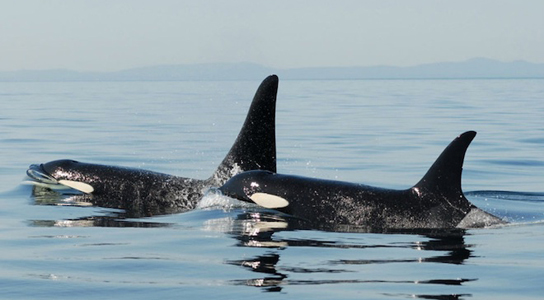
    The presence of a mother significantly increases the chance of survival for male orcas.

    A study of 600 orcas revealed that a mother’s presence increases a son’s chance of survival significantly. The mothers are driven by an innate drive to ensure that they have as many descendants as possible, and this might compel them to look out for their adult young.

    The evolutionary benefit of keeping watch over their descendants might explain why female killer whales live decades beyond their reproductive prime, just like humans and pilot whales. The scientists published their findings in the journal Science.
    orca-jumping-out

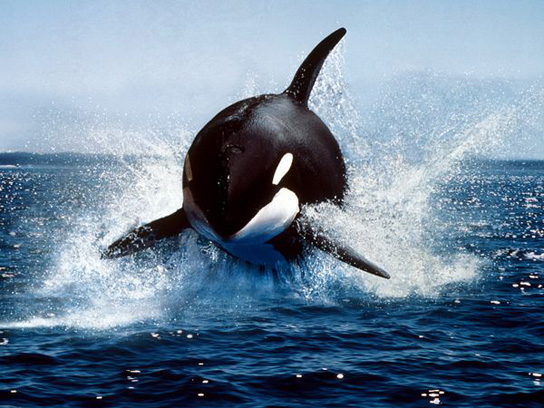
    This idea dates back to almost 50 years when studies in hunter-gatherer societies were accomplished. Evolution seems to favor menopause and a prolonged post-reproductive lifespan. Female killer whales live up to their 90s, but females stop bearing young between 30 and 50. Killer whales are part of an elite group of organisms on Earth that go through menopause. The group includes humans and pilot whales.

    Orcas live in complex social groups that can include sons and daughters. Data on 589 orcas was analyzed using the algorithms used by insurance companies to calculate morbidity. Losing a mother was a liability for sons. Young males were three times as likely to die the year after their mother’s death as males whose mothers were still alive. Males over 30 were even more vulnerable. Their risk of death increased eightfold.

    Young daughters had no ill effects of a deceased mother, but older ones were 2.7 times as likely to die. Either mothers fight off aggressive males or assist in hunting. There could be other reasons for this significant change in survivability.

    Reference: “Adaptive Prolonged Postreproductive Life Span in Killer Whales” by Emma A. Foster, Daniel W. Franks, Sonia Mazzi, Safi K. Darden, Ken C. Balcomb, John K. B. Ford and Darren P. Croft, 14 September 2012, Science.
    DOI: 10.1126/science.1224198

    Never miss a breakthrough: Join the SciTechDaily newsletter.
    Follow us on Google and Google News.

    Morbidity Orca Popular Whales Zoology
    Share. Facebook Twitter Pinterest LinkedIn Email Reddit

    Related Articles

    Ancient Orca Oasis: Scientists Discover 20,000 Years Old Refugium in the Northern Pacific

    European Catfish Learn to Catch Pigeons

    Kitti’s Hog-Nosed Bat Is World’s Smallest Mammal

    Blue Whales Use 360 Degree Body Rolls to Get at Krill

    First Sighting of the Spade-Toothed Whale

    Captive Beluga Whale Was Able to Mimic Speech

    Transgendered Bellbird Discovered in New Zealand

    A Fifth of All Invertebrates on Earth Threatened by Extinction

    Adult White Killer Whale Spotted in the Wild for the First Time

    Leave A Reply Cancel Reply

    • Facebook
    • Twitter
    • Pinterest
    • YouTube

    Don't Miss a Discovery

    Subscribe for the Latest in Science & Tech!

    Trending News

    Breakthrough Parkinson’s Drug Targets Disease at Its Genetic Roots

    Just 4 Weeks of Simple Diet Changes Reversed Signs of Aging in Older Adults

    Scientists May Have Finally Solved Why Humans Are Right-Handed

    NASA’s Hubble Accidentally Witnesses a Comet Shattering in Space

    Researchers Discover the Body’s Hidden “Off Switch” for Inflammation

    Scientists Discover Metformin Doesn’t Work the Way We Thought

    Tea or Coffee? Your Daily Choice Could Affect Osteoporosis Risk

    Vitamin C May Fight Cancer in a Surprising Way

    Follow SciTechDaily
    • Facebook
    • Twitter
    • YouTube
    • Pinterest
    • Newsletter
    • RSS
    SciTech News
    • Biology News
    • Chemistry News
    • Earth News
    • Health News
    • Physics News
    • Science News
    • Space News
    • Technology News
    Recent Posts
    • Scientists Warn: America’s Most Popular Cooking Oil May Be Harming Your Intestines
    • Scientists Unravel the Mystery of Angola’s Giant “Ghost Elephants”
    • Ancient DNA Shatters the Simple Story of Europe’s Origins
    • Scientists Say a 59,000-Year-Old Neanderthal Tooth Shows Evidence of Surgery
    • Scientists Stunned by Hybrid California Bees That Beat Deadly Mites
    Copyright © 1998 - 2026 SciTechDaily. All Rights Reserved.
    • Science News
    • About
    • Contact
    • Editorial Board
    • Privacy Policy
    • Terms of Use

    Type above and press Enter to search. Press Esc to cancel.