
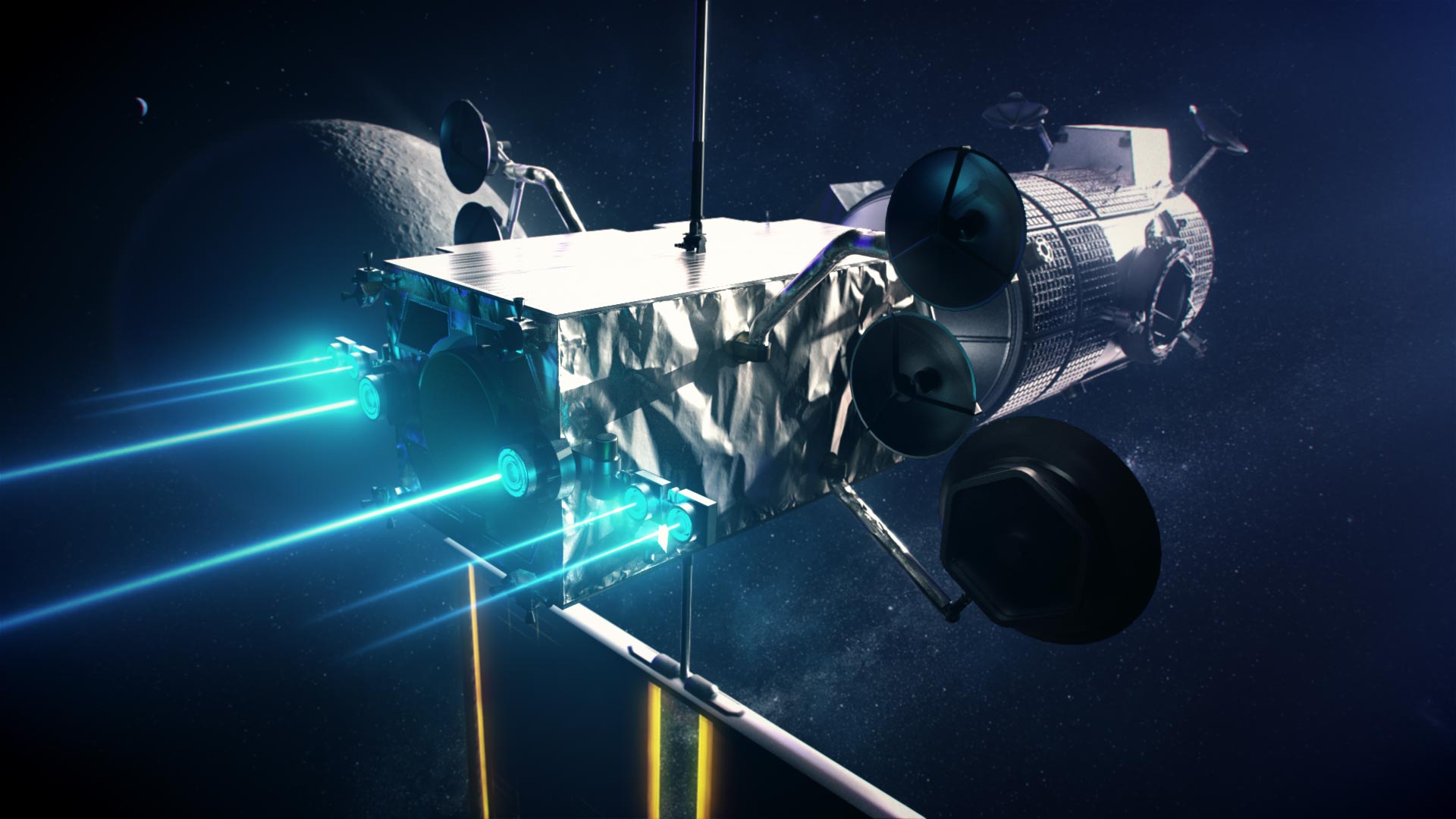
Work is steadily advancing on NASA’s Power and Propulsion Element, a solar electric propulsion spacecraft that will serve as the main power source for Gateway as it travels in lunar orbit. This critical component is designed to generate and distribute electricity while also helping the spacecraft move and stay properly oriented in space.
Earlier last year, the Power and Propulsion Element reached a major milestone when it was successfully powered on. The system is capable of producing up to 60 kilowatts of electricity, confirming that it can support key functions such as supplying power, enabling high rate communications, controlling the spacecraft’s orientation, and maintaining or adjusting its orbit when needed.
Building the Spacecraft and Its Advanced Systems
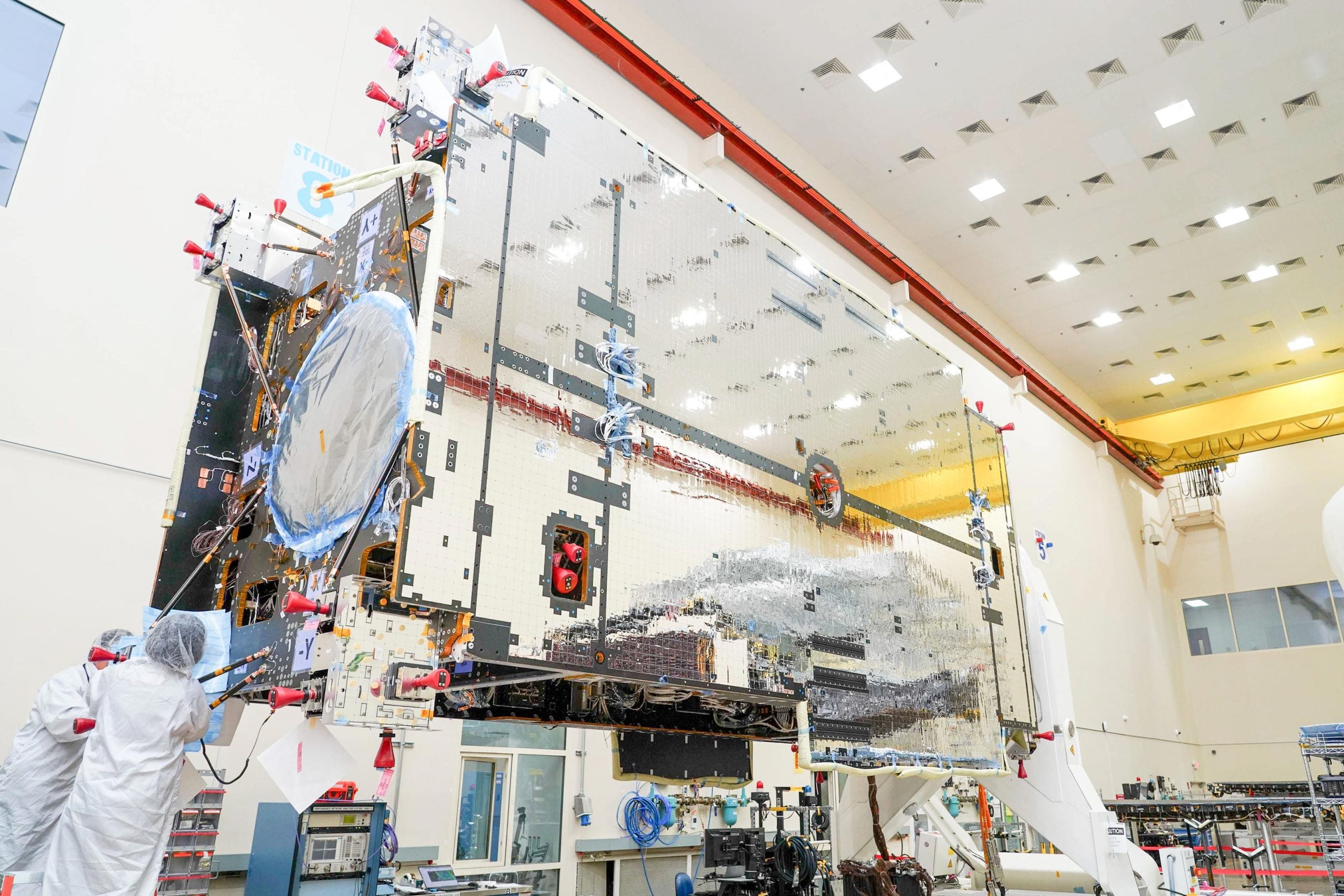
NASA’s Glenn Research Center in Cleveland oversees the Power and Propulsion Element, while construction is being carried out by industry partner Lanteris Space Systems in Palo Alto, California. At the facility, teams have secured the spacecraft’s main electrical system within protective outer panels to safeguard the hardware.
Next on the installation schedule are the propulsion systems that will allow the spacecraft to maneuver through space. These include three advanced electric propulsion thrusters rated at 12 kilowatts each and built by L3Harris, along with four 6 kilowatt thrusters known as the BHT 6000, produced by Busek. Meanwhile, the roll out solar arrays that will supply power to Gateway have been completed and are now undergoing testing at Redwire’s facility in Goleta, California.
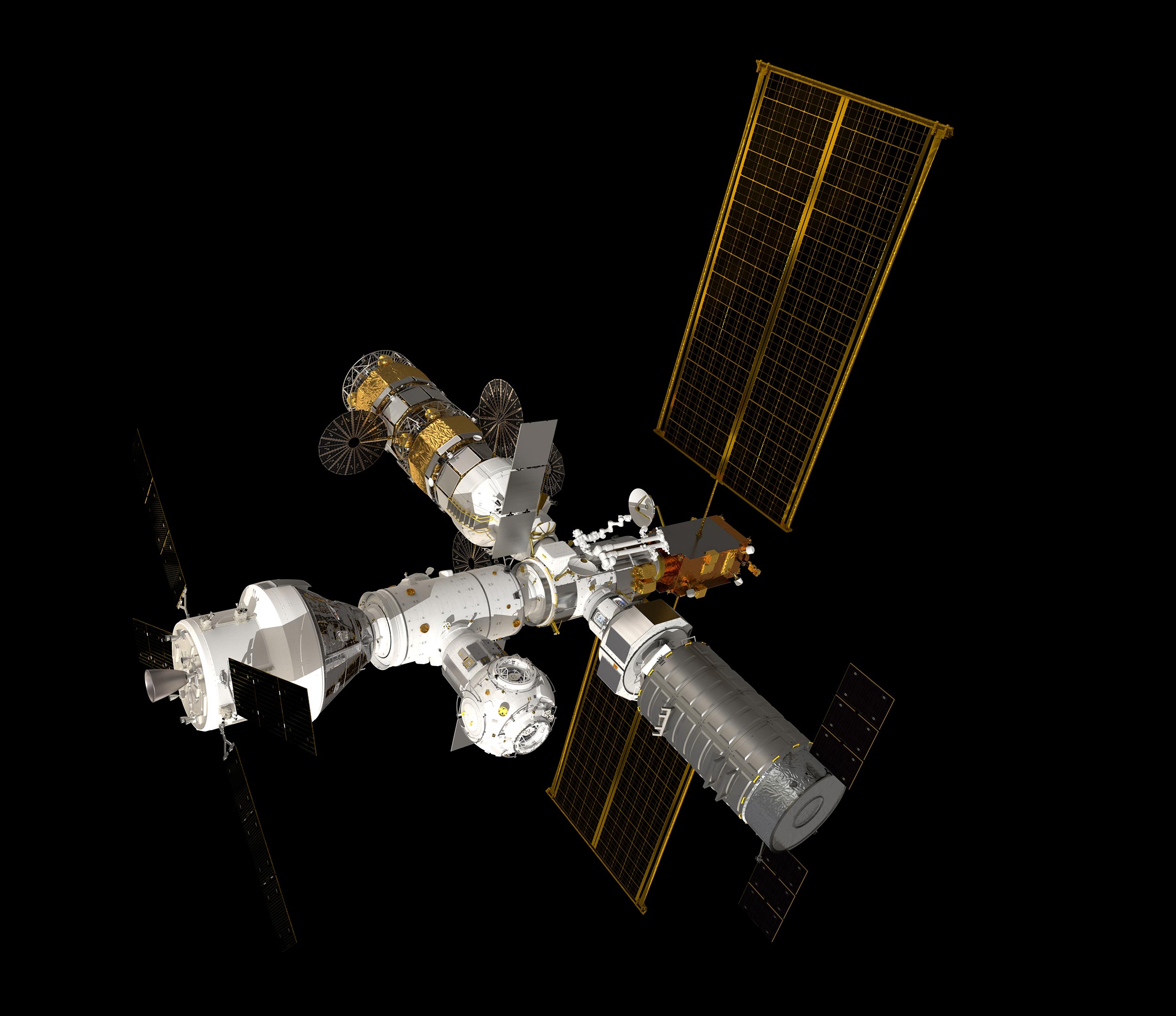
Gateway is NASA’s planned space station that will orbit the Moon and serve as a key hub for future lunar and deep space missions. Operating in a unique, highly stable orbit, Gateway is designed to support long duration human exploration by providing living space for astronauts, a platform for scientific research, and a staging point for missions to the lunar surface. Unlike the International Space Station, Gateway will not be continuously occupied, but will instead host crews for shorter visits as they conduct experiments, test new technologies, and prepare for exploration beyond Earth.
As part of NASA’s Artemis program, Gateway will play a central role in returning humans to the Moon and laying the groundwork for future missions to Mars. The outpost will support international and commercial partnerships, allowing multiple space agencies and private companies to contribute modules, systems, and research. By operating far from Earth, Gateway will help scientists and engineers learn how to live and work in deep space, test advanced propulsion and power systems, and better understand how humans and spacecraft perform in the harsh environment beyond low Earth orbit.
Never miss a breakthrough: Join the SciTechDaily newsletter.
Follow us on Google and Google News.