
Close Menu
    Facebook X (Twitter) Instagram
    SciTechDaily
    • Biology
    • Chemistry
    • Earth
    • Health
    • Physics
    • Science
    • Space
    • Technology
    Facebook X (Twitter) Pinterest YouTube RSS
    SciTechDaily
    Home»Science»NASA Wants Help Collecting Moon Rocks
    Science

    NASA Wants Help Collecting Moon Rocks

    By NASASeptember 12, 20203 Comments2 Mins Read
    Facebook Twitter Pinterest Telegram LinkedIn WhatsApp Email Reddit
    Share
    Facebook Twitter LinkedIn Pinterest Telegram Email Reddit
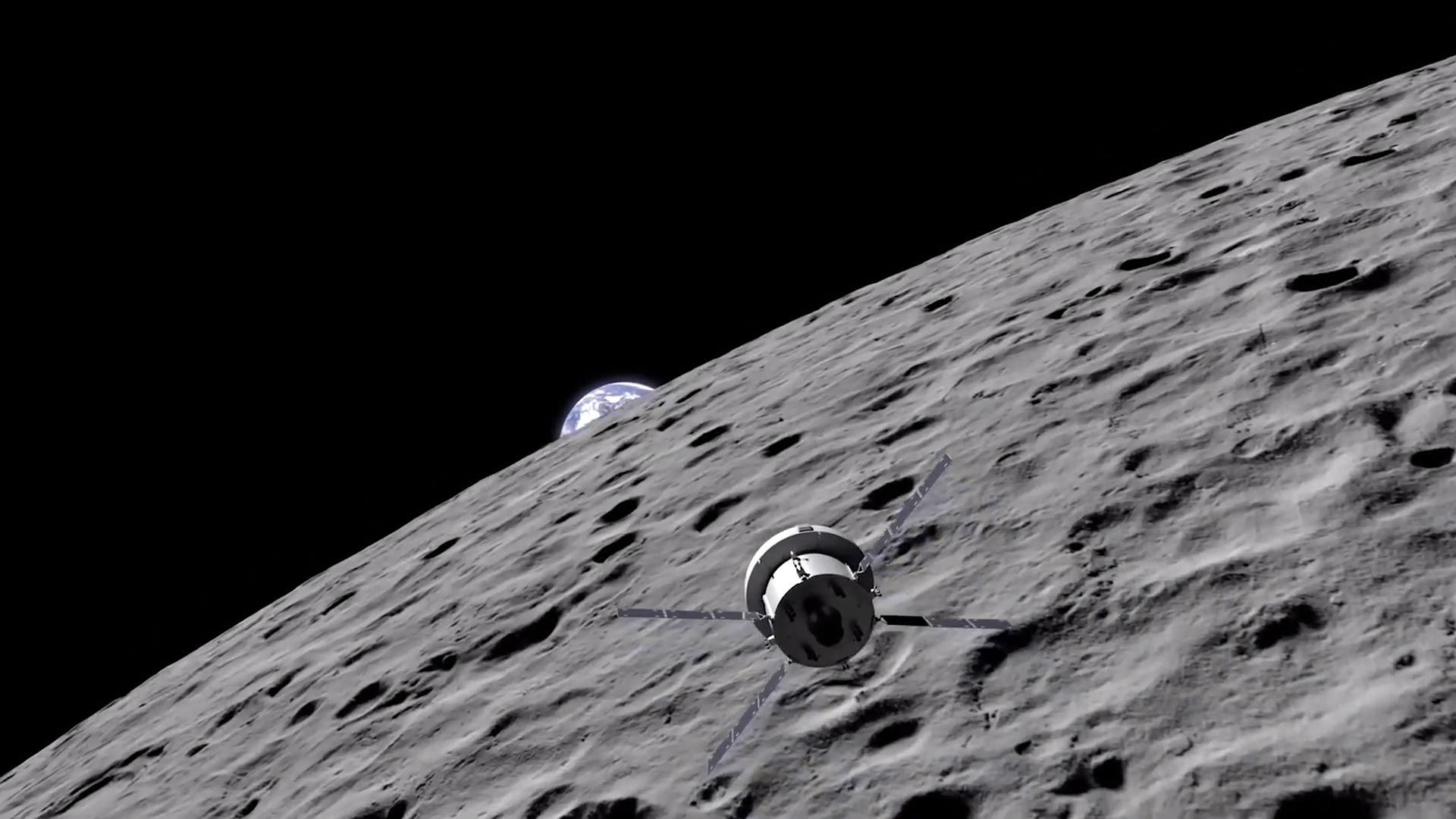
    Collect Moon Rocks
    NASA seeks commercial companies to submit proposals for collecting space resources.

    While NASA is working aggressively to meet our near-term goal of landing the first woman and next man on the Moon by 2024, our Artemis program also is focused on taking steps that will establish a safe and sustainable lunar exploration architecture.

    NASA is taking a critical step forward by releasing a solicitation for commercial companies to provide proposals for the collection of space resources.

    To meet NASA’s requirements, a company will collect a small amount of Moon “dirt” or rocks from any location on the lunar surface, provide imagery to NASA of the collection and the collected material, along with data that identifies the collection location, and conduct an “in-place” transfer of ownership of the lunar regolith or rocks to NASA. After ownership transfer, the collected material becomes the sole property of NASA for our use.

    NASA’s goal is that the retrieval and transfer of ownership will be completed before 2024. The solicitation creates a full and open competition, not limited to U.S. companies, and the agency may make one or more awards. The agency will determine retrieval methods for the transferred lunar regolith at a later date.

    Over the next decade, the Artemis program will lay the foundation for a sustained long-term presence on the lunar surface and use the Moon to validate deep space systems and operations before embarking on the much farther voyage to Mars. The ability to conduct in-situ resources utilization (ISRU) will be incredibly important on Mars, which is why we must develop techniques and gain experience with ISRU on the surface of the Moon.

    Never miss a breakthrough: Join the SciTechDaily newsletter.
    Follow us on Google and Google News.

    ARTEMIS Mission Moon NASA Popular
    Share. Facebook Twitter Pinterest LinkedIn Email Reddit

    Related Articles

    NASA’s Powerful SLS Rocket Fully Stacked for Artemis I Moon Mission – Liftoff for Deep Space in February 2022

    NASA’s VIPER Moon Rover To Land Near Nobile Crater at the Lunar South Pole

    New NASA Moon Maps Help Developers Plan Lunar Road Trip for VIPER’s Artemis Mission

    NASA Lunar Payloads: New Science Investigations for the Dark Side of the Moon

    NASA Selects SpaceX Starship to Land Next Americans on Moon

    Living on the Moon: NASA’s Artemis Base Camp Concept

    NASA Advancing 3D Printing Construction Systems for Bases on the Moon and Mars

    NASA SLS Rocket Booster Hot Fire Test Produces More Than 3 Million Pounds of Thrust [Video]

    NASA’s Lunar Loo Challenge: $35,000 in Prizes for Toilet Design That Works on the Moon

    3 Comments

    1. Jim on September 13, 2020 8:29 am

      What is their motivation? What exactly would the companies be competing for? Or is the objective simply for NASA to own samples (that it can’t actually analyze) from as many places on the moon as possible, and get it done as quickly as possible? It almost sounds like NASA is trying to stake a claim to as much moon real estate as they can.

      Reply
    2. Ravi on September 13, 2020 1:02 pm

      Like Jim’s comment. Sorry it is not clear what is the objective. More clarity will be good help. How to identify the sample and how to notify NASA about the detail. Do we need to present any detail on why we (company) selected specific sample. If NASA will own it then what will company do at that point. Thanks

      Reply
    3. Jack on September 14, 2020 8:38 am

      Doesn’t NASA already own moon rocks and dust collected by astronauts from 1969 into the 1970’s? What could be prompting this sudden solicitation to get moon rocks?

      Reply
    Leave A Reply Cancel Reply

    • Facebook
    • Twitter
    • Pinterest
    • YouTube

    Don't Miss a Discovery

    Subscribe for the Latest in Science & Tech!

    Trending News

    289-Million-Year-Old Reptile Mummy Reveals Origin of Human Breathing System

    New Brain Discovery Challenges Long-Held Theory of Teenage Brain Development

    Scientists Discover Plants “Scream” – We Just Couldn’t Hear Them Until Now

    Scientists Discover a Surprising Reason Intermittent Fasting Extends Life

    This Simple Fruit Wash Could Make Produce Safer and Last Days Longer

    Scientists Say Adding This Unusual Seafood to Your Diet Could Reverse Signs of Aging

    Scientists Say a Hidden Structure May Exist Inside Earth’s Core

    Doctors Surprised by the Power of a Simple Drug Against Colon Cancer

    Follow SciTechDaily
    • Facebook
    • Twitter
    • YouTube
    • Pinterest
    • Newsletter
    • RSS
    SciTech News
    • Biology News
    • Chemistry News
    • Earth News
    • Health News
    • Physics News
    • Science News
    • Space News
    • Technology News
    Recent Posts
    • Nearly 1 in 5 Gray Whales That Enter San Francisco Bay Die There
    • The Ozone Layer Is Healing, But There’s a Hidden Catch
    • Earth’s Crust Is Tearing Open in Africa, and It Could Form a New Ocean
    • Breakthrough Bowel Cancer Trial Leaves Patients Cancer-Free for Nearly 3 Years
    • New Immune Pathway Could Supercharge mRNA Cancer Vaccines
    Copyright © 1998 - 2026 SciTechDaily. All Rights Reserved.
    • Science News
    • About
    • Contact
    • Editorial Board
    • Privacy Policy
    • Terms of Use

    Type above and press Enter to search. Press Esc to cancel.