
Close Menu
    Facebook X (Twitter) Instagram
    SciTechDaily
    • Biology
    • Chemistry
    • Earth
    • Health
    • Physics
    • Science
    • Space
    • Technology
    Facebook X (Twitter) Pinterest YouTube RSS
    SciTechDaily
    Home»Space»NASA’s Grand Retirement Plan: Seeking Deorbit Craft for Space Station’s Safe Descent
    Space

    NASA’s Grand Retirement Plan: Seeking Deorbit Craft for Space Station’s Safe Descent

    By NASASeptember 23, 2023No Comments3 Mins Read
    Facebook Twitter Pinterest Telegram LinkedIn WhatsApp Email Reddit
    Share
    Facebook Twitter LinkedIn Pinterest Telegram Email Reddit
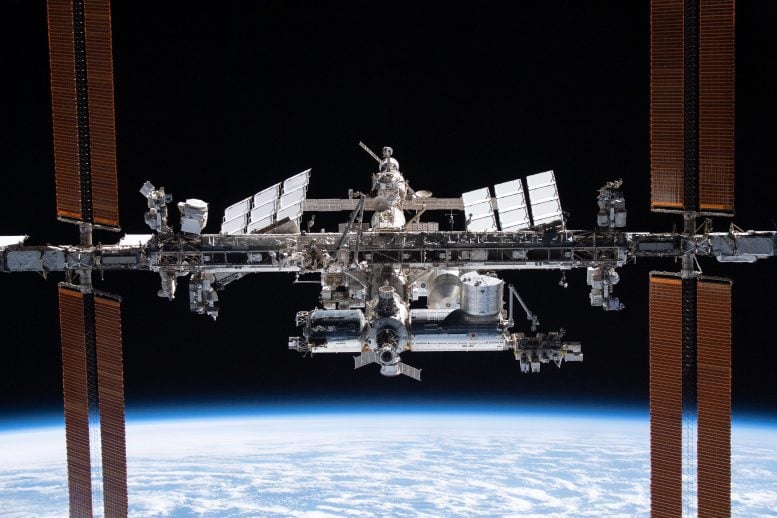
    International Space Station From SpaceX Crew Dragon Endeavour
    The International Space Station is pictured from the SpaceX Crew Dragon Endeavour during a fly around of the orbiting lab that took place following its undocking from the Harmony module’s space-facing port on November 8, 2021. The orbital complex was flying 263 miles above the Marshall Islands in the Pacific Ocean when this photograph was taken. Credit: NASA

    NASA seeks proposals for a new spacecraft, the USDV, to safely deorbit the International Space Station upon its retirement, prioritizing flexibility and safety in the transition.

    NASA has released a request for proposal from U.S. industry for the U.S. Deorbit Vehicle (USDV), a spacecraft meant to safely deorbit the International Space Station as part of its planned retirement.

    To maximize value to the government and enhance competition, the acquisition will allow offerors flexibility in proposing Firm Fixed Price or Cost Plus Incentive Fee for the Design, Development, Test and Evaluation phase. The remainder of the contract will be Firm Fixed Price.

    International Cooperation and the ISS

    Since 1998, five space agencies (the Canadian Space Agency, the European Space Agency, the Japan Aerospace Exploration Agency, the National Aeronautics and Space Administration, and the State Space Corporation “Roscosmos”) have operated the International Space Station, with each responsible for managing and controlling the hardware it provides. The station was designed to be interdependent and relies on contributions from across the partnership to function. The United States, Japan, Canada, and the participating countries of ESA (European Space Agency) have committed to operating the station through 2030, and Russia through at least 2028.
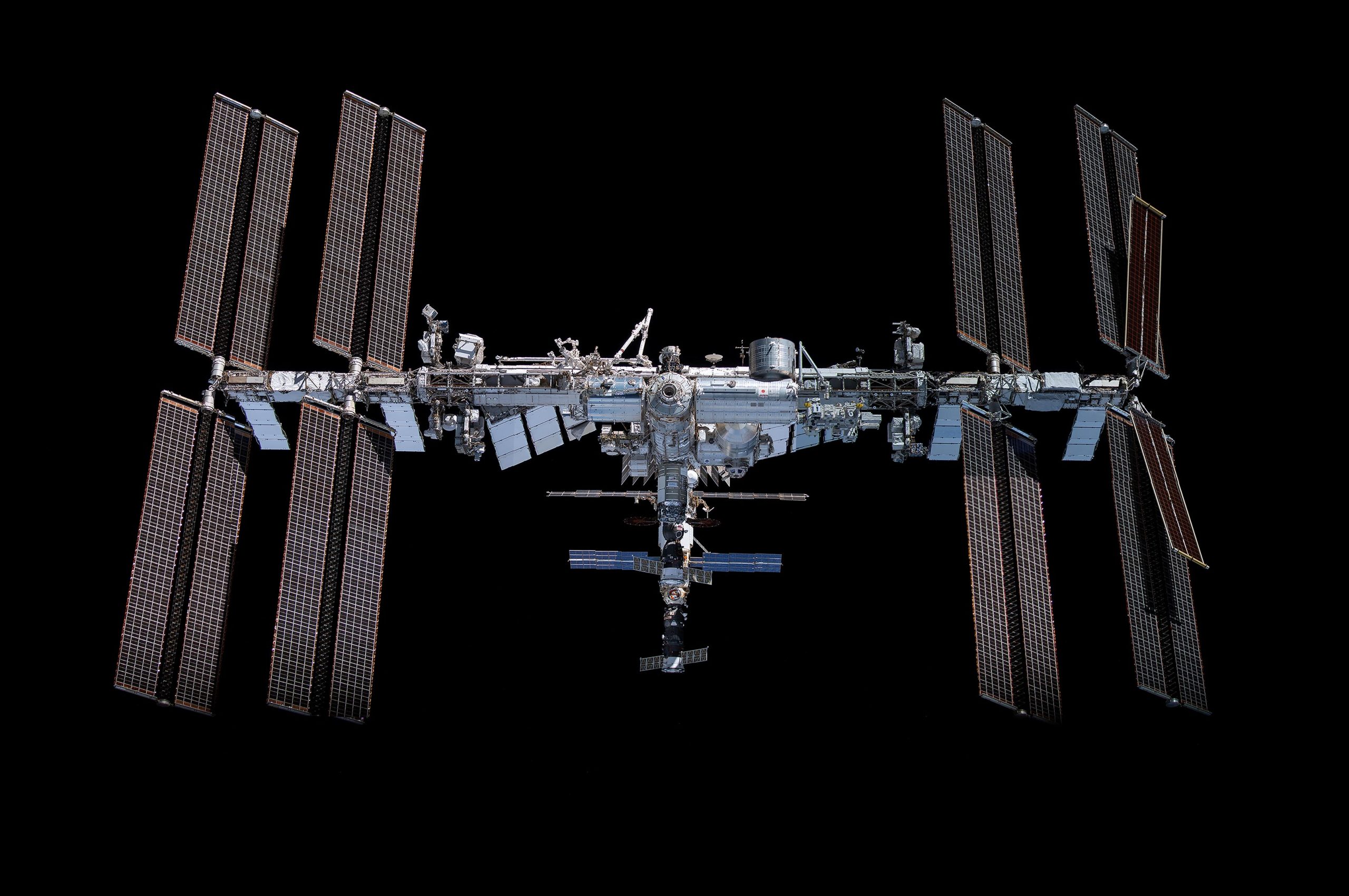
    Station Pictured SpaceX Crew Dragon
    This mosaic depicts the International Space Station pictured from the SpaceX Crew Dragon Endeavour during a fly around of the orbiting lab that took place following its undocking from the Harmony module’s space-facing port on November 8, 2021. Credit: NASA

    Future Plans and Safety Measures

    At the conclusion of the International Space Station program, the station will be deorbited in a controlled manner to avoid populated areas. The safe deorbit of the International Space Station is a shared responsibility of all five space agencies through partner contributions based on mass percent ownership by agency. In the future, the United States plans to transition its operations in low Earth orbit to commercially-owned and -operated platforms to ensure continued access and presence in space for research, technology development, and international collaboration.

    Development of the U.S. Deorbit Vehicle

    In a years-long effort, NASA and its partners studied deorbit requirements and previously developed a preliminary strategy and action plan that evaluated the use of multiple Roscosmos Progress spacecraft to support deorbit operations. These efforts now indicate a new spacecraft solution would provide more robust capabilities for responsible deorbit. To initiate development of this new spacecraft, NASA released the request for proposal.

    The USDV is focused on the final deorbit activity. It will be a new spacecraft design or modification to an existing spacecraft that must function on its first flight and have sufficient redundancy and anomaly recovery capability to continue the critical deorbit burn. As with any development effort of this size, the USDV will take years to develop, test, and certify.

    For additional information about deorbit plans, visit: International Space Station Transition FAQs.

    Never miss a breakthrough: Join the SciTechDaily newsletter.
    Follow us on Google and Google News.

    International Space Station NASA
    Share. Facebook Twitter Pinterest LinkedIn Email Reddit

    Related Articles

    SpaceX Just Launched Robots, Atomic Clocks, and Mars Tech Into Orbit

    Watch Live: NASA Astronaut Don Pettit Returns to Earth on His 70th Birthday After 220 Days in Space

    Space Station Commander Swap, SpaceX Dragon Launch, and Birthday Earth Return All in One Weekend

    Dawn Docking, New Discoveries: NASA and Russian Crew Begin Space Station Mission

    Meet NASA’s SpaceX Crew-11: The Astronauts Launching to Shape Humanity’s Future in Space

    New Beginnings in Space As Astronauts Step Into Their Zero-Gravity Home

    NASA’s Crew-9 Returns After 286-Day Mission With a Spectacular Splashdown in the Gulf of America

    NASA’s SpaceX Crew-9 Splashes Down Off Coast of Florida

    SpaceX Dragon Undocks With NASA Crew-9 Members for Return to Earth

    Leave A Reply Cancel Reply

    • Facebook
    • Twitter
    • Pinterest
    • YouTube

    Don't Miss a Discovery

    Subscribe for the Latest in Science & Tech!

    Trending News

    Scientists Uncover Potential Brain Risks of Popular Fish Oil Supplements

    Scientists Discover a Surprising Way To Make Bread Healthier and More Nutritious

    After 60 Years, Scientists Uncover Unexpected Brain Effects of Popular Diabetes Drug Metformin

    New Research Uncovers Hidden Side Effects of Popular Weight-Loss Drugs

    Scientists Rethink Extreme Warming After Surprising Ocean Discovery

    Landmark Study Links Never Marrying to Significantly Higher Cancer Risk

    Researchers Discover Unknown Beetle Species Just Steps From Their Lab

    Largest-Ever Study Finds Medicinal Cannabis Ineffective for Anxiety, Depression, PTSD

    Follow SciTechDaily
    • Facebook
    • Twitter
    • YouTube
    • Pinterest
    • Newsletter
    • RSS
    SciTech News
    • Biology News
    • Chemistry News
    • Earth News
    • Health News
    • Physics News
    • Science News
    • Space News
    • Technology News
    Recent Posts
    • Students Build Dark Matter Detector and Set New Experimental Limits
    • Scientists Discover Caffeine Can Repair Key Memory Circuits After Sleep Loss
    • Strange 65-Foot Dinosaur Discovered in Argentina
    • Researchers Uncover Source of Strange Deformation in Earth’s Largest Continental Rift
    • Scientists Solve Mystery of Where the Colorado River Vanished Millions of Years Ago
    Copyright © 1998 - 2026 SciTechDaily. All Rights Reserved.
    • Science News
    • About
    • Contact
    • Editorial Board
    • Privacy Policy
    • Terms of Use

    Type above and press Enter to search. Press Esc to cancel.