
Close Menu
    Facebook X (Twitter) Instagram
    SciTechDaily
    • Biology
    • Chemistry
    • Earth
    • Health
    • Physics
    • Science
    • Space
    • Technology
    Facebook X (Twitter) Pinterest YouTube RSS
    SciTechDaily
    Home»Space»NASA’s James Webb “Powerhouse” Solar Array Reconnects to the Space Telescope
    Space

    NASA’s James Webb “Powerhouse” Solar Array Reconnects to the Space Telescope

    By Isabelle Yan, NASA's Goddard Space Flight CenterAugust 28, 2020No Comments2 Mins Read
    Facebook Twitter Pinterest Telegram LinkedIn WhatsApp Email Reddit
    Share
    Facebook Twitter LinkedIn Pinterest Telegram Email Reddit
    James Webb Space Telescope Solar Array Test
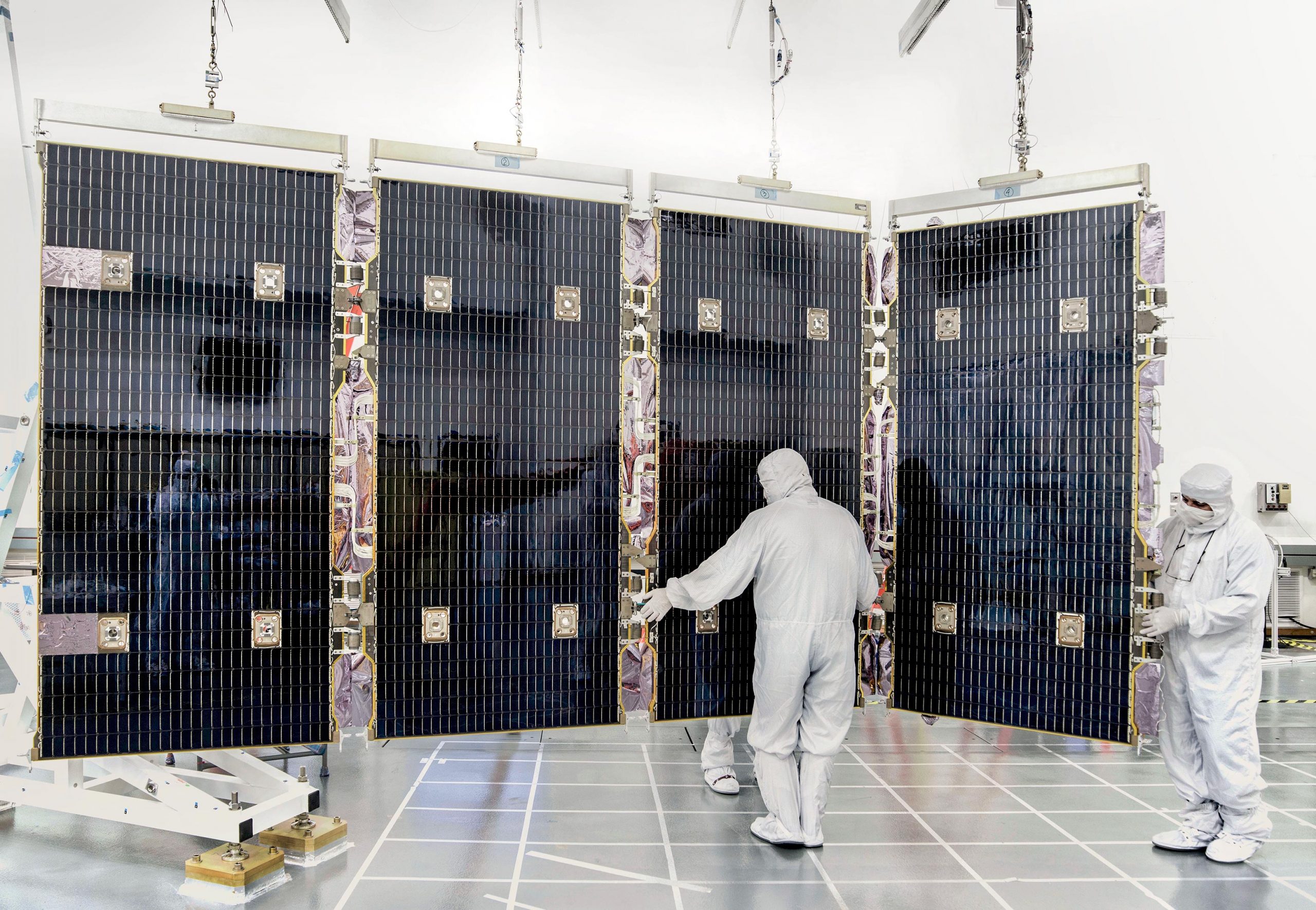
    Technologists holding the solar array of the James Webb Space Telescope after a test of the array earlier in 2020. The fifth panel of the solar array is folded behind the fourth in this image. Credit: NASA/Chris Gunn

    One kilowatt is about what it takes to heat up some leftovers in a microwave — or to power the largest and most technically advanced telescope ever built. Thanks to its solar array, NASA’s James Webb Space Telescope will stay energy-efficient more than 1 million miles (1.5 million kilometers) from Earth.

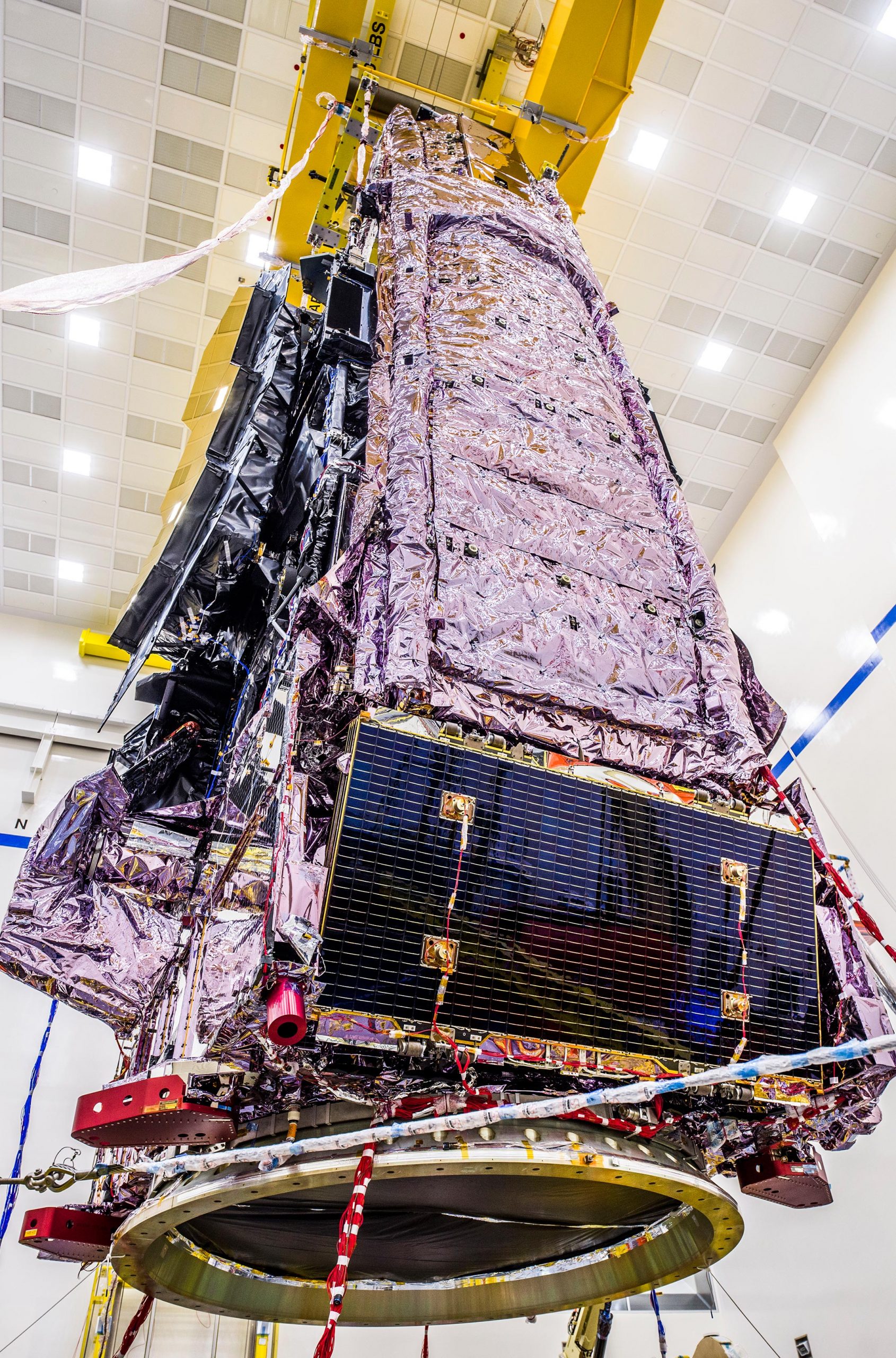
    Webb’s 20-foot (6-meter) solar array was recently attached to the main observatory for the final time before launch. The “powerhouse” of the telescope, the array will supply energy to all of the telescope’s scientific instruments and communication and propulsion systems. While Webb will only use 1 kilowatt of power, the solar array is capable of generating nearly double that amount to factor in the gradual wear and tear of a harsh space environment.
    James Webb Space Telescope Solar Array Installed
    The solar array is folded and installed onto the James Webb Space Telescope for the final time before launch. Credit: NASA/Chris Gunn

    The solar array is made up of five panels that are hinged together to easily fold up and stow in Webb’s launch vehicle, the Ariane 5 rocket. When Webb launches in 2021, this deployment will be the first and one of the most critical steps in the observatory’s full deployment process. The telescope’s onboard battery is intended to last only a few hours, up until the solar array unfolds in space and begins converting sunlight into electricity.

    In spring 2019, the array was removed from the spacecraft for deployment testing. To minimize friction and mimic the zero-gravity conditions of deep space, the team conducted tests by hanging the array on its side.

    NASA’s James Webb Space Telescope will be the world’s premier space science observatory when it launches. Webb will solve mysteries in our solar system, look beyond to distant worlds around other stars, and probe the mysterious structures and origins of our universe and our place in it. Webb is an international program led by NASA with its partners, ESA (European Space Agency) and the Canadian Space Agency.

    Never miss a breakthrough: Join the SciTechDaily newsletter.
    Follow us on Google and Google News.

    Astronomy James Webb Space Telescope NASA NASA Goddard Space Flight Center
    Share. Facebook Twitter Pinterest LinkedIn Email Reddit

    Related Articles

    NASA’s Webb Telescope Reveals an Eerie Nebula That Looks Like a Giant Brain

    Webb Telescope Uncovers Star Birth Struggles in a Magnetic Maze at the Milky Way’s Core

    Webb Space Telescope Uncovers Star Birth Secrets at Galaxy’s Edge

    NASA’s James Webb Space Telescope Completes First Full Systems Evaluation

    NASA Gravity Assist: Puffy Planets and Powerful Telescopes

    NASA’s James Webb Space Telescope Fully Stowed in Launch Configuration

    NASA’s New $10 Billion Space Telescope Successfully Deploys Massive Mirror

    NASA’s New Star-Watching Technology Has Thousands of Tiny Shutters

    NASA’s Webb Telescope Will Penetrate Space Dust to Reveal Milky Way’s Center

    Leave A Reply Cancel Reply

    • Facebook
    • Twitter
    • Pinterest
    • YouTube

    Don't Miss a Discovery

    Subscribe for the Latest in Science & Tech!

    Trending News

    These Toads Are Surviving a Deadly Fungus – Scientists May Finally Know Why

    These Brain Cells May Explain Why We Eventually Have To Sleep

    Tomatoes Contain an Invisible Ingredient With Surprising Effects on Liver Health

    World’s First Heat-Powered Cooling System Turns Waste Heat Into Cold

    Antarctica Gained a Record 695 Billion Tons of Ice in Just Two Years

    Don’t Miss: A Brilliant Venus and Glowing Harvest Moon Light Up the Sky

    New Twist on the Einstein Problem Reveals Unexpected Physics

    JWST Captures Stunning Evidence of How Supermassive Black Holes Feed

    Follow SciTechDaily
    • Facebook
    • Twitter
    • YouTube
    • Pinterest
    • Newsletter
    • RSS
    SciTech News
    • Biology News
    • Chemistry News
    • Earth News
    • Health News
    • Physics News
    • Science News
    • Space News
    • Technology News
    Recent Posts
    • Scientists Discover a Hidden Defect That Could Explain Why IBD Keeps Coming Back
    • Millions Take Blood Pressure Drugs, but Many May Be Missing Their Heart-Protective Benefits
    • Could Alien Life Be Conscious in Ways We Can’t Imagine?
    • Scientists Develop a Fruit Wash That Removes Pesticide Residues and Keeps Produce Fresh Longer
    • Scientists May Have Finally Explained Why Astronauts Get Constipated in Space
    Copyright © 1998 - 2026 SciTechDaily. All Rights Reserved.
    • Science News
    • About
    • Contact
    • Editorial Board
    • Privacy Policy
    • Terms of Use

    Type above and press Enter to search. Press Esc to cancel.