
Close Menu
    Facebook X (Twitter) Instagram
    SciTechDaily
    • Biology
    • Chemistry
    • Earth
    • Health
    • Physics
    • Science
    • Space
    • Technology
    Facebook X (Twitter) Pinterest YouTube RSS
    SciTechDaily
    Home»Earth»NASA’s Lunar Reconnaissance Orbiter Captures 2024 Solar Eclipse Shadow From 223,000 Miles Away
    Earth

    NASA’s Lunar Reconnaissance Orbiter Captures 2024 Solar Eclipse Shadow From 223,000 Miles Away

    By Mark Robinson and Nancy Neal JonesApril 17, 2024No Comments2 Mins Read
    Facebook Twitter Pinterest Telegram LinkedIn WhatsApp Email Reddit
    Share
    Facebook Twitter LinkedIn Pinterest Telegram Email Reddit
    LRO Moon's Shadow on Earth
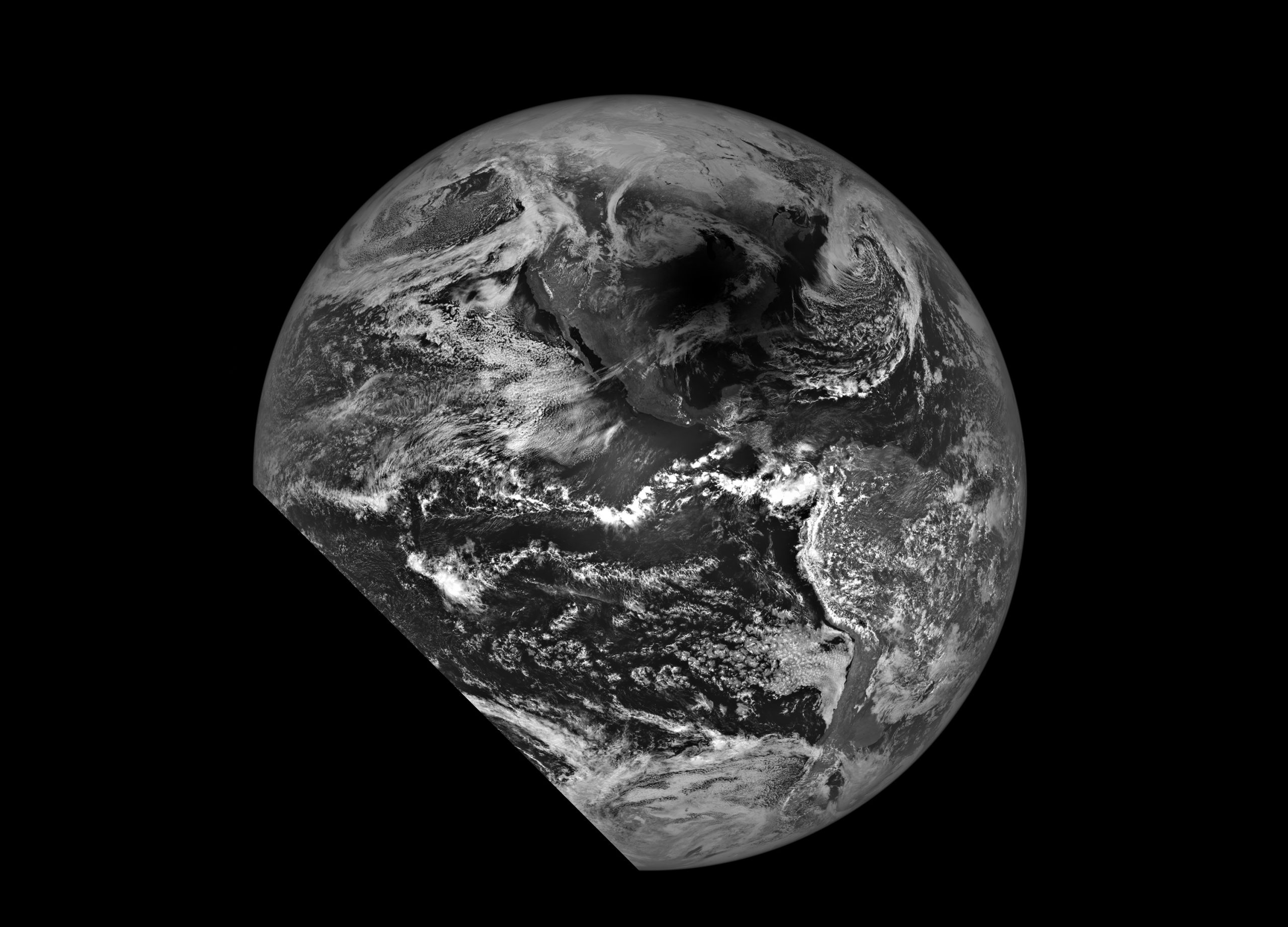
    This spectacular image showing the Moon’s shadow on Earth’s surface was acquired during a 20-second period starting at 2:59 p.m. EDT (18:59:19 UTC) on April 8, 2024, by NASA’s Lunar Reconnaissance Orbiter. When LRO acquired this image, the shadow of the Moon was centered near Cape Girardeau, Missouri. Credit: NASA/Goddard/Arizona State University

    NASA’s Lunar Reconnaissance Orbiter captured a striking image of the Earth during the April 8 solar eclipse from its position 223,000 miles away, showcasing the advanced imaging capabilities of its camera suite.

    As the Moon blotted out the Sun to viewers across the United States during the April 8 solar eclipse, NASA’s Lunar Reconnaissance Orbiter (LRO) captured an image from some 223,000 miles away of the highly anticipated celestial event.

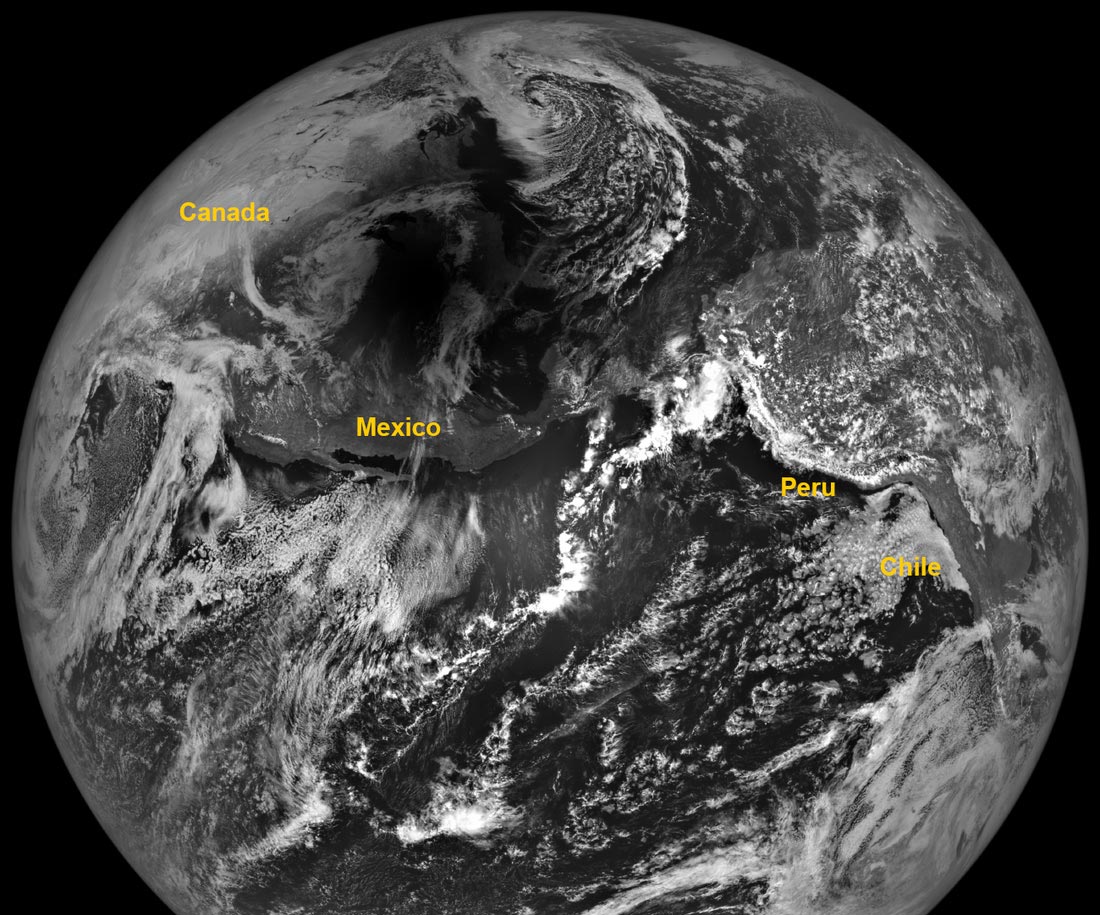
    There are three cameras that comprise the LRO camera (LROC) suite: two Narrow Angle Cameras (NAC) and one Wide Angle Camera. The Earth’s image with the shadow in it was acquired by one of the two Narrow Angle Cameras.
    LRO Moon's Shadow on Earth Annotated
    When LROC acquired this image on April 8, 2024, the shadow of the Moon was centered near Cape Girardeau, Missouri. Credit: NASA/GSFC/Arizona State University

    The LROC Narrow Angle Cameras are line scanner cameras: they only have one line of pixels, and images are built up line-by-line by the spacecraft’s motion as it orbits the Moon.

    Acquiring an image of Earth requires the spacecraft to rapidly rotate to build up the image.

    Lunar Reconnaissance Orbiter is managed by NASA’s Goddard Space Flight Center in Greenbelt, Maryland, for the Science Mission Directorate at NASA Headquarters in Washington. Launched on June 18, 2009, LRO has collected a treasure trove of data with its seven powerful instruments, making an invaluable contribution to our knowledge about the Moon. NASA is returning to the Moon with commercial and international partners to expand human presence in space and bring back new knowledge and opportunities.

    Never miss a breakthrough: Join the SciTechDaily newsletter.
    Follow us on Google and Google News.

    Arizona State University Eclipse NASA NASA Goddard Space Flight Center NASA's Lunar Reconnaissance Orbiter Popular Solar Eclipse
    Share. Facebook Twitter Pinterest LinkedIn Email Reddit

    Related Articles

    Darkness Unleashed: NASA’s Breakthrough Discoveries From the 2024 Solar Eclipse

    Shockwaves Through the Atmosphere: Solar Eclipse Triggers Hidden Gravity Waves

    Total Solar Eclipse: The Moon’s Shadow Races Across North America in Stunning Satellite View

    Chasing the Shadow: NASA’s Jet-Fueled Quest for Solar Secrets

    When Day Turns to Night: The Best Places to View the Total Solar Eclipse

    2024 Total Solar Eclipse: Broader Path, Longer Totality, and Increased Solar Activity

    Breathtaking View of Moon’s Shadow Over the U.S. During the Annular Solar Eclipse

    Don’t Miss Eclipses: NASA Releases New Map of Upcoming Solar Eclipses

    NASA’s ACE Mission: Total Solar Eclipses Shine a Light on the Solar Wind

    Leave A Reply Cancel Reply

    • Facebook
    • Twitter
    • Pinterest
    • YouTube

    Don't Miss a Discovery

    Subscribe for the Latest in Science & Tech!

    Trending News

    This Copper Drug Clears Alzheimer’s Brain Toxins and Boosts Memory

    Adults Over 65 Lost Massive Amounts of Weight With Ozempic

    How Flocking Birds “Defy” One of Physics’ Most Fundamental Laws

    Physicists Create a New Kind of Schrödinger’s Cat State From Exotic Quantum Building Blocks

    Your Diet Could Be Missing the Key Ingredient for Heart Protection

    Researchers Warn Widely Prescribed Blood Pressure Drugs Could Be Harming Diabetic Kidneys

    James Webb Spots Something Strange Between Day and Night on an Alien Planet

    How Ancient People Moved a 6-Ton Stone 700 Kilometers to Stonehenge

    Follow SciTechDaily
    • Facebook
    • Twitter
    • YouTube
    • Pinterest
    • Newsletter
    • RSS
    SciTech News
    • Biology News
    • Chemistry News
    • Earth News
    • Health News
    • Physics News
    • Science News
    • Space News
    • Technology News
    Recent Posts
    • 2,000-Year-Old Grape Seeds Rewrite the History of Italian Wine
    • Why You Flinch When Someone Else Gets Hurt
    • This Deadly Disease Was Wiping Out Humans 5,500 Years Ago
    • Scientists Uncover Cause of Inflammatory Bowel Disease Solving Decades-Old Mystery
    • The Surprising Reason Swimming Could Be Better for Your Heart Than Running
    Copyright © 1998 - 2026 SciTechDaily. All Rights Reserved.
    • Science News
    • About
    • Contact
    • Editorial Board
    • Privacy Policy
    • Terms of Use

    Type above and press Enter to search. Press Esc to cancel.