
Close Menu
    Facebook X (Twitter) Instagram
    SciTechDaily
    • Biology
    • Chemistry
    • Earth
    • Health
    • Physics
    • Science
    • Space
    • Technology
    Facebook X (Twitter) Pinterest YouTube RSS
    SciTechDaily
    Home»Health»National Institutes of Health Launches Clinical Trial of Epstein-Barr Virus Vaccine
    Health

    National Institutes of Health Launches Clinical Trial of Epstein-Barr Virus Vaccine

    By National Institute of Allergy and Infectious DiseasesMay 10, 2022No Comments3 Mins Read
    Facebook Twitter Pinterest Telegram LinkedIn WhatsApp Email Reddit
    Share
    Facebook Twitter LinkedIn Pinterest Telegram Email Reddit
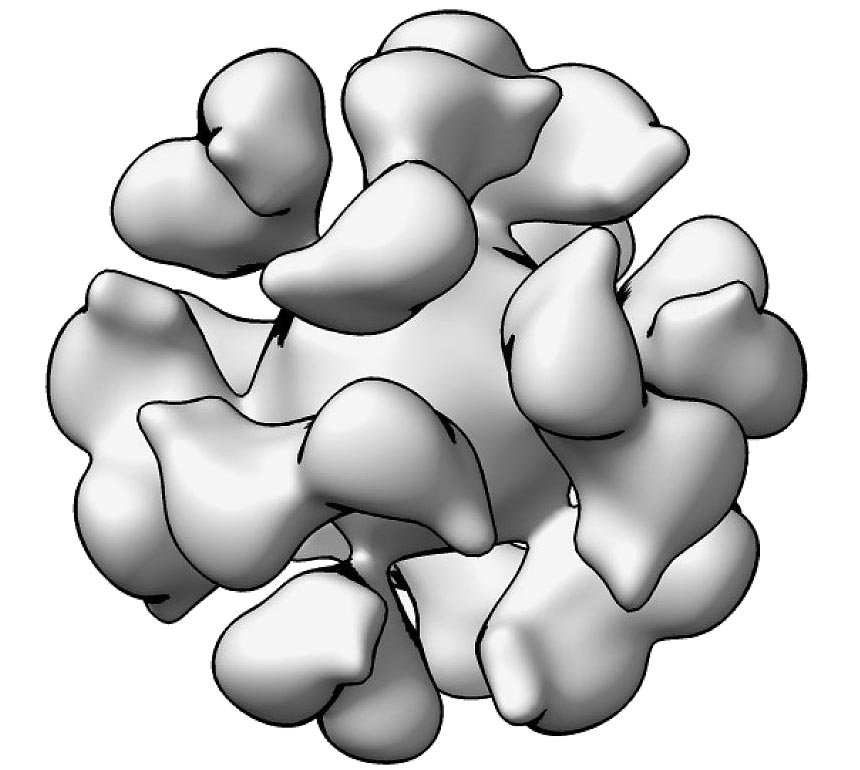
    EBV gp350-Ferritin Nanoparticle
    A cryoelectron microscopic reconstruction model of the Epstein-Barr virus gp350-ferritin nanoparticle. Credit: Geng Meng, Purdue University

    The National Institute of Allergy and Infectious Diseases (NIAID), part of the National Institutes of Health (NIH), has launched an early-stage clinical trial to evaluate an investigational preventative vaccine for Epstein-Barr virus (EBV). EBV is the primary cause of infectious mononucleosis (“mono”) and is associated with certain cancers and autoimmune diseases. The Phase 1 study is one of only two studies to test an investigational EBV vaccine in more than a decade. It will be conducted at the NIH Clinical Center in Bethesda, Maryland.

    EBV is a member of the herpes virus family and one of the most common human viruses. It spreads through bodily fluids, most notably saliva. In the United States, an estimated 125,000 cases of infectious mononucleosis occur each year; approximately 10% of those people develop fatigue lasting six months or longer. Roughly 1% of all EBV-infected individuals develop serious complications, including hepatitis, neurologic problems, or severe blood abnormalities. EBV also is associated with several malignancies, including stomach and nasopharyngeal cancers and Hodgkin and Burkitt lymphomas, as well as autoimmune diseases, such as systemic lupus erythematosus and multiple sclerosis.

    “A vaccine that could prevent or reduce the severity of infection with the Epstein-Barr virus could reduce the incidence of infectious mononucleosis and might also reduce the incidence of EBV-associated malignancies and autoimmune diseases,” said NIAID Director Anthony S. Fauci, M.D.

    Led by principal investigator Jessica Durkee-Shock, M.D., of NIAID’s Laboratory of Infectious Diseases, the study will evaluate the safety and immune response of an investigational EBV gp350-Ferritin nanoparticle vaccine with a saponin-based Matrix-M adjuvant. The experimental vaccine was developed by the Laboratory of Infectious Diseases in collaboration with NIAID’s Vaccine Research Center. The Matrix-M adjuvant was developed by the biotechnology company Novavax, based in Gaithersburg, Maryland.

    The vaccine works by targeting EBV glycoprotein gp350, which is found on the surface of the virus and virus-infected cells. EBV gp350 is also the primary target for neutralizing antibodies found in the blood of people naturally infected with EBV. Ferritin, a natural iron storage protein found in cells of all living species, is considered a promising vaccine platform because it can display proteins from the targeted virus in a dense array on its surface. The adjuvant is intended to enhance the immune response induced by the investigational vaccine.

    The study will enroll 40 healthy volunteer adults ages 18 to 29 years, half of whom have evidence of prior EBV infection and half of whom do not have evidence of prior EBV infection. Participants will be given a series of three 50-microgram injections of the experimental vaccine in the upper arm muscle, followed by 30 to 60 minutes of observation after each dose. The second and third doses will be administered 30 days and 180 days after the initial dose, with follow-up visits between each vaccination and phone calls between visits. Participation is expected to be required for 18 to 30 months, and the trial is expected to last four years. More information about this study is available using the identifier NCT04645147 on ClinicalTrials.gov.

    Never miss a breakthrough: Join the SciTechDaily newsletter.
    Follow us on Google and Google News.

    Nanoparticles National Institute of Allergy and Infectious Diseases National Institutes of Health Vaccine Virology
    Share. Facebook Twitter Pinterest LinkedIn Email Reddit

    Related Articles

    COVID Variants Like Omicron and Delta Aren’t the Only Reason NIH Scientists Urge Pursuit of Universal Coronavirus Vaccine

    NIAID Issues New Awards To Fund “Pan-Coronavirus” Vaccines – Primary Focus on Potential Pandemic-Causing Viruses

    Single Dose of ChAdOx1 nCoV-19 Vaccine Protects Monkeys Against COVID-19 Pneumonia

    New Coronavirus That Causes COVID-19 Is Stable for Hours on Surfaces

    Targets for Vaccines and Treatments Revealed by Novel Coronavirus Structure

    COVID-19: A Potent Reminder of the Challenge of Emerging Infectious Diseases

    Clinical Trial of Antiviral Remdesivir to Treat COVID-19 Underway

    Breakthrough in Coronavirus Vaccine Research Results in New 3D Atomic Scale Map of Virus

    Research Underway to Address Threat of Novel Coronavirus That Recently Emerged in China

    Leave A Reply Cancel Reply

    • Facebook
    • Twitter
    • Pinterest
    • YouTube

    Don't Miss a Discovery

    Subscribe for the Latest in Science & Tech!

    Trending News

    FDA-Approved Drug Shows Promise for Reversing Osteoarthritis Damage

    11,000-Year-Old Grains Reveal a Surprise About the Origins of Agriculture

    This Common Type of Medication Is Linked to Slower Cognitive Decline

    Quantum Computer Solves a Problem in 15 Minutes That Classical Methods Can’t Practically Compute

    Taking the Stairs Could Cut Your Risk of Heart-Related Death by 39%

    Scientists Uncover a Surprising New Route for Stonehenge’s Most Mysterious Stone

    A Star Near the Milky Way’s Black Hole Is Losing Mass at an Astonishing Rate

    Scientists Solve a Vitamin B12 Mystery With an Unexpected Culprit

    Follow SciTechDaily
    • Facebook
    • Twitter
    • YouTube
    • Pinterest
    • Newsletter
    • RSS
    SciTech News
    • Biology News
    • Chemistry News
    • Earth News
    • Health News
    • Physics News
    • Science News
    • Space News
    • Technology News
    Recent Posts
    • Astronomers Discover a Ghostly River of Stars That Could Reveal Dark Matter
    • NASA Is Building a Moon Base – and the First Pieces Are Already Coming Together
    • Something Mysterious Just Passed Between Earth and a Distant Star
    • This Natural Gut Compound Could Point to Better Treatments for IBD
    • Your Liver Runs on a Clock – and It Could Change How We Treat Metabolic Disease
    Copyright © 1998 - 2026 SciTechDaily. All Rights Reserved.
    • Science News
    • About
    • Contact
    • Editorial Board
    • Privacy Policy
    • Terms of Use

    Type above and press Enter to search. Press Esc to cancel.