
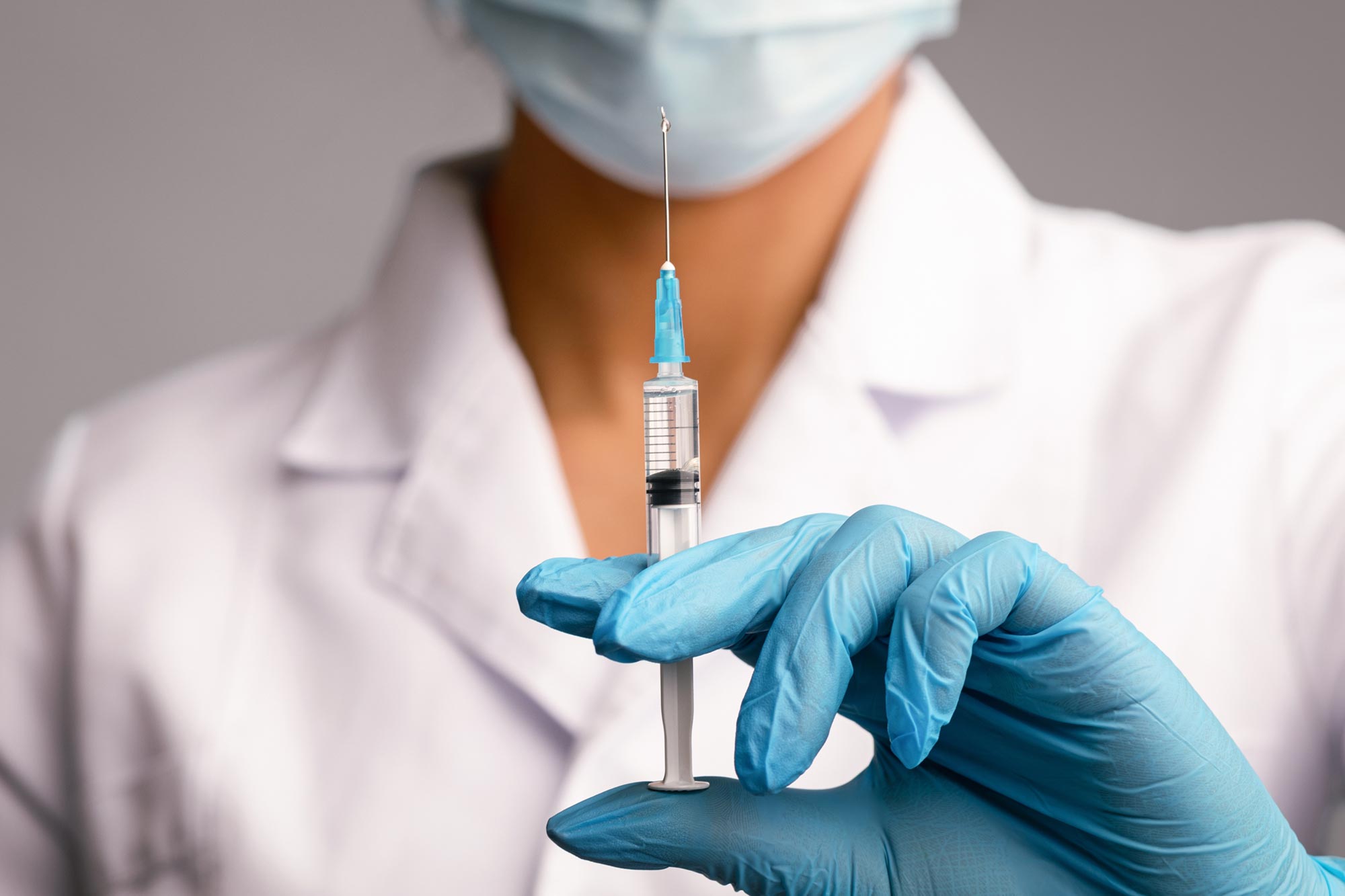
Researchers have found that the natural compound spermidine can help improve vaccine responses in older adults by reducing molecular markers of immune system aging.
A vaccine shot can look the same from one arm to the next, but the immune system beneath the skin may not respond with the same force. In older adults, that response can fade as immune cells accumulate damage, lose efficiency, and struggle to build strong protection after infection or vaccination.
This gradual weakening is called immunosenescence, meaning the aging of immune defenses. It is one reason older people face higher risks from infections and age-related illness, and it can also make vaccines less effective for some individuals.
Researchers led by Dr. Katja Simon, Group Leader of the Cell Biology of Immunity lab at the Max Delbrück Center, and Dr. Ghada Alsaleh, Associate Professor at the Nuffield Department of Orthopaedics, Rheumatology & Musculoskeletal Sciences of the University of Oxford (NDORMS), have shown in Aging Cell that a daily supplement of spermidine improved immune response to COVID-19 vaccination.
Spermidine is a natural molecule produced by the body. It is also present in foods including wheat germ, mushrooms, and some aged cheeses, such as parmesan and cheddar. Earlier research has linked spermidine to cellular housekeeping processes that tend to decline with age, including the removal and recycling of worn-out cell parts.
“Many older adults respond well to vaccines,” Alsaleh explains. “But some do not develop strong protection, even after repeated vaccination. Biological aging of immune cells may be one reason why this happens. Our findings suggest that spermidine could help restore aspects of immune function in this group.”
Other collaborators include researchers from the Oxford Vaccine Group, Drs. Paul Klenerman, Teresa Lambe, Lucy Jones, and Owen B. Spiller from Cardiff University.
Aging and weakened immunity
The COVID-19 pandemic made clear how strongly vaccines can reduce severe disease and death. Yet it also highlighted a difficult problem: older adults often generate weaker vaccine responses, including lower levels of protective antibodies and T-cells. Similar patterns have also been reported with influenza vaccines.
To test whether spermidine might help, Simon and her colleagues enrolled 40 healthy adults aged 65 and older. After receiving their third COVID-19 vaccination, participants took either six milligrams of spermidine each day or a placebo for 13 weeks.
The first clue came from the participants who responded poorly despite repeated vaccination. About one quarter produced very weak antibody responses even after three vaccine doses. Their immune cells also carried signs of biological aging, including more DNA damage and markers of cellular senescence, a state in which damaged or aging cells stop working properly and begin to build up.
Among vaccine non-responders who took spermidine, several measures of vaccine-induced immunity improved. They tended to have higher levels of antibodies against SARS-CoV-2 and stronger neutralizing activity against multiple viral variants, meaning their antibodies were better able to block the virus in tests.
The researchers also found that spermidine lowered markers of immunosenescence and stimulated autophagy, the cell’s recycling system. Autophagy works like internal cleanup, helping cells break down damaged parts and reuse useful materials so they can keep functioning.
The supplement appeared safe and well tolerated, with no adverse effects linked to the treatment.
“This study was designed as a pilot trial and involved a relatively small number of participants,” says Simon. “Larger studies will be needed to determine whether spermidine can consistently improve vaccine responses and whether similar effects are seen with other vaccines, such as those used against seasonal influenza.”
Reference: “Spermidine Mitigates Immune Cell Senescence and Boosts Vaccine Responses in Healthy Older Adults—A Pilot Study” by Ghada Alsaleh, Mohammad Ali, Amir Hossein Kayvanjoo, Feng Liu, Tanaïs Moreau, Sagida Bibi, Lin Luo, Melissa Govender, Miles Carroll, Sebastian J. Hofer, Eisenberg Tobias, Christoph Magnes, Loren Kell, Christopher Chung, Yu Deng, Aneesha Bhandari, Lucy C. Garner, Thomas Conrad, Liye Chen, Barbara Kronsteiner-Dobramysl, Susie Dunachie, Owen B. Spiller, Teresa Lambe, Paul Klenerman, Lucy C. Jones and A. Katharina Simon, 22 May 2026, Aging Cell.
DOI: 10.1111/acel.70545
Never miss a breakthrough: Join the SciTechDaily newsletter.
Follow us on Google and Google News.
1 Comment
An Interesting research, however, why at the start of the article it reads that the arms may seem to be the same but…., giving the impression that the different arms may respond differently to the effect of vaccination.