
Close Menu
    Facebook X (Twitter) Instagram
    SciTechDaily
    • Biology
    • Chemistry
    • Earth
    • Health
    • Physics
    • Science
    • Space
    • Technology
    Facebook X (Twitter) Pinterest YouTube RSS
    SciTechDaily
    Home»Biology»Nature’s Neighborhood Surprise: 1,000+ Wildlife Species Under Our Noses
    Biology

    Nature’s Neighborhood Surprise: 1,000+ Wildlife Species Under Our Noses

    By University of QueenslandJanuary 4, 2024No Comments4 Mins Read
    Facebook Twitter Pinterest Telegram LinkedIn WhatsApp Email Reddit
    Share
    Facebook Twitter LinkedIn Pinterest Telegram Email Reddit
    Backyard Wildlife Diversity Art Concept
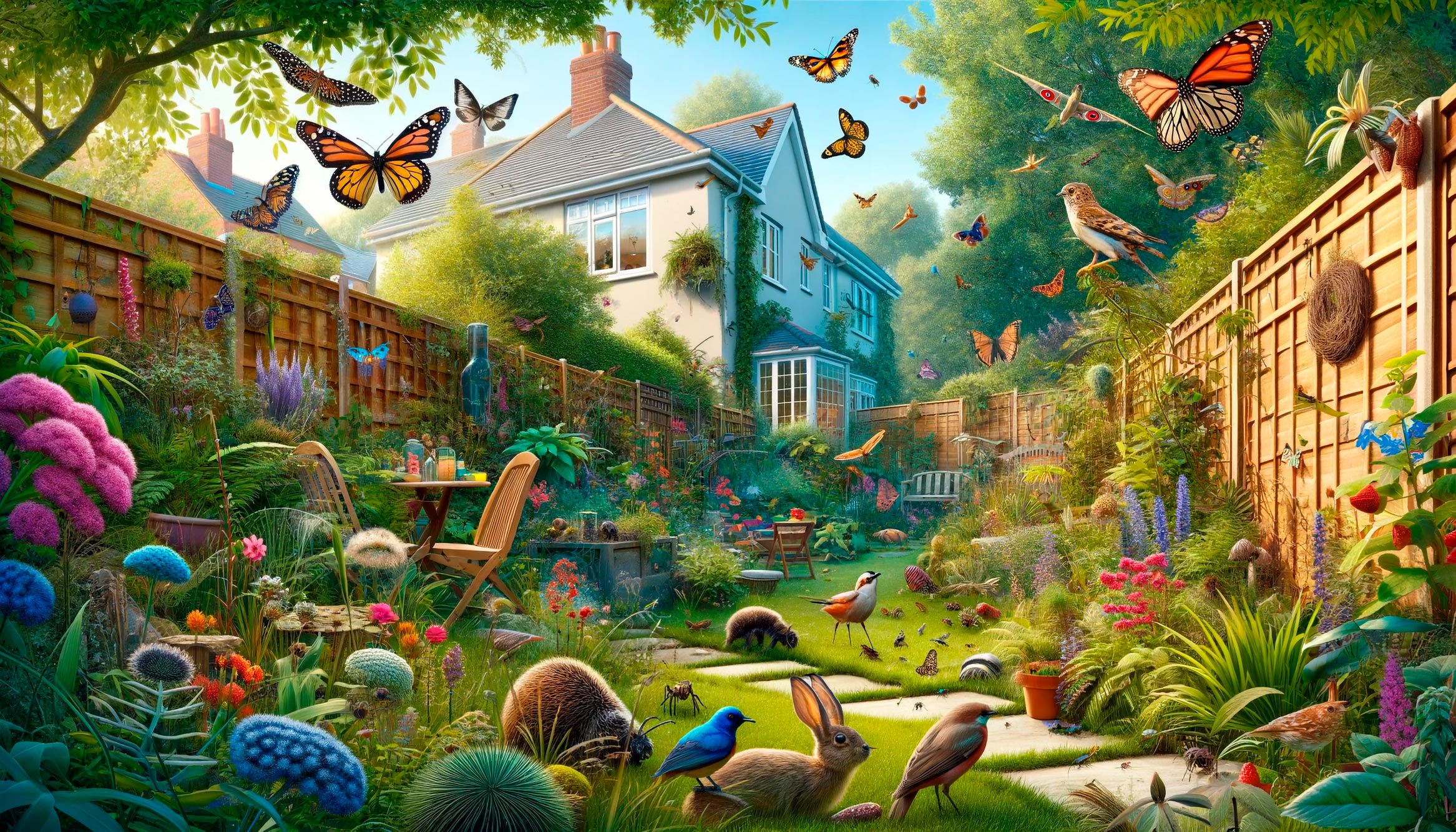
    A team of University of Queensland scientists conducted a biodiversity survey in their Annerley share house, uncovering 1,150 unique species. This finding significantly exceeded the expected 200 species, revealing a high level of biodiversity in urban environments. The study showcased a variety of species from insects to birds and highlighted the importance of how urban homes and gardens are maintained for fostering biodiversity. Credit: SciTechDaily.com

    University of Queensland scientists discovered an unexpected biodiversity of 1,150 species in their urban backyard during the 2020 lockdown, challenging perceptions of urban wildlife and highlighting the ecological value of residential areas.

    A challenge among three housemates to identify species around their inner-Brisbane home has resulted in an academic research paper, showcasing the rich biodiversity in urban landscapes.

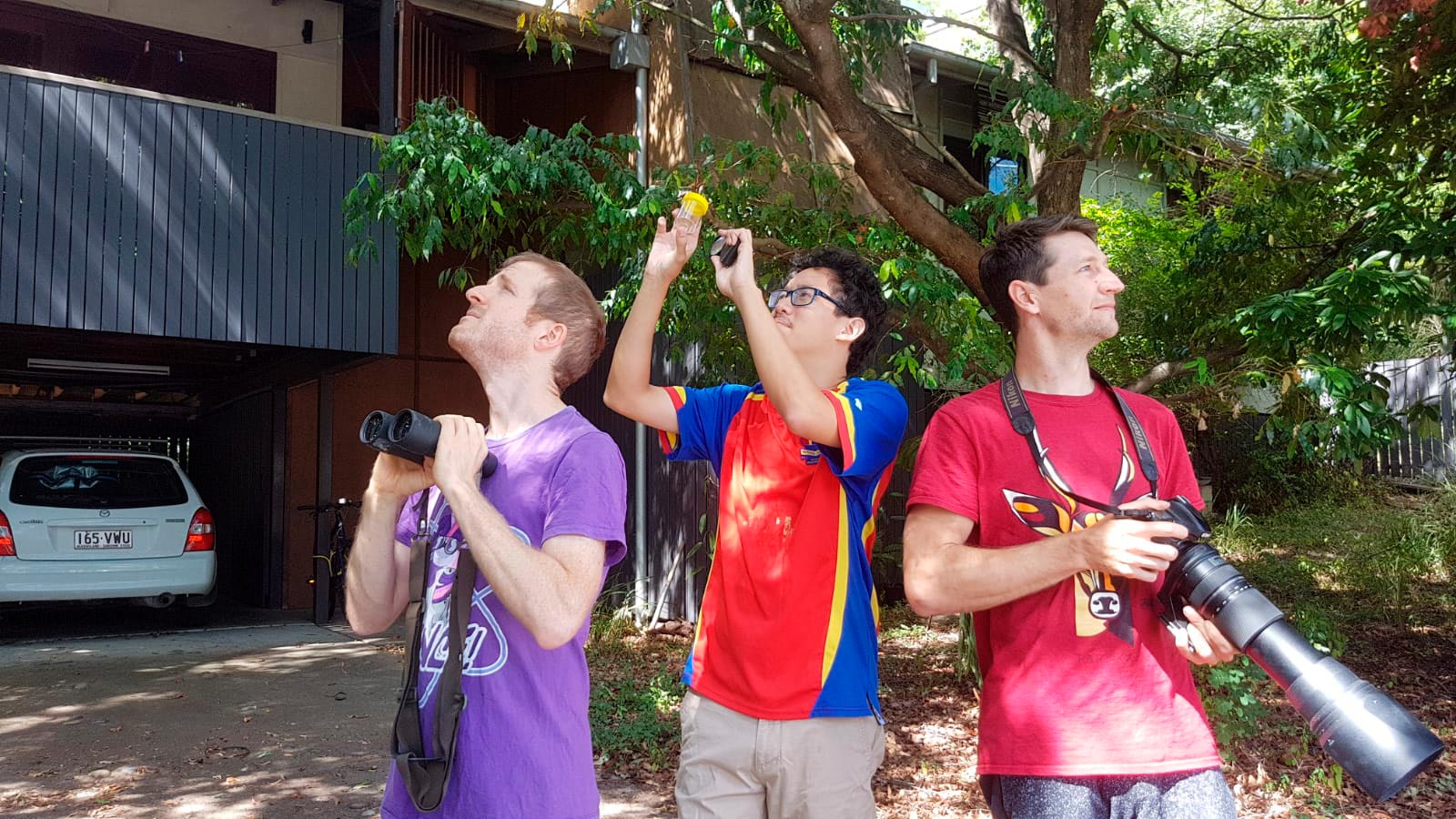
    UQ mathematician Dr. Matt Holden, ecologist Dr. Andrew Rogers and taxonomist Dr. Russell Yong took a census of their Annerley share house and its backyard during the COVID-19 lockdowns in 2020, and discovered 1,150 unique species of animals, plants, and fungi over a 12-month period.

    Unexpected Biodiversity

    “We asked a large number of ecologists and conservation scientists how many species they’d expect to find in this setting and they predicted only 200,” Dr. Holden said.

    “But after 60 days of surveying, we’d already discovered 777 species.

    “It shows suburban houses and apartments could have far more biodiversity than ever imagined, especially when it comes to insects.”

    The idea of the species count was born when Dr. Rogers went to vacuum cobwebs in his room and wondered how many spiders were on the property.
    Matthew Holden, Russell Yong, and Andrew Rogers
    (L-R) Dr. Matthew Holden, Dr. Russell Yong, and Dr. Andrew Rogers have been getting closely acquainted with their household’s wildlife. Credit: The University of Queensland

    “The three of us soon envisioned a plan to comb through the house and backyard in search of other critters that resided alongside us,” Dr. Holden said.

    The survey revealed richly biodiverse creatures including 436 moth and butterfly species, 56 different spiders, eight reptiles, and 56 birds.

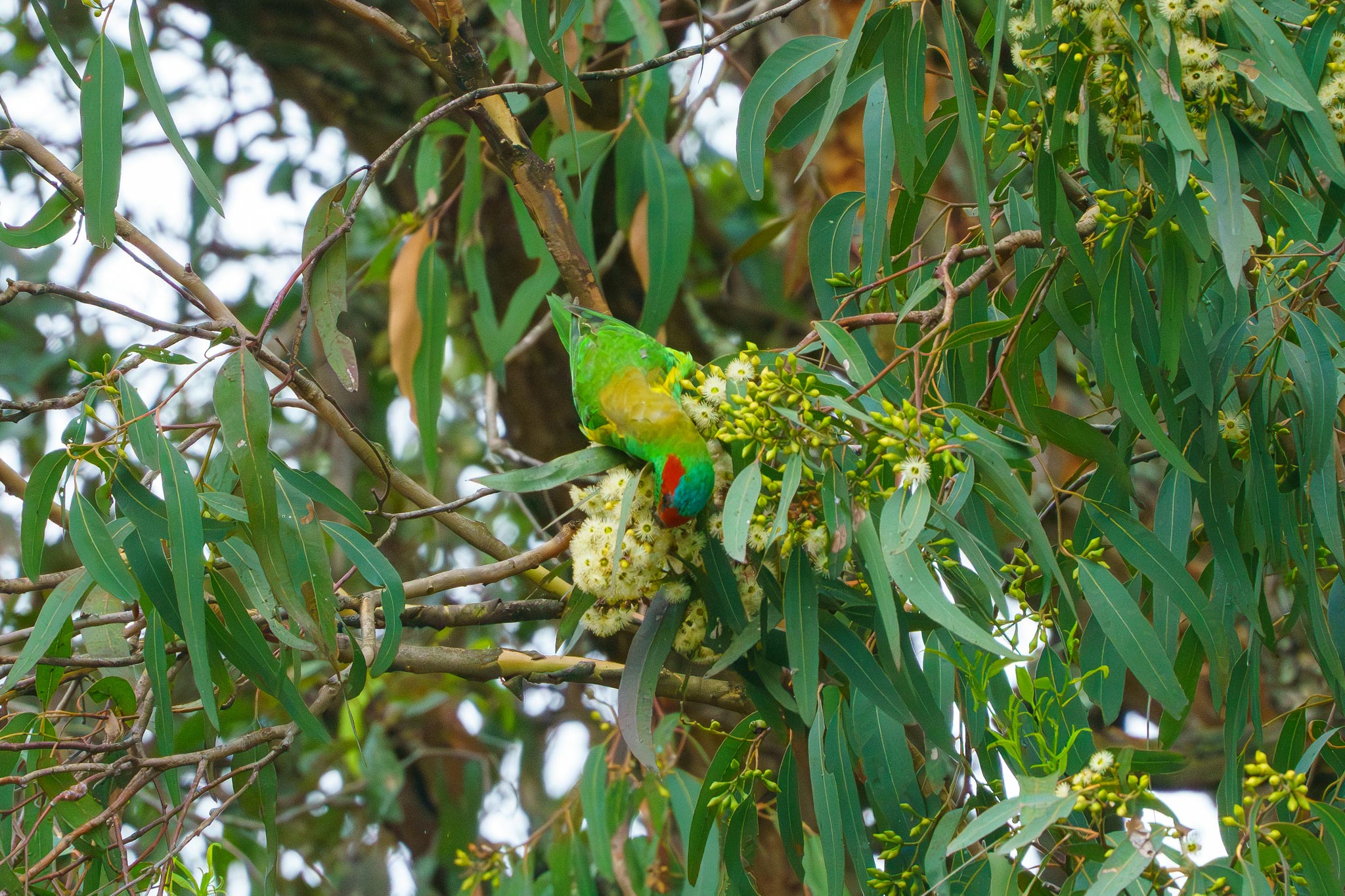
    The bird species included tawny frogmouths, laughing kookaburras, blue-faced honeyeaters, rainbow lorikeets, spotted doves, and Brisbane favorite, the Australian white ibis.

    “Blue-tongued skinks hibernated under the garage and at night blue-banded and teddy-bear bees slept in the hedges under the front window,” Dr. Holden said.

    Surprising Discoveries

    The researchers were also surprised to discover three species not previously recorded in Australia’s leading biodiversity database, Atlas of Living Australia – a mosquito, a sandfly, and an invasive flatworm, Platydemus manokwari, which is responsible for native snail population declines, around the world.
    Musk Lorikeet
    Musk lorikeet. Credit: Jim Churches

    “The house was a complex ecosystem of species interacting – we stumbled upon the moth Scatochresis innumera, which as a caterpillar spends its whole time feeding inside the dung of a Brushtail Possum before emerging as an adult,” Dr. Holden said.

    “The Parilyrgis concolor is another moth species whose caterpillar lives in spider webs and devours spider poop to survive.”

    Urban Ecosystems and Biodiversity

    Dr. Holden said homes across all urban areas could play host to similar biodiversity.

    “It depends on how people tend to their homes and gardens – keeping low maintenance trees and shrubs and eliminating manicured lawns and pesticides will significantly boost the number of critters found,” he said.

    “You don’t have to go traveling to connect with Australia’s diverse range of species, just look in your own backyard.”

    The research is published in Ecology.

    Reference: “The house of a thousand species: The untapped potential of comprehensive biodiversity censuses of urban properties” by Andrew M. Rogers, Russell Q.-Y. Yong and Matthew H. Holden, 1 December 2023, Ecology.
    DOI: 10.1002/ecy.4225

    Never miss a breakthrough: Join the SciTechDaily newsletter.
    Follow us on Google and Google News.

    Biodiversity Birds Ecology Invasive Species Popular University of Queensland
    Share. Facebook Twitter Pinterest LinkedIn Email Reddit

    Related Articles

    Humans Have Erased 3 Billion Years of Evolution – and It’s Getting Worse

    Uninvited Guests: How Asian Honeybees Are Defying Evolutionary Expectations in Australia

    “Alien” Species of Predatory Hammerhead Worms Identified in Europe and Africa

    From Avocet to Zebra Finch: Study Finds There Are More Than 50 Billion Birds in the World

    Map of Life Will Need to Be Redrawn and Textbooks Updated After Highly Surprising Discovery on Christmas Island

    Scientists Say Global Plan to Protect Endangered Species Has Major Flaw

    New Snail Discovered by Citizen Scientists Named After Greta Thunberg

    Obama Nungara – An Invasive Flatworm From Argentina – Invades France and Europe

    New Study of Species That Mate for Life Shows How Investing in Love and Affection Pays Off

    Leave A Reply Cancel Reply

    • Facebook
    • Twitter
    • Pinterest
    • YouTube

    Don't Miss a Discovery

    Subscribe for the Latest in Science & Tech!

    Trending News

    The Universe Is Expanding Too Fast and Scientists Can’t Explain Why

    “Like Liquid Metal”: Scientists Create Strange Shape-Shifting Material

    Early Warning Signals of Esophageal Cancer May Be Hiding in Plain Sight

    Common Blood Pressure Drug Shows Surprising Power Against Deadly Antibiotic-Resistant Superbug

    Scientists Uncover Dangerous Connection Between Serotonin and Heart Valve Disease

    Scientists Discover a “Protector” Protein That Could Help Reverse Hair Loss

    Bone-Strengthening Discovery Could Reverse Osteoporosis

    Scientists Uncover Hidden Trigger Behind Stem Cell Aging

    Follow SciTechDaily
    • Facebook
    • Twitter
    • YouTube
    • Pinterest
    • Newsletter
    • RSS
    SciTech News
    • Biology News
    • Chemistry News
    • Earth News
    • Health News
    • Physics News
    • Science News
    • Space News
    • Technology News
    Recent Posts
    • A Common Diabetes Drug May Hold the Key to Stopping HIV From Coming Back
    • Ancient “Syphilis-Like” Disease in Vietnam Challenges Key Scientific Assumptions
    • Drinking Alcohol To Cope in Your 20s Could Damage Your Brain for Life
    • Scientists Crack Alfalfa’s Chromosome Mystery After Decades of Debate
    • Ancient Ant-Plant Alliance Collapses As Predatory Wasps Move In
    Copyright © 1998 - 2026 SciTechDaily. All Rights Reserved.
    • Science News
    • About
    • Contact
    • Editorial Board
    • Privacy Policy
    • Terms of Use

    Type above and press Enter to search. Press Esc to cancel.