
Close Menu
    Facebook X (Twitter) Instagram
    SciTechDaily
    • Biology
    • Chemistry
    • Earth
    • Health
    • Physics
    • Science
    • Space
    • Technology
    Facebook X (Twitter) Pinterest YouTube RSS
    SciTechDaily
    Home»Biology»New Blood-Red Species of Octocoral Discovered in Panama
    Biology

    New Blood-Red Species of Octocoral Discovered in Panama

    By Beth King, Smithsonian Tropical Research InstituteSeptember 15, 2018No Comments3 Mins Read
    Facebook Twitter Pinterest Telegram LinkedIn WhatsApp Email Reddit
    Share
    Facebook Twitter LinkedIn Pinterest Telegram Email Reddit
    New Soft Coral Species Discovered in Panama
    DeepSea submersible collects coral sample. Image provided by Héctor Guzmán

    A study in the journal Bulletin of Marine Science describes a new, blood-red species of octocoral found in Panama. The species in the genus Thesea was discovered in the threatened low-light reef environment on Hannibal Bank, 60 kilometers off mainland Pacific Panama, by researchers at the Smithsonian Tropical Research Institute in Panama (STRI) and the Centro de Investigación en Ciencias del Mar y Limnología (CIMAR) at the University of Costa Rica.

    Scientists established the new species, Thesea dalioi, by comparing its physical traits, such as branch thickness and the bright red colony color, with the only other species in the genus in the eastern Pacific, T. variabilis.

    T. dalioi is named for Ray Dalio, a supporter of marine exploration. Its name is intended to recognize Dalio’s valuable contributions to marine research and public outreach.

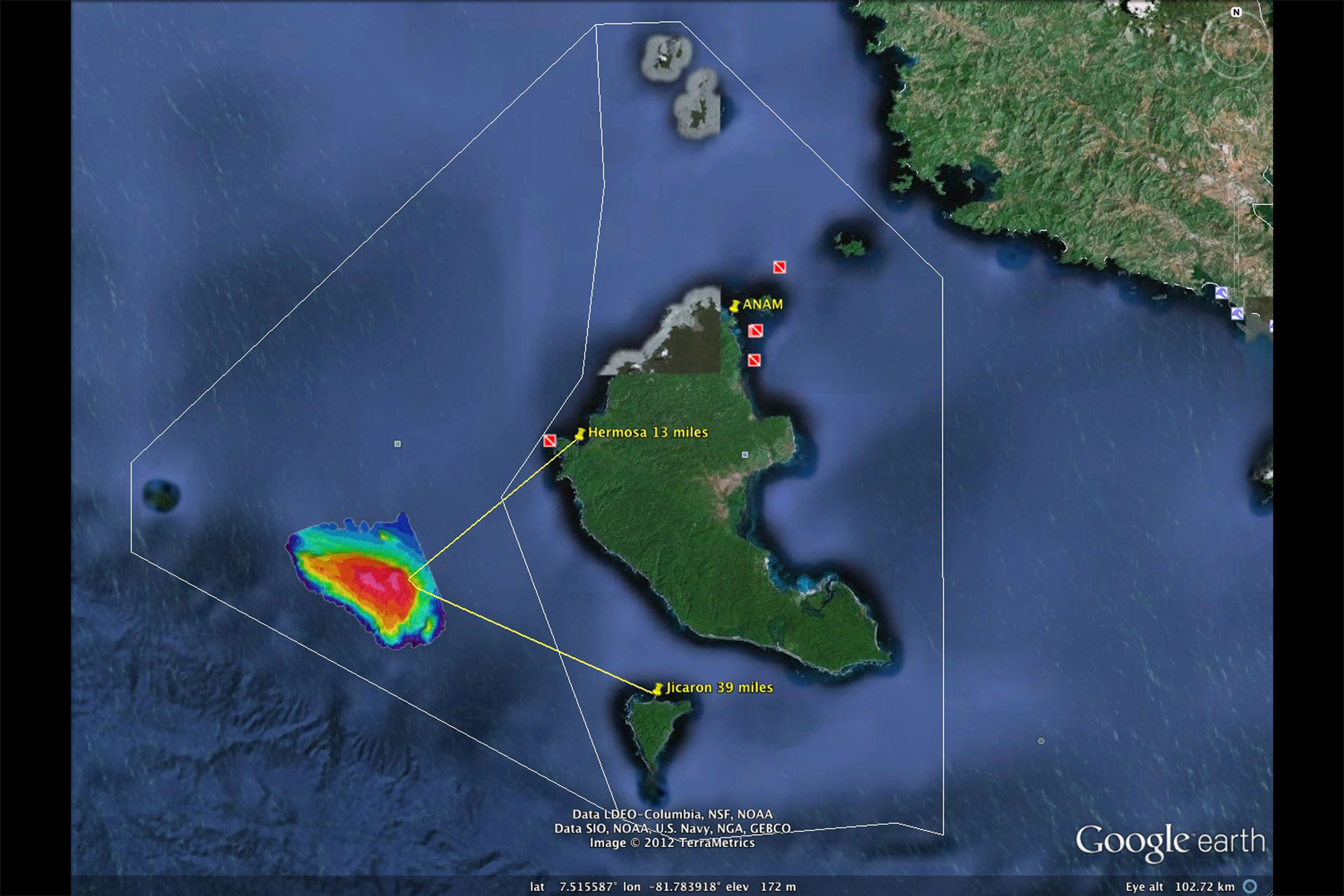
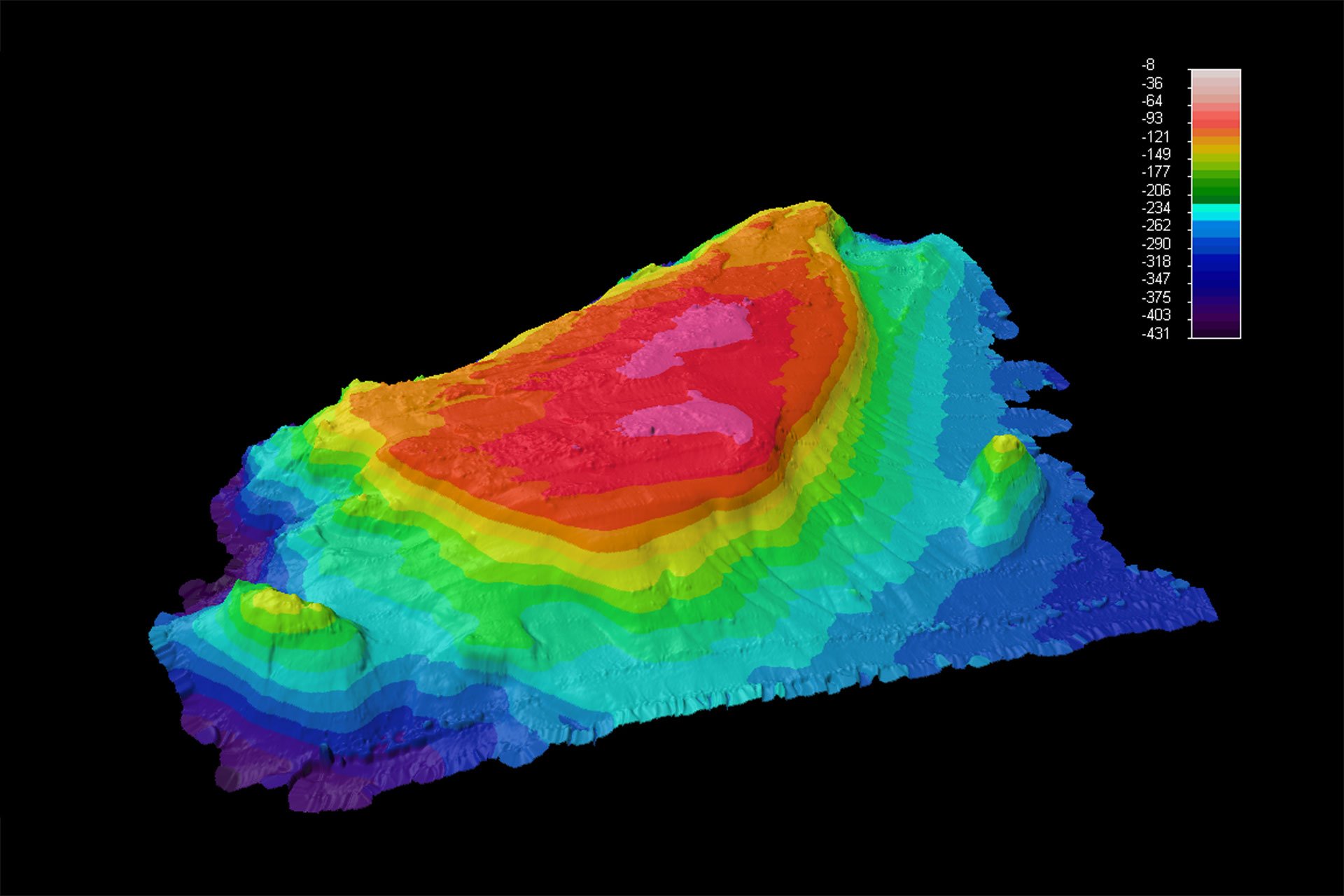
    Hannibal Bank, part of the Coiba National Park and a UNESCO World Heritage Site, is a coastal seamount and a biodiversity hot spot that has only been explored recently.
    New Coral Species
    A large seamount rising from the ocean floor, Hannibal Bank is located west of Coiba and Jicaron Islands in Panama. Google Earth image of Hannibal Bank provided by Héctor Guzmán

    “After just two expeditions using submersibles down to 300 meters, we have identified 17 species of octocorals for the Hannibal Bank, including the discovery and description of three new species,” said Hector M. Guzman, marine ecologist at STRI and one of the authors of the study.

    Light-dependent coral and algae, as well as other life forms found in low-light environments, live on mesophotic reefs: meso means middle, and photic means light.

    These reefs, such as the one where T. dalioi was found, are considered fragile habitats with a high diversity of corals, algae, and sponges. They are also generally neglected in most environmental and conservation policies because they are difficult to reach. Hannibal Bank is one of the spots requiring more attention for its protection.

    “The present study should provide the basis for further research on the genus and contributes to the diversity and distribution knowledge of octocorals from the mesophotic zone in the eastern Pacific Ocean,” said Odalisca Breedy, marine biologist at CIMAR and one of the authors of the study.

    “Medical researchers have identified therapeutic benefits derived from both soft and hard corals such as anti-inflammatory and anti-cancer properties, bone repair, and neurological benefits,” said Guzman. “But our ability to contribute to the understanding of soft corals and their habitats, depends not only on steady funding for the use of submersibles, but also on our continued ability to obtain permission to work in Coiba National Park.”
    New Soft Coral Species Discovered
    A large seamount rising from the ocean floor, Hannibal Bank is located west of Coiba and Jicaron Islands in Panama. 3D image of Hannibal Bank, Panama provided by Héctor Guzmán

    Reference: “A new alcyonacean species (Cnidaria: Anthozoa: Octocorallia) from a seamount in the tropical Pacific Ocean” by Breedy, O. and Guzman, H. M., Bulletin of Marine Science.
    DOI: 10.5343/bms.2018.0027

    Never miss a breakthrough: Join the SciTechDaily newsletter.
    Follow us on Google and Google News.

    Coral Reefs Marine Biology Oceanography Smithsonian Tropical Research Institute
    Share. Facebook Twitter Pinterest LinkedIn Email Reddit

    Related Articles

    Resilience to Climate Change: Corals Carefully Organize Proteins to Form Rock-Hard Skeletons

    Abundance of Life on Coral Reefs Has Been Puzzling Since Charles Darwin’s Day – New Research Provides Answers

    Huge International Effort: Forty Years of Coral Spawning Captured in One Place for the First Time

    Scientists Surprised by Growth Rates in World’s Deepest Photosynthetic Corals

    Cyclones Can Damage Distant Coral Reefs 1000 Km Away – 10x Further Than Conventional Modeling

    Growth Rates of Deep-Sea Coral Communities Revealed for the First Time

    New Deep-Water Coral Discovered in Part of Unexplored Marine Ecosystem

    Biologists Explore the Effect of Coral Restoration on Caribbean Reef Fish Communities

    Three New Species of Zoantharians Discovered Across the Indo-Pacific

    Leave A Reply Cancel Reply

    • Facebook
    • Twitter
    • Pinterest
    • YouTube

    Don't Miss a Discovery

    Subscribe for the Latest in Science & Tech!

    Trending News

    Scientists Just Discovered a Hidden Freshwater World Beneath the Great Salt Lake

    Why Your Daily Shower Could Be Worsening the Water Crisis

    Scientists Discover New “Magic Mushroom” Species That Rewrites Evolutionary History

    Mystery Deepens: Astrophysicists Say Dark Matter May Not Be One Thing

    Your BMI Might Be Wrong: Study Finds Millions Are Misclassified

    A Simple Blood Test Could Predict Dementia Risk 25 Years Early

    3.5-Billion-Year-Old Rocks Rewrite the Story of Plate Tectonics

    Why Aging Lungs Turn Mild Infections Into Life-Threatening Illness

    Follow SciTechDaily
    • Facebook
    • Twitter
    • YouTube
    • Pinterest
    • Newsletter
    • RSS
    SciTech News
    • Biology News
    • Chemistry News
    • Earth News
    • Health News
    • Physics News
    • Science News
    • Space News
    • Technology News
    Recent Posts
    • Scientists Discover How to Stop Vision Loss Before It Starts
    • Antarctica’s Ancient Ice Cycles Once Controlled Life in Distant Oceans
    • Warming Waters Are Supercharging an Invasive Predator in Alaska
    • The Mediterranean Isn’t Safe: Scientists Warn of Inevitable Tsunami
    • This Deadly Parasite Stays Invisible by Shredding Its Own Genes
    Copyright © 1998 - 2026 SciTechDaily. All Rights Reserved.
    • Science News
    • About
    • Contact
    • Editorial Board
    • Privacy Policy
    • Terms of Use

    Type above and press Enter to search. Press Esc to cancel.