
Close Menu
    Facebook X (Twitter) Instagram
    SciTechDaily
    • Biology
    • Chemistry
    • Earth
    • Health
    • Physics
    • Science
    • Space
    • Technology
    Facebook X (Twitter) Pinterest YouTube RSS
    SciTechDaily
    Home»Biology»Ancestors of Whale Sharks in Panama May Come From Distant Waters Around the World
    Biology

    Ancestors of Whale Sharks in Panama May Come From Distant Waters Around the World

    By Smithsonian Tropical Research InstituteNovember 1, 20211 Comment3 Mins Read
    Facebook Twitter Pinterest Telegram LinkedIn WhatsApp Email Reddit
    Share
    Facebook Twitter LinkedIn Pinterest Telegram Email Reddit
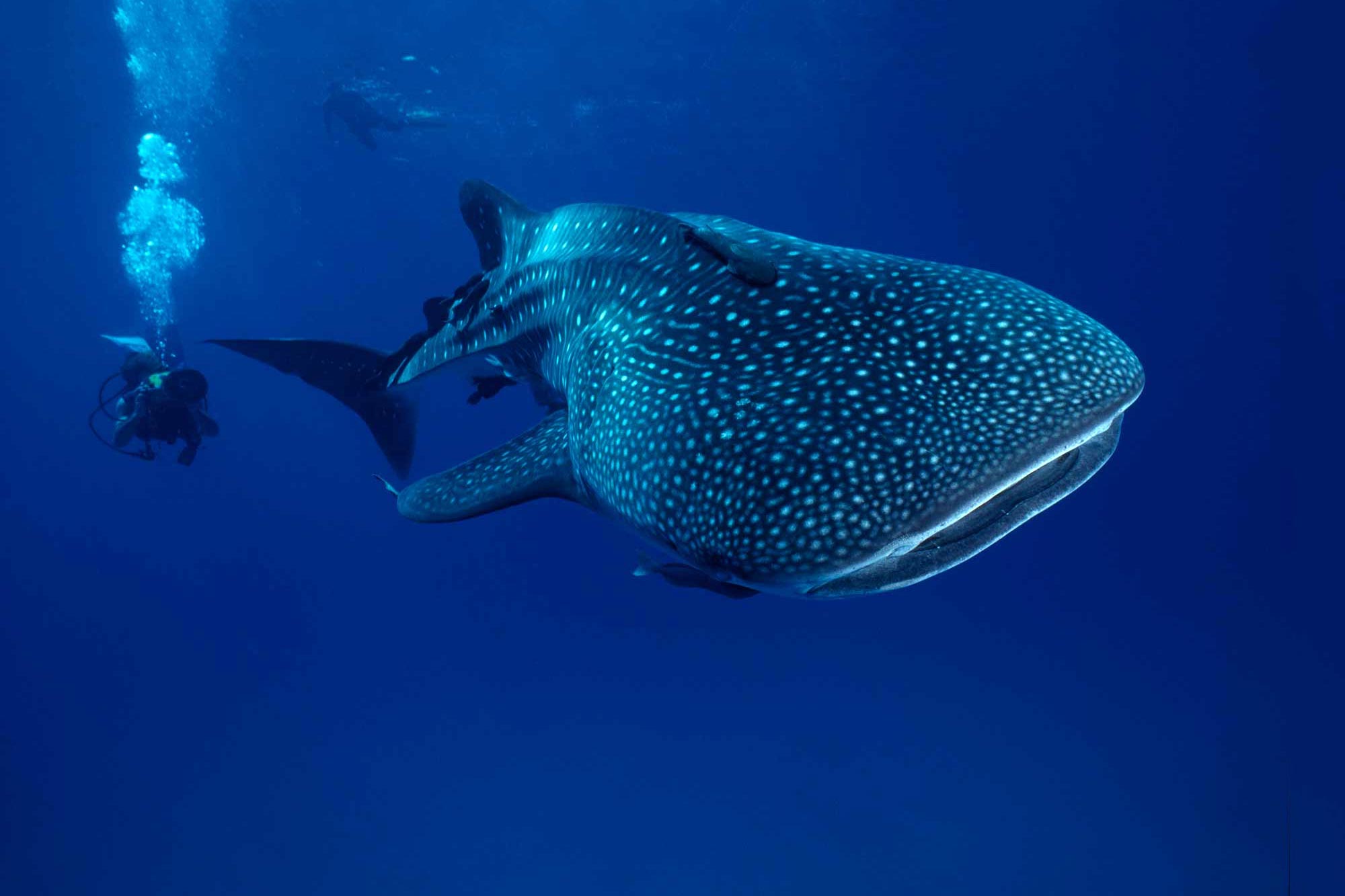
    Whale Shark Scuba Divers
    Whale Shark

    Panama’s whale sharks show genetic links to populations as far as the Arabian Gulf, pointing to vast migrations and global conservation challenges.

    The world’s largest fish, the whale shark (Rhincodon typus), is a plankton-loving giant that can be found alone or in groups in all tropical oceans. However, despite being a highly migratory species, little is known about how the different populations worldwide interact with each other. This lack of knowledge hinders conservation efforts aimed at protecting this endangered animal. Héctor Guzmán, a marine biologist at the Smithsonian Tropical Research Institute, alongside Caitlin Beaver of the U.S. Geological Survey and Edgardo Díaz-Ferguson of Coiba Scientific Station, set out to start bridging this knowledge gap.

    By snorkeling around Coiba National Park and in the Gulf of Chiriquí, in Pacific Panama, Guzmán collected tissue samples from 21 solitary sharks. The team conducted genetic analyses on them and found out that they were highly diverse, with similarities to populations of whale sharks found in the Arabian Gulf, Western Indian Ocean, Mexico, and the Gulf of California.
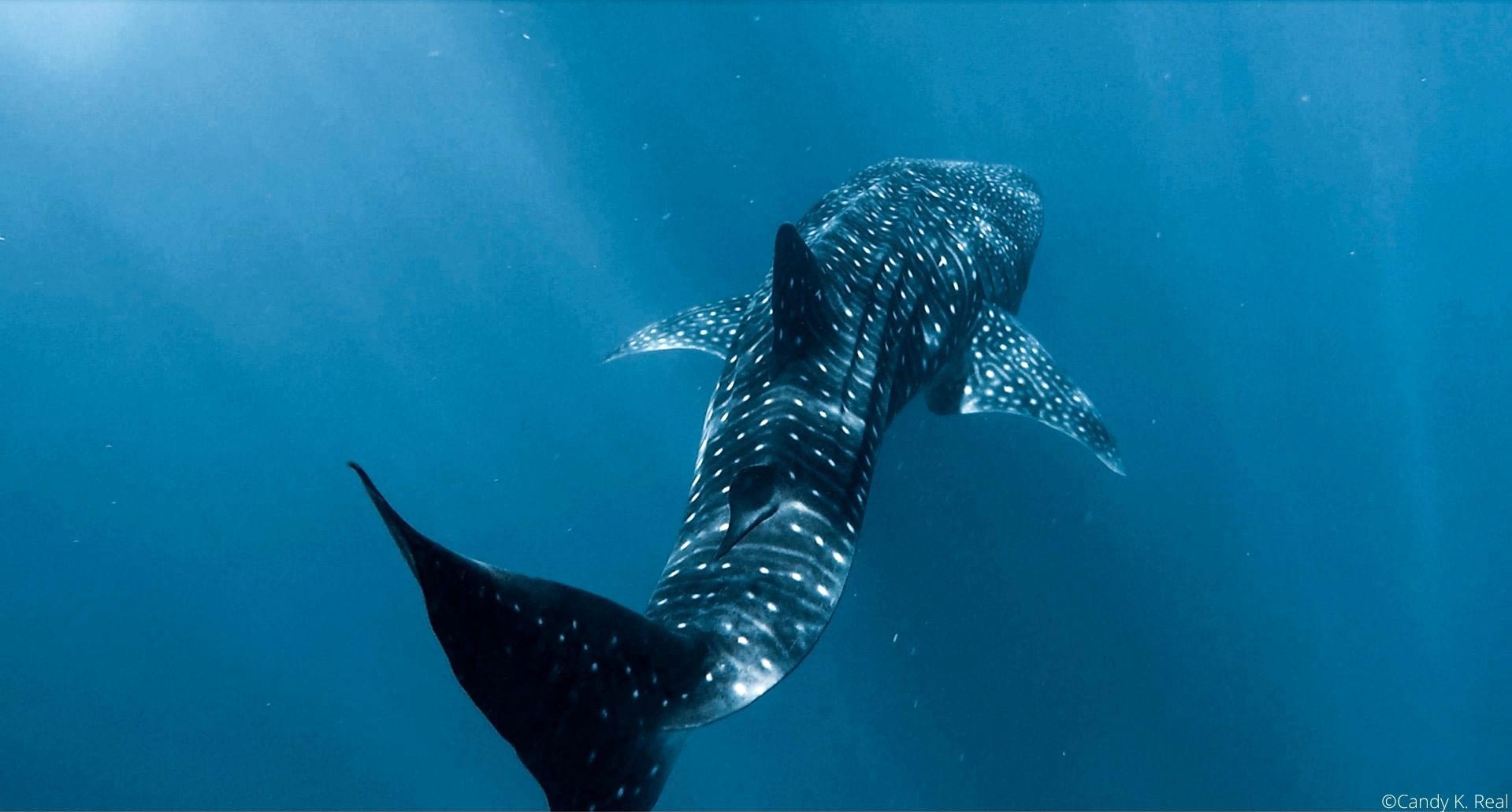
    Whale Shark Smithsonian Tropical Research Institute
    Due to the long distances traveled by whale sharks, transboundary measures may be more effective for the conservation of this endangered species. Credit: Candy K. Real

    DNA Reveals Global Connectivity

    These results, which were published in Frontiers in Marine Science, suggest that whale sharks can travel over long distances and that transboundary conservation measures such as marine corridors may be effective for species conservation.

    “Imagine Qatar: a possible journey of more than 27,000 kilometers from Panama for this species,” said Guzman. “This observed connectivity amazed us, revealing a real political challenge for the protection and conservation of whale sharks. It seems no longer a local or regional concern, but a global issue.”

    Despite its small sample size, this study serves as a baseline for understanding the genetic diversity and population connectivity of this species, whose numbers have declined by half over the last forty years according to the International Union for the Conservation of Nature (IUCN). This type of data is necessary for deciphering the migration patterns of whale sharks, which are difficult to observe directly over the long term.  

     “With this publication we contribute to unravel migration and genetic connectivity patterns of transient whale sharks, evidencing the importance of Pacific Panama as a key area for connectivity of the species,” said Diaz-Ferguson.

    Reference: “Novel Insights Into the Genetic Population Connectivity of Transient Whale Sharks (Rhincodon typus) in Pacific Panama Provide Crucial Data for Conservation Efforts” by Héctor M. Guzmán, Caitlin E. Beaver and Edgardo Díaz-Ferguson, 22 October 2021, Frontiers in Marine Science.
    DOI: 10.3389/fmars.2021.744109

    This research was partially funded by the MarViva Foundation (Panama), the International Community Foundation-CANDEO, the Secretaria Nacional de Ciencia, Tecnología e Innovación de Panamá, and the Research Opportunity Fund of the Smithsonian Tropical Research Institute.

    The Smithsonian Tropical Research Institute, headquartered in Panama City, Panama, is part of the Smithsonian Institution. The institute furthers the understanding of tropical nature and its importance to human welfare, trains students to conduct research in the tropics and promotes conservation by increasing public awareness of the beauty and importance of tropical ecosystems.

    Never miss a breakthrough: Join the SciTechDaily newsletter.
    Follow us on Google and Google News.

    Conservation Fish Genetics Marine Biology Sharks Smithsonian Tropical Research Institute
    Share. Facebook Twitter Pinterest LinkedIn Email Reddit

    Related Articles

    Win-Win: LED Lighted Nets Dramatically Reduce Bycatch of Wildlife While Making Fishing More Efficient

    Angels in Disguise: Angelfish Produce Hybrid Offspring More Than Any Other Coral Reef Species

    Protecting a Nearly Endangered Species: Tracking Hammerhead Sharks Reveals Conservation Targets

    Unexpected Discovery of a 410-Million-Year-Old Fossil Forces Rethink of Shark Evolution

    Sexual Parasitism: Deep-Sea Anglerfish Evolved a New Type of Immune System to Physically Fuse With Their Mates

    Fighting Fish Synchronize Their Combat Moves and Gene Expression Leading to Tightly Meshed Battles

    Sturgeon “Methuselah Fish” Genome Sequenced – Important Piece of Evolutionary Puzzle

    Bad News for Nemo: Species Can’t Adapt to Rapid Environmental Changes

    Six-Year Whale Shark Study Offers New Behavior and Conservation Insights [Video]

    1 Comment

    1. semy on November 1, 2021 12:29 pm

      https://rumble.com/vokkx1-shark-warns-a-reckless-scuba-diver..html

      Reply
    Leave A Reply Cancel Reply

    • Facebook
    • Twitter
    • Pinterest
    • YouTube

    Don't Miss a Discovery

    Subscribe for the Latest in Science & Tech!

    Trending News

    New Study Reveals Why Ozempic Works Better for Some People Than Others

    Climate Change Is Altering a Key Greenhouse Gas in a Way Scientists Didn’t Expect

    New Study Suggests Gravitational Waves May Have Created Dark Matter

    Scientists Discover Why the Brain Gets Stuck in Schizophrenia

    Scientists Engineer “Tumor-Eating” Bacteria That Devour Cancer From Within

    Even “Failed” Diets May Deliver Long-Term Health Gains, Study Finds

    NIH Scientists Discover Powerful New Opioid That Relieves Pain Without Dangerous Side Effects

    Collapsing Plasma May Hold the Key to Cosmic Magnetism

    Follow SciTechDaily
    • Facebook
    • Twitter
    • YouTube
    • Pinterest
    • Newsletter
    • RSS
    SciTech News
    • Biology News
    • Chemistry News
    • Earth News
    • Health News
    • Physics News
    • Science News
    • Space News
    • Technology News
    Recent Posts
    • The Surprising Reason You Might Want To Sleep Without a Pillow
    • Household Cats Could Hold the Secret to Fighting Breast Cancer
    • Scientists Say This Natural Hormone Reverses Obesity by Targeting the Brain
    • This 15,000-Year-Old Discovery Changes What We Know About Early Human Creativity
    • 35-Million-Year-Old Mystery: Strange Arachnid Discovered Preserved in Amber
    Copyright © 1998 - 2026 SciTechDaily. All Rights Reserved.
    • Science News
    • About
    • Contact
    • Editorial Board
    • Privacy Policy
    • Terms of Use

    Type above and press Enter to search. Press Esc to cancel.