
Close Menu
    Facebook X (Twitter) Instagram
    SciTechDaily
    • Biology
    • Chemistry
    • Earth
    • Health
    • Physics
    • Science
    • Space
    • Technology
    Facebook X (Twitter) Pinterest YouTube RSS
    SciTechDaily
    Home»Biology»New Clues to the First Life on Earth – Researchers Uncover 3.42 Billion-Year-Old Microbial Mysteries
    Biology

    New Clues to the First Life on Earth – Researchers Uncover 3.42 Billion-Year-Old Microbial Mysteries

    By University of GöttingenFebruary 9, 2024No Comments3 Mins Read
    Facebook Twitter Pinterest Telegram LinkedIn WhatsApp Email Reddit
    Share
    Facebook Twitter LinkedIn Pinterest Telegram Email Reddit
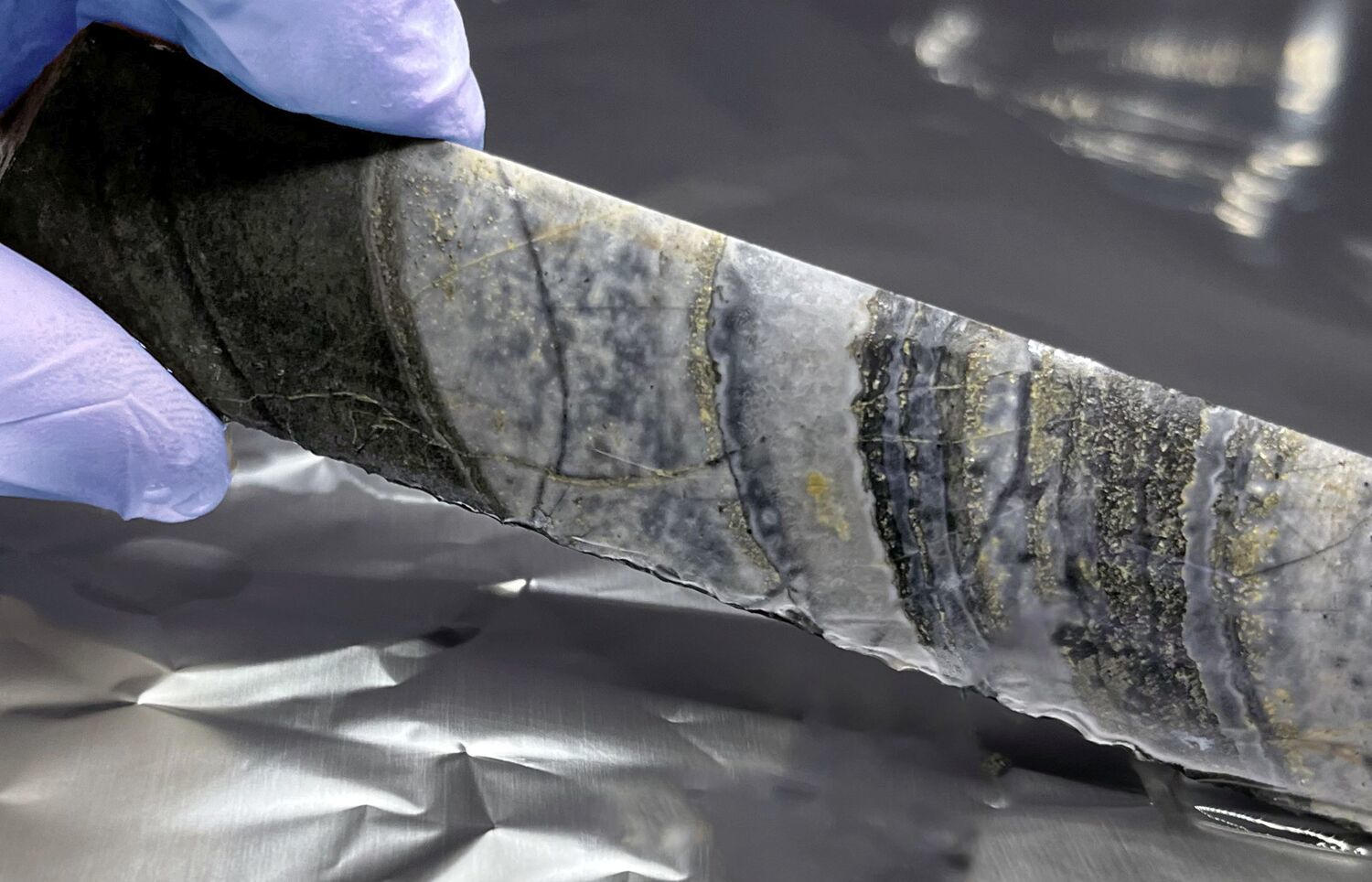
    A Drill Core Sample From the Barberton Greenstone Belt
    A drill core sample from the Barberton greenstone belt used in the study. The dark layers contain particles of carbonaceous matter, the altered remains from Palaeoarchaean microorganisms. Credit: Manuel Reinhardt

    The research team has discovered complex microbial communities in ecosystems dating back over 3 billion years.

    Microorganisms are believed to be Earth’s earliest life forms, with evidence embedded in rocks that are 3.5 billion years old. These rocks contain geochemical and morphological markers, like specific chemical compounds and structures, that these ancient organisms left behind.

    However, it is still not clear when and where life originated on Earth and when a diversity of species developed in these early microbial communities. Evidence is scarce and often disputed.

    Now, researchers led by the University of Göttingen and Linnӕus University in Sweden have uncovered key findings about the earliest forms of life. In rock samples from South Africa, they found evidence dating to around 3.42 billion years ago of an unprecedentedly diverse carbon cycle involving various microorganisms. This research shows that complex microbial communities already existed in the ecosystems during the Palaeoarchaean period. The results were published in the journal Precambrian Research.

    Uncovering the Past: Advanced Research Techniques

    The researchers analyzed well-preserved particles of carbonaceous matter – the altered remains of living organisms – and the corresponding rock layers from samples of the Barberton greenstone belt, a mountain range in South Africa whose rocks are among the oldest on the Earth’s surface. The scientists combined macro and micro analyses to clearly identify original biological traces and distinguish them from later contamination.
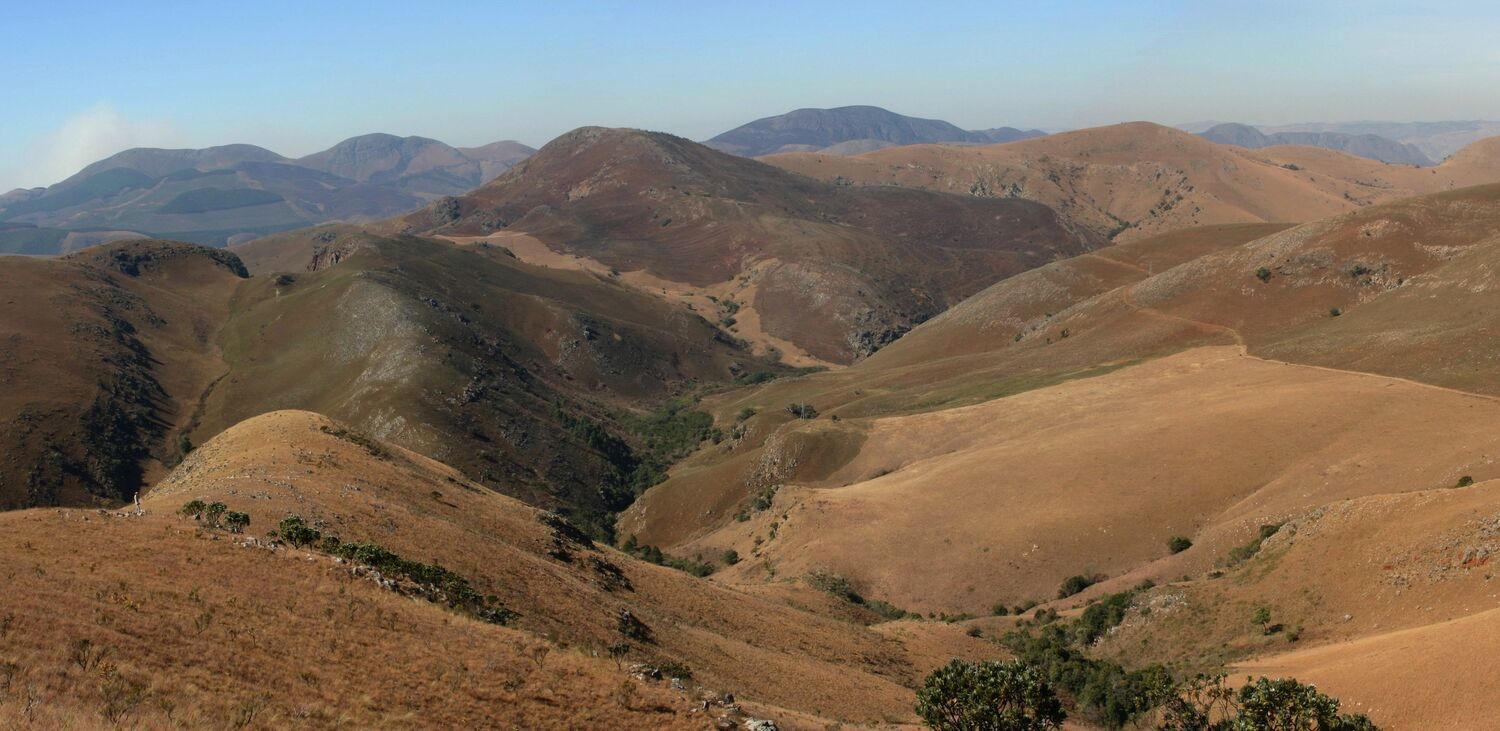
    Mountainous Region of the Barberton Greenstone Belt in South Africa
    The mountainous region of the Barberton greenstone belt in South Africa. Credit: Axel Hofmann

    They identified geochemical “fingerprints” of various microorganisms, including those that must have used sunlight for energy, metabolized sulfate, and probably also produced methane. The researchers determined the respective role of the microorganisms in the carbon cycle of the ecosystem at the time by combining geochemical data with findings on the texture of the rocks obtained from thin-section analysis with a microscope.

    “By discovering carbonaceous matter in primary pyrite crystals and analyzing carbon and sulfur isotopes in these materials, we were able to distinguish individual microbial metabolic processes,” explains the senior author of the study, Dr Henrik Drake from Linnӕus University.

    First author Dr Manuel Reinhardt, from Göttingen University’s Geosciences Centre, adds: “We didn’t expect to find traces of so many microbial metabolic processes. It was like the proverbial search for a needle in a haystack.” The study provides a rare glimpse into the Earth’s early ecosystems. “Our findings significantly advance the understanding of ancient microbial ecosystems and open up new avenues for research in the field of palaeobiology.”

    Reference: “Aspects of the biological carbon cycle in a ca. 3.42-billion-year-old marine ecosystem” by M. Reinhardt, V. Thiel, J.-P. Duda, A. Hofmann, D. Bajnai, W. Goetz, A. Pack, J. Reitner, M. Schanofski, J. Schönig, M.J. Whitehouse and H. Drake, 12 January 2024, Precambrian Research.
    DOI: 10.1016/j.precamres.2024.107289

    Never miss a breakthrough: Join the SciTechDaily newsletter.
    Follow us on Google and Google News.

    Fossils Geochemistry Life Paleobiology Popular University of Göttingen
    Share. Facebook Twitter Pinterest LinkedIn Email Reddit

    Related Articles

    Researchers Have Uncovered a Missing Piece in Life’s Origin Story

    A Lost Sea Cow World Resurfaces Beneath Qatar’s Desert

    Scientists Reveal a Game-Changer in the Evolution of Life on Earth

    New Research Reveals That Complex Green Organisms Emerged a Billion Years Ago

    Scientists Relieved To Discover Mysterious Creature Is Not Humanity’s Earliest Ancestor

    Calcified Bacteria Sheds Light on the Health Consequences of the Evolving Diet

    Discovery of ‘Bird-Dinosaur’ Eosinopteryx Challenges Bird Evolution Theory

    Chemical Model Shows How First Life Forms Might Have Packaged RNA

    Pegomastax Africanus, A Miniature Dinosaur That Thrived in Southern Africa

    Leave A Reply Cancel Reply

    • Facebook
    • Twitter
    • Pinterest
    • YouTube

    Don't Miss a Discovery

    Subscribe for the Latest in Science & Tech!

    Trending News

    The Universe Is Expanding Too Fast and Scientists Can’t Explain Why

    “Like Liquid Metal”: Scientists Create Strange Shape-Shifting Material

    Early Warning Signals of Esophageal Cancer May Be Hiding in Plain Sight

    Common Blood Pressure Drug Shows Surprising Power Against Deadly Antibiotic-Resistant Superbug

    Scientists Uncover Dangerous Connection Between Serotonin and Heart Valve Disease

    Scientists Discover a “Protector” Protein That Could Help Reverse Hair Loss

    Bone-Strengthening Discovery Could Reverse Osteoporosis

    Scientists Uncover Hidden Trigger Behind Stem Cell Aging

    Follow SciTechDaily
    • Facebook
    • Twitter
    • YouTube
    • Pinterest
    • Newsletter
    • RSS
    SciTech News
    • Biology News
    • Chemistry News
    • Earth News
    • Health News
    • Physics News
    • Science News
    • Space News
    • Technology News
    Recent Posts
    • A Common Diabetes Drug May Hold the Key to Stopping HIV From Coming Back
    • Ancient “Syphilis-Like” Disease in Vietnam Challenges Key Scientific Assumptions
    • Drinking Alcohol To Cope in Your 20s Could Damage Your Brain for Life
    • Scientists Crack Alfalfa’s Chromosome Mystery After Decades of Debate
    • Ancient Ant-Plant Alliance Collapses As Predatory Wasps Move In
    Copyright © 1998 - 2026 SciTechDaily. All Rights Reserved.
    • Science News
    • About
    • Contact
    • Editorial Board
    • Privacy Policy
    • Terms of Use

    Type above and press Enter to search. Press Esc to cancel.